
What is the queen of all exercises?
What is the queen of all exercises?
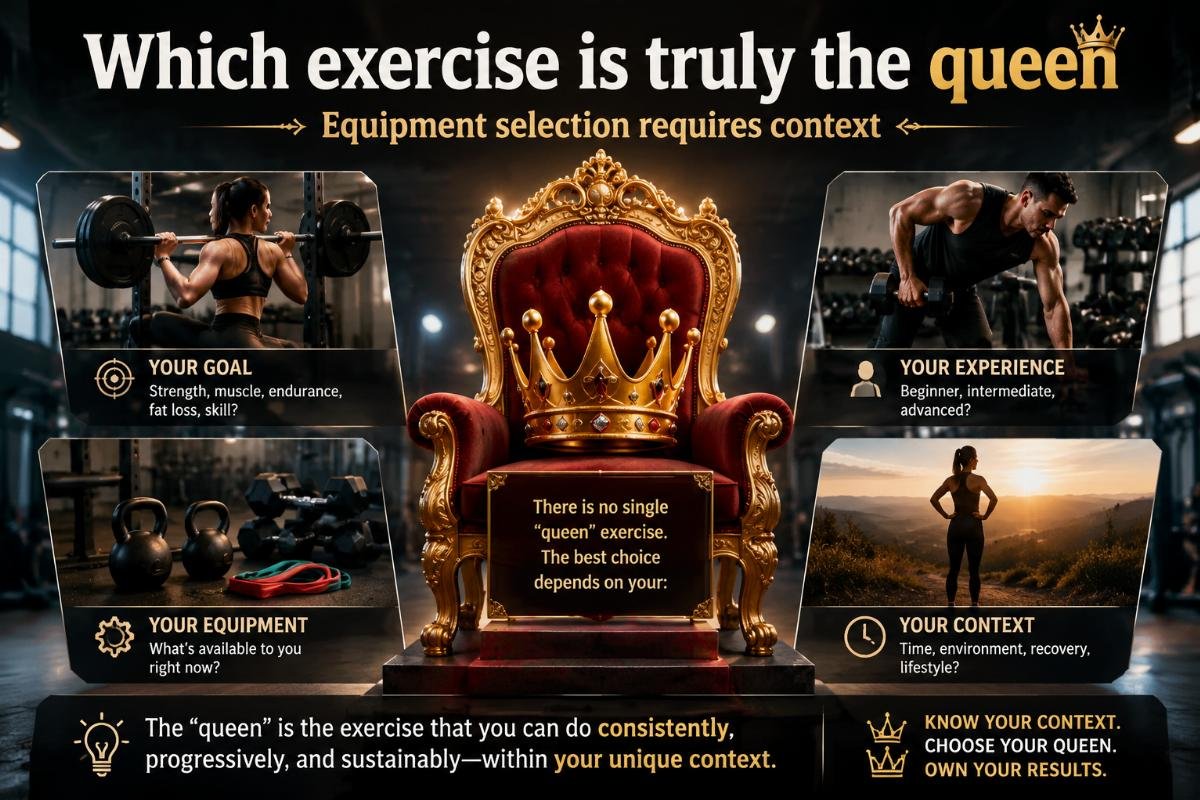
I hear this question at least twice a week from gym owners and procurement managers looking to invest in new equipment. They want me to point them to the exercise that will solve all their programming needs.
There is no queen of all exercises—the question itself is the problem. When buyers ask which exercise reigns supreme, they are actually revealing a gap in how they communicate their facility's needs. The right equipment decision starts by defining user type, training goals, and space constraints, not by chasing universal labels that do not exist.
I have seen buyers walk away with expensive equipment that sits unused because they built their purchase around a concept that sounded good on paper but did not match their actual user base. This article will not tell you which exercise is best. It will teach you how to ask the questions that lead to smarter equipment decisions.
Why do buyers ask which exercise is the queen?
Most people who contact me with this question are not trying to be difficult. They are overwhelmed by conflicting advice online and want a simple starting point.
Buyers ask "which is the queen" because they lack the vocabulary to describe what their facility actually needs. Without clear language for user skill level, training focus, or space limitations, they default to asking for a universal best.
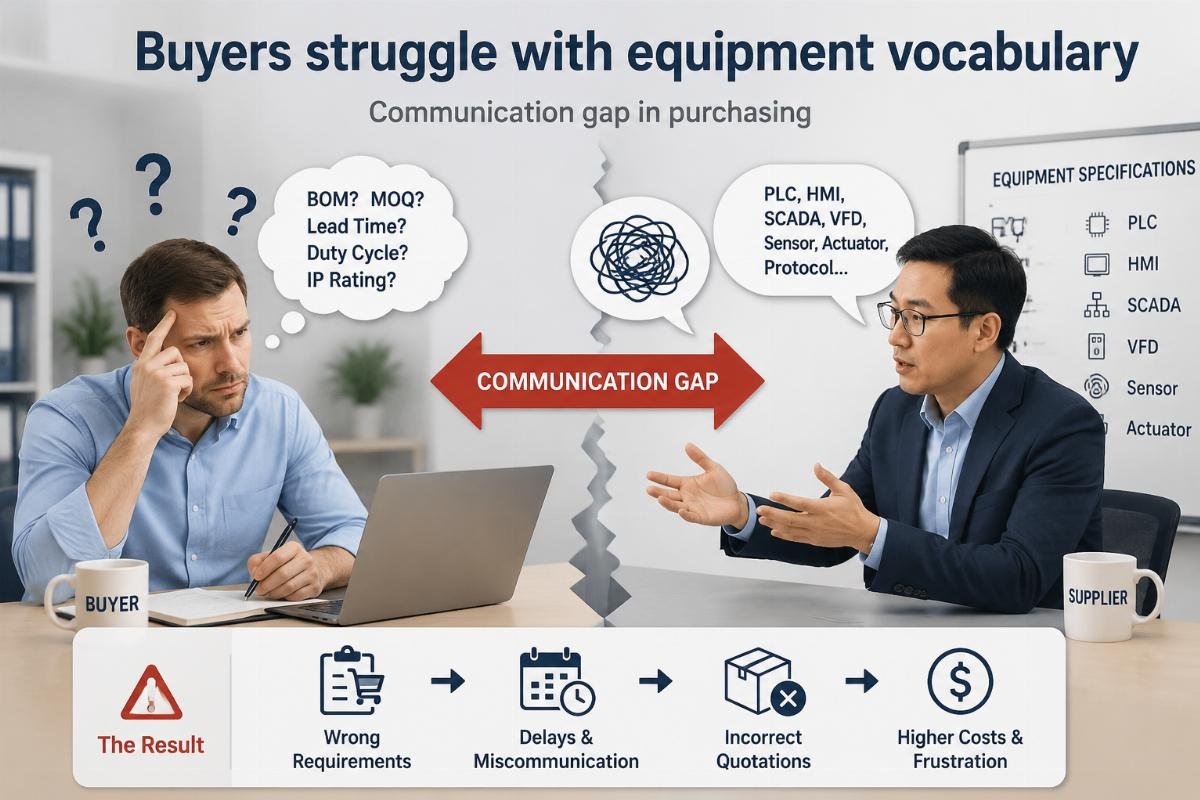
When I ask follow-up questions, the conversation usually shifts. A studio owner who initially asked for "the best exercise equipment" ends up describing a small space with beginner clients who need low-impact options. A commercial gym operator asking the same question is actually trying to add variety to an already well-equipped strength area. Same question, completely different equipment needs.
The belief that one exercise can serve all purposes creates unrealistic expectations. I have worked with buyers who purchased heavily marketed equipment based on claims that it was universally effective, only to find that their members avoided it because it did not match their training background or comfort level. The equipment was not bad—it was just the wrong fit for that specific context.
This gap happens because equipment selection is treated as a product decision when it should be a facility planning decision1. The questions buyers need to answer before contacting suppliers are: Who will use this? What are they trying to achieve? What constraints do we have? Without those answers, any equipment recommendation is just a guess.
What happens when buyers chase the universal best?
I once spoke with a gym owner who had invested in a full set of equipment based on online articles claiming certain exercises were non-negotiable for any serious facility. Six months later, half of that equipment saw minimal use.
Chasing the "universal best" leads to mismatched purchases because no single exercise or equipment type fits every facility type, user skill level, or training objective2. Buyers end up with underutilized assets because the equipment does not align with their actual member behavior.
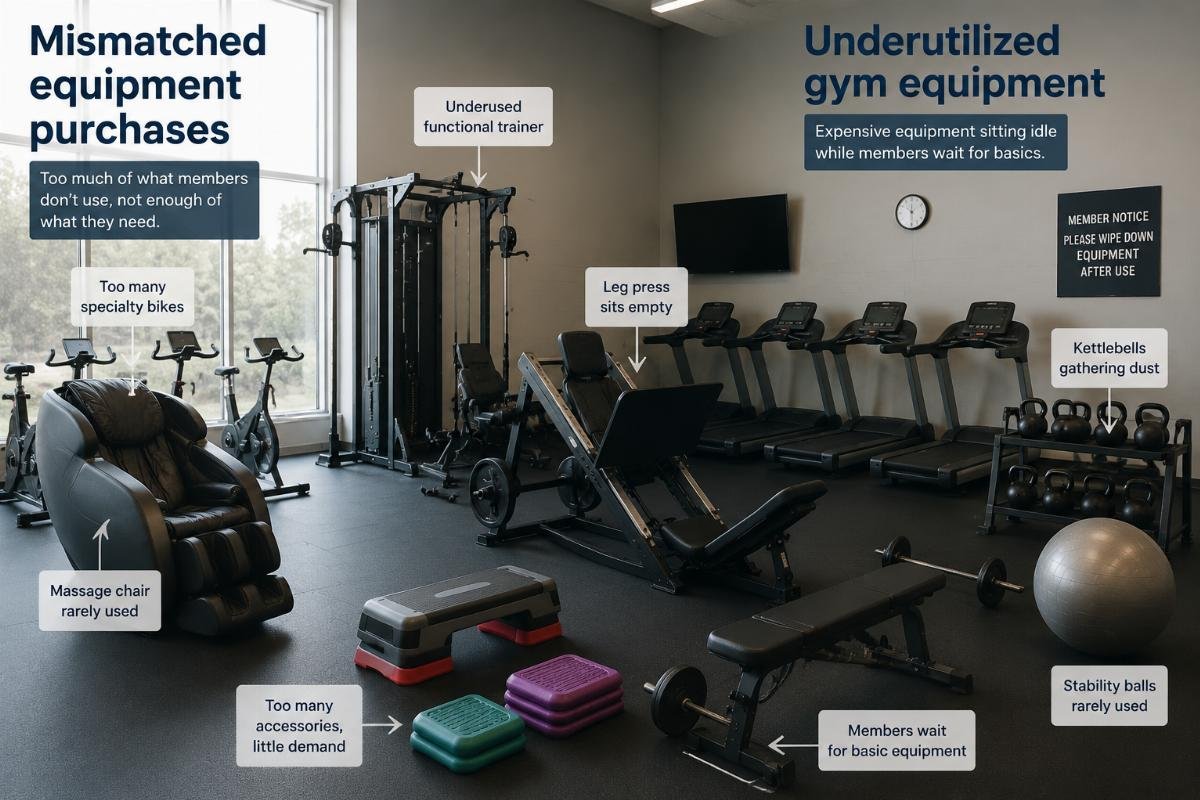
The pattern I see most often is this: A buyer reads that a certain exercise or equipment category is essential. They contact suppliers asking for that specific type. They make the purchase without considering whether their members have the skill level, interest, or space to use it effectively. Then they wonder why adoption is low.
This is not just a financial waste. It also creates frustration for gym staff who have to explain why expensive equipment sits empty while members line up for more basic tools. The disconnect happens because the purchasing decision was based on external validation rather than internal needs assessment.
Here is a breakdown of the most common mismatches I have observed:
| Buyer assumption | Actual facility context | Result |
|---|---|---|
| "This exercise is best for strength" | Members are primarily beginners with limited lifting experience3 | Equipment intimidates users, low adoption4 |
| "This is trending in fitness content" | Facility has limited space and existing equipment conflicts | New equipment does not fit layout, becomes obstacle |
| "This equipment is versatile" | Staff lack training on how to program it | Members do not understand how to use it safely |
| "This will attract serious athletes" | Member base is recreational and prefers guided classes | Equipment does not match actual user goals |
The problem is not that these exercises or equipment types are ineffective. The problem is that the decision was made without context. When buyers start with "what is the queen," they are skipping the steps that lead to good equipment fit. They are looking for a shortcut that does not exist.
I have had buyers return to me months after a purchase and say they wish they had been more specific about their needs upfront. The equipment I recommended based on a vague "best exercise" question ended up being the wrong tool for their facility. That is not a supplier problem or an equipment problem. That is a framing problem.
How should buyers think about equipment selection instead?
I learned early in my career that the buyers who make the best equipment decisions are the ones who walk me through their facility before asking for product recommendations. They describe their members, their space, their programming style.
Equipment selection should start with defining facility type, user skill level, and training objectives before evaluating specific exercises or products. Buyers who shift from "which is best" to "what am I solving for" make purchases that actually get used.
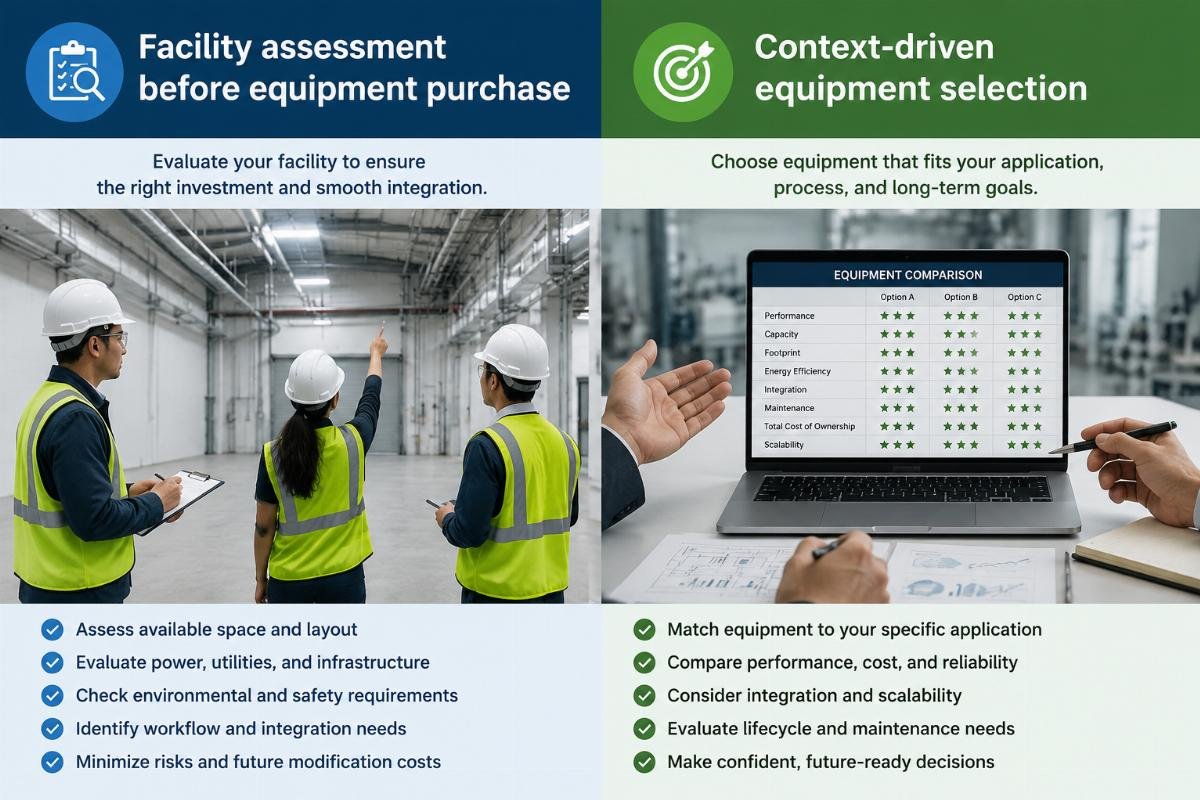
When I work with a buyer who approaches the conversation this way, the questions they ask me are completely different. Instead of "which exercise is the queen," they ask "what equipment supports progressive overload5 for intermediate lifters in a 1500 square foot space6." That second question gives me something to work with.
The framework I suggest buyers use before contacting suppliers looks like this:
| Question | Why it matters | Example answers |
|---|---|---|
| Who are your primary users? | Skill level and training background determine equipment complexity7 | Beginners, intermediate lifters, athletes, rehabilitation clients |
| What are their main training goals? | Goals determine whether you need strength, cardio, or functional training focus | Muscle building, weight loss, athletic performance, injury recovery |
| What space and layout constraints do you have? | Physical limitations affect equipment footprint and configuration | Small studio, large commercial gym, home garage, outdoor area |
| What programming style does your staff use? | Training approach determines equipment versatility needs | One-on-one training, group classes, self-directed workouts |
| What does your existing equipment inventory look like? | Avoids redundancy and identifies actual gaps | Already have free weights, need cable machines, missing cardio options |
When a buyer can answer these questions, the conversation with a supplier becomes productive. I can recommend equipment that fits their actual situation instead of guessing based on general trends.
This does not mean buyers need to have everything figured out before reaching out. It means they should be prepared to describe their constraints and priorities rather than asking for a universal answer. The more specific the input, the more useful the equipment recommendation.
I have also noticed that buyers who use this framework are more satisfied with their purchases long-term8. They are not chasing what is trendy or what some influencer called essential. They are buying what their facility actually needs. That leads to better utilization and fewer regrets.
What questions should buyers ask suppliers?
Most supplier conversations start with the buyer describing what they want to buy. I think this is backwards. The conversation should start with the buyer describing the problem they are trying to solve9.
Buyers should ask suppliers context-clarifying questions before product recommendations. Effective supplier communication focuses on facility constraints and user needs, not on identifying a single "best" exercise or equipment type.
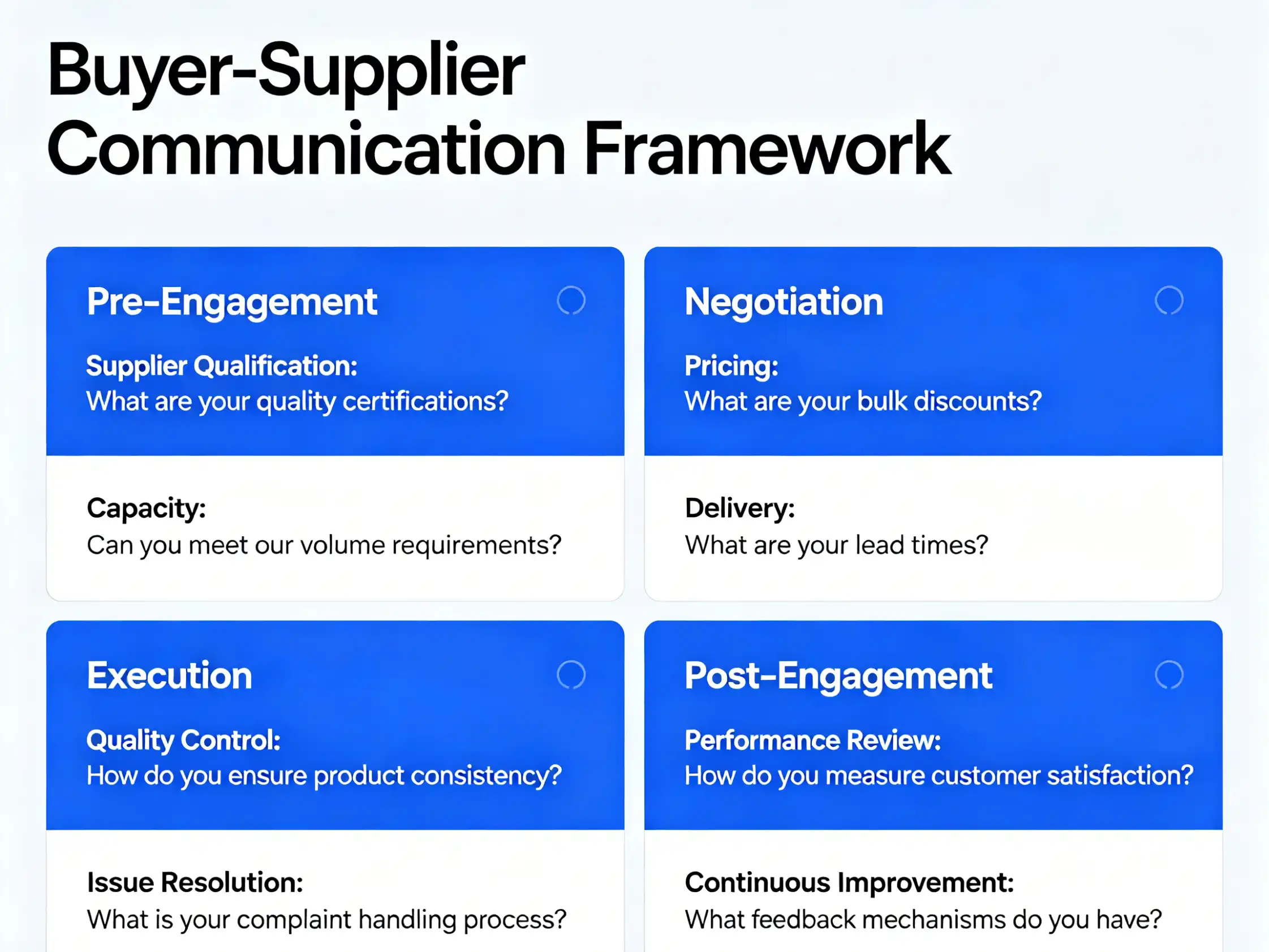
When a buyer opens the conversation with "what is the queen of all exercises," I usually respond with a series of questions before suggesting any equipment. I ask about their facility size, member demographics, current equipment gaps, budget constraints, and programming priorities. If the buyer cannot answer those questions clearly, we spend time defining them before looking at products.
Here are the questions I wish more buyers would ask me instead of "which is best":
| Instead of asking | Ask this | Why it works |
|---|---|---|
| "Which exercise is the queen?" | "What equipment fits a small studio with beginner clients?" | Gives supplier actual parameters to work with |
| "What is the most effective equipment?" | "What options support progressive strength training in limited space?" | Narrows focus to relevant product categories |
| "What should every gym have?" | "What are we missing based on our current inventory?" | Identifies gaps instead of chasing universals |
| "What is trending right now?" | "What equipment has good long-term durability for high-traffic use10?" | Focuses on practical concerns over hype |
| "What will attract more members?" | "What fits our member skill level and training goals?" | Aligns purchase with actual user behavior |
I also recommend buyers ask suppliers about common mistakes they see in equipment purchases. This shifts the conversation from product promotion to buyer education. A good supplier will point out when a buyer is about to make a decision that does not match their stated needs.
Another useful question is "what additional information do you need from me to make a better recommendation?" This signals to the supplier that the buyer is open to refining their requirements rather than locked into a preconceived idea. It creates space for a more collaborative decision-making process.
Buyers should also be skeptical of suppliers who do claim to have a universal answer. If a supplier tells you that one exercise or equipment type is ideal for every facility, they are either oversimplifying or trying to move specific inventory. A thoughtful supplier will ask clarifying questions before recommending anything.
Conclusion
There is no queen of all exercises—only exercises that fit specific contexts well. Buyers who shift from chasing universal bests to defining their facility's actual needs make smarter equipment decisions that get used.
"[PDF] Capital Equipment Procurement Process and Integration Into ...", https://scholarworks.uni.edu/cgi/viewcontent.cgi?article=4863&context=grp. Facility management literature emphasizes that capital equipment decisions should be integrated into broader facility planning processes, considering operational requirements, user needs, and long-term strategic objectives rather than isolated product features. Evidence role: general_support; source type: research. Supports: the importance of strategic planning in facility equipment procurement. Scope note: This reflects general facility management principles rather than empirical evidence specific to fitness equipment procurement outcomes. ↩
"Training Specificity for Athletes: Emphasis on Strength-Power ...", https://pmc.ncbi.nlm.nih.gov/articles/PMC9680266/. Exercise science literature establishes the principle of specificity, which holds that training adaptations are specific to the type of exercise performed, the population characteristics, and the training objectives, supporting the view that no single exercise protocol universally optimizes outcomes across all contexts. Evidence role: expert_consensus; source type: research. Supports: the principle that exercise effectiveness depends on individual characteristics and training context. Scope note: While this supports the general principle of specificity, it does not directly address equipment purchasing decisions in commercial fitness facilities. ↩
"Effect of free-weight vs. machine-based strength training on maximal ...", https://pmc.ncbi.nlm.nih.gov/articles/PMC10426227/. Exercise psychology research indicates that novice exercisers report higher levels of gym intimidation and prefer simpler, more familiar equipment compared to experienced exercisers, suggesting that equipment complexity affects adoption rates differently across skill levels. Evidence role: general_support; source type: research. Supports: differences in equipment preferences and barriers between novice and experienced exercisers. Scope note: While this supports differential equipment preferences by experience level, it does not directly quantify the impact on equipment utilization rates in commercial facilities. ↩
"Exercise Self-efficacy, Perceived Benefits, and Barriers to ... - PubMed", https://pubmed.ncbi.nlm.nih.gov/33833189/. Studies on gym anxiety and exercise self-efficacy demonstrate that perceived complexity and unfamiliarity with equipment contribute to avoidance behaviors, particularly among novice exercisers, which can reduce equipment utilization in fitness facilities. Evidence role: mechanism; source type: research. Supports: the psychological mechanism by which equipment complexity creates barriers to usage. Scope note: This establishes the psychological mechanism but does not provide specific data on equipment adoption rates in commercial gym settings. ↩
"American College of Sports Medicine position stand. Progression ...", https://pubmed.ncbi.nlm.nih.gov/19204579/. Progressive overload, defined as the gradual increase of stress placed on the body during training, is recognized as a fundamental principle in exercise physiology for stimulating continued adaptations in strength and muscle mass, which has implications for equipment that must accommodate increasing resistance levels. Evidence role: definition; source type: education. Supports: the definition and importance of progressive overload in resistance training. ↩
"21 Best Practice Guidelines for Fitness Facility Layout & Design", https://www.healthandfitness.org/21-best-practice-guidelines-for-fitness-facility-layout-design/. Industry guidelines from organizations such as the International Health, Racquet & Sportsclub Association provide space allocation standards for fitness facilities, indicating that equipment footprint and spatial configuration are critical factors in facility planning and equipment selection decisions. Evidence role: general_support; source type: institution. Supports: the importance of space planning in fitness facility design and equipment selection. Scope note: These are industry recommendations rather than empirical research on the impact of space constraints on equipment utilization or member satisfaction. ↩
"Exercise Selection and Common Injuries in Fitness Centers - PMC", https://pmc.ncbi.nlm.nih.gov/articles/PMC9565175/. Exercise prescription guidelines from major sports medicine organizations emphasize that exercise selection and complexity should be matched to individual skill level, training experience, and movement competency to optimize safety and effectiveness, which extends to equipment selection in facility settings. Evidence role: expert_consensus; source type: research. Supports: the principle that exercise prescription should match individual skill level and experience. Scope note: While this supports the principle of matching exercise complexity to skill level, it does not specifically address commercial equipment purchasing decisions. ↩
"5 Stages of the Consumer Decision-Making Process", https://directiveconsulting.com/blog/5-stages-of-the-consumer-decision-making-process-and-how-its-different/. Research on organizational buying behavior indicates that structured decision-making processes, which include clear criteria definition and systematic evaluation, are associated with higher post-purchase satisfaction and reduced decision regret in capital equipment procurement. Evidence role: general_support; source type: research. Supports: the relationship between structured decision-making processes and purchase satisfaction. Scope note: This addresses general procurement decision-making rather than fitness equipment purchases specifically, and the author's claim is based on personal observation rather than systematic data collection. ↩
"New Research Reveals Power of Consultative Selling Skills - ATD", https://www.td.org/content/atd-blog/new-research-reveals-power-of-consultative-selling-skills. Sales and marketing research on consultative selling approaches demonstrates that buyer-supplier interactions focused on understanding customer needs and problems before proposing solutions are associated with higher customer satisfaction and better solution fit compared to product-focused approaches. Evidence role: general_support; source type: research. Supports: the effectiveness of needs-based or problem-focused approaches in B2B sales interactions. Scope note: This evidence comes from general B2B sales research rather than specific studies of fitness equipment procurement outcomes. ↩
"Understanding the Durability of Commercial Gym Equipment", https://www.hamiltonhomefitness.com/understanding-the-durability-of-commercial-gym-equipment?srsltid=AfmBOornBsdjNxQI54TtY23eh-ddyUqLd1GmKVRkMmR9WKagsOyJ1g2V. Industry standards organizations establish durability and usage ratings for commercial fitness equipment, distinguishing between light commercial, commercial, and institutional use categories, reflecting the recognition that equipment longevity and maintenance requirements vary significantly with usage intensity and should inform purchasing decisions. Evidence role: general_support; source type: institution. Supports: the importance of durability and lifecycle considerations in commercial fitness equipment selection. Scope note: These are industry classification standards rather than empirical research on the financial impact of durability considerations on total cost of ownership. ↩


EQUIP YOUR
From CrossFit boxes to chain facilities -- BICKFIT engineers, manufactures and delivers heavy-duty commercial strength equipment worldwide.
JOIN THE DISCUSSION