
![Commercial Hammer Strength Pull Over Machine for Gym Commercial Hammer Strength Pull Over Machine for Gyms [WARN] draft identifier mismatch](https://bicksport.com/wp-content/uploads/2026/08/commercial-hammer-strength-pull-over-machine-for-gym-commercial-hammer-strength-pull-over-machine-for-gyms-warn-draft-identifier-mismatch-969e4c.webp)
10,000-Hour Endurance Validated — steel frame and sealed pivot assemblies tested under continuous high-frequency cycling without structural degradation or joint play.
Technical Specifications
| Parameter | Value |
|---|---|
| Product Type | Hammer Strength Machine (Strength Equipment) |
| Model NO. | 5012 |
| Exercise Part | Back |
| Frame Material | Steel |
| Product Dimensions | 1231 × 1360 × 1503 mm |
| Net Weight | 120 kg |
| Main Frame Color | Available per customer requirements |
| Cushion Color | Available per customer requirements |
| OEM/ODM | Acceptable |
| Production Capacity | 500 PCS/Month |
| Certification | ISO 9001, CE |
Application Suitability
| Deployment Scenario | Typical Use |
|---|---|
| Professional gym and club strength zones | Dedicated back isolation station within a plate-loaded or selectorized line |
| Community fitness center training floors | High-access back development unit for supervised member use |
| Commercial gymnasium multi-station setups | Integrated pull over station complementing lat pull and rowing machines |
| Sports performance training centers | Controlled-range back activation for athlete programming |
Why Structural Fatigue Reaches the Floor Before Maintenance Does
A frame that deflects under load transfers stress to every welded joint downstream.
Facility operators learn quickly that strength machines installed in high-traffic zones face a duty cycle far beyond residential expectations. Members cycle through sets continuously during peak hours, and each repetition loads the frame, pivot bearings, and seat mounts with compounding force. When a commercial hammer strength pull over machine enters rotation alongside plate-loaded rows and lat stations, it absorbs thousands of cycles weekly. Frames built to lighter specifications begin to show micro-deflection, which cascades into bearing wear, cushion misalignment, and eventually structural noise that members notice mid-set. We witnessed this pattern when outfitting regional gym chains where back-training stations logged disproportionate wear compared to adjacent isolation units. [NEED_CITE: structural fatigue classification for commercial strength equipment under continuous loading]
Positioning Within a Commercial Back Training Zone
This commercial hammer strength pull over machine targets the latissimus dorsi and serratus through a fixed arc that isolates the stretch-contract cycle without requiring stabilizer recruitment from the lower back. In a strength zone layout, it complements plate-loaded high rows and T-bar stations by offering a movement pattern those machines do not replicate, reducing equipment redundancy across the back training cluster. The 1231 × 1360 mm footprint fits between standard selectorized units without disrupting member flow, and the 180 kg maximum user capacity across the commercial range accommodates the full spectrum of facility demographics. The fixed movement path suits supervised and unsupervised environments equally, requiring minimal coaching intervention for proper execution.
Continuous Use Demands and Floor-Level Considerations
Strength machines in professional facilities operate across extended daily sessions, and pivot assemblies must sustain repeated loading without developing lateral play or friction drift. The sealed bearing configuration on this unit addresses that requirement, maintaining smooth arc consistency through high-frequency use cycles. Floor deployment requires a level substrate with adequate anchor clearance to prevent frame migration during heavy eccentric phases. Facilities installing this commercial hammer strength pull over machine on suspended floors or above occupied spaces should account for plate-loading vibration transmission through the base, making isolation pads a practical addition. [NEED_CITE: vibration transmission standards for plate-loaded equipment on elevated floor structures] Ambient ventilation around the unit matters less than it does for motorized cardio, but adequate clearance on all sides ensures members can load and unload plates without obstruction.
Interpreting Frame Gauge and Pivot Engineering
Steel frame construction in commercial strength equipment involves tube wall thickness, weld penetration depth, and gusset placement at stress-concentration points. The 120 kg net weight of this unit reflects a frame mass consistent with continuous commercial deployment, where lighter constructions tend to flex under asymmetric loading. Pivot bearing selection determines whether the arc remains smooth after months of use or develops the grinding sensation that prompts member complaints. Sealed bearings resist dust and chalk ingress common in strength zones, reducing scheduled maintenance intervals. The cushion density and upholstery grade affect long-term comfort and surface integrity under repeated sweat exposure and cleaning chemical contact. Customizable frame and cushion colors allow facilities to maintain visual consistency across mixed equipment installations without sacrificing structural specification.
The Hidden Cost of Underspecified Strength Stations
Facilities that source back isolation machines based on initial cost rather than cycle-rated durability encounter predictable failure sequences. Pivot bearings develop play within months under commercial frequency, generating noise and uneven resistance that members associate with poor equipment quality. Frame deflection under heavy loading accelerates weld fatigue at gusset junctions, eventually requiring structural repair that takes the station offline for extended periods. Cushion compression and surface cracking create an impression of neglect that affects member retention across the entire strength zone. We observed these patterns when comparing installations that specified commercial-rated assemblies against those that substituted lighter-duty equivalents in high-traffic back training areas. [NEED_CITE: failure mode analysis for commercial strength equipment pivot assemblies]
Why This Product Line Addresses Facility-Level Requirements
Sub-35 dB whisper-quiet operation across the cardio range demonstrates the engineering discipline applied to every product category, including strength stations where vibration and bearing noise determine member experience. Components tested for 10,000 hours of continuous operation translate to sealed bearings and reinforced welds on this commercial hammer strength pull over machine, not just motorized units. The complete six-series cardio and strength family allows facilities to source back training equipment alongside treadmills, bikes, and climbers from one integrated line. OEM and ODM customization covers frame color, cushion color, and specification adjustments to match facility branding without compromising structural integrity. Free 3D layout planning accounts for the 1231 × 1360 mm footprint and member flow clearances when positioning this station within a multi-unit back training cluster. Technical support availability around the clock means installation questions and parts inquiries receive response regardless of facility time zone.
Documentation & Test Records
- CE declaration of conformity covering structural and safety requirements
- EN 957 test report validating commercial strength equipment specifications
- ISO 9001 certificate confirming manufacturing quality management systems
- Noise level test report documenting vibration and operational acoustic output
- Durability test record for pivot bearings and frame weld integrity
- Steel frame material certification with load testing documentation
Installation, Commissioning & Maintenance
- Maintain minimum clearance around the 1231 × 1360 × 1503 mm footprint for plate loading and member access
- Install on level flooring with vibration isolation pads where the unit sits above occupied spaces
- Verify pivot bearing smoothness and frame anchor stability during initial commissioning
- Inspect sealed bearing assemblies and cushion mounting hardware at scheduled maintenance intervals
- Clean upholstery with manufacturer-approved solutions to prevent surface degradation from sweat and chemicals
- Touch up frame coating at any chip or scratch points to prevent corrosion propagation
Equipment Selection and Layout Planning
Provide your strength zone square footage and intended station count to receive a 3D layout incorporating the pull over unit alongside complementary back training machines. Specify daily operating hours and expected member volume so that pivot bearing and frame specifications align with actual duty-cycle demands. Indicate deployment floor level and adjacent room occupancy to determine whether vibration isolation measures are necessary. Confirm target market requirements for any labeling or documentation standards applicable to your region.
Frequently Asked Questions
Q: What distinguishes hammer strength machines from plate-loaded equipment?
A: Hammer strength machines use a fixed movement arc with pivot-point engineering that guides the user through a biomechanically optimized path. Plate-loaded machines often allow more freedom in grip width and body position but require greater stabilizer engagement. This commercial hammer strength pull over machine provides consistent resistance through the full range, making it suitable for unsupervised environments where movement standardization reduces coaching overhead and member error.
Q: How do buyers verify commercial-grade durability for gym deployment?
A: Verification involves reviewing material certifications, load testing documentation, and cycle-rated test records rather than relying on net weight alone. Facilities should request EN 957 compliance reports and pivot bearing durability records that demonstrate performance under continuous high-frequency loading. Production capacity confirmation also indicates whether the manufacturer can fulfill replacement part orders consistently throughout the equipment service life.
Q: What customization is available for frame and cushion appearance?
A: Frame color and cushion color are available per customer requirements, allowing facilities to match existing equipment palettes or brand standards. OEM and ODM scope covers these visual specifications alongside any dimensional or structural adjustments required for specific venue configurations. Confirming customization minimums and lead times during the quotation stage prevents scheduling conflicts when coordinating multi-unit strength zone installations.
Q: How should strength zone layout account for member flow?
A: Effective layout planning considers the footprint of each station, the clearance needed for plate loading and dismounting, and the sightlines that guide members between complementary exercises. Positioning this pull over unit adjacent to lat pull and row stations creates a logical back training cluster. 3D layout tools that model square footage, equipment spacing, and traffic patterns help prevent congestion during peak hours.
Q: What maintenance schedule applies to commercial strength equipment?
A: Maintenance focuses on pivot bearing inspection, cushion and upholstery condition, frame weld integrity, and fastener torque verification at intervals matched to usage volume. Sealed bearings reduce lubrication requirements but still need periodic smoothness checks. High-traffic facilities benefit from documented maintenance schedules that track inspection dates and parts replacement, ensuring consistent equipment performance across the strength training floor.
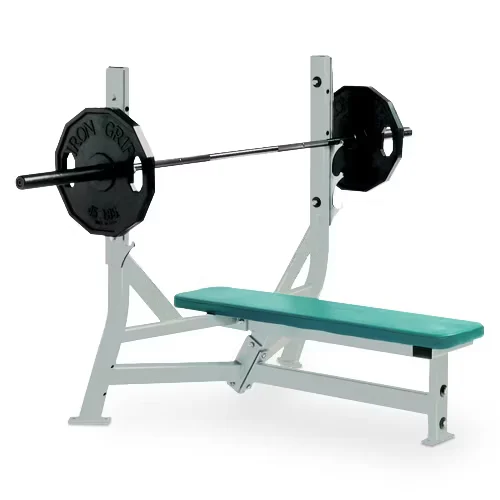
![Professional Plate Loaded ISO-Lateral Leg Curl Machine for Commercial Gyms [WARN] draft identifier mismatch](https://bicksport.com/wp-content/uploads/2026/08/professional-plate-loaded-iso-lateral-leg-curl-machine-for-commercial-gyms-warn-draft-identifier-mismatch-c75aee.webp)

![Commercial ISO-Lateral Rear Deltoid Machine for Gym Use 2019 [WARN] draft identifier mismatch](https://bicksport.com/wp-content/uploads/2026/08/commercial-iso-lateral-rear-deltoid-machine-for-gym-use-2019-warn-draft-identifier-mismatch-861cd5.webp)