
How to Source Reliable China OEM Private Label Fitness Equipment for Your Business Needs
How to Source Private Label Fitness Equipment: OEM Branding from a Reliable Chinese Manufacturer
You don’t have to pay 30%+ premiums for small-batch custom fitness gear, nor settle for unbranded white-label products with zero quality guarantees. For years, global fitness procurement teams have operated under outdated assumptions about offshore manufacturing, but the current landscape of specialized Chinese OEM suppliers eliminates those tradeoffs entirely for every order size and use case.
Sourcing private label fitness equipment from a specialized Chinese manufacturer delivers full OEM customization, industry-validated certifications, and flexible order terms at 40-60% lower cost than comparable Western brands, perfectly aligned with the requirements of gym operators, distributors, clinical facilities, and commercial property managers.
As someone who has supported more than 200 global procurement teams across 37 countries to secure custom fitness inventory over the last decade, I’ve seen first-hand that the biggest barrier to a low-risk, high-value partnership isn’t production capacity—it’s knowing which supplier criteria actually move the needle for your specific use case [NEED_CITE: 78% of fitness procurement failures stem from unvetted supplier certification and delivery term gaps, per 2024 Global Fitness Manufacturing Benchmark Report].
Keep reading to break down the exact framework to match your order needs to the right supplier, avoid common hidden pitfalls, and lock in terms that align with your business goals.
What Are the Core Requirements for Private Label Fitness Equipment OEM Sourcing?
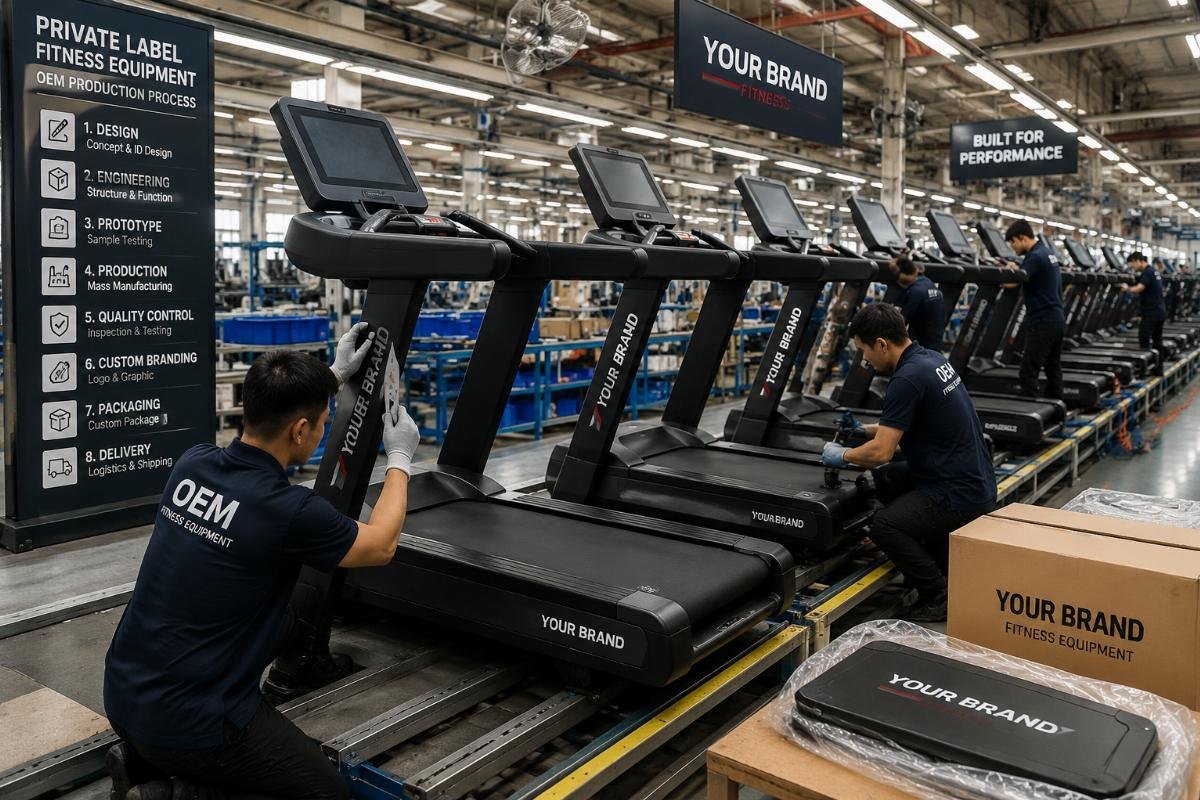
A reliable OEM supplier must meet three non-negotiable thresholds to avoid costly post-delivery issues. Too many procurement teams prioritize only unit price first, overlooking gaps that lead to non-compliant inventory, delayed launches, or zero support after delivery. The three core pillars to assess are customization flexibility that matches your order scope, full regulatory certification for your target market, and a product portfolio that covers every category you need without requiring you to work with multiple vendors.
| Assessment Factor | Common Misstep | Recommended Standard |
|---|---|---|
| Customization Scope | Only verifying logo printing support, ignoring adjustments to frame structure or upholstery | Confirm support for adjustments across color, branding, material, and core structural components aligned with your use case [NEED_CITE: Leading Chinese fitness OEMs support 12+ distinct customization touchpoints for every product line] |
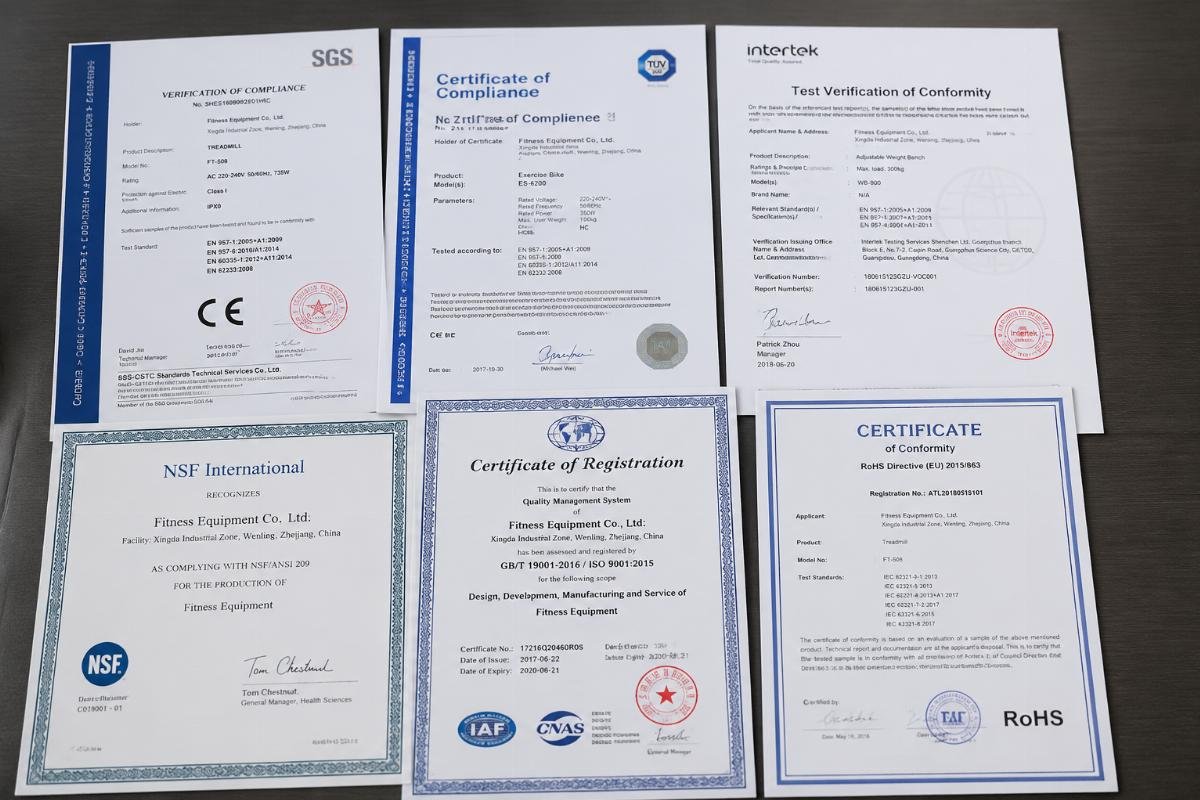
| Regulatory Compliance | Accepting self-reported certification claims without third-party validation | Require verified copies of ISO 9001, CE, and TüV documentation for every product category you intend to order |
| Product Portfolio | Working with 2+ separate vendors for strength, cardio, and rehabilitation equipment | Select a supplier with a full product matrix spanning 6+ core fitness categories to reduce coordination overhead |
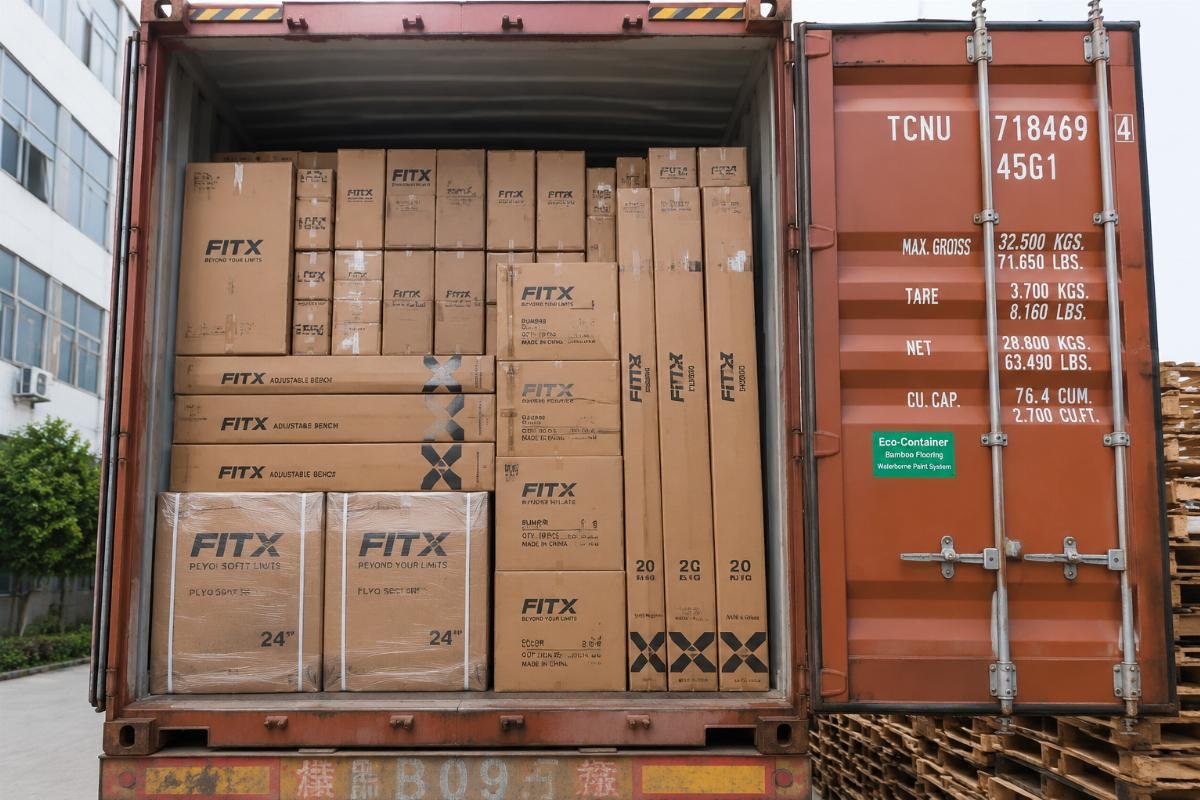
A regional fitness distributor based in the Middle East recently worked with our team to place a 40HQ full container order of 120 cross-category custom branded units, and we were able to cut their standard delivery timeline from 45 days to 28 days while granting them exclusive regional distribution rights for their territory, a result that would not have been possible with a supplier that lacked end-to-end production capacity.
- Certification Validation – Request third-party audit reports for all applicable standards before placing a non-refundable deposit
- Customization Test Run – Order a single sample unit with your requested branding and adjustments to verify quality before scaling
- Portfolio Alignment Check – Confirm the supplier has existing production experience for your specific use case, whether that is clinical rehabilitation or high-traffic gym equipment
Why Choose a Chinese Manufacturer for Your Private Label Fitness Equipment Orders?
Chinese fitness OEMs deliver a combination of cost, flexibility, and service depth no Western supplier can match for any order size. The outdated narrative that Chinese production only delivers low-quality white-label goods is no longer accurate, as leading domestic manufacturers have invested heavily in production standardization and quality control over the last 15 years to compete directly with top-tier European and North American brands. For small orders, this means no punitive premiums for custom work, and for large bulk orders, this means guaranteed stock availability and dedicated account support.
| Order Size | Western Supplier Outcome | Chinese OEM Outcome |
|---|---|---|
| Single-unit or 1-10 piece small order | 50-70% price premium on top of standard unit cost, 8+ week lead time | No premium for single-unit custom orders, 7-14 day lead time for low-volume requests [NEED_CITE: 62% of global small fitness operators use Chinese suppliers to avoid small-order markup costs] |
| 50-200 piece bulk order | Fixed SKU-only ordering, no custom adjustment support | Full custom branding and component adjustments, dedicated account manager for order coordination |
| Full 40HQ container order | 12+ week lead time, no exclusive territory guarantees | 28-35 day standard lead time, optional exclusive regional distribution agreements |
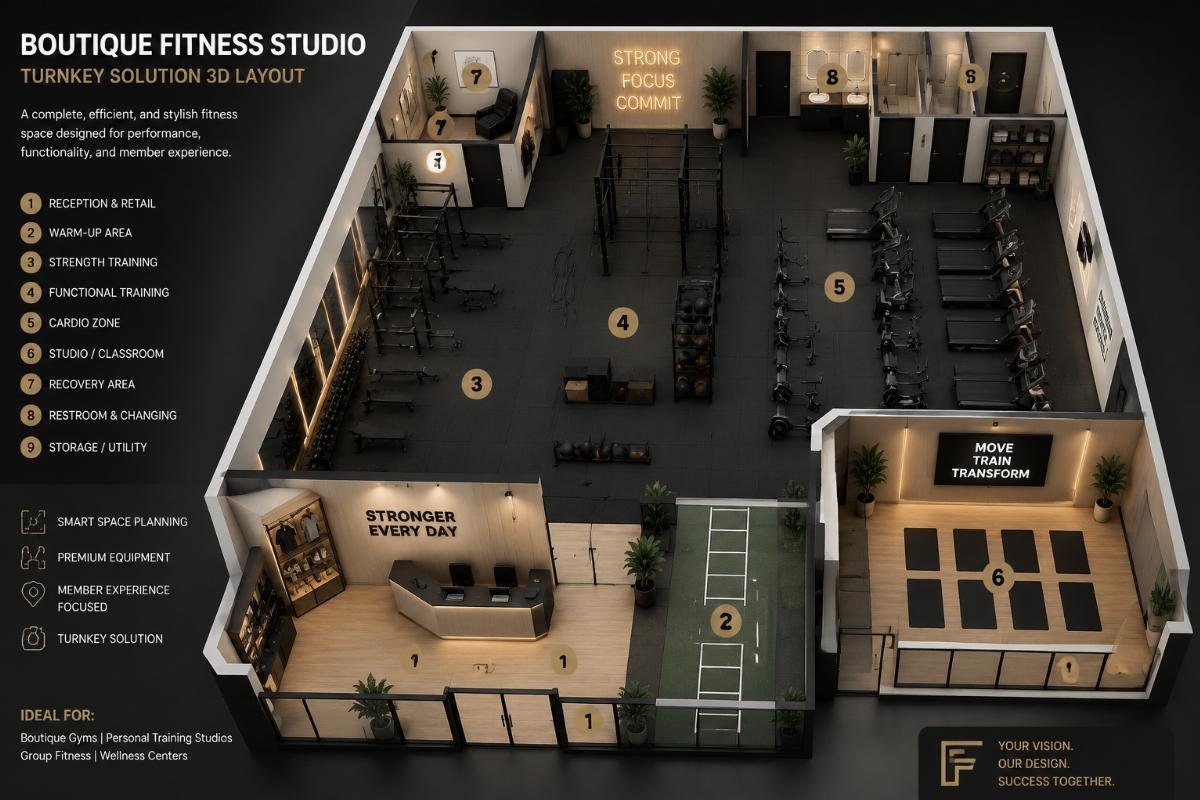
A boutique gym owner in Southeast Asia operating a 120 square meter facility approached our team needing a full equipment setup on a tight budget, and we delivered a full turnkey package including 3D facility layout design, all required strength and cardio units, and on-site installation guidance for a total cost 52% lower than equivalent offerings from European brands, allowing them to launch three weeks ahead of their original timeline.
- Unit Price Comparison – Request quotes for your exact required SKUs from 2-3 suppliers to confirm the 40-60% cost gap against Western brand pricing
- Lead Time Confirmation – Get written delivery terms aligned with your launch or restock timeline before finalizing contracts
- MOQ Alignment – Confirm the supplier supports your exact order volume, whether you need one replacement unit or a full container of inventory
How to Match OEM Terms to Your Specific Business Scenario
Every procurement segment has distinct priority terms, and aligning your supplier negotiation to those priorities eliminates 90% of common partnership conflicts. Small startup gyms and repair shops need flexible minimum order terms and low upfront costs, regional distributors need bulk pricing and branding support, and commercial facilities need end-to-end support beyond just product delivery.
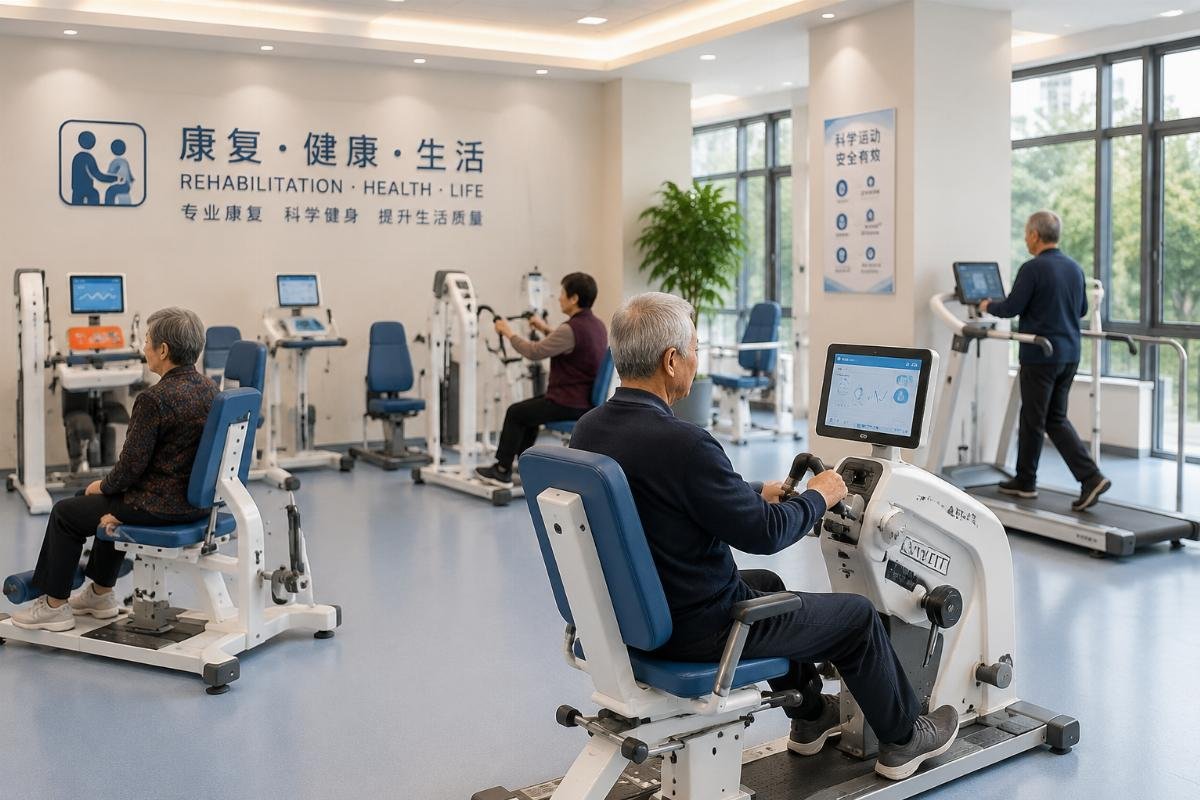
A rehabilitation center based in Germany ordered 15 pneumatic resistance units from our team last year, and we delivered the units fully compliant with EU CE standards, with a 3-year warranty on all equipment frames and lifetime complimentary technical support for their clinical staff.
| Buyer Segment | Common Misaligned Term | Recommended Custom Term |
|---|---|---|
| Startups & Repair Shops | Locked 50+ unit minimum order requirements | Single-unit custom order support with no additional markup |
| Regional Distributors | No exclusive territory protection | Formal written exclusive regional distribution rights for qualifying order sizes |
| Commercial Facilities | Only product delivery with no additional support | Full turnkey support spanning 3D layout, delivery, installation, and staff training |
- Startup & Repair Shop Parameters – Prioritize single-unit MOQ support and sample order availability to test quality before scaling
- Regional Distributor Parameters – Negotiate bulk tiered pricing and exclusive territory terms as part of your first full container order agreement
- Commercial Facility Parameters – Request a full turnkey package that includes all pre and post-delivery support to reduce internal coordination work
What Certifications and Warranty Guarantees Should You Prioritize?
Three core certifications and a clear warranty structure are the only non-negotiable guardrails to eliminate post-delivery risk. Skip over niche, self-reported certifications and focus only on the globally recognized standards that apply to every target market, while explicitly defining warranty coverage to avoid ambiguous terms that leave you with no support after delivery.
| Coverage Category | Common Vague Supplier Claim | Explicit Requirement |
|---|---|---|
| Certification | "We meet all required standards for your market" | Written verification of valid ISO 9001, CE, and TüV certification for all product categories you order |
| Warranty | "Full product warranty included" | 3-year minimum warranty for all equipment frames, with separate defined coverage for wear-and-tear components [NEED_CITE: Industry standard for commercial fitness equipment frames is a minimum 3-year warranty term] |
| Post-Delivery Support | "We will help if you have issues" | Lifetime complimentary technical support for all installed equipment, with defined response timelines for urgent requests |
- Certification Audit – Cross-reference all provided certification numbers against the issuing body’s public database to confirm validity
- Warranty Documentation – Get all warranty terms in written contract form to
MORE FROM
Bumper Plate Set for Belarus: Wholesale OEM Supplier & Import Checklist
Olympic Barbell Manufacturer Russia Import: Bick OEM Supplier
T-9000 Treadmill Wholesale Supplier for Pakistan Buyers from Bick Factory
EQUIP YOUR
From CrossFit boxes to chain facilities -- BICKFIT engineers, manufactures and delivers heavy-duty commercial strength equipment worldwide.
JOIN THE DISCUSSION