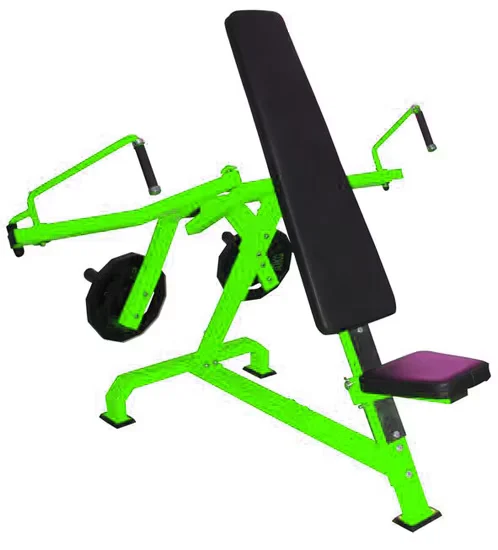
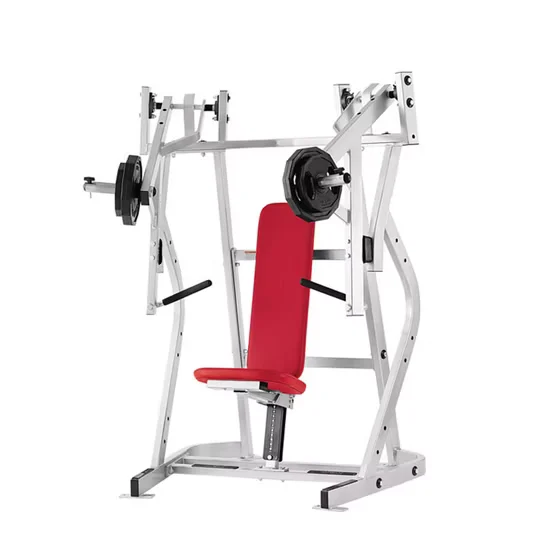
Structural Rigidity Verified — 170kg machine mass and reinforced steel frame tubing absorb heavy plate-loaded training without structural deflection or vibration transfer.
Technical Specifications
| Parameter | Value |
|---|---|
| Designation | SRH-71 |
| Exercise Part | Waist / Lower Body |
| Material | Iron |
| Tube Size | 50×100×3mm |
| Machine Weight | 170 kg |
| Product Dimensions | 1676×1700×1524 mm |
| Max User Weight | Commercial grade (verify rating) |
| Color | Customized |
| Certification | RoHS, ISO 9001, CE |
Application Suitability
| Deployment Scenario | Typical Use |
|---|---|
| commercial gymnasium strength zone | dedicated belt squat station in free weight area |
| community fitness center | high-durability lower body training accessible to diverse membership |
| high-end residential home gym | full-range squat training without Olympic rack footprint |
| sports performance training center | heavy belt squat programming with controlled loading |
Why Frame Deflection Matters More Than Plate Weight
A belt squat machine must hold rigid under asymmetric and maximum loading without lateral frame movement.
Light-duty squat machines with undersized frame tubing flex under heavy plates. When a member loads plates and drops into the belt squat position, frame deflection creates instability — the bar shifts, the belt pulls unevenly, and confidence in the movement breaks down. In commercial gymnasium environments where a plate loaded squat machine commercial weight belt station sees dozens of users per day, that flex accelerates joint fatigue and generates maintenance complaints faster than wear items do. [NEED_CITE: frame deflection standards for plate loaded commercial strength equipment]
Positioning This Belt Squat Within a Strength Zone
This plate loaded squat machine commercial weight belt unit targets lower body loading without spinal compression, complementing leg press and hack squat stations already present in most commercial free weight areas. It fits a use pattern where members rotate through hip-dominant and knee-dominant movements in sequence, requiring equipment that resets quickly between users with no weight stack pins to adjust. The 1676×1700mm footprint suits dedicated squat platforms or open floor zones, and the iron construction handles the repeated plate loading that community fitness center traffic demands. The machine accommodates adult users across standard height ranges performing belt squat, hip thrust, and shrug variations.
Floor Loading, Clearance, and Vibration Transfer
At 170 kg machine weight plus live plate load, total static mass during use requires floor load verification — particularly on upper floors or suspended slabs where vibration propagation reaches adjacent spaces. The 50×100×3mm tubing distributes load across the base frame, but rubber isolation pads under the feet remain necessary in hotel fitness centers or mixed-use facilities where occupied rooms sit directly below. Adequate ceiling clearance of at least 2200mm allows full standing extension and plate loading overhead without obstruction. Ambient ventilation matters less than with motorized cardio, but the equipment zone still needs airflow planning to manage heat from adjacent high-traffic stations. [NEED_CITE: commercial floor load requirements for heavy plate loaded strength equipment]
Reading the Steel Specification Against Actual Loading
The 50×100×3mm rectangular tube forms the primary load path from the belt attachment point through the uprights to the base. Wall thickness of 3mm in this tube profile provides the cross-sectional area needed to resist bending moments when a user hangs maximum plate load from the belt. Iron construction with commercial powder coating holds up against sweat corrosion and plate abrasion in high-traffic environments where painted mild steel chips within months. Machine weight of 170 kg reflects actual material mass rather than ballast — heavier frames dampen vibration during plate loading and reduce the walking tendency that lighter machines exhibit on polished concrete floors.
The Hidden Cost of Undersized Frame Specifications
Facilities that sourced belt squat machines with 2mm or thinner wall tubing report frame cracking at weld joints within the first year of commercial use. The repair cycle — weld reinforcement, repaint, downtime — costs more per incident than the price difference in heavier-gauge equipment at purchase. Lighter machines also walk across the floor under eccentric loading, requiring staff to reposition equipment between shifts and creating trip hazards in crowded strength zones. Members who experience instability abandon the movement entirely, leaving the machine underused while squat racks remain overcrowded. [NEED_CITE: commercial strength equipment weld failure rates under cyclic loading]
Why This Product Line Addresses the Gaps
The 50×100×3mm frame specification eliminates the deflection that causes user complaints on lighter commercial belt squat machines. Machine mass of 170 kg provides inherent stability without bolting to the floor, preserving layout flexibility in community fitness centers that reconfigure zones seasonally. Full OEM/ODM capability means color matching and branding integrate with facility design without compromising coating integrity. The free 3D cardio and strength zone layout service covers clearance, sightlines, and member flow around this 1676×1700mm footprint so placement decisions account for plate loading paths and adjacent equipment spacing. Documentation includes EN 957 test reports and structural verification records that procurement teams require for commercial installations.
Documentation & Test Records
- CE declaration of conformity for plate loaded strength equipment
- EN 957 test report covering structural integrity and loading safety
- ISO 9001 certificate for manufacturing quality management
- RoHS compliance documentation for material safety
- Weld inspection and frame durability test records
- Spare parts list and maintenance schedule documentation
Installation, Commissioning & Maintenance
- Verify floor load capacity for 170 kg dead weight plus live plate load before placement
- Position with minimum 1000mm clearance on all sides for safe plate loading access
- Level base frame on rubber isolation pads to prevent vibration transfer to adjacent floors
- Inspect all bolted joints and weld points upon delivery before first member use
- Schedule quarterly inspection of belt attachment hardware and pivot bearings
- Apply touch-up powder coating to any scratches preventing corrosion on iron frame
Equipment Selection and Facility Planning
Share your strength zone floor plan and adjacent space usage to receive a 3D layout showing clearance, plate loading paths, and member flow around this station. Specify deployment floor level and occupied spaces below to confirm whether isolation pads or structural floor reinforcement is required. Confirm target market voltage standards if any electronic accessories or lighting will integrate with the equipment zone. State expected daily user volume so we can recommend maintenance intervals matched to your facility’s traffic pattern.
Frequently Asked Questions
Q: What frame tubing specification is required for commercial plate loaded belt squat equipment?
A: Commercial facilities should specify rectangular tube with minimum 3mm wall thickness in profiles of 50×100mm or larger. This cross-section provides the bending resistance needed when users hang maximum plate loads from the belt attachment. Thinner tubing flexes under load, creating instability during movement and accelerating fatigue cracking at welded joints under daily commercial use cycles.
Q: How does machine weight affect stability during heavy belt squat lifts?
A: A heavier frame mass — such as 170 kg — provides inherent resistance against tipping and walking during eccentric loading phases. Lighter machines shift position when users load plates asymmetrically or perform controlled negatives, requiring staff intervention between sessions. The additional material also dampens vibration from plate contact, reducing noise transfer in multi-story facilities.
Q: What maintenance is required for plate loaded machines versus selectorized equipment?
A: Plate loaded machines require less frequent maintenance than selectorized equipment because there are no weight stack guide rods, cables, or pulleys to lubricate and replace. Primary maintenance focuses on bolt torque verification at structural joints, bearing inspection at pivot points, and coating touch-ups where plate contact chips the finish. This simpler maintenance profile suits community fitness centers with limited technical staff.
Q: What floor space and ceiling height clearance is needed for belt squat machines?
A: Plan for the machine footprint of 1676×1700mm plus minimum 1000mm clearance on all sides for plate loading access and safe member movement. Ceiling height should allow full standing extension plus overhead plate handling — typically 2200mm minimum. Facilities with lower ceilings should verify clearance with plates loaded on the horns before installation.