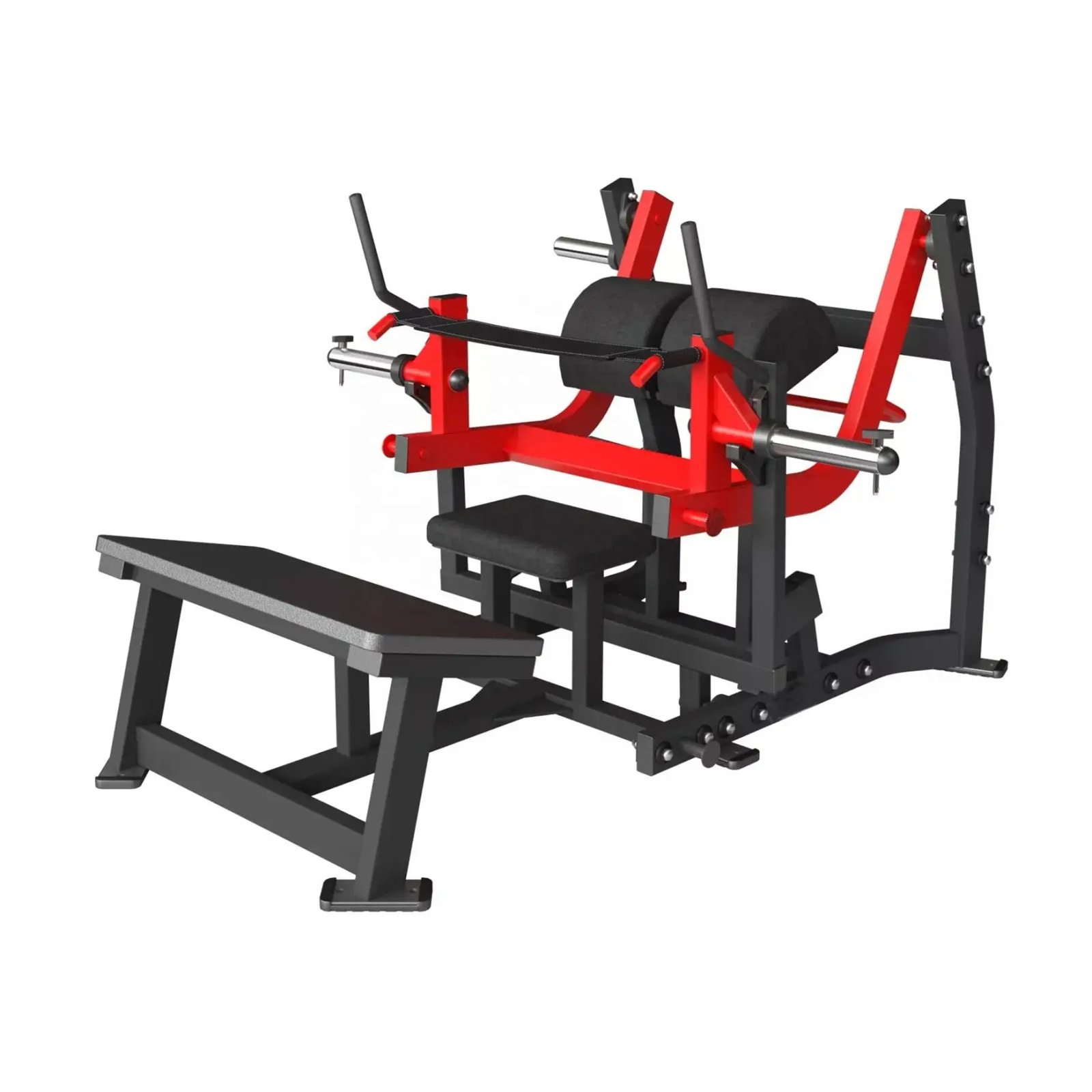
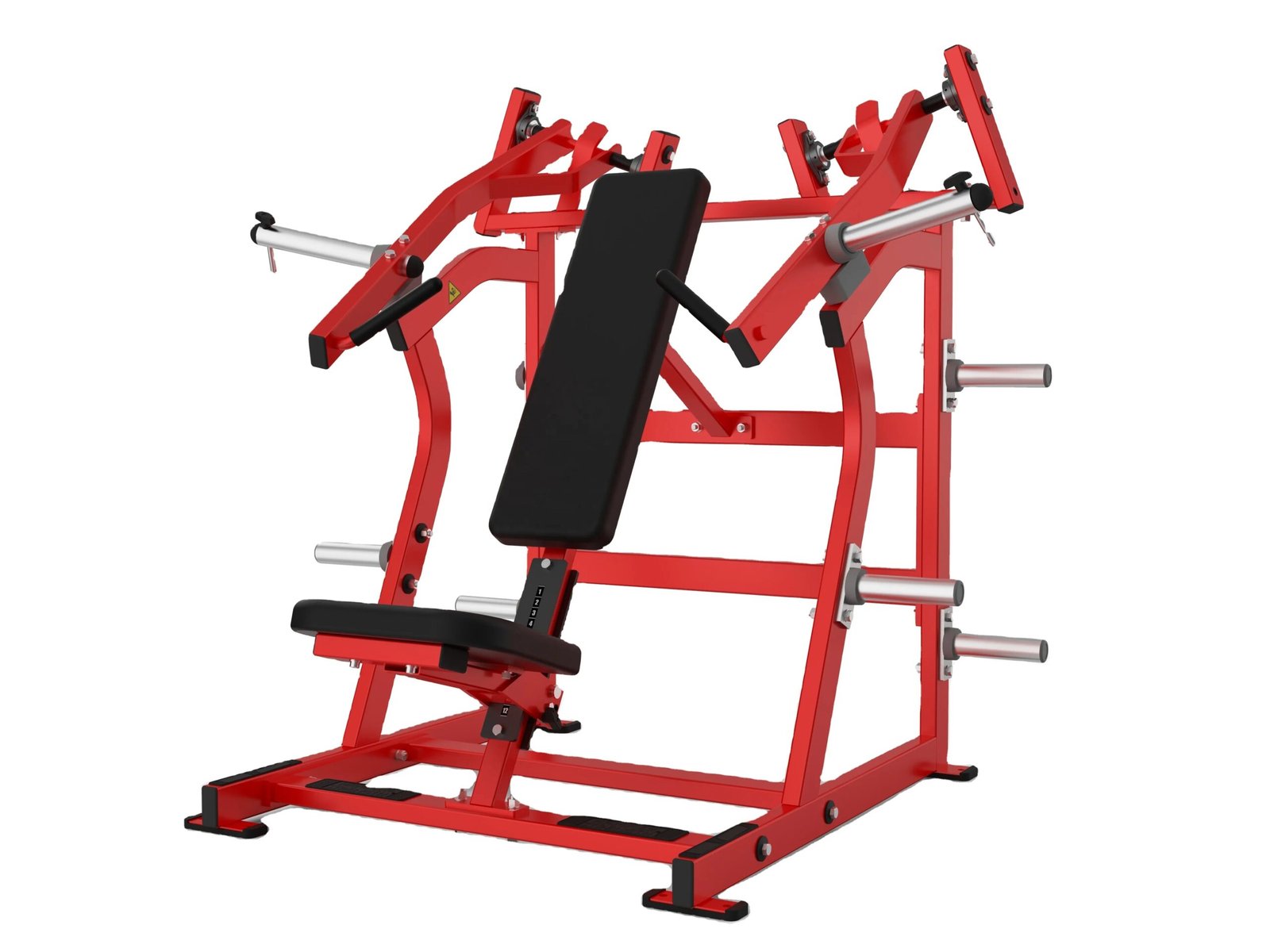
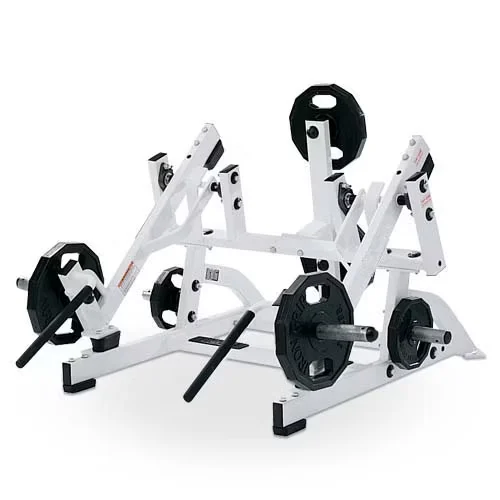
![Hammer Strength Plate-Loaded ISO-Lateral Kneeling Leg Curl Gym Equipment [WARN] draft identifier mismatch](https://bicksport.com/wp-content/uploads/2026/08/hammer-strength-plate-loaded-iso-lateral-kneeling-leg-curl-gym-equipment-warn-draft-identifier-mismatch-247b68.webp)
Acoustic-Tested Pivot Assembly — sealed bearings verified across continuous multi-user strength zone cycles to prevent wobble and noise migration.
Technical Specifications
| Parameter | Value |
|---|---|
| Designation | 5028 |
| Product Type | ISO-Lateral Kneeling Leg Curl |
| Brand | HuiYang |
| Resistance Type | Plate-loaded |
| Frame Material | Steel |
| Mechanism | ISO-lateral independent arm |
| Product Dimensions | 1270 x 1000 x 1290 mm |
| Net Weight | 145 kg |
| Certification | ISO 9001, CE |
| Appliance | Gymnasium |
| Age Group | Adult |
| Gender | Unisex |
Application Suitability
| Deployment Scenario | Typical Use |
|---|---|
| International chain gym strength zone | High-frequency hamstring isolation across peak operating hours |
| Five-star hotel fitness center | Compact strength offering for guests requiring targeted posterior chain work |
| Professional sports training center | Athlete-grade unilateral leg curl for balanced hamstring development |
| Corporate wellness facility | Durable plate-loaded station for daily employee strength programming |
| University athletic performance room | Isolation equipment supporting sport-specific conditioning protocols |
Why Pivot Wear Generates Complaints Before Anyone Checks the Bearings
Sealed pivot assemblies keep the ISO-lateral kneeling leg curl stable through thousands of loaded cycles without developing lateral play.
In commercial strength zones, plate-loaded machines endure constant load changes, sweat exposure, and uneven force application from users of different sizes. When pivot bearings lack proper sealing, contamination accelerates wear, and the frame begins to shift under load. Members notice the wobble, report it to staff, and eventually avoid the station [NEED_CITE: pivot bearing failure patterns in high-frequency strength equipment]. The commercial plate-loaded ISO-lateral kneeling leg curl addresses this with sealed pivot bearings designed to resist dust and sweat ingress in continuously operating facilities.
How This Station Fits Within a Strength Zone Layout
The ISO-lateral kneeling leg curl occupies a focused isolation role in the posterior chain section of a commercial strength floor. It complements compound movements like squats and deadlifts by allowing targeted hamstring engagement without spinal loading. In a facility layout, this unit typically anchors the machine-based isolation row alongside leg extensions and hip abductors. The plate-loaded ISO-lateral kneeling leg curl accommodates a wide user weight range through its reinforced steel frame and independent arm mechanism, making it suitable for deployment in mixed-ability environments from hotel gyms to athletic performance centers.
Continuous Load Cycles and Facility Environment Demands
This machine sees repeated loading and unloading throughout operating hours as members cycle through sets. The steel frame must maintain structural rigidity across thousands of weekly repetitions without developing flex or audible creaking at weld points [NEED_CITE: structural fatigue thresholds for commercial plate-loaded frames]. Deployment on gym floors requires adequate clearance on all sides for plate loading and user entry from the kneeling position. High-humidity environments accelerate corrosion on exposed metal surfaces, making the sealed bearing specification relevant to longevity. Floor anchoring may be necessary depending on the intensity of use and local seismic or safety codes.
Reading the ISO-Lateral Mechanism and Plate-Loaded Resistance Path
The ISO-lateral independent arm design allows each leg to work through its own range of motion without the stronger limb compensating for the weaker one. This matters in rehabilitation contexts and athletic programming where bilateral imbalances need identification and correction. Plate-loaded resistance eliminates cables, pulleys, and electronic components from the force path, which simplifies the maintenance profile considerably compared to selectorized alternatives. The resistance curve follows the weight plates loaded onto the horns, giving users direct control over incremental progression. Steel frame construction provides the structural foundation for this mechanism, with reinforced welding at stress points that experience repeated eccentric loading during the return phase of each repetition [NEED_CITE: weld inspection standards for plate-loaded strength equipment].
What Happens When Frame Specifications Are Compromised
Facilities that source strength equipment based on unit price rather than duty-cycle ratings frequently encounter frame flex within the first year of heavy use. Weld points develop micro-fractures under repetitive eccentric loading, leading to audible grinding and lateral movement during sets. Members lose confidence in the equipment and migrate to alternative stations, leaving the compromised unit underused while adjacent machines face excess demand. In hotel environments, noise from worn pivot bearings transmits through floor structures to guest rooms below, generating complaints that maintenance teams cannot resolve without full bearing replacement [NEED_CITE: acoustic transmission through commercial gym flooring]. The downtime required for these repairs removes the station from service during peak membership hours.
Why This Product Line Addresses Deployment Pain Points
The frame undergoes structural testing calibrated to continuous multi-user loading patterns, not occasional residential use. Sealed pivot bearings eliminate the most common maintenance intervention on plate-loaded machines, keeping the station operational without scheduled downtime for lubrication or replacement. The 5028 footprint integrates into 3D strength zone layouts that account for plate-loading clearance, user access paths, and sightline considerations across the floor plan. OEM options extend to frame color, logo placement, and plate horn configuration to align with facility branding requirements. Technical support covers commissioning guidance and spare parts identification around the clock. Documentation packages include EN 957 test reports and structural inspection records that procurement teams require for commercial specifications [NEED_CITE: ISO 9001 manufacturing documentation for commercial fitness equipment].
Documentation & Test Records
- CE declaration of conformity for plate-loaded strength equipment
- EN 957 test report covering structural integrity and safety requirements
- ISO 9001 certificate for manufacturing quality management
- Noise level test record documenting operational acoustic profile
- Frame durability test log under continuous load cycles
- Weld inspection and structural rigidity verification report
Installation, Commissioning & Maintenance
- Confirm floor clearance around the 1270 x 1000 mm footprint for safe plate loading and user entry
- Level the steel frame on gym flooring with vibration-dampening pads to reduce acoustic transmission
- Inspect all pivot bearing seals upon delivery and verify smooth independent arm articulation before opening to members
- Establish periodic inspection intervals for plate horn integrity and retaining collar function
- Wipe down frame surfaces after operating hours to prevent sweat-induced corrosion on welded joints
- Check floor anchoring hardware quarterly where the 145 kg frame is subject to high-intensity eccentric loading
Equipment Selection and Configuration Inquiry
Provide the strength zone floor area and planned equipment roster to receive a 3D layout addressing clearance, user flow, and sightline optimization around this kneeling station. Specify expected daily user volume so that bearing durability and frame duty-cycle ratings can be confirmed against your operational profile. Indicate whether the deployment environment presents elevated humidity or temperature variation that affects maintenance scheduling. Note any OEM requirements for frame color, logo placement, or plate horn configuration to match existing facility standards.
Frequently Asked Questions
Q: What is the biomechanical difference between ISO-lateral and fixed-bar leg curl machines?
A: ISO-lateral independent arms allow each leg to move through its own arc without the dominant limb compensating. This exposes bilateral strength imbalances that fixed-bar designs conceal. For athletic programming and rehabilitation, independent movement provides more accurate hamstring development tracking and reduces the risk that one side overworks while the other remains underdeveloped.
Q: How do plate-loaded and selectorized machines compare for maintenance in commercial environments?
A: Plate-loaded machines eliminate cables, weight stacks, selector pins, and pulley assemblies from the resistance path. Maintenance focuses on structural fasteners and pivot bearings rather than mechanical wear components. Facilities without dedicated service technicians often find plate-loaded stations require less scheduled intervention, though users must manually load and unload plates between sets.
Q: What sealed bearing maintenance is required in high-humidity gym environments?
A: Sealed pivot bearings are designed to resist sweat and moisture ingress without periodic lubrication. In high-humidity environments, external frame surfaces require regular wiping to prevent corrosion, but the bearing assembly itself operates maintenance-free under normal conditions. Facilities should inspect seals annually for visible degradation and replace bearings only if lateral play develops.
Q: How much clearance is needed around kneeling stations for safe operation?
A: Allow adequate space on both sides for plate loading and unloading, plus clearance behind the unit for the user to approach and exit the kneeling position. Facility planners should account for the full range of motion during use and ensure adjacent equipment does not encroach on the movement envelope or create visual obstruction across the strength zone.