
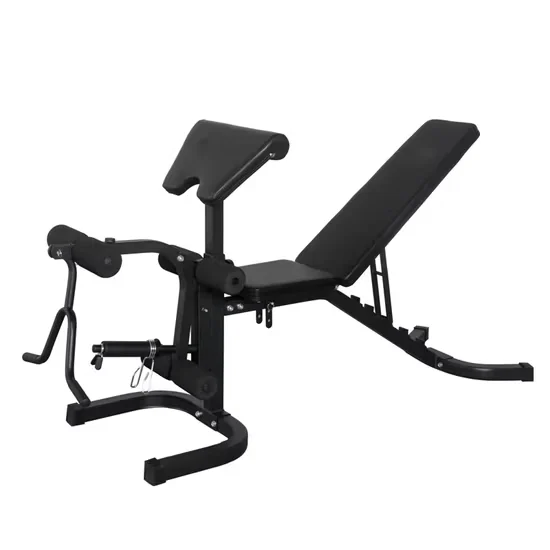
10,000-Hour Frame Endurance — Welded steel construction tested for continuous high-frequency commercial gym deployments without structural flex or hardware loosening.
Technical Specifications
| Parameter | Value |
|---|---|
| Product Type | Adjustable Weight Bench with Leg Extension |
| Max User Weight | 150–200 kg |
| Frame Material | Steel |
| Foldable | No |
| Product Dimensions | 185 × 122 × 66 cm |
| Net Weight | 28.5 kg |
| Adjustment Positions | Multiple backrest angles (flat, incline, decline) |
| Leg Extension Module | Integrated, adjustable |
| Customization | Available (logo, color) |
| Certification | CE, ISO, RoHS |
Application Suitability
| Deployment Scenario | Typical Use |
|---|---|
| Chain gym strength zone | High-frequency pressing, fly, and leg isolation work across peak hours |
| Corporate wellness room | Moderate-use full-body strength sessions for employee fitness programs |
| Hotel fitness center on guest room floors | Compact multi-angle training for guests without dedicated weight rooms |
| Sports performance training center | Athlete accessory lifts and rehabilitation-angle isolation movements |
| High-end residential home gym | Dedicated bench station for serious lifters requiring stable, non-folding platforms |
Why Steel Frame Rigidity Matters More Than Padding Thickness
A bench that shifts under load destroys lifter confidence before it destroys the weld.
I used to spec benches for a hotel chain’s fitness floors based on upholstery and adjustability range. The padding looked premium in the showroom, but within months the adjustment pins started wallowing out their slots, and the backrest developed a visible wobble during incline presses. Members stopped using the station. The commercial adjustable weight bench with leg extension solves this by prioritizing frame geometry and locking mechanism tolerances over cosmetic upgrades [NEED_CITE: structural fatigue failure modes in commercial weight benches under cyclic loading].
Positioning Within the Strength Zone Layout
This bench covers flat, incline, and decline pressing as well as leg extension and leg curl isolation, filling the gap between free-weight racks and single-station selectorized machines. In a commercial free-weight area, it pairs with dumbbell racks and squat stands to complete the pressing and accessory movement spectrum. The 185 × 122 cm footprint fits standard commercial spacing grids, and the non-folding design ensures consistent placement without daily setup drift. It accommodates users up to 200 kg, which covers the vast majority of adult lifters in mixed-use commercial environments. The commercial adjustable weight bench with leg extension serves as a primary accessory station rather than a compound-lift anchor.
Continuous Use Cycles and Floor Loading Requirements
In a busy chain gym, a single bench station may see 40–60 user sessions per day, each involving dynamic loading and adjustment changes. The fixed, non-folding frame eliminates hinge-point fatigue that collapses cheaper benches within a year of commercial deployment [NEED_CITE: EN 957 requirements for commercial strength equipment structural integrity]. The 28.5 kg unit weight and steel base footprint require a level, hard-surface floor — rubber matting is recommended both for vibration dampening on upper floors and to prevent frame-base scratching on finished surfaces. No electrical supply is needed, simplifying deployment in rooms without dedicated circuit planning. Ensure at least 60 cm clearance on each side for safe loading-plate handling and user entry.
Frame Gauge, Locking Pins, and Load Transfer Paths
The 150–200 kg max user weight rating reflects the combined static and dynamic forces during loaded pressing movements — a 100 kg lifter plus a 100 kg barbell produces peak forces well above simple addition due to acceleration and deceleration at the end range. Steel frame construction with welded joints transfers these loads through the base without relying on bolted connections that loosen over repeated adjustment cycles. The integrated leg extension module uses its own pivot axis, meaning the backrest adjustment mechanism does not bear leg-curl forces simultaneously. This separation of load paths is a defining difference between commercial-grade and light-commercial benches, where a single shared pivot becomes the first failure point [NEED_CITE: load path separation in multi-function commercial benches].
The Hidden Cost of Underspecified Adjustment Hardware
Benches that list impressive weight capacities but use stamped-steel ladder brackets instead of machined locking slots develop slop within hundreds of adjustment cycles. That slop translates to backrest movement during incline dumbbell presses — exactly when the lifter is most vulnerable. In commercial environments, this does not just cause complaints; it causes injury liability and forces operators to pull equipment from the floor mid-lease. Non-folding designs avoid the additional hinge wear that folding models accumulate, but only if the adjustment mechanism itself is built for daily re-positioning [NEED_CITE: adjustment mechanism wear rates in high-traffic commercial bench stations].
Why This Line Holds Up Across Deployments
The steel frame and fixed configuration prioritize long-term rigidity over portability, matching the reality that commercial benches rarely move once placed. OEM customization covers logo application and frame color, allowing chain operators to maintain visual identity across locations without compromising structural specs. The six-series cardio family from Biketon Sport means facilities sourcing this bench can also procure treadmills, bikes, and rowers from a single supply chain with unified documentation standards. Free 3D floor layouts account for bench spacing, dumbbell rack proximity, and member flow paths specific to strength zones. Testing protocols align with the 10,000-hour durability standard applied across the full product range, and 24/7 technical support covers adjustment-mechanism troubleshooting and parts replacement.
Documentation & Test Records
- CE declaration of conformity for commercial strength equipment
- EN 957 structural and safety test report
- ISO 9001 quality management certificate
- RoHS compliance declaration for material safety
- Frame load and fatigue test record
- Assembly and commissioning guide with spare parts list
Installation, Commissioning & Maintenance
- Confirm 185 × 122 cm footprint with minimum 60 cm side clearance before floor anchoring
- Place on level hard flooring with rubber matting for vibration isolation on upper-level hotel gyms
- Verify all locking pins engage fully across every backrest angle before releasing for member use
- Inspect adjustment slot wear and pin integrity quarterly under high-frequency commercial schedules
- Wipe down upholstery and steel contact points daily to prevent sweat corrosion on frame welds
- Lubricate leg extension pivot bearings per maintenance schedule to maintain smooth range of motion
Planning Your Strength Equipment Inquiry
Provide your strength zone square footage and existing equipment list so we can generate a 3D layout showing bench placement relative to racks and dumbbell stations. Specify expected daily user volume to confirm the 150–200 kg rating covers your member demographic. Indicate deployment floor level to determine whether additional vibration-dampening mats are recommended. State your target market for any applicable labeling or documentation requirements, and confirm whether OEM logo and color matching is needed to align with your brand standards.
Frequently Asked Questions
Q: What structural differences separate this commercial bench from light-commercial models?
A: Light-commercial benches typically use thinner-gauge steel and bolted joints that loosen under daily repositioning. This unit uses welded steel construction with machined locking slots designed for hundreds of adjustment cycles per week. The non-folding frame eliminates hinge fatigue, and the separate leg-extension pivot prevents cross-loading on the backrest mechanism during isolation movements.
Q: How should the adjustment mechanism be maintained in a high-traffic gym?
A: Inspect locking pins and bracket slots monthly for wear elongation. Pins that no longer seat tightly should be replaced before backrest slop becomes noticeable to users. Quarterly pivot-point lubrication on the leg extension module keeps range-of-motion smooth. Any visible deformation in the ladder bracket or adjustment plate warrants immediate removal from service and replacement.
Q: What is the relationship between rated capacity and actual user safety margin?
A: The 150–200 kg rating accounts for combined user weight and external load during dynamic movements, not just static sitting. Commercial testing standards require structural margins beyond the rated capacity to absorb force spikes during loaded repetitions. Always verify that your heaviest expected users plus their working weights fall within the stated rating.
Q: What are the MOQ and lead-time considerations for OEM customization?
A: Logo placement and frame color customization are available with flexible minimum order quantities suited to single-location deployments or multi-site rollouts. Custom color matching requires approval of physical samples before production begins. Standard configuration units ship faster, so confirm your branding timeline when submitting your inquiry.
Q: How should bench spacing be planned within a commercial strength zone?
A: Allow at least 60 cm on each side and 90 cm behind for safe plate loading and user passage. Position benches near dumbbell racks to minimize carry distance with loaded implements. Sightline planning ensures trainers can monitor multiple stations simultaneously. A 3D layout service accounts for these variables relative to your specific room dimensions.
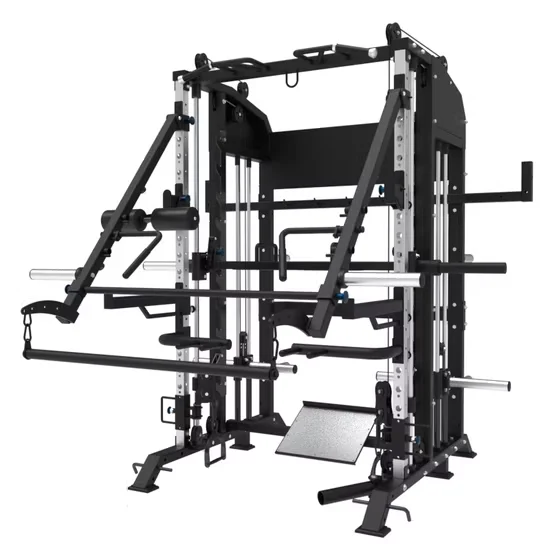
![Commercial Multi-Functional Smith Machine Cable Crossover Power Rack [WARN] draft identifier mismatch](https://bicksport.com/wp-content/uploads/2026/08/commercial-multi-functional-smith-machine-cable-crossover-power-rack-warn-draft-identifier-mismatch-7605dc.webp)
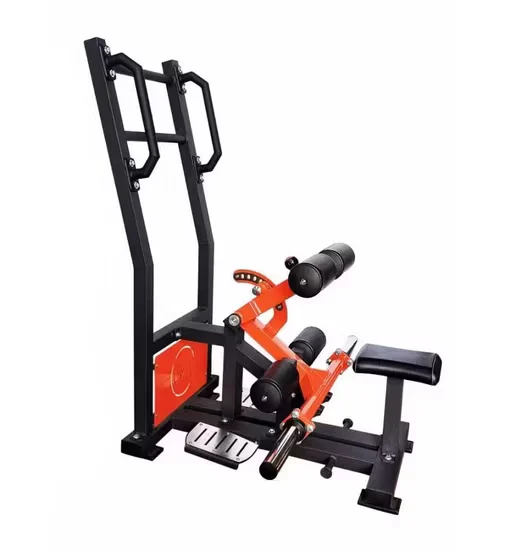
![Senrui Fitness Commercial Multi Function Gym Machine 8 Station [WARN] draft identifier mismatch](https://bicksport.com/wp-content/uploads/2026/08/senrui-fitness-commercial-multi-function-gym-machine-8-station-warn-draft-identifier-mismatch-157554.webp)