![Commercial Seated Triceps Extension Machine Gym Equipment [WARN] draft identifier mismatch](https://bicksport.com/wp-content/uploads/2026/08/commercial-seated-triceps-extension-machine-gym-equipment-warn-draft-identifier-mismatch-dfc083.webp)
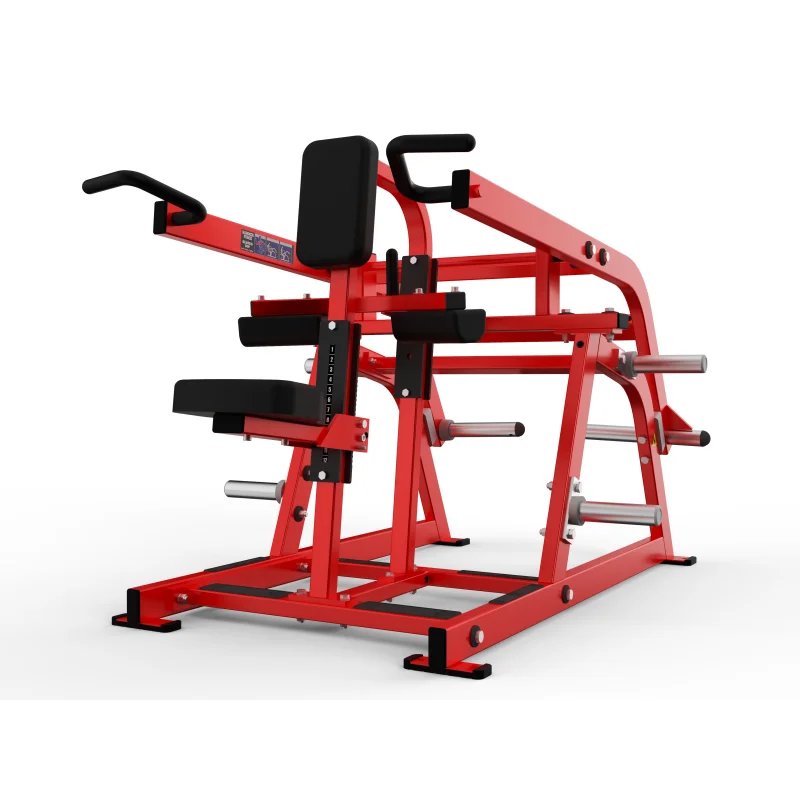
Structural Resilience — Steel frame engineered to withstand high-frequency use cycles in professional facilities, ensuring long-term performance integrity.
Technical Specifications
| Parameter | Value |
|---|---|
| Designation | 5077 |
| Product Type | Seated Triceps Extension Machine |
| Exercise Part | Arm |
| Material | Steel |
| Product Dimensions | 135513301410mm |
| Net Weight | 92kg |
| Main Frame Color | Available according to customer requirements |
| Cushion Color | Available according to customer requirements |
| OEM/ODM | Acceptable |
| Appliance | Community, Gymnasium |
| Fit Area | Professional Gym and Club |
| Type | Integrated Gym Trainer |
| Certification | ISO 9001, CE |
| HS Code | 950691190 |
| Production Capacity | 500 PCS/Month |
Application Suitability
| Deployment Scenario | Typical Use |
|---|---|
| Chain gym strength zone | High-frequency arm isolation training during peak hours |
| Community fitness center | Shared equipment accommodating varied fitness levels |
| Corporate wellness room | Compact footprint for employee strength conditioning |
| Professional sports training facility | Targeted triceps development for athletic performance |
| Boutique fitness studio | Specialized equipment complementing functional training areas |
Why Frame Integrity Determines Equipment Lifespan
Weld quality and tube thickness separate commercial survivors from premature replacements.
In commercial environments, strength equipment endures repetitive loading cycles that expose structural weaknesses within months. Facilities replacing machines due to cracked welds or frame deformation face not just equipment costs but member dissatisfaction and floor space gaps. [NEED_CITE: structural fatigue testing standards for commercial strength equipment]
The commercial seated triceps extension machine addresses these failure points through steel construction and reinforced welding at stress concentration zones. Frame stability under continuous loading determines whether equipment serves five years or five months in high-traffic deployments.
Positioning Within Strength Training Zones
This equipment targets triceps isolation through controlled extension movements, complementing compound pressing equipment in comprehensive strength areas. The seated configuration accommodates users across experience levels while maintaining consistent movement patterns. In facility layouts, this machine occupies dedicated isolation zones alongside other single-joint equipment, serving members seeking targeted arm development without the complexity of free weight triceps work.
Operational Demands and Facility Requirements
Commercial strength equipment operates under continuous loading cycles that demand structural endurance and minimal maintenance intervals. [NEED_CITE: duty cycle classifications for commercial gym equipment] The 5077 requires level flooring with adequate clearance for user entry and weight stack access. Ventilation considerations apply to surrounding equipment density rather than heat generation from this manually-operated machine. Facilities planning deployment must account for user traffic flow and adjacent equipment spacing to prevent congestion during peak training hours.
Decoding the Engineering Specifications
The steel frame construction addresses the fundamental requirement for structural stability under repetitive loading. Material selection and tube dimensions determine how equipment handles stress accumulation across thousands of use cycles. Cushion density and upholstery materials directly impact user comfort during extended training sessions and long-term durability against wear and compression. The weight stack guidance system and cable routing precision influence movement smoothness and joint safety throughout the exercise range. These specifications collectively determine whether equipment maintains performance consistency or develops the play and friction that drives member complaints and maintenance calls.
The Cost of Specification Compromises
Facilities accepting lighter frame gauges discover structural failures within warranty periods, requiring complete unit replacement rather than component repair. Cushion materials that compress prematurely generate comfort complaints and visible degradation that signals equipment neglect to members. Weight stack systems with inadequate guidance precision develop cable wear and jerky movement patterns that compromise training quality and joint safety. [NEED_CITE: failure modes in commercial strength equipment components] These compromises accumulate into member attrition and operational costs that exceed initial procurement savings.
Why This Product Line Delivers
The manufacturing facility operates under ISO 9001 certification with vertical integration from frame fabrication through final assembly. OEM and ODM capabilities extend to frame color, cushion color, and brand identification, supporting facility visual consistency requirements. The production capacity accommodates both single-unit specialty orders and multi-container deployments for chain rollouts. Technical support availability ensures rapid response to operational questions or component inquiries. The six-series cardio and strength equipment family enables comprehensive facility sourcing from unified manufacturing standards.
Documentation & Test Records
- CE declaration of conformity covering mechanical safety requirements
- EN 957 test report validating commercial strength equipment standards
- ISO 9001 certificate confirming quality management system compliance
- Material specification sheets documenting steel grade and tube dimensions
- Cushion density and upholstery durability test records
- Assembly and installation guide with torque specifications
Installation, Commissioning & Maintenance
- Position on level flooring with minimum clearance for weight stack access and user movement
- Verify all frame bolts and cable connections after initial assembly and first week of use
- Inspect cable routing and weight stack guidance monthly for wear or misalignment
- Clean upholstery with appropriate cleaners to prevent sweat degradation and staining
- Lubricate weight stack guide rods according to usage frequency and environmental conditions
- Check cushion mounting hardware quarterly to prevent loosening from vibration
Equipment Selection and Deployment Planning
Facilities planning strength zones should provide floor area dimensions and equipment lists to receive 3D layout recommendations addressing traffic flow and spacing requirements. Specifying expected daily usage volume helps match equipment construction to operational demands. Indicating deployment environment characteristics confirms appropriate finish and material selections. Communicating target market requirements ensures documentation and certification alignment with local regulations.
Frequently Asked Questions
Q: What distinguishes commercial strength equipment from residential versions?
A: Commercial equipment uses heavier frame gauges, higher-density cushion materials, and reinforced connection points designed for continuous multi-user operation. Residential equipment optimizes for cost and space efficiency with lighter construction suitable for single-household use patterns. The structural differences become apparent within months when residential equipment faces commercial loading cycles.
Q: How does frame construction affect long-term equipment reliability?
A: Frame tube thickness and welding quality determine structural endurance under repetitive loading. Thinner materials and inadequate weld penetration lead to cracking and deformation at stress concentration points. Commercial facilities require frames that maintain dimensional stability across thousands of use cycles without developing play or misalignment that compromises movement quality.
Q: What customization options are available for facility branding consistency?
A: OEM and ODM services cover frame color selection, cushion color and material choices, and brand identification placement. This enables facilities to maintain visual consistency across equipment purchases and align with corporate identity standards. Customization scope and minimum order requirements should be confirmed during the inquiry process.
Q: What maintenance intervals should facilities plan for strength equipment?
A: Daily cleaning protocols address hygiene and prevent corrosive sweat accumulation on surfaces. Monthly inspections should verify cable condition, weight stack operation, and hardware tightness. Quarterly maintenance includes comprehensive hardware checks, lubrication of moving components, and cushion condition assessment. Maintenance frequency scales with usage intensity and environmental conditions.