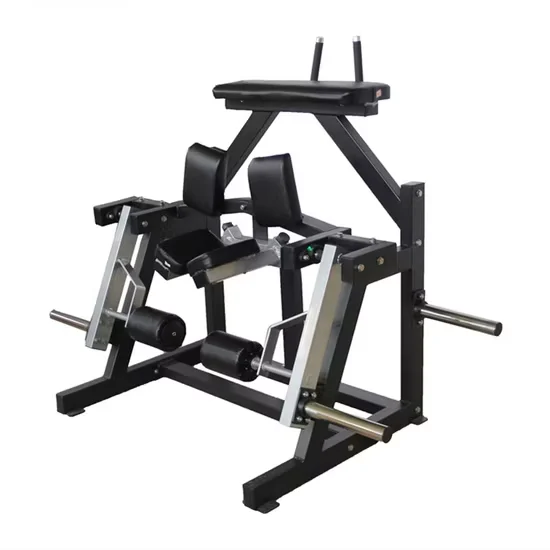
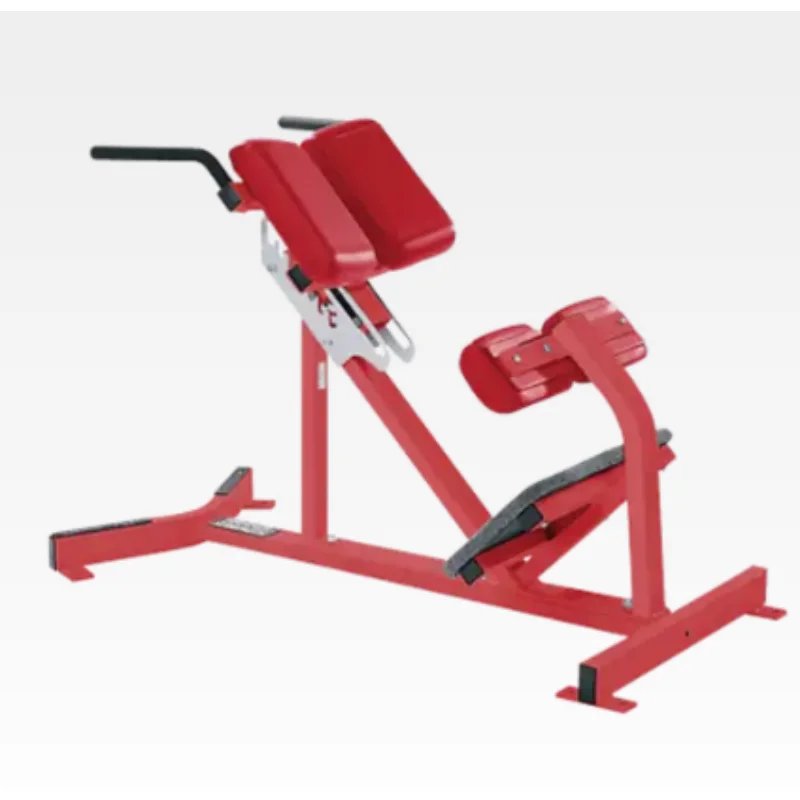
Continuous Welded Frame — 1615mm steel adjustable bench engineered for high-traffic free weight zones requiring stable, multi-angle training platforms.
Technical Specifications
| Parameter | Value |
|---|---|
| Product Type | Adjustable Bench |
| Material | Steel |
| Product Dimensions | 16155601450mm |
| Net Weight | 38kg |
| Certification | ISO 9001, CE |
| OEM/ODM | Available |
| Production Capacity | 500 PCS/Month |
| Age Group | Adult |
| Gender | Unisex |
Application Suitability
| Deployment Scenario | Typical Use |
|---|---|
| Professional gym and club free weight zones | Bench press, incline press, and dumbbell work under continuous member rotation |
| Community fitness center strength areas | Multi-angle pressing and seated exercises across diverse user demographics |
| Corporate wellness facility training floors | Low-maintenance bench and dumbbell stations for employee fitness programs |
What Frame Warping Reveals About Light-Duty Bench Failures
A 38kg steel frame with reinforced welding maintains structural rigidity where lighter benches deform under repeated heavy loading.
Facility managers replacing benches every few months rarely trace the problem back to steel grade or weld quality. The pattern is predictable: a bench rated for home or light-commercial use enters a 24/7 gym floor, absorbs hundreds of load cycles per week from users exceeding its design envelope, and begins to show frame flex at the adjustment joints. Members notice the wobble during heavy presses and move to the next station. Maintenance logs fill with tightening requests that never fully resolve. [NEED_CITE: steel frame fatigue failure patterns in commercial strength equipment] The commercial adjustable bench fitness equipment category demands construction that absorbs repeated heavy loading without progressive deformation.
Positioning This Bench Within a Commercial Free Weight Zone
The commercial adjustable bench fitness equipment fills the core pressing and dumbbell training position in any strength area. It pairs with Olympic racks, dumbbell racks, and plate-loaded machines to complete a functional free weight circuit. Multi-position adjustment supports flat, incline, and decline angles, accommodating exercises from heavy barbell presses to seated shoulder work. The 1615mm length provides adequate clearance for users across a broad height range while fitting standard rack spacing. This bench handles the volume of a high-traffic zone where members cycle through stations rather than occupying a single unit for extended sessions.
Continuous Operation Demands and Floor Deployment Requirements
A bench in a busy free weight zone absorbs constant loading, repositioning, and impact from weight plates being set down. The non-slip rubber feet must grip commercial rubber flooring while protecting the surface from scuff marks during adjustment. [NEED_CITE: commercial gym flooring load and friction requirements for strength equipment] Facility planners should allocate sufficient clearance around each bench position for safe plate loading and spotter movement. The 38kg net weight provides enough mass to resist shifting during use while remaining movable for floor cleaning and layout reconfiguration. Proper leveling on the deployment surface prevents rocking that accelerates weld stress at the adjustment mechanism mounting points.
Steel Grade, Weld Quality, and Adjustment Mechanism Durability
The steel frame construction determines how the bench responds to repeated heavy loading over months of continuous use. Reinforced welding at stress concentration points — particularly where the adjustment mechanism mounts to the main frame — prevents the progressive cracking that plagues underbuilt units. Multi-position locking pins must engage securely at each angle to eliminate the play that creates member safety concerns during heavy incline presses. Heavy-duty padding with commercial-grade vinyl covering resists the sweat saturation, repeated sanitization, and abrasion that degrades lighter upholstery within weeks. The combination of frame mass, weld integrity, and covering durability defines whether a bench survives its first year on a commercial floor or joins the replacement cycle.
The Hidden Costs of Specifying Below Commercial Grade
Benches purchased on price alone reveal their true cost through replacement frequency and member complaints. Light-duty frames that flex under load create the perception of instability that drives experienced lifters toward competing facilities. Padding that compresses permanently within months exposes the frame beneath, creating an uncomfortable training surface that members avoid. [NEED_CITE: member retention correlation with strength equipment condition in commercial facilities] Vinyl covers that crack under sanitization chemicals absorb moisture and develop the odor that prompts management to pull units from the floor prematurely. Each early replacement represents not just equipment cost but the labor of swapping units and the revenue lost while a station sits empty awaiting delivery.
Why This Adjustable Bench Line Holds Up on Busy Floors
The 38kg steel frame carries enough mass to remain stable during aggressive repositioning without requiring members to fight the unit into place. Every bench passes structural load testing before leaving our Shandong facility, where the QC department verifies weld integrity at the adjustment mechanism mounting points. The OEM/ODM capability extends to frame color, vinyl selection, and logo application, letting facilities match equipment to their brand environment. Our engineering team provides 3D free weight zone layouts that account for bench footprint, rack spacing, and member circulation paths — the same planning discipline we apply to cardio installations. Documentation packages arrive with each shipment covering assembly procedures, inspection schedules, and replacement part specifications.
Documentation & Test Records
- CE declaration of conformity confirming European market safety compliance for this bench model
- EN 957 test report validating structural load and stability requirements
- ISO 9001 certificate covering manufacturing quality management processes
- Durability test record documenting repeated load cycle performance
- Weld quality inspection and structural load testing documentation
- Spare parts list with adjustment mechanism and padding replacement specifications
Installation, Commissioning & Maintenance
- Verify floor leveling at each bench position to prevent rocking stress on the 1615mm steel frame
- Confirm rubber feet contact fully on flooring surface to prevent frame shift during heavy use
- Inspect all locking pins at each adjustment position before opening the bench to member use
- Schedule monthly weld inspection at adjustment mechanism mounting points for early crack detection
- Clean vinyl covering with facility-approved sanitizers to prevent chemical degradation of the surface
- Check locking pin engagement tightness quarterly and replace worn pins before they develop play
Equipment Selection and Facility Planning Inquiry
Provide your free weight zone dimensions and current equipment list so we can generate a 3D layout showing bench placement, rack spacing, and member flow paths. Specify expected daily usage volume and user demographics to confirm this frame specification matches your operational demands. Indicate whether OEM customization including frame color, vinyl selection, and logo application is required for your facility branding. Share any documentation requirements your procurement process demands so we prepare the complete package with your shipment.
Frequently Asked Questions
Q: What steel grade and frame thickness ensure commercial durability?
A: Commercial bench frames require structural steel with adequate wall thickness to resist deformation under repeated heavy loading. The critical specification is not just material grade but weld quality at stress concentration points where the adjustment mechanism mounts to the main frame. Request structural load testing documentation that demonstrates the frame maintains rigidity through the load cycles representative of continuous facility operation rather than single-instance static testing.
Q: How does the adjustment mechanism maintain safety under heavy loads?
A: Secure locking pins must engage fully at each angle position without rotational play that creates instability during loaded exercises. The mechanism design should distribute force across multiple contact points rather than concentrating stress on a single pin. Facilities should inspect pin engagement tightness on a scheduled basis and replace components that develop wear before they compromise the secure positioning members depend on during heavy pressing movements.
Q: What padding density prevents bottoming out during heavy presses?
A: Adequate padding density prevents users from feeling the steel frame beneath the surface during loaded exercises. Commercial-grade padding must maintain its compression resistance through thousands of loading cycles without permanent deformation that exposes the frame structure. Facilities should request density specifications and compression test data that demonstrate the padding retains its protective function throughout the expected service life of the bench on a busy training floor.
Q: How does vinyl quality affect sanitation and long-term appearance?
A: Commercial vinyl must withstand repeated chemical sanitization without cracking, peeling, or losing its surface integrity. Inferior vinyl absorbs moisture through micro-cracks that develop under cleaning chemicals, leading to padding saturation and odor development. Request tear resistance and chemical exposure test data that confirm the covering material maintains its protective barrier function through the sanitization frequency your facility maintenance protocol requires.
Q: What load testing validates the bench for commercial gym use?
A: Validation requires cyclic loading that simulates actual facility use patterns rather than single static load applications. The testing protocol should document frame deflection measurements, weld integrity inspections, and adjustment mechanism function after load cycles representative of months of continuous member use. Request complete test records including cycle count, applied load values, and post-test inspection results that demonstrate the bench specification meets commercial deployment demands.
![Professional Plate Loaded ISO-Lateral Leg Curl Machine for Commercial Gyms [WARN] draft identifier mismatch](https://bicksport.com/wp-content/uploads/2026/08/professional-plate-loaded-iso-lateral-leg-curl-machine-for-commercial-gyms-warn-draft-identifier-mismatch-c75aee.webp)