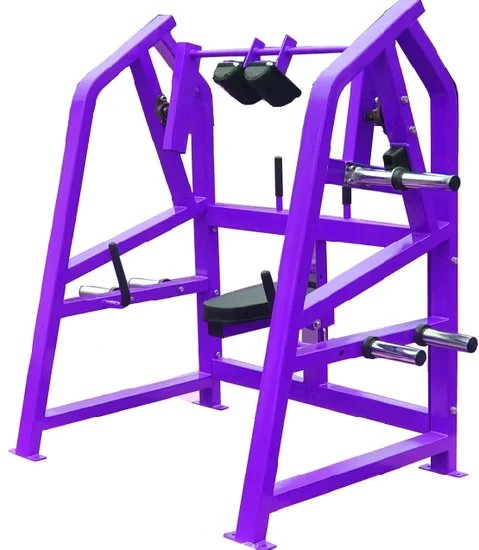
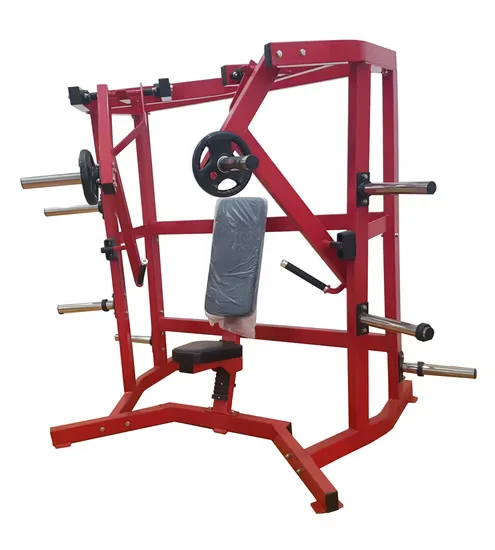
![Commercial Weight Tree Machine for Gym & Fitness Centers | OEM [WARN] draft identifier mismatch](https://bicksport.com/wp-content/uploads/2026/08/commercial-weight-tree-machine-for-gym-fitness-centers-oem-warn-draft-identifier-mismatch-9492e9.webp)
Heavy-Duty Structural Storage — 710×610×1025mm steel frame engineered to centralize plate loading zones and eliminate trip hazards across high-traffic strength areas.
Technical Specifications
| Parameter | Value |
|---|---|
| Product Type | Weight Tree / Weight Storage Rack |
| Model NO. | 5055 |
| Material | Steel |
| Product Dimensions | 710 × 610 × 1025 mm |
| Net Weight | 25 kg |
| Main Frame Color | Available per customer requirements |
| Cushion Color | Available per customer requirements |
| OEM/ODM | Acceptable |
| Fit Area | Professional Gym and Club |
| Certification | ISO 9001, CE |
| Production Capacity | 500 PCS/Month |
Application Suitability
| Deployment Scenario | Typical Use |
|---|---|
| Chain gym free-weight zone | Centralized bumper plate and Olympic plate storage beside squat racks and platforms |
| Hotel fitness center strength room | Compact plate organization in limited square footage beside functional training rigs |
| Corporate wellness facility | Tidying loaded barbells and spare plates in multi-use training areas |
| Community recreation center | Durable, high-visibility storage accessible to members of varying experience levels |
| Professional sports training center | Quick-change plate access adjacent to Olympic lifting platforms and sled lanes |
Why Cluttered Plate Zones Drive Members Away Before Equipment Does
A disorganized free-weight floor costs more than any single machine failure.
Walk through any busy strength area during peak hours and you will see plates stacked against walls, wedged under benches, or piled on the floor beside racks. Members navigate around them, staff trip over them, and liability exposure climbs every time someone stumbles. We have seen facility operators invest heavily in premium commercial weight tree machine gym setups only to find members still dropping plates wherever they finish a set — because the storage point was poorly positioned or undersized for the volume of plates in circulation. [NEED_CITE: commercial gym floor layout safety standards for free-weight zones]
The 5055 addresses this with a vertical steel frame footprint that keeps plates visible, accessible, and off the floor. Its 710×610 mm base is narrow enough to tuck beside a power rack without interrupting traffic flow, while the 1025 mm height keeps the heaviest plates at waist level — reducing the bending and dragging that damages rubber flooring over time.
Positioning Within the Strength Floor Layout
This unit serves as a dedicated plate consolidation point in free-weight zones, complementing squat racks, deadlift platforms, and cable stations that generate high plate turnover. It handles Olympic plates and smaller fractional plates across a vertical arrangement that keeps the floor clear. The footprint fits into the dead space between rack bays or along perimeter walls where it stays visible without blocking sightlines. The 25 kg frame weight provides stability under full loading without requiring floor anchoring in most installations.
Load Cycles and Placement Environment Considerations
In a busy gym, a weight tree endures hundreds of plate load-and-unload cycles daily — each one generating lateral force on the horns and base. The steel construction handles this repetitive impact, but placement matters. Positioning near humidity sources like locker room walls or unsealed concrete accelerates surface corrosion on any steel frame. Adequate clearance around the unit — at least 400 mm on each side — ensures members can load and unload without crowding. Facilities with underfloor heating should verify that the point load from a fully loaded tree does not exceed floor specifications. [NEED_CITE: steel fitness equipment corrosion resistance in high-humidity indoor environments]
Reading the Structural Specifications That Matter
The 25 kg net weight reflects the steel mass in the frame and base — a useful proxy for stability when the tree is fully loaded with plates. Lighter frames tend to tip when heavy plates are hung on upper horns while lower horns sit empty. The 1025 mm height positions the top horns within reach for most adults without requiring overhead lifting of heavy plates. The 710×610 mm footprint represents the balance between a base wide enough to resist tipping and compact enough to fit between rack bays. Surface treatment — whether powder coating or electroplating — determines how well the frame resists chipping from repeated plate contact and sweat exposure common in high-use commercial weight tree machine gym environments.
What Happens When Storage Specs Are Undersized
Facilities that cut cost on plate storage typically replace the unit within a year. Lightweight frames develop wobble as welded joints fatigue from daily plate impacts. Insufficient base width causes tipping incidents that dent flooring and injure members. Inadequate surface treatment leads to visible rust within months, undermining the premium impression a facility tries to project. We have pulled weight trees out of clubs where the horns bent downward under sustained loading — a failure mode that makes plates difficult to remove and signals neglect to every member who sees it. [NEED_CITE: structural fatigue testing standards for commercial weight storage equipment]
Why This Product Line Fits the Brief
The 5055 is built from the same steel fabrication standards applied across our cardio and strength ranges, meaning surface finish and weld quality match the rest of a facility’s equipment order. The OEM/ODM capability extends to frame color and branding, so the tree can match a club’s visual identity rather than standing out as generic black steel. Our 3D layout service covers free-weight zone planning — including plate storage positioning relative to racks, platforms, and member flow paths — ensuring the tree is placed where it actually gets used. Documentation includes EN 957 test reports and ISO 9001 certificates, giving procurement teams the compliance trail they need. Production capacity of 500 units per month supports multi-site rollouts without extended lead times.
Documentation & Test Records
- CE declaration of conformity for weight storage equipment
- EN 957 test report covering structural load and stability
- ISO 9001 certificate for manufacturing quality management
- Surface finish durability and corrosion resistance record
- Dimensional inspection and weld quality report
- Spare parts list and assembly hardware documentation
Installation, Commissioning & Maintenance
- Verify 710×610 mm footprint clearance with minimum 400 mm surrounding access space
- Level the base on flat flooring; use rubber matting beneath if the surface is uneven
- Inspect all welded horn joints for transport damage before first plate loading
- Re-torque any bolted base connections after the first 30 days of plate loading cycles
- Wipe down steel surfaces weekly with pH-neutral cleaner to prevent sweat corrosion
- Check powder coating or plated finish quarterly for chips and apply touch-up paint as needed
Scoping Your Storage Requirement
Share your free-weight zone dimensions and the total count of Olympic and fractional plates in circulation so we can model placement within the 3D floor layout. Specify whether the unit will sit on rubber matting, bare concrete, or raised flooring to confirm base compatibility. Indicate your target market and any frame color or branding requirements for OEM customization. Note the humidity profile of the installation environment — particularly if the strength room adjoins a pool hall or steam area — so we can advise on surface treatment selection.
Frequently Asked Questions
Q: What structural differences separate a commercial weight tree from a home-grade storage rack?
A: Commercial units use heavier-gauge steel and reinforced welds at every horn junction to withstand hundreds of daily plate impacts. Home racks typically use thinner tubing that develops fatigue cracks and wobble within months of heavy use. The base footprint on commercial trees is wider to prevent tipping under full loading, and surface treatments are rated for sustained sweat and humidity exposure in shared facilities.
Q: Which surface finish options are available, and how do they affect durability?
A: Powder coating provides a thick, chip-resistant layer that handles repeated plate contact and is available in custom colors to match facility branding. Electroplating offers a harder metallic finish with strong corrosion resistance but limits color options. Both protect the underlying steel, but powder coating is generally preferred in high-humidity environments because it seals more completely against moisture penetration at weld seams.
Q: What can be customized under OEM/ODM, and what is the minimum order?
A: Customization covers main frame color, cushion color if applicable, logo placement, and dimensional adjustments to horn spacing or base width. The MOQ is flexible and discussed during quotation based on the scope of changes. Standard color matching to existing equipment orders is typically included without additional tooling cost, while structural dimension changes may require new jigging depending on volume.
Q: How should plate storage positioning be planned within a strength zone layout?
A: Place trees within two to three steps of the primary loading points — squat racks, platforms, and sled lanes — so members naturally return plates rather than leaving them on the floor. Avoid positioning in high-traffic walkways or near entry points where they create bottlenecks. A 3D floor plan helps verify sightlines so staff can monitor plate return compliance from the front desk or training floor.
Q: Which quality certifications should procurement verify when sourcing commercial storage equipment?
A: Request CE conformity declarations and EN 957 test reports specific to weight storage or general strength equipment categories. ISO 9001 certification confirms the manufacturer operates a documented quality management system across fabrication and inspection. Ask for weld inspection records and load test documentation to confirm each batch meets the structural claims in the product specification sheet.