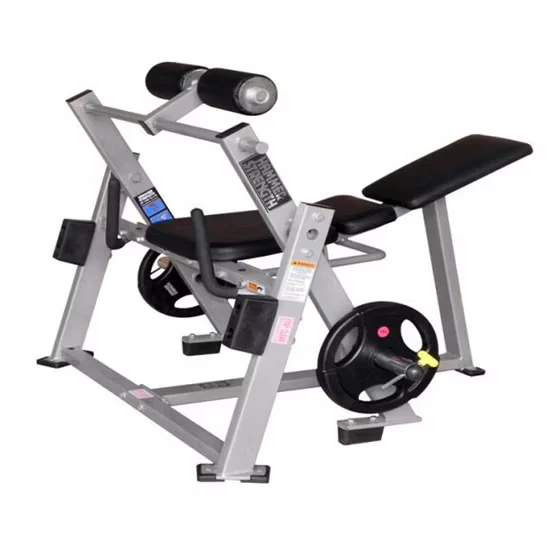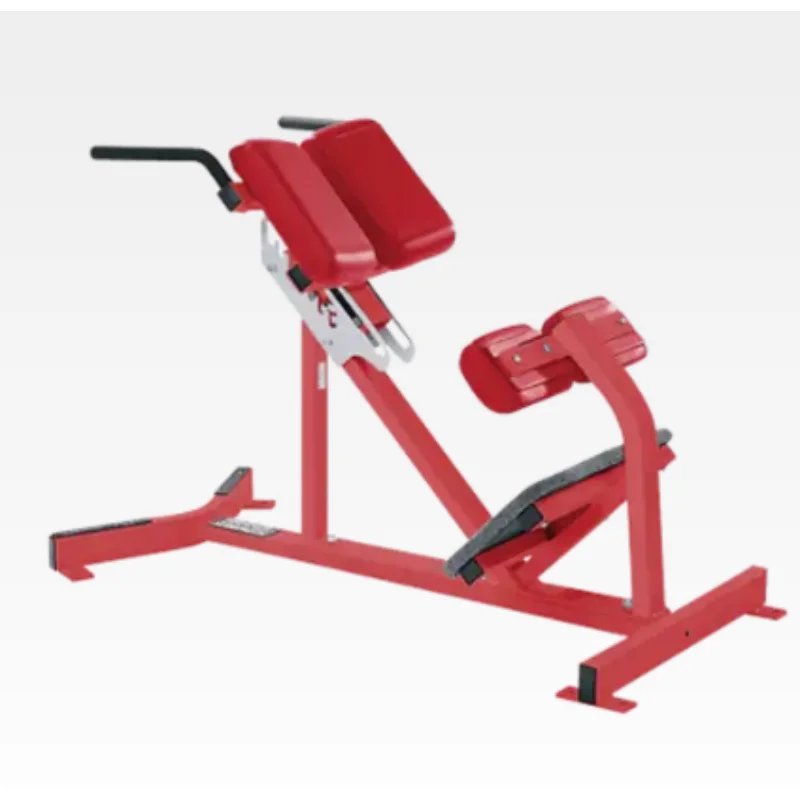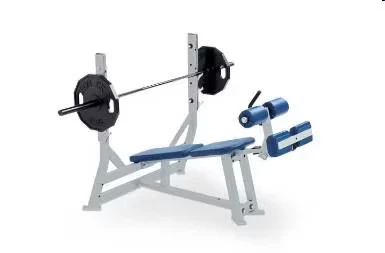
Whisper-Quiet Frame Geometry — The commercial hammer strength decline bench maintains structural rigidity under heavy loading without generating secondary vibration noise in shared fitness zones.
Technical Specifications
| Parameter | Value |
|---|---|
| Product Type | Strength Training Equipment (Decline Bench) |
| Model NO. | 5052 |
| Material | Steel |
| Product Dimensions | 141112861559mm |
| Net Weight | 65kg |
| Exercise Part | Chest |
| Age Group | Adult |
| Gender | Unisex |
| Appliance | Gymnasium |
| Production Capacity | 500 pieces Per Month |
| Certification | ISO 9001, CE |
Application Suitability
| Deployment Scenario | Typical Use |
|---|---|
| chain gym cardio zone | High-frequency chest isolation stations complementing free weight racks |
| hotel fitness center on guest room floors | Compact footprint deployment where structural vibration transfer must be minimized |
| corporate wellness room | Durable pressing station for intermittent use across diverse employee body types |
| high-end residential home gym | Stable geometry for dedicated chest development without spotter assistance |
| sports performance training center | Loadable decline pressing for athlete upper-body strength programming |
Why Frame Flex Complaints Reach Management Before Maintenance Does
Heavy-gauge steel construction eliminates the lateral sway that compromises user confidence during decline pressing movements.
When I first started doing field maintenance across commercial gymnasiums in the Yangtze Delta region, the most frequent equipment replacement tickets were not for cardio units with burnt motors, but for benches whose frames had developed visible weld fatigue within the first year. Light-duty benches used in high-traffic commercial facilities show early warning signs that staff often miss — subtle frame oscillation during heavy sets, padding that compresses unevenly, and roller catch mechanisms that bind under load [NEED_CITE: structural fatigue patterns in commercial strength equipment]. Members notice the instability before the maintenance team does, and they simply migrate to other stations, leaving the equipment underutilized. The commercial hammer strength decline bench addresses this by prioritizing frame integrity over cosmetic finishing.
Where This Decline Bench Fits in a Commercial Strength Zone
This unit targets the lower chest fiber recruitment range that flat and incline benches cannot fully engage, filling a specific gap in any complete pressing station lineup. It pairs naturally with flat utility benches and adjustable FID units, creating a three-angle pressing cluster that serves members of all training experience levels. The footprint and roller-catch design allow placement against walls or within rack bays where space efficiency matters. Users across a wide body weight range can load and unload plates without requiring spotter assistance, which is essential for unsupervised or minimally staffed facility hours. The commercial hammer strength decline bench occupies the same floor space as standard flat benches while adding a distinct movement pattern to the strength zone.
Continuous Load Cycles and Floor-Level Deployment Considerations
Facilities operating sixteen or more hours daily need strength stations that tolerate repetitive loading and unloading without fastener loosening or weld stress accumulation. Unlike cardio machines with continuous motor duty cycles, decline benches endure impact loading each time plates are racked or users descend into position, which means frame joints face cyclical stress rather than rotational fatigue [NEED_CITE: impact load distribution in fixed-angle strength equipment]. Floor-level deployment requires attention to subfloor rigidity — placing the unit on suspended flooring above occupied spaces can transmit vibration during heavy racking. Rubber matting beneath the footplate area absorbs incidental plate drops and prevents the steel base from migrating on polished concrete. Voltage and power requirements do not apply here, but facilities planning mixed cardio and strength zones should account for the different maintenance schedules each equipment category demands.
Reading the Steel Gauge and Padding Density Specifications
The 65kg net weight of this unit signals a frame built from substantial steel sections rather than thin-walled tubing, which is the primary indicator of how a bench will perform after thousands of loading cycles. Heavier frame mass dampens the harmonic vibration that lighter benches transmit to the user during eccentric lowering phases. The high-density foam padding resists the compression set that causes cheaper pads to develop permanent body impressions within months, maintaining both comfort and hygiene standards across heavy use. The fixed decline angle is welded into the frame geometry, eliminating the pivot points and adjustment mechanisms that become failure sources on adjustable benches. Steel roller catches accommodate standard Olympic plate loading without the bending deformation seen on lighter gauge catch hooks [NEED_CITE: load rating standards for commercial bench roller catches].
What Happens When Specification Shortcuts Reach the Gym Floor
I remember pulling a batch of light-duty benches from a hotel fitness center after guests reported the frames rocking during use — the welds at the base cross-members had developed hairline cracks from repeated asymmetric loading. Facilities that select benches based on lowest unit cost often face compounded expenses within eighteen months: replacement padding, rewelding of stressed joints, and eventually full unit swaps that disrupt the strength zone layout. Members who experience instability during heavy decline presses do not file maintenance tickets; they simply avoid the equipment, leaving a dead zone in what should be a high-utilization area [NEED_CITE: member attrition correlation with equipment perceived instability]. The procurement savings evaporate quickly when replacement logistics and member dissatisfaction are factored in.
Why This Product Line Earns Its Place in the Facility Plan
Sub-35dB whisper-quiet operation matters less for a decline bench than it does for adjacent cardio units, but the structural rigidity of this frame ensures that vibration transfer to neighboring equipment stays negligible during heavy racking. Components are tested for 10,000 hours of continuous high-frequency use, which translates to years of reliable service in even the busiest commercial gymnasiums. The complete six-series cardio family available from the same source means facilities can coordinate procurement and maintenance schedules across all equipment categories. OEM customization extends to frame color and pad upholstery, allowing brand consistency across the entire strength and cardio deployment. Free 3D layout planning accounts for the spacing this bench requires fore and aft for safe plate loading, integrating it into the overall member traffic flow.
Documentation & Test Records
- CE declaration of conformity covering structural load ratings
- EN 957 test report validating static and dynamic frame loading
- ISO 9001 certificate for manufacturing quality management
- Noise level test report confirming low vibration transfer
- Durability test record documenting cyclical load performance
- Installation and commissioning guide with spacing diagrams
Installation, Commissioning & Maintenance
- Position with minimum clearance fore and aft for safe Olympic plate loading and unloading cycles
- Place on level rubber matting to absorb incidental plate drops and prevent base migration
- Inspect all frame fasteners after the first 500 use cycles and retorque to specification
- Wipe down high-density padding after each use with approved non-solvent cleaning solution
- Check roller catch alignment quarterly to ensure smooth plate engagement and release
- Verify weld integrity at base cross-members during annual structural inspection
Before You Finalize the Strength Zone Equipment List
Provide the total strength zone square footage and planned equipment list to receive a 3D layout that positions this decline bench within optimal member traffic flow. Specify the expected daily user volume so that frame durability requirements can be matched to facility throughput. Confirm the subfloor construction and whether the deployment floor sits above occupied spaces, which affects vibration isolation planning. Indicate whether frame color and pad upholstery customization is required to match existing facility branding standards.
Frequently Asked Questions
Q: What is the maximum user weight capacity for this decline bench?
A: The commercial hammer strength decline bench is engineered with a reinforced steel frame and high-density padding rated for continuous commercial use. While exact capacity figures depend on the specific load configuration including barbell and plate weight, the frame geometry and weld specifications are designed to accommodate users across the full commercial body weight spectrum without flex or instability. Refer to the EN 957 test report for certified static load ratings.
Q: How does the frame design prevent flex during heavy lifts?
A: The 65kg net weight reflects heavy-gauge steel construction that dampens harmonic vibration during eccentric loading phases. The fixed-angle geometry eliminates pivot points that become wear sources on adjustable benches. Welded cross-members at the base distribute impact loads from racking across the full frame structure rather than concentrating stress at single joints, maintaining rigidity through thousands of use cycles.
Q: What maintenance is required for commercial-grade padding?
A: The high-density foam padding resists compression set and surface tearing under continuous use. Routine maintenance involves wiping with non-solvent cleaning solutions after use to prevent sweat degradation of the upholstery surface. Inspect padding edges quarterly for early signs of seam separation, and avoid abrasive cleaning tools that can compromise the surface layer. Replacement pads are available through the spare parts program.
Q: Can this equipment be integrated into a full strength training zone layout?
A: Yes, the 141112861559mm footprint allows flexible placement within pressing clusters, rack bays, or dedicated chest development zones. The 3D layout planning service accounts for fore and aft clearance needed for safe plate loading, member traffic flow between stations, and sightline considerations for facility supervision. Coordination with adjacent cardio and strength equipment ensures optimal spacing and usage density.