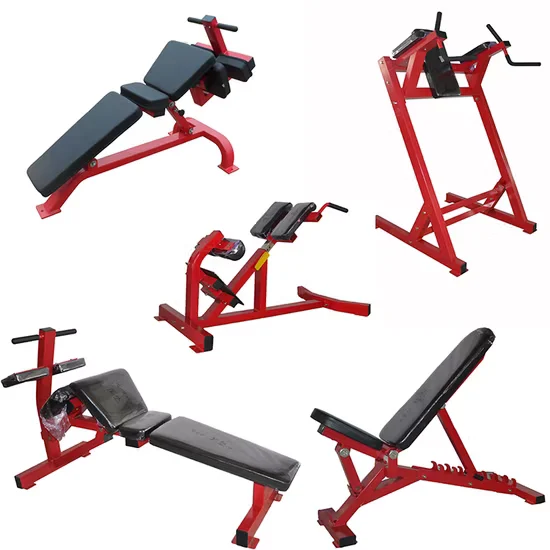
Steel Frame Durability — Commercial adjustable bench construction verified through high-frequency load testing for professional facility deployment.
Technical Specifications
| Parameter | Value |
|---|---|
| Product Type | Adjustable Bench |
| Exercise Part | Arm |
| Material | Steel |
| Product Dimensions | 1615 × 560 × 1450 mm |
| Net Weight | 38 kg |
| Main Frame Color | Available per customer requirements |
| Cushion Color | Available per customer requirements |
| Fit Area | Professional Gym and Club |
| Appliance | Community, Gymnasium |
| Age Group | Adult |
| Gender | Unisex |
| OEM/ODM | Acceptable |
| Transport Package | Plywood Box |
| Production Capacity | 1000 PCS/Month |
| Certification | ISO 9001, CE |
Application Suitability
| Deployment Scenario | Typical Use |
|---|---|
| Chain gym free-weight zone | Adjustable positioning for dumbbell and barbell pressing movements |
| Hotel fitness center | Multi-angle strength training for guests with varied fitness levels |
| Corporate wellness room | Compact adjustable bench for upper body routines in limited space |
| Community fitness center | Durable steel frame supporting high-frequency member turnover |
| Professional sports training center | Stable platform for targeted arm and shoulder training protocols |
Why Facility Managers Replace Residential Benches Within Six Months
Commercial duty cycles expose light-duty frame joints and thin cushion padding within weeks of continuous use.
When a residential-grade adjustable bench lands on a commercial gym floor, the failure points appear in a predictable sequence. The adjustment pin mechanism develops play after hundreds of daily repositions, the cushion compresses unevenly, and the steel tubing shows fatigue cracking near weld joints. I have seen hotel fitness centers pull entire bench sets from the floor after guest complaints about wobbling during inclined presses [NEED_CITE: commercial bench structural fatigue patterns under high-frequency use]. A commercial adjustable bench strength equipment specification demands steel frame thickness and weld penetration that survive this operational tempo.
Positioning This Bench in a Free-Weight Training Zone
This adjustable bench anchors the dumbbell and barbell pressing area where members cycle through flat, incline, and decline positions during a single session. It complements flat utility benches, power racks, and plate-loaded machines by providing adjustable back support for isolation movements. The 1615 mm length and 560 mm footprint allow tight spacing in high-density free-weight zones while maintaining safe clearance for spotter access. Users up to the maximum load capacity can perform pressing, fly, and row variations without frame deflection. This commercial adjustable bench strength equipment unit fits facilities that need reliable positioning hardware without electronic complexity.
Deployment Environment and Daily Use Intensity
Facilities running sixteen or more operating hours daily need bench frames that resist cumulative stress at every adjustment joint. The steel construction handles continuous repositioning without developing mechanical slop in the pin-and-hole mechanism. Floor mounting considerations include level concrete substrates and rubber matting to prevent frame creep during heavy loading sessions. In hotel fitness centers on guest room floors, the 38 kg unit weight provides stability without requiring permanent anchoring [NEED_CITE: equipment stability requirements for elevated floor installations]. Ambient temperature and humidity in the deployment space affect cushion material longevity, particularly in tropical climate installations without continuous climate control.
Interpreting the Steel Frame and Adjustment Specifications
The 38 kg net weight reflects steel tubing gauge and wall thickness chosen for commercial load paths rather than residential weight savings. Adjustable bench mechanisms use either ladder-style rung systems or pop-pin hole patterns, each presenting different wear characteristics over thousands of adjustment cycles. Steel frame weld quality at the adjustment bracket junction determines whether the bench develops lateral play under asymmetric loading during single-arm dumbbell work. The 1615 × 560 × 1450 mm envelope indicates a full-length back pad that supports head-to-hip contact during incline pressing, reducing spinal shear on shorter pads. Cushion density specifications correlate directly with how long the padding maintains shape integrity before developing permanent compression channels from repeated member use.
The Hidden Cost of Specification Compromises
Purchasing benches without verified steel grade documentation means discovering frame bending only after members report instability during heavy sets. Cushion foam rated for residential use collapses into uneven surfaces within months, generating member complaints about back support during inclined movements. Facilities that skip OEM color matching miss opportunities to integrate equipment aesthetics with interior branding, leaving generic black frames that clash with designed environments [NEED_CITE: facility branding integration through equipment customization]. Adjustable mechanisms without hardened steel pins develop elongated holes that create dangerous back-pad movement mid-set.
Why This Product Line Addresses Facility Pain Points
The steel frame construction undergoes load testing protocols that verify structural behavior under sustained commercial use patterns. OEM customization covers frame color and cushion upholstery, allowing facility operators to match corporate branding or interior design schemes without aftermarket refinishing. The complete cardio and strength equipment family means a single source supplies every zone from adjustable benches to commercial treadmill rows, simplifying procurement and spare parts logistics. Free 3D layout planning covers free-weight zone sightlines and member flow around adjustable bench positions, preventing congested traffic patterns during peak hours. Technical support availability ensures that adjustment mechanism questions or replacement cushion orders receive rapid response without extended equipment downtime.
Documentation & Test Records
- CE declaration of conformity for adjustable bench structural safety requirements
- EN 957 test report covering static and dynamic load verification
- ISO 9001 certificate documenting manufacturing quality management processes
- Steel frame material certification with grade and thickness specifications
- Cushion density and durability test records for commercial use validation
- OEM customization lead time documentation and color specification sheets
Installation, Commissioning & Maintenance
- Position the 1615 × 560 mm footprint with minimum clearance on all sides for safe loading and spotting access
- Install on level substrates with rubber matting to prevent frame sliding during heavy dumbbell exercises
- Inspect adjustment pin engagement and hole alignment before first member use to confirm secure positioning
- Schedule monthly checks of weld joints at adjustment brackets for any signs of stress cracking
- Clean cushion surfaces daily with appropriate upholstery cleaner to prevent sweat degradation and odor buildup
- Maintain OEM color finish with touch-up paint available through spare parts ordering system
Request Equipment Selection Guidance
Provide your free-weight zone square footage and planned bench count to receive a 3D layout covering equipment spacing and member traffic flow. Specify whether deployment involves elevated floors or shared-wall locations so we can confirm stability and noise transfer considerations. Indicate target market voltage and plug standards if integrating any electronic accessories with adjustable bench stations. State whether OEM frame and cushion color matching is required to align with your facility interior design specifications.
Frequently Asked Questions
Q: What construction differences separate commercial benches from residential versions?
A: Commercial adjustable bench strength equipment uses thicker steel tubing, reinforced weld patterns at stress junctions, and hardened adjustment pins designed for thousands of daily repositioning cycles. Residential benches prioritize weight savings and cost reduction with thinner gauge materials that develop mechanical play under continuous facility use.
Q: How is steel frame load capacity verified for commercial deployment?
A: Load testing applies static weights exceeding rated capacity while measuring frame deflection at critical junction points. Dynamic testing cycles the adjustment mechanism through repeated positions under load to simulate months of member use, verifying that pin engagement and weld integrity remain within tolerance specifications.
Q: What cushion material specifications matter for high-frequency commercial use?
A: High-density foam maintains shape integrity through thousands of compression cycles without developing permanent channels where members repeatedly position themselves. Commercial-grade vinyl upholstery resists sweat penetration and chemical cleaning agents used in daily facility maintenance routines without cracking or delamination.
Q: What OEM customization options are available for facility branding integration?
A: Frame powder-coat colors and cushion upholstery materials can match corporate color schemes or interior design specifications. Custom logo placement on frame end caps or cushion embroidery integrates facility branding directly into equipment surfaces without requiring aftermarket application.
Q: What maintenance schedule keeps adjustable mechanisms operating reliably?
A: Monthly inspection of adjustment pin engagement surfaces identifies wear patterns before they develop into safety concerns. Quarterly lubrication of moving contact points maintains smooth repositioning action while preventing metal-on-metal wear that elongates adjustment holes over extended service periods.
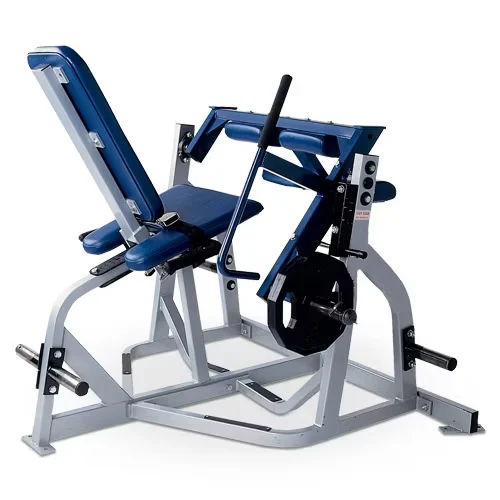
![Commercial Gym ISO-Lateral Incline Bench Fitness Equipment [WARN] draft identifier mismatch](https://bicksport.com/wp-content/uploads/2026/08/commercial-gym-iso-lateral-incline-bench-fitness-equipment-warn-draft-identifier-mismatch-a488ee.webp)