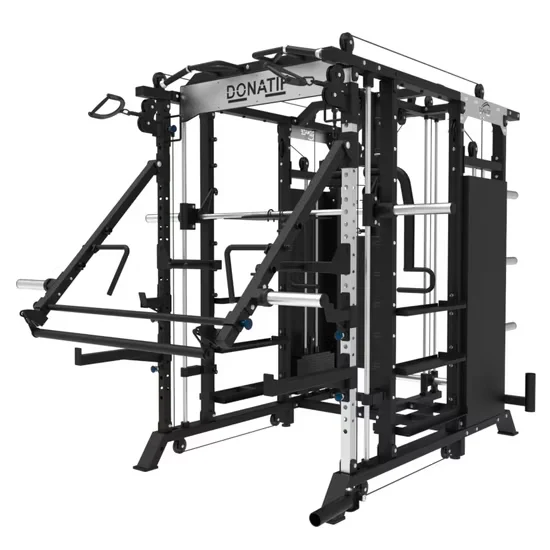
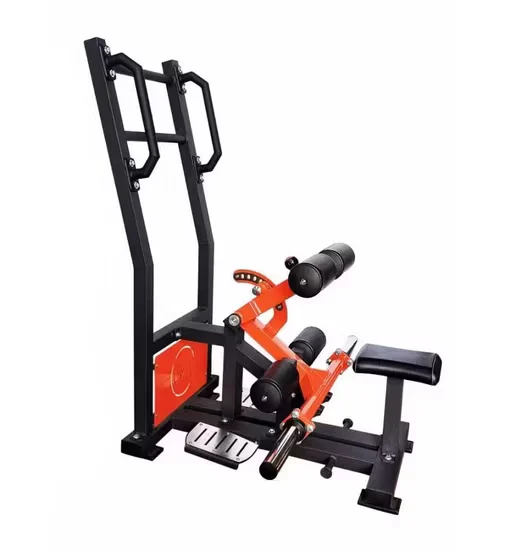
Heavy-Duty Stability — 30mm iron tube thickness engineered to withstand repetitive heavy load impacts without structural deformation or resonance transfer to surrounding flooring.
Technical Specifications
| Parameter | Value |
|---|---|
| Designation | SR-3013b |
| Product Type | Weightlifting Platform |
| Product Size | 2100 × 3100 × 30 mm |
| Material | Iron |
| Tube Thickness | 30 mm |
| Color | Customized |
| Age Group | Adult |
| Gender | Unisex |
| Certification | RoHS, ISO 9001, CE |
Application Suitability
| Deployment Scenario | Typical Use |
|---|---|
| Chain gym free-weight zone | Dedicated platform for Olympic lifts and heavy compound movements |
| Community fitness center | Multi-user strength training area with impact-absorbing surface |
| High-end residential home gym | Personal power rack and platform integration for garage or basement setups |
| Sports performance training center | Athlete testing and explosive lift programming under controlled conditions |
Why Floor Cracks Start at the Platform Edge Before Anyone Notices
A rigid base eliminates micro-movement that gradually fractures subfloor concrete over months of loaded drops.
I have walked into gym floors where hairline cracks radiated outward from platform corners — the result of thin-gauge frames that flex under uneven barbell loads and transmit point stresses into the slab below. When a weightlifter drops 180 kg onto a platform that is not perfectly level and rigid, the iron frame either absorbs the force or passes it straight through to the floor structure. The SR-3013b iron construction with 30 mm tube thickness addresses this by distributing impact across the full contact surface rather than concentrating it at corner joints. Facility operators who have replaced cracked flooring sections know that repair costs and downtime far exceed the initial investment in a commercial weightlifting platform customized size from the start [NEED_CITE: structural load requirements for commercial weightlifting surfaces].
Where This Platform Fits in a Strength Training Floor Plan
The SR-3013b occupies a dedicated footprint suited for Olympic lifting, deadlift, and heavy squat work where bumper plate drops are routine. In a well-organized strength zone, it complements adjacent power racks and functional trainers by providing a protected drop surface that keeps the surrounding rubber flooring intact. A commercial weightlifting platform customized size configuration works best in facilities where free-weight traffic is concentrated and floor protection is non-negotiable. The 2100 × 3100 mm base accommodates lifters of varying statures and stance widths without requiring repositioning between sets.
Continuous Impact Loading and Subfloor Requirements
Iron platforms transfer energy differently than layered rubber-and-wood constructions — the rigid frame requires a structurally sound concrete slab rated for point loads typical of dropped barbells. Facilities on upper floors must verify that the subfloor can handle repeated impact without transmitting vibration to occupied rooms below [NEED_CITE: vibration transmission standards for multi-story fitness facilities]. Proper leveling with shims at each corner ensures even load distribution and prevents the frame from rocking under asymmetric plate loading. Ambient humidity and sweat exposure should factor into surface treatment selection, since untreated iron will oxidize in high-moisture environments common in basement gyms or unventilated community centers.
Reading the Material Specs Behind Platform Stability
The iron construction of the SR-3013b provides a rigidity that composite platforms cannot match under sustained heavy loading. A 30 mm tube thickness means the frame members resist bending moments generated when a loaded barbell lands off-center, a scenario that causes thinner-gauge platforms to wobble or shift incrementally over time. The 30 mm deck thickness — equivalent to the tube specification — creates a solid interface between lifter and floor, reducing the "spongy" feel that makes precise foot positioning difficult during snatch or clean pulls. Iron also offers dimensional stability across temperature ranges, meaning the platform will not warp or delaminate in unheated garage gyms during winter months the way laminated wood platforms sometimes do. Customization options for color allow the surface coating to serve both aesthetic and protective functions against corrosion.
The Hidden Cost of Undersized Platform Footprints
Facilities that purchase platforms too small for their training population end up with bumper plates landing outside the protected zone, damaging the surrounding floor with every missed drop. A 2100 × 3100 mm surface accommodates the lateral spread of plates during wide-stance deadlifts and provides margin for bar path drift during high-rep Olympic lift sessions. Platforms built with tubes thinner than 30 mm tend to develop joint play within the first year of commercial use, creating audible rattling during drops and requiring fastener retorquing on a maintenance schedule that most gym operators neglect [NEED_CITE: maintenance frequency for commercial weightlifting platforms under daily use]. The compounding effect of undersized equipment shows up first as floor damage, then as member complaints about uneven surfaces, and finally as full platform replacement — a cycle that costs significantly more than specifying adequate dimensions and material thickness initially.
Why This Product Line Holds Up Under Real Facility Conditions
Biketon Sport builds cardio equipment tested for 10,000+ hours of continuous operation, and that same engineering discipline extends to how they specify structural components across their entire range. The SR-3013b iron frame undergoes the same load-cycle validation approach applied to their treadmill motors and elliptical drive systems, meaning the platform is designed for repetitive impact rather than occasional use. The OEM/ODM customization covers color, dimensions, and surface treatment — useful when a facility needs to match an existing strength zone aesthetic or fit an irregular floor plan. Their 3D layout planning service includes platform placement relative to power racks, mirror walls, and member traffic flow, ensuring the commercial weightlifting platform customized size works within the overall training environment rather than obstructing sightlines or creating congestion points.
Documentation & Test Records
- CE declaration of conformity for the SR-3013b iron platform
- ISO 9001 manufacturing process certificate
- RoHS compliance documentation for surface coatings
- Material thickness verification report for 30 mm iron tubes
- Load testing record confirming structural integrity under repeated impact
- Installation guide covering leveling and anchoring procedures
Installation, Commissioning & Maintenance
- Position the 2100 × 3100 mm platform with minimum 600 mm clearance on all sides for safe plate loading and spotter access
- Verify concrete subfloor levelness within tolerance before placing the iron frame to prevent corner lift under asymmetric loads
- Apply corrosion-resistant coating to all exposed iron surfaces if deploying in high-humidity environments or basement gyms
- Retorque all frame fasteners after the first 30 days of use, then quarterly, as iron settles under repeated impact cycles
- Inspect surface finish annually and reapply protective coating where scratches expose raw iron to moisture
Selecting the Right Platform for Your Facility
Provide your strength zone dimensions and planned equipment list so we can generate a 3D layout that positions the platform within your member traffic flow. Specify whether the installation is on a ground-floor slab or an elevated level so we can confirm subfloor load ratings. Indicate your target market humidity conditions to determine the appropriate surface treatment and corrosion protection for the iron frame. Note any color requirements to match existing gym flooring and equipment finishes.
Frequently Asked Questions
Q: What is the difference between an iron weightlifting platform and standard rubber gym flooring?
A: Standard rubber flooring absorbs some impact but compresses and shifts under heavy barbell drops, creating an unstable base for Olympic lifts. An iron platform like the SR-3013b provides a rigid, non-compressing surface that keeps the lifter stable during explosive movements. The 30 mm iron construction distributes point loads across the entire footprint rather than allowing concentrated stress that eventually damages the subfloor beneath standard tiles.
Q: How do I determine the correct platform size for my facility space?
A: Measure your available floor area and subtract clearance margins on all sides for safe plate loading, spotter positioning, and member traffic. The SR-3013b base dimensions of 2100 × 3100 mm accommodate most barbell work including wide-stance deadlifts and Olympic lifts with lateral bar drift. For facilities with multiple platforms, maintain consistent spacing to prevent congestion during peak training hours and to allow bumper plate storage nearby.
Q: What maintenance does an iron weightlifting platform require over time?
A: Inspect all frame fasteners monthly and retorque as needed, since repeated impact cycles gradually loosen threaded connections in iron assemblies. Check the surface coating for scratches or chips that expose raw iron to moisture, and touch up those areas to prevent rust formation. Wipe the platform surface after heavy-use sessions to remove chalk residue and sweat that accelerate corrosion on uncoated areas.
Q: What are the subfloor requirements for installing a heavy iron platform?
A: The concrete slab beneath the SR-3013b must be rated to handle concentrated point loads from dropped barbells without cracking. Facilities on upper floors should verify the structural load capacity with a building engineer before installation, since iron platforms transfer impact energy more directly than layered wood-and-rubber constructions. Proper leveling with shims at each frame corner prevents rocking and ensures even weight distribution across the full contact area.
Q: What is the typical lead time for customized color and size orders?
A: Lead times for customized commercial weightlifting platform orders depend on the extent of dimensional changes and surface treatment specifications requested. Standard color options within the existing coating range generally follow normal production scheduling, while non-standard dimensions requiring new frame cutting and welding patterns add fabrication time. Contact the sales team with your specific requirements to receive a confirmed delivery estimate for your project timeline.