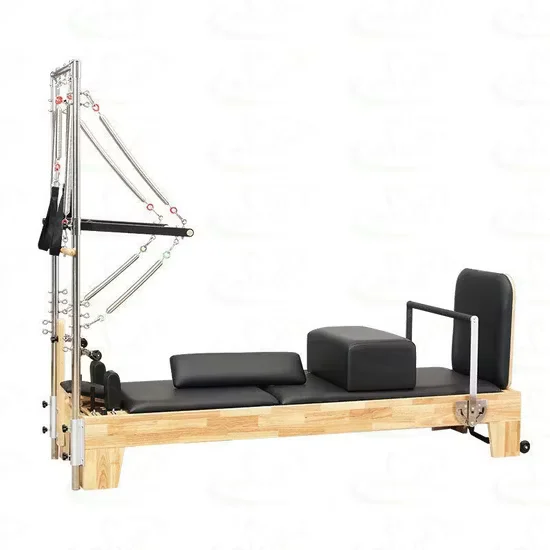
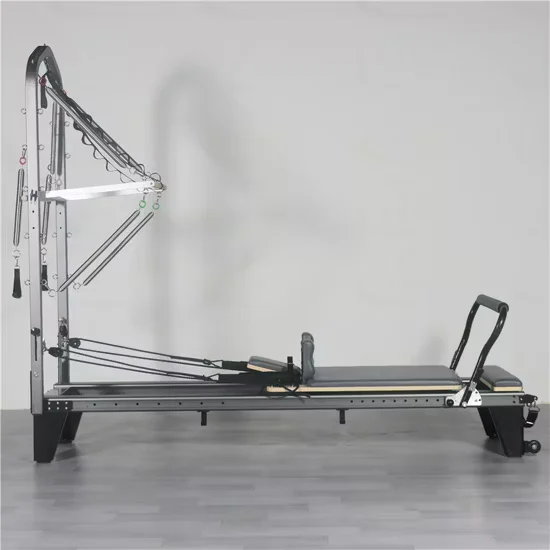
Studio-Grade Structural Integrity — Reinforced steel frame construction with 1100×770×980mm footprint validated for continuous class rotation across Pilates studio and rehabilitation facility deployments.
Technical Specifications
| Parameter | Value |
|---|---|
| Product Type | Pilates Ladder Barrel |
| Specification | 1100×770×980mm |
| Net Weight | 50kg |
| Frame Construction | Reinforced Steel |
| Finish | Solid Color, available with customized logo |
| Max User Weight | Not specified |
| Warranty | 3 Years |
| Certification | Not specified |
| Production Capacity | 800 Pieces/Month |
Application Suitability
| Deployment Scenario | Typical Use |
|---|---|
| Boutique Pilates studio | Spinal articulation and extension exercises during group class rotations |
| Yoga and movement training center | Flexibility and core activation sequences in multi-station layouts |
| Physical therapy and rehabilitation facility | Controlled range-of-motion work for patient recovery programs |
| High-end residential home gym | Daily mobility and stretching routines in compact personal spaces |
Why Frame Construction Decides Equipment Lifespan in Commercial Pilates Studios
A reinforced steel frame prevents flex and joint wear under continuous daily class schedules.
Pilates studios running back-to-back classes place sustained load cycles on ladder barrels throughout operating hours. Consumer-grade barrels built with thin-wall tubing or particle board cores degrade at weld points and hinge joints within months of commercial deployment. I’ve seen studio operators cycle through equipment replacements while trying to maintain consistent class quality [NEED_CITE: structural fatigue patterns in commercial Pilates equipment]. The SRY-04 addresses this through reinforced steel frame construction rated for high-frequency studio use, with solid-color finish and full OEM customization allowing studio branding integration without compromising structural integrity.
Positioning the Ladder Barrel Within Your Studio Equipment Layout
The SRY-04 commercial Pilates ladder barrel studio equipment serves as a dedicated station for spinal extension, flexion, and lateral bending work that reformer and chair equipment cannot replicate. In multi-station studio configurations, the barrel occupies a floor position between mat work zones and apparatus areas, allowing instructors to rotate clients through extension sequences without disrupting reformer class flow. The 1100×770mm footprint supports placement against walls or in dedicated stretching alcoves, accommodating users across typical adult height and weight ranges for Pilates practice.
Continuous Operation Demands and Studio Environment Considerations
Studio operators scheduling six to eight class rotations daily need equipment that maintains structural rigidity without frame flex or joint looseness developing over months of use. The SRY-04’s 50kg mass provides stability during dynamic barrel work without requiring floor anchoring, though level flooring remains essential for consistent barrel positioning. Studios deploying multiple barrels in shared spaces should verify ceiling height clearance accommodates the 980mm profile plus user overhead reach during extension exercises. Proper ventilation around the barrel zone prevents humidity buildup that accelerates finish degradation in high-traffic studio environments [NEED_CITE: environmental factors affecting commercial fitness equipment longevity].
Interpreting the Structural Specifications That Matter for Daily Studio Use
The 1100×770×980mm dimensions position the SRY-04 as a mid-profile barrel suitable for studios balancing equipment density with user comfort. The reinforced steel frame construction addresses the primary failure mode in commercial Pilates equipment: weld joint fatigue under repetitive loading cycles. Unlike wooden-core barrels that develop surface cracks and structural softening, steel framing maintains consistent rigidity across the ladder rungs and barrel curve. The 50kg weight reflects sufficient mass for stability during loaded extension work without requiring permanent floor mounting. Solid-color finish with OEM customization allows studios to match equipment aesthetics to interior design specifications while maintaining commercial-grade surface durability.
What Specification Compromises Cost Studios in Replacement Cycles
Studios purchasing barrels without verifying frame material specifications face predictable replacement timelines. Wooden-core and thin-wall tube construction fails at stress concentration points within twelve to eighteen months of daily commercial use, forcing equipment budget reallocation from programming to replacement. Inconsistent ladder rung spacing across cheap barrels creates user safety concerns during advanced repertoire. Finish materials not rated for sweat exposure and frequent cleaning chemical contact degrade visually, signaling equipment age to clients evaluating studio quality standards [NEED_CITE: commercial Pilates equipment replacement frequency by construction type].
Why This Product Line Addresses Studio Deployment Realities
The SRY-04 comes from a manufacturing operation with 15 years engineering cardio and studio equipment, deploying across 500+ venues and 40+ export markets. Every reinforced steel frame undergoes structural testing for continuous commercial duty cycles before leaving the Shandong facility. The three-year warranty reflects confidence in weld integrity and frame durability under high-frequency studio operation. Studios sourcing full equipment packages benefit from accessing ladder barrels, reformers, and cardio equipment through unified OEM customization covering logo, color, and branding specifications. The vertical integration from R&D lab through CNC machining to final assembly ensures specification consistency across production runs.
Documentation & Test Records
- ISO 9001 certificate covering manufacturing quality management systems
- Frame structural testing documentation for commercial duty-cycle validation
- Finish material specification sheets for chemical resistance and durability
- Welding quality inspection records for reinforced steel frame construction
- Assembly and installation guide with floor leveling requirements
Installation, Commissioning & Maintenance
- Verify floor levelness across 1100×770mm footprint before positioning to prevent frame stress
- Maintain minimum 600mm clearance on all sides for user access and instructor movement
- Inspect weld joints and ladder rung tightness quarterly under commercial use schedules
- Clean solid-color finish with pH-neutral solutions to preserve surface integrity
- Confirm customized logo application meets studio branding specifications upon delivery
- Rotate barrel position periodically to distribute wear patterns in high-traffic studio zones
Equipment Selection and Studio Layout Consultation
Provide your studio floor plan dimensions and target equipment count to receive 3D layout planning addressing barrel placement, mat zone spacing, and reformer positioning for optimal class flow. Specify daily class rotation frequency to confirm the SRY-04’s structural specifications match your operational intensity requirements. Detail your interior design color palette and branding requirements for OEM customization scoping. Identify your target market voltage standards if integrating powered equipment alongside barrels in the same facility space.
Frequently Asked Questions
Q: What frame construction is required for commercial Pilates equipment durability?
A: Commercial Pilates ladder barrels require reinforced steel frame construction to withstand continuous class rotation schedules without developing flex or joint failure. Wooden-core and thin-wall tubing alternatives degrade under daily commercial loading cycles, typically requiring replacement within twelve to eighteen months. Steel framing maintains structural rigidity across ladder rungs and barrel curves throughout extended commercial deployment.
Q: How does OEM customization work for studio branding and color matching?
A: The SRY-04 offers full OEM customization covering solid-color finish selection and logo application to match studio interior design standards. Studios specify Pantone color references and provide logo artwork files during the customization scoping phase. Customization lead times and minimum order quantities are confirmed based on the scope of branding requirements across your equipment order.
Q: What warranty coverage should commercial studios expect from Pilates equipment?
A: Commercial-grade Pilates ladder barrels should carry minimum three-year warranty coverage reflecting manufacturer confidence in structural durability under daily studio use. The SRY-04’s three-year warranty addresses frame integrity and weld joint performance throughout the coverage period. Studios should verify warranty terms specifically cover commercial duty cycles rather than residential use limitations.
Q: How to plan studio layout with ladder barrel footprint and multi-station spacing?
A: The SRY-04’s 1100×770×980mm dimensions require allocation of equipment footprint plus instructor access clearance on all sides. Studios planning multi-station layouts should position barrels in dedicated extension work zones between mat areas and reformer stations. Three-dimensional layout planning addresses barrel spacing alongside other apparatus to optimize class rotation flow and instructor sightlines.
Q: What maintenance is required for commercial-grade Pilates barrel equipment?
A: Commercial Pilates ladder barrels require quarterly inspection of weld joints, ladder rung tightness, and finish condition under daily studio use schedules. Solid-color finishes need regular cleaning with pH-neutral solutions to prevent sweat and chemical degradation. Studios should rotate barrel positions periodically to distribute wear patterns and extend equipment service life across high-traffic training environments.