
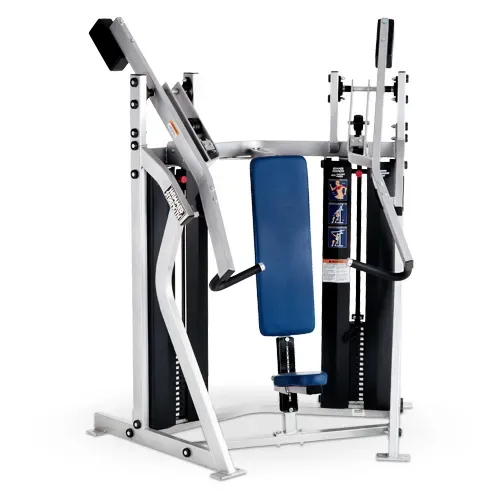
Acoustic Engineering Focus — Every pulley and bearing in this unit is specified to prevent friction-induced resonance during continuous high-frequency use.
Technical Specifications
| Parameter | Value |
|---|---|
| Designation | MTS-8013 |
| Product Type | ISO-Lateral Seated Leg Curl |
| Application | Gymnasium |
| Machine Grade | Commercial Use |
| Resistance Type | Dual Weight Stack (ISO-Lateral) |
| Weight Stack | 70 Kg X 2 Stacks |
| Product Dimensions (L x W x H) | 122 cm x 145 cm x 140 cm |
| Net Weight | 395 Kg |
| Foldable | Unfolded |
| Certification | CE, ISO, RoHS, SGS |
| Origin | China |
Application Suitability
| Deployment Scenario | Typical Use |
|---|---|
| hotel fitness center on guest room floors | Low-noise hamstring isolation for 24-hour guest access |
| chain gym cardio and strength zone | High-frequency unilateral posterior chain training |
| corporate wellness room | Compact footprint strength training for employee fitness programs |
| sports performance training center | Athlete-grade bilateral and unilateral hamstring development |
Why Weight Stack Noise Reaches the Front Desk Before the Maintenance Ticket Does
The pulley and cable system determines whether a leg curl machine stays in service or gets pulled from the floor.
When seated leg curl machines operate under continuous rep cycles in shared facilities, the friction between cable and pulley generates low-frequency vibration that travels through the frame and into the floor slab. In hotel deployments, that vibration reaches occupied rooms below, triggering noise complaints long before the maintenance team opens a work order. ISO-Lateral Seated Leg Curl commercial gym machine design must account for cable routing geometry, pulley bearing quality, and frame mass to keep operation quiet enough for mixed-use buildings.
[NEED_CITE: commercial strength equipment noise transmission standards for hotel fitness deployment]
The Role This Machine Fills on the Strength Floor
The MTS-8013 ISO-Lateral Seated Leg Curl covers the hamstring isolation niche with independent arm movement, allowing each leg to work through its own range without compensation from the stronger side. In a commercial gym layout, this unit pairs with compound leg press and deadlift platforms to complete the posterior chain training sequence. It handles high-rep hypertrophy protocols and rehabilitation loading equally, suitable for facilities with moderate to heavy daily traffic. The 395 kg machine weight keeps the frame planted during heavy eccentric contractions, and the 145 cm width fits standard equipment spacing without encroaching on adjacent machine clearance zones. This ISO-Lateral Seated Leg Curl commercial gym machine accommodates a wide range of user body sizes through adjustable pad positions and backrest angles.
Continuous Operation and the Physical Environment It Demands
A strength machine with dual 70 kg weight stacks sees hundreds of rep cycles daily in a busy gymnasium, placing sustained demand on cable integrity and pulley bearings. The 395 kg frame mass serves a functional purpose beyond stability — it dampens vibration transfer to the floor structure, which matters when the equipment sits above occupied spaces. Adequate ventilation around the machine envelope prevents sweat accumulation on upholstery and frame welds in high-humidity environments. The 122 cm x 145 cm footprint requires level flooring with anti-vibration padding beneath the base feet to isolate residual oscillation. [NEED_CITE: floor load and vibration isolation requirements for commercial strength equipment on upper floors] Power requirements are minimal compared to motorized cardio, but adequate circuit capacity for adjacent electronic consoles and lighting must be confirmed during layout planning.
How the Pulley and Weight Stack System Actually Delivers Resistance
The dual weight stack configuration provides independent resistance to each leg through separate cable runs, eliminating the cross-contamination of force that occurs in single-stack machines with a shared cam. Each 70 kg stack moves through a sealed pulley system where bearing quality directly determines friction losses and the smoothness of the resistance curve throughout the range of motion. The ISO-Lateral arm design allows each side to follow its own natural arc, which prevents the stronger leg from masking imbalances during bilateral work. The 395 kg steel frame provides the rigidity needed to keep the pulley alignment constant under load — any frame flex under heavy eccentric loading would alter the cable angle and introduce uneven resistance. This ISO-Lateral Seated Leg Curl commercial gym machine relies on mechanical precision rather than electronic controls, meaning long-term accuracy depends on bearing and cable maintenance intervals rather than firmware updates.
The Hidden Cost of Underspecifying the Cable and Bearing System
When pulley bearings lack proper sealing, sweat and humidity infiltrate the race within months, converting smooth resistance into gritty, noisy operation that members notice immediately. Cable stretch under repeated high-rep loading shifts the resistance curve and forces maintenance staff into frequent re-tensioning cycles that pull machines off the floor. In hotel fitness centers, a leg curl machine with deteriorating cable quality generates audible clicking that travels through the building structure, prompting equipment removal and guest complaints simultaneously. Frame welds on lighter machines develop fatigue cracks under the repeated eccentric loading of hamstring curls, leading to structural failures that no amount of routine maintenance can prevent.
[NEED_CITE: commercial strength equipment cable and pulley service life under continuous facility use]
Why This Product Line Holds Up Under Continuous Facility Demands
Every unit in this cardio and strength family undergoes testing protocols designed for the duty cycles that hotel gyms and chain facilities actually impose. The ISO-Lateral Seated Leg Curl commercial gym machine benefits from the same sealed bearing specifications and frame weld standards applied across the entire equipment range. Sub-35 dB operational targets verified in hotel deployments inform the bearing and pulley selection on strength machines as well. The 50,000 square meter vertically integrated manufacturing facility controls quality from raw steel cutting through final assembly, meaning cable routing and pulley alignment are set during fabrication rather than adjusted after the fact. OEM customization extends to upholstery materials rated for high-humidity environments and frame finishes that resist sweat corrosion over years of continuous use. [NEED_CITE: ISO 9001 quality management coverage for commercial fitness equipment manufacturing]
Documentation & Test Records
- CE declaration of conformity for the MTS-8013 strength unit
- EN 957 test report covering structural integrity and safety
- ISO 9001 manufacturing quality system certificate
- RoHS compliance statement for material restrictions
- Durability test record for pulley and cable assembly lifecycle
Installation, Commissioning & Maintenance
- Position the 122 cm x 145 cm footprint with clearance on all sides for cable access and user entry
- Level the 395 kg frame on anti-vibration pads to isolate floor-borne oscillation
- Verify each 70 kg weight stack moves freely through full travel without cable drag or binding
- Inspect pulley bearings and cable tension after the first month of operation, then quarterly
- Clean upholstery and frame contact points weekly with non-corrosive solution to prevent sweat damage
Planning the Next Procurement Cycle
Provide the total strength zone square footage and adjacent equipment list to receive a layout plan that accounts for the MTS-8013 footprint and user clearance requirements. Specify the deployment floor level and what occupies the space below to determine vibration isolation needs. Confirm the target market electrical standards for any electronic accessories or integrated lighting. State whether upholstery and frame color customization is required for brand alignment with the host property.
Frequently Asked Questions
Q: What is ISO-Lateral movement and why does it matter for hamstring training?
A: ISO-Lateral movement means each leg operates on its own independent arm with a separate weight stack, so the stronger side cannot compensate for the weaker one. This prevents strength imbalances from going undetected during bilateral exercises and reduces shear force on the knee joint by allowing each leg to follow its natural movement arc.
Q: How does the dual weight stack configuration improve unilateral leg curl performance?
A: Dual 70 kg weight stacks provide independent resistance to each leg, meaning the load on one side does not affect the other. This allows trainers and users to identify and correct left-right strength discrepancies and to perform unilateral rehabilitation protocols without the mechanical interference that shared-cam systems introduce.
Q: What maintenance is required for the pulley and cable system on this machine?
A: Pulley bearings should be inspected quarterly for smooth rotation and signs of contamination. Cables require tension checks and visual inspection for fraying, particularly at anchor points. In high-humidity environments, monthly inspection intervals are recommended to catch sweat-induced corrosion before it affects resistance smoothness.
Q: Can the MTS-8013 be customized for brand integration in hotel or boutique gyms?
A: Yes. Upholstery materials, frame colors, and pad stitching are available as customizable options to match the visual identity of the host property. OEM customization covers material selection for high-humidity resistance and frame finishes designed to withstand continuous commercial use without aesthetic degradation.

![Hammer Strength ISO-Lateral D.Y. Row Commercial Gym Equipment [WARN] draft identifier mismatch](https://bicksport.com/wp-content/uploads/2026/08/hammer-strength-iso-lateral-d-y-row-commercial-gym-equipment-warn-draft-identifier-mismatch-bc5ba5.webp)
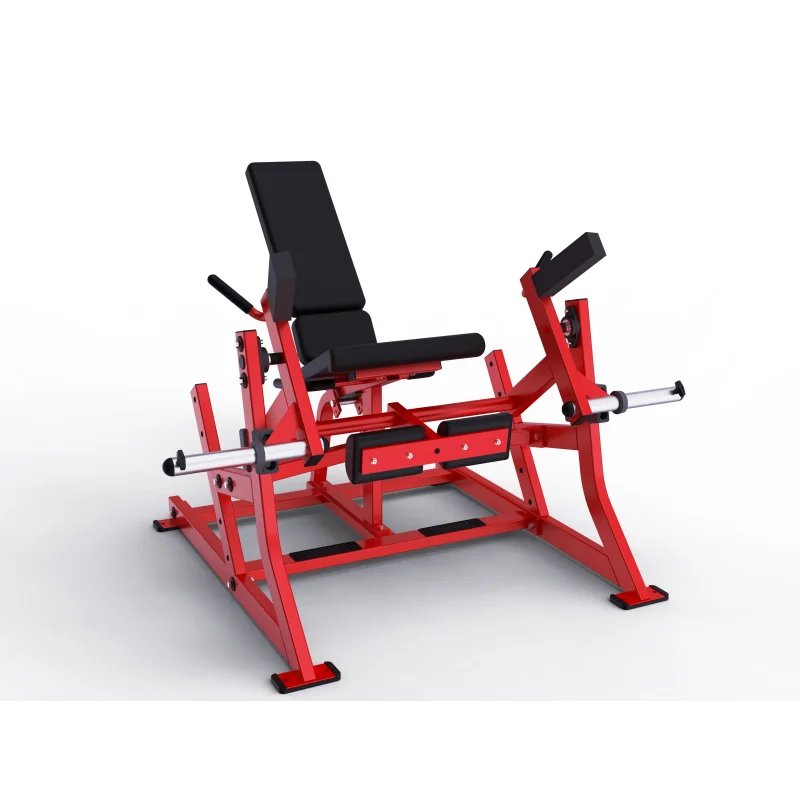
![Huiyang Commercial Plate Loaded Leg Extension Machine for Gym [WARN] draft identifier mismatch](https://bicksport.com/wp-content/uploads/2026/08/huiyang-commercial-plate-loaded-leg-extension-machine-for-gym-warn-draft-identifier-mismatch-e75bb9.webp)