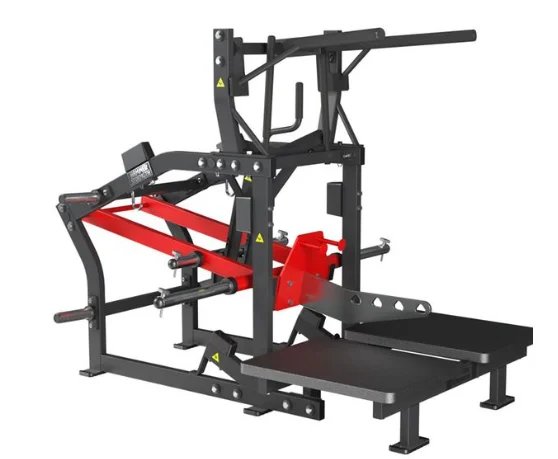
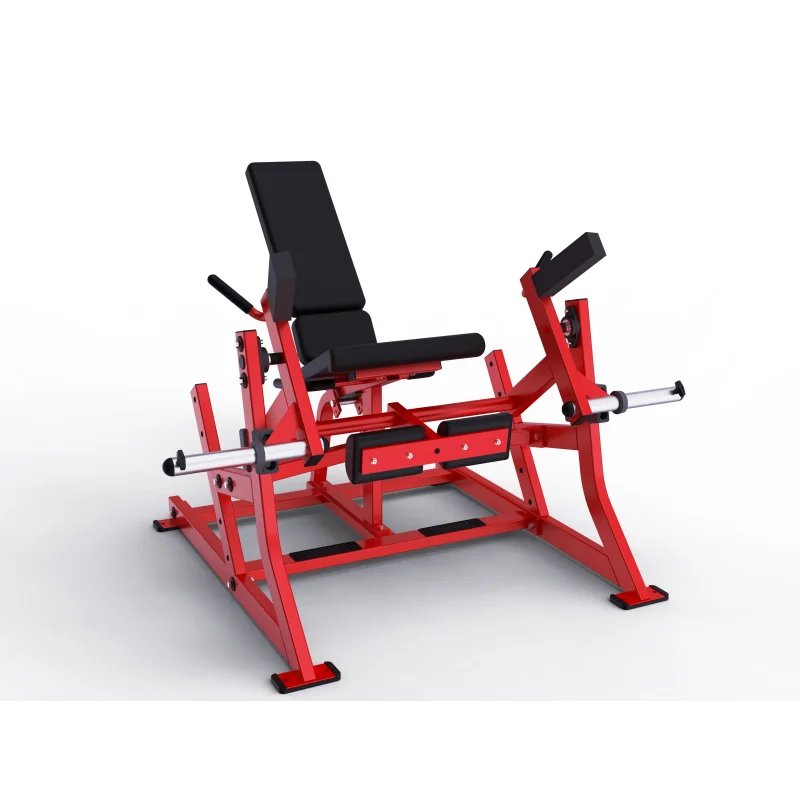
![MTS-8005 ISO-Lateral Shoulder Press Commercial Gym Machine [WARN] draft identifier mismatch](https://bicksport.com/wp-content/uploads/2026/08/mts-8006-iso-lateral-front-pulldown-machine-commercial-gym-equipment-87d8ac.webp)
10,000-Hour Endurance — Dual weight stacks and reinforced steel frames validated under continuous high-frequency loading cycles without structural fatigue or resistance drift.
Technical Specifications
| Parameter | Value |
|---|---|
| Designation | MTS-8005 |
| Product Type | ISO-Lateral Shoulder Press (Strength Equipment) |
| Resistance Type | Weight Stack |
| Weight Stack | 100 kg × 2 Stacks |
| Machine Grade | Commercial Use |
| Product Dimensions (L × W × H) | 114 cm × 158 cm × 137 cm |
| Net Weight | 338 kg |
| Max User Weight | 180 kg |
| Foldable | Unfolded |
| Certification | CE, ISO, RoHS, SGS |
| Color | Customizable |
| Origin | China |
Application Suitability
| Deployment Scenario | Typical Use |
|---|---|
| Chain gym strength zone | High-frequency shoulder pressing during peak hours with dual independent stacks serving members of varying strength levels |
| Hotel fitness center on guest room floors | ISO-lateral movement accommodates guests of different fitness backgrounds without supervision |
| Sports performance training center | Independent arm trajectories support targeted shoulder stability and pressing power development for athletes |
| Corporate wellness room | Dual 100 kg stacks provide accessible entry points and progressive overload for employee fitness programs |
| High-end residential home gym | Commercial-grade frame and stack system delivers gym-quality resistance in a private training environment |
Why Guide Rod Wear Outpaces Your Maintenance Schedule
Sealed linear bearings and hardened guide rods keep the MTS-8005 stack travel smooth long after competing units develop lateral play.
In high-traffic strength zones, shoulder press machines endure hundreds of loaded cycles daily. When guide rods lack proper sealing, chalk dust and sweat residue infiltrate the bearing surfaces, accelerating wear and producing the grinding noise that members notice before staff does. [NEED_CITE: guide rod wear patterns in commercial selectorized strength equipment] The ISO-lateral design of this commercial ISO-lateral shoulder press machine gym equipment means each stack travels independently, doubling the guide rod surface area under load but also doubling the maintenance exposure if components are underspecified. We spec sealed bearings across the stack travel path to contain contamination and preserve the linear resistance feel that members expect from a commercial unit.
Positioning Within a Commercial Strength Floor
The MTS-8005 fills the dedicated shoulder pressing station in a commercial ISO-lateral shoulder press machine gym equipment layout, complementing chest press and lat pulldown stations to complete the upper-body pushing and pulling circuit. The ISO-lateral independent arm movement covers both bilateral and unilateral pressing patterns, accommodating members who need to address strength imbalances or work around minor shoulder restrictions. The 114 cm × 158 cm footprint fits standard strength zone spacing with adequate clearance for loading and unloading on both sides. The 180 kg user weight capacity and dual 100 kg stacks serve the full range from rehabilitation-level resistance to advanced overload. Data collection is not applicable to this selectorized strength unit; resistance is set mechanically via pin selection on each stack.
Continuous Loading and Facility Infrastructure
This machine operates without motors or electronics, so duty cycle concerns shift entirely to mechanical wear under sustained member throughput. In a 24/7 gym environment, the shoulder press station may see near-continuous use during peak windows, with each session loading the guide rods, pulleys, and cables through full stack travel. [NEED_CITE: cable fatigue lifecycle ratings for commercial selectorized equipment] The 338 kg net weight provides inherent stability on standard gym flooring without anchor bolts, though a level subfloor is essential to prevent frame twist that accelerates guide rod wear. No dedicated electrical circuit is required. Adequate overhead clearance of at least 160 cm accommodates the full frame height plus maintenance access to the top pulley assembly.
Selectorized Resistance and Frame Rigidity Explained
The dual 100 kg weight stacks use a pin-selector design, allowing members to dial in resistance in fixed increments without plate loading. Each stack operates on an independent cable-and-pulley path, which is the defining feature of ISO-lateral architecture: the left and right arms follow separate mechanical pathways that converge on a shared movement plane, reducing the stronger side’s ability to compensate for the weaker side. The 338 kg machine weight reflects a reinforced steel frame engineered to resist torsional flex when both stacks are loaded asymmetrically. [NEED_CITE: frame deflection tolerances under asymmetric loading in ISO-lateral designs] Sealed linear bearings on the guide rods minimize friction and prevent contamination ingress. Pulleys are sized to maintain consistent cable tension throughout the full range of motion, avoiding the dead spots that develop when pulley diameter is too small relative to cable travel.
The Hidden Cost of Undersized Frames and Pulleys
A lighter frame may hold up in a low-traffic studio but develops audible flex and wobble within months when deployed in a high-volume commercial floor. Pulleys with inadequate diameter crush cable strands prematurely, leading to fraying that goes unnoticed until a member experiences sudden resistance loss mid-set. Guide rods without sealed bearings accumulate particulate contamination that turns smooth stack travel into a grinding, inconsistent feel — and generates the noise complaints that migrate from the strength floor to adjacent group exercise rooms. [NEED_CITE: premature cable failure incidents in underspecified selectorized machines] These failures rarely appear in pre-purchase evaluations because they require hundreds of loaded cycles to surface.
Why This Product Line Fits Commercial Deployments
The MTS-8005 benefits from the same manufacturing discipline applied across the full cardio and strength range: 10,000-hour durability testing on moving components, reinforced steel frames validated under continuous loading, and ISO-certified production processes. The ISO-lateral shoulder press joins a complete equipment family so a facility can source pressing, pulling, and lower-body stations from a single engineering standard. OEM customization extends to frame color, upholstery, and branding elements, with flexible MOQ for regional rollouts. Free 3D strength zone layout planning covers the MTS-8005’s footprint alongside complementary stations, ensuring member flow and safe clearance between units. 24/7 technical support covers mechanical troubleshooting and parts identification.
Documentation & Test Records
- CE declaration of conformity for commercial strength equipment
- EN 957 test report covering structural integrity and safety
- ISO 9001 certificate for manufacturing quality management
- RoHS compliance documentation for material safety
- Durability test record for guide rods, cables, and pulleys
- Full spare parts list with component identification
Installation, Commissioning & Maintenance
- Maintain minimum 60 cm clearance on all sides of the 114 cm × 158 cm footprint for member access and loading
- Level the subfloor and use rubber flooring to absorb vibration from the 338 kg frame during heavy sets
- Inspect cable tension and pulley alignment after the first 500 loaded cycles, then quarterly
- Lubricate guide rods with manufacturer-specified grease at six-month intervals or sooner in high-humidity environments
- Verify pin-selector engagement on both 100 kg stacks before opening the station to members after transport
Equipment Selection and Deployment Planning
Provide your strength zone square footage and equipment list to receive a 3D layout covering MTS-8005 placement, member flow, and safe spacing between stations. Specify expected daily member throughput so we can confirm that the guide rod and cable specifications match your usage intensity. Identify the deployment floor and adjacent spaces to assess vibration and noise transmission from loaded stack drops. Confirm whether OEM branding, custom frame color, or upholstery matching is required for your facility identity.
Frequently Asked Questions
Q: How does ISO-lateral differ from a fixed-path shoulder press?
A: ISO-lateral machines route each arm through an independent cable and pulley system, so the left and right sides cannot compensate for each other during the press. A fixed-path machine links both handles to a single movement axis, which can mask strength imbalances. ISO-lateral is preferred in commercial settings where members range from beginners correcting asymmetries to advanced lifters training unilaterally.
Q: What separates commercial-grade from home-grade selectorized strength equipment?
A: Commercial units use heavier frames, sealed bearings on guide rods, and larger pulleys that preserve cable integrity over thousands of loaded cycles. Home-grade machines cut weight and component size to reduce cost, which leads to frame flex, accelerated cable wear, and noisy stack travel when subjected to multiple users per day. The 338 kg net weight of the MTS-8005 reflects structural investment that home-grade designs cannot match.
Q: Why does the dual 100 kg stack design matter for training?
A: Independent stacks allow each arm to select a different resistance level, which is essential for members addressing post-injury imbalances or training unilateral pressing strength. A single shared stack forces both arms to move the same load, limiting exercise variety and preventing targeted overload. Dual stacks also distribute mechanical wear across two separate cable systems rather than concentrating it on one.
Q: What routine maintenance does the MTS-8005 require?
A: Guide rods should be wiped clean and re-lubricated at regular intervals to maintain smooth stack travel. Cables require visual inspection for fraying, particularly at pulley contact points and selector pin engagement areas. Pulley bearings should be checked for smooth rotation without lateral play. The frame welds and bolt connections benefit from periodic torque verification, especially in high-throughput commercial deployments.
Q: How should I plan custom branding and order quantities?
A: OEM customization covers frame color, upholstery material and color, and logo placement on the frame and weight stack shrouds. Minimum order quantities are flexible to accommodate single-facility purchases and multi-site chain rollouts. Confirm your brand guidelines early in the quotation process so color matching and artwork approval align with your deployment timeline.