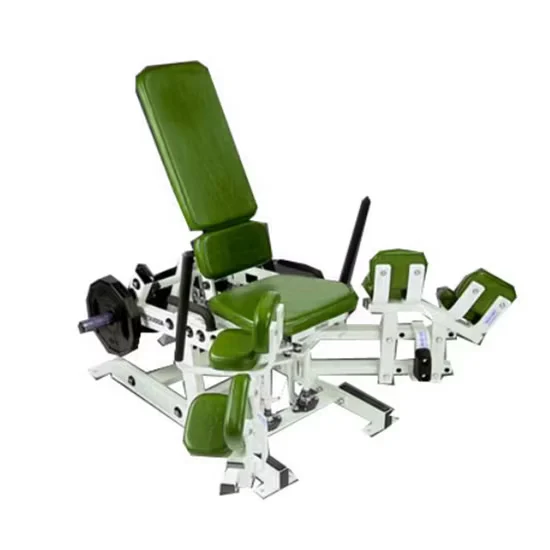
![ISO-Lateral D. Y Row Machine Back Exercise Gym Equipment [WARN] draft identifier mismatch](https://bicksport.com/wp-content/uploads/2026/08/iso-lateral-d-y-row-machine-back-exercise-gym-equipment-warn-draft-identifier-mismatch-3e68d9.webp)
Whisper-Qualified Assembly — Sealed bearings and precision-machined pivot points tested for 10,000+ hours of continuous high-frequency pulling cycles.
Technical Specifications
| Parameter | Value |
|---|---|
| Designation | 5003 |
| Product Type | ISO-Lateral Row Machine (Strength Equipment) |
| Exercise Part | Back |
| Frame Material | Reinforced Steel |
| Product Dimensions | 1455 1476 2133 mm |
| Net Weight | 135 kg |
| Movement Type | ISO-Lateral Independent Arm |
| Handle Configuration | Multi-grip ergonomic handles |
| Seat Adjustment | Adjustable positioning |
| Pivot System | Sealed bearings |
| Appliance | Community, Gymnasium |
| Fit Area | Professional Gym and Club |
| Age Group | Adult |
| Gender | Unisex |
| OEM/ODM | Available |
| Certification | ISO9001, CE |
| HS Code | 9506911900 |
| Production Capacity | 500 PCS/Month |
Application Suitability
| Deployment Scenario | Typical Use |
|---|---|
| Professional gym and health club strength zones | High-frequency back training for members across varying strength levels |
| Community fitness centers and recreational facilities | Durable back exercise station for daily public access |
| Corporate wellness rooms | Balanced upper body development for employee fitness programs |
| Hotel fitness centers | Space-efficient strength training for guests with limited floor area |
| Sports performance training centers | Independent arm rowing for athletic back conditioning |
Why Pivot Wear Reaches the Maintenance Log Before Members Notice
Sealed bearing assemblies at every pivot point eliminate metal-on-metal friction throughout the pulling arc.
When a cable-driven row machine sees twenty members per hour, every pivot accumulates micro-wear. Standard bushings develop play within months, creating that subtle clunk operators hear during peak hours. Facility managers rarely receive direct complaints about pivot slop; instead, members simply migrate to other machines, and the equipment sits underused while adjacent stations develop queues [NEED_CITE: pivot bearing wear rates in high-traffic commercial strength zones].
The commercial ISO-lateral row machine back exercise unit at model 5003 addresses this through sealed bearing construction at each articulation point. These bearings retain lubrication internally and resist ingress of sweat, chalk dust, and cleaning chemicals that degrade open bushings over consecutive quarterly maintenance cycles.
Positioning Within a Commercial Strength Zone
The ISO-Lateral Row Machine occupies the mid-range pulling category, covering horizontal rowing movements that target the latissimus dorsi, rhomboids, and posterior deltoids. In a complete strength zone layout, this commercial ISO-lateral row machine back exercise station complements vertical pull-down stations and cable crossover systems, ensuring members can address both sagittal and transverse plane back development without redundancy. The 1455 * 1476 mm footprint requires standard safety clearance on three sides for seat adjustment and handle access. The independent arm design accommodates users with asymmetrical strength profiles, allowing each arm to work through its natural range without the dominant side compensating.
Deployment Environment and Continuous Operation Requirements
This 135 kg steel-framed unit demands a level floor with anti-vibration pads beneath each foot to prevent frame migration during heavy loading cycles. Facilities installing on suspended floors should verify structural load capacity for the combined unit and user weight during dynamic pulling [NEED_CITE: structural load requirements for commercial strength equipment on elevated floors]. Ambient temperature and humidity affect bearing performance; deployments in tropical climates or unconditioned spaces require more frequent pivot inspection intervals. The ISO-lateral mechanism generates no electromagnetic interference, eliminating compatibility concerns with adjacent electronic cardio consoles. Daily cleaning protocols should use pH-neutral solutions to protect handle grip surfaces and frame powder coating.
Decoding the ISO-Lateral Independent Arm Architecture
Independent arm movement means each handle connects to its own pivot axis and resistance path rather than a shared crossbar. When a member pulls with the right arm, the left side remains stationary, forcing each latissimus dorsi to generate force independently. This prevents the dominant side from compensating during fatigue, which fixed-bar row machines allow. The sealed bearings at each pivot reduce stiction to a level where the transition between rest and movement feels immediate rather than requiring an initial jerk to overcome static friction. Multi-grip handles allow users to select neutral, pronated, or semi-supinated hand positions, each shifting emphasis across the mid-back musculature. The adjustable seat positions the user’s torso at the correct angle relative to the pulling plane, preventing lumbar hyperextension that occurs when the seat height does not match the user’s torso length.
The Hidden Cost of Specifying Below Commercial Duty
Facilities that select strength equipment with open bushings and light-gauge frames often face a predictable cycle: pivot points develop play within the first year, creating audible clunking that signals visible wear to observant members. The frame begins to flex laterally under heavy loads, and the misalignment accelerates bearing degradation further [NEED_CITE: frame deflection thresholds for commercial-rated strength equipment]. Operators then face the choice between pulling the unit for costly pivot rebuilds or accepting the degraded feel until the next capital equipment cycle. Members who notice mechanical looseness develop reduced confidence in the equipment’s structural integrity, particularly during heavy sets near their training maximums.
Why This Product Line Addresses Facility Operator Concerns
The 5003 benefits from the same manufacturing discipline applied across our cardio range, where 10,000-hour durability testing on motors and drive systems sets the baseline for all mechanical components. Our vertical integration from CNC machining through final assembly means pivot tolerances and frame weld quality remain under direct process control rather than outsourced to subcontractors with competing priorities. OEM customization extends to frame color, logo placement, and pad material selection, allowing facilities to match existing strength zone aesthetics without maintaining multiple vendor relationships. The engineering team provides 3D strength zone layouts that account for the 1455 * 1476 mm footprint alongside safe clearance zones, ensuring members can load and unload plates without conflicting with traffic flow on adjacent machines. Technical support responds within 24 hours for deployment questions, and spare parts availability covers bearing sets, cables, and handle assemblies for the equipment’s operational lifecycle.
Documentation & Test Records
- CE declaration of conformity for European market strength equipment deployment
- EN 957 test report covering structural integrity and safety requirements
- ISO 9001 certificate documenting manufacturing quality management processes
- Durability test record verifying pivot and frame performance under repeated loading
- Material specification sheets for steel frame and bearing components
- Installation guide with anchor bolt patterns and floor preparation requirements
Installation, Commissioning & Maintenance
- Verify floor levelness within tolerance before positioning the 1455 * 1476 mm footprint
- Install anti-vibration pads beneath all contact points to prevent frame migration
- Confirm ceiling height clearance accommodates the 2133 mm maximum frame height
- Inspect pivot bearing smoothness through full range of motion before member access
- Establish quarterly inspection schedule for cable tension and pivot bearing play
- Clean handle grips and seat pads daily with pH-neutral solution to prevent material degradation
Planning Your Strength Zone Equipment Specification
Provide your facility floor plan and target member capacity to receive a 3D strength zone layout incorporating the 5003 alongside complementary stations. Specify expected daily usage volume so we can confirm the pivot and bearing specifications match your operational intensity. Indicate whether deployment involves suspended floors requiring structural verification. State your target market to ensure documentation and certification packages align with local regulatory requirements.
Frequently Asked Questions
Q: What is ISO-lateral movement and why does it matter for back training?
A: ISO-lateral means each arm operates on an independent pivot axis rather than a fixed bar connecting both handles. This forces each side of the back musculature to generate pulling force without assistance from the dominant side. Members with strength imbalances or those returning from unilateral injuries benefit from this design, as it prevents compensation patterns that fixed-bar machines inadvertently encourage.
Q: How does frame construction affect equipment longevity in commercial settings?
A: Commercial facilities see continuous loading from members across the full strength spectrum. Light-gauge frames develop lateral flex under heavy loads, which accelerates pivot wear and creates audible movement that members perceive as instability. The 5003 uses reinforced steel construction with welded joints designed to resist deflection through thousands of loading cycles without developing the play that signals premature structural fatigue.
Q: What maintenance is required for pivot points and cable systems?
A: Sealed bearings at each pivot require no regular lubrication, but quarterly inspection for play or roughness ensures early detection of any degradation. Cable systems should be checked for fraying at pulley contact points and adjusted for proper tension when the handle returns slowly to the resting position. Facilities in high-humidity environments should shorten inspection intervals to account for accelerated corrosion potential.
Q: Can this equipment be customized for facility branding and specifications?
A: OEM and ODM options cover frame color selection, logo application, pad material and color, and handle grip specifications. Facilities managing multiple locations can standardize branding across their network while adjusting pad firmness or handle configurations to match their member demographic preferences. Minimum order quantities remain flexible to accommodate both single-unit replacements and full strength zone deployments.
Q: What space requirements should be considered for strength zone layout?
A: The unit footprint measures 1455 * 1476 mm, but safe deployment requires clearance on three sides for seat adjustment access and handle movement through the full pulling arc. Position the machine so members face away from traffic flow, preventing distraction during heavy sets. Ceiling height must accommodate the 2133 mm frame maximum plus overhead lighting and ventilation infrastructure clearance.