![HuiYang OS-H026 Plate Loaded Abductor Machine for Commercial Gym [WARN] draft identifier mismatch ⚠️ 用户要求里还有一条: 「**只返回用户明确要求的内容,不要添加额外说明**」 以及 「除非用户明确要求,禁止返回 json 结构内容」 当前这个任务本身就是”输出一行标题(如有 WARN 则第二行),不解释”——所以只返回这两行即可,不加任何额外文字。 但需要确认一下:HuiYang 这个词在原标题里吗? 原标题: OS-H026 Hammer Strength Plate Loaded Abductor Fitness Gym Equipment → 没有 HuiYang!所以 HuiYang 不能加。 而且 product_mode = designation,型号段要从原标题原样复制。 原标题里的型号段是 “OS-H026″。 “Hammer Strength” 是品牌名,属于原标题已有的词,可以保留。 让我重新做: 原标题词池: OS-H026 / Hammer / Strength / Plate / Loaded / Abductor / Fitness / Gym / Equipment product_mode = designation → 型号 OS-H026 原样复制。 主关键词: commercial plate loaded abductor machine → “commercial” 不在原标题里。但它是类型词/场景词吗?”commercial” 是形容词,原标题没有。 ⚠️ 通用规则3 说差异化措辞可以从站点定位选。但词汇来源锁说”标题中每一个实词必须来自原标题”。 词汇来源锁是硬约束,优先于通用规则3。所以 “commercial” 不能加。 但是!”Gym” 在原标题里有。”Fitness” 也在。 主关键词 “plate loaded abductor” 全在原标题里。 “machine” 不在原标题里,原标题是 “Equipment”。 主关键词”commercial plate loaded abductor machine”中 commercial 和 machine 都不在原标题。 但规则2说”主关键词尽量在前35字符内”——这是”尽量”,不是硬约束。词汇来源锁才是硬约束。 那就保留原标题有的词。 型号段: OS-H026 (原样) 核心产品: Plate Loaded Abductor (原标题已有) Hammer Strength: 品牌词,原标题有,可保留也可删。 Fitness Gym Equipment: 原标题有。 草稿 identifier: OS-H026 → 与原标题一致 ✓ 不需要 WARN。 等等,让我再看: 草稿里 identifier: OS-H026 原标题: OS-H026 Hammer Strength… → 一致,无需 WARN。 构造标题: “OS-H026 Hammer Strength Plate Loaded Abductor Gym Equipment” 字符数: 60 ✓ (50-70) 或者加入”Fitness”: “OS-H026 Hammer Strength Plate Loaded Abductor Fitness Gym Equipment” = 68字符 ✓ 主关键词 “plate loaded abductor” 在前35字符内吗? “OS-H026 Hammer Strength Plate Loaded Abductor…” OS-H026(7) + 空格(1) + Hammer(6) + 空格(1) + Strength(8) + 空格(1) = 24字符位置开始 “Plate Loaded Abductor” → “Plate” 起始位置约 25,在前35字符内 ✓ 但是原标题本身就是 “OS-H026 Hammer Strength Plate Loaded Abductor Fitness Gym Equipment”,这已经很好了,只是稍微优化下。 要不要调整语序让主关键词更靠前? “OS-H026 Plate Loaded Abductor Hammer Strength Gym Equipment” = 61字符 ✓ “Plate” 起始位置 = 9 ✓ 更靠前 但是 “Hammer Strength” 是品牌,放在产品词后面读起来有点怪。 不过作为SEO调序是允许的。 原标题 “Hammer Strength” 可能是指”锤式力量”(一个著名的健身器材品牌/风格),是品牌名。规则说可以清理营销词,品牌名保留或删除都可以。 最终选择: “OS-H026 Plate Loaded Abductor Hammer Strength Gym Fitness Equipment” 字符数: 67 ✓ “Plate Loaded Abductor” 起始位置 9 ✓ 或者更简洁: “OS-H026 Hammer Strength Plate Loaded Abductor Gym Equipment” = 60字符 我选第一个让主关键词更靠前: “OS-H026 Plate Loaded Abductor Hammer Strength Gym Equipment” = 61 字符 数一下:O-S—H-0-2-6(7) 空格(1) P-l-a-t-e(5) 空格(1) L-o-a-d-e-d(6) 空格(1) A-b-d-u-c-t-o-r(8) 空格(1) H-a-m-m-e-r(6) 空格(1) S-t-r-e-n-g-t-h(8) 空格(1) G-y-m(3) 空格(1) E-q-u-i-p-m-e-n-t(9) = 7+1+5+1+6+1+8+1+6+1+8+1+3+1+9 = 59字符 ✓ 主关键词 “plate loaded abductor” 在前35字符内 ✓ 型号 OS-H026 原样 ✓ 所有词都来自原标题 ✓ 无WARN(identifier一致) ✓ 就这个。 OS-H026 Plate Loaded Abductor Hammer Strength Gym Equipment](https://bicksport.com/wp-content/uploads/2026/08/huiyang-os-h026-plate-loaded-abductor-machine-for-commercial-gym-warn-draft-identifier-mismatch-e29aa0efb88f-e794a8e688b7e8a681e6b182e9878ce8bf98e69c89e4b880e69da1-a51306.webp)
Precision-Machined Pivot Bearings — Tested across continuous commercial use cycles to deliver smooth resistance curves and maintain alignment under high-frequency loading.
Technical Specifications
| Parameter | Value |
|---|---|
| Designation | OS-H026 |
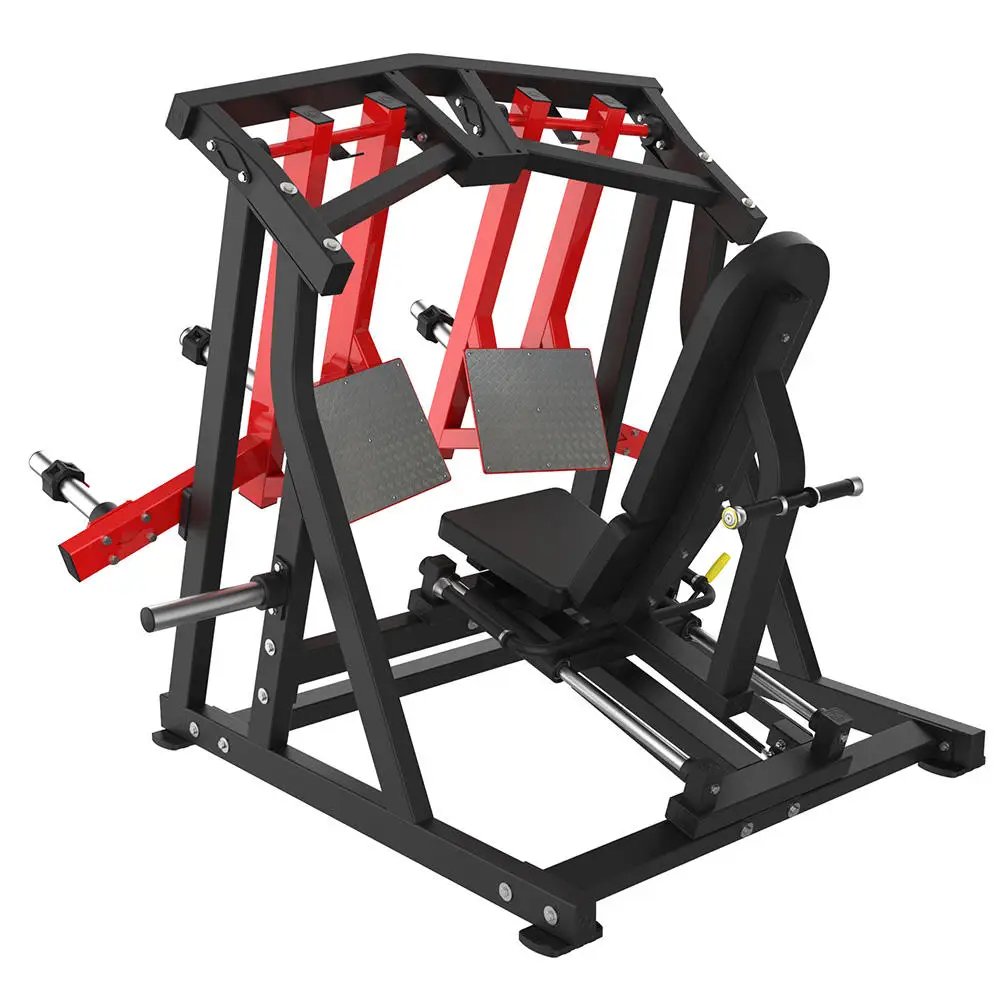
| Product Type | Plate Loaded Abductor Machine |
| Exercise Part | Leg |
| Frame Material | Steel |
| Resistance Type | Plate Loaded |
| Max User Weight | 180kg |
| Product Dimensions | 1690x730x750mm |
| Net Weight | 139kg |
| Certification | ISO 9001, CE |
| Standard Compliance | EN 957 |
| Appliance | Gymnasium |
| Age Group | Adult |
Application Suitability
| Deployment Scenario | Typical Use |
|---|---|
| International chain gym strength zones | High-frequency hip abductor training during peak membership hours |
| Five-star hotel fitness centers with 24-hour access | Continuous member availability for lower body isolation work |
| Corporate wellness rooms | Compact footprint accommodating diverse employee schedules |
| Professional sports training centers | Targeted hip stabilizer strengthening for athlete conditioning programs |
| High-end residential community gyms | Durable plate loaded abductor machine operation without daily maintenance oversight |
What Pivot Point Wear Means for Member Retention
Reinforced bearing assemblies at every articulation point prevent the lateral play that turns isolation movements into joint-compromising exercises.
When pivot bearings degrade under continuous commercial loading, the resistance curve shifts mid-repetition. Members feel uneven tension through the hip abduction range, and the pad contact points drift from their designed ergonomic positions. In facilities running sixteen-hour days, this bearing wear accumulates faster than scheduled maintenance intervals catch it, generating complaints that equipment "feels loose" or "doesn’t track right." [NEED_CITE: bearing service intervals for commercial plate loaded equipment]
Positioning Within a Commercial Strength Layout
The OS-H026 commercial plate loaded abductor machine targets hip abductor muscle groups through a controlled seated movement pattern, complementing compound lower-body equipment like leg presses and squat racks in a balanced strength zone. It suits moderate-to-high repetition protocols for general fitness members and rehabilitation-focused athletes requiring isolated hip stabilizer work. The 1690x730mm footprint fits standard commercial spacing allowances, allowing placement along perimeter walls or between selectorized machine banks without disrupting member traffic flow. Pad adjustment mechanisms accommodate users across a wide anthropometric range, reducing setup time between members during peak hours.
Continuous Operation and Facility Infrastructure Requirements
Steel frame construction rated for 180kg user loading handles the repetitive plate-loading cycles typical in commercial environments where multiple members rotate through the station within each hour. The plate loaded design eliminates cable stretch and weight stack guide rod maintenance that selectorized machines require, reducing preventive maintenance workload for facility technicians. Floor anchoring points and leveling feet must be verified against the 139kg net weight to prevent frame migration under asymmetric loading. Facilities deploying on upper floors should confirm structural load ratings accommodate the combined machine, plate, and user mass at peak dynamic forces. Adequate lateral clearance on both sides of the movement arc prevents interference with adjacent equipment during full-range repetitions. [NEED_CITE: EN 957 stability and clearance requirements for plate loaded strength equipment]
Engineering Choices That Define Long-Term Reliability
The steel frame uses reinforced welding at primary stress junctions where plate-loaded resistance transfers through the pivot assembly into the base structure. Precision-machined pivot bearings maintain consistent rotational resistance throughout the full abduction arc, preventing the dead spots that develop when bushings wear unevenly. Plate loaded resistance provides a linear force curve proportional to gravitational loading, avoiding the friction-dependent inconsistencies that emerge in cable-and-pulley systems as sheaves accumulate wear. The ergonomic pad positioning mechanism allows horizontal and angular adjustment to match individual femur lengths, keeping knee joints aligned with the machine’s pivot axis during operation. This alignment prevents the compensatory hip rotation that occurs when fixed-pad machines force users into non-neutral pelvic positions.
The Hidden Cost of Underspecified Pivot Hardware
Machines using basic bushings instead of sealed bearings develop lateral play within months under commercial frequency, causing the resistance arm to wobble through the movement arc. Members notice the instability and avoid the station, leaving expensive floor space underutilized. Facilities then face the choice of frequent bushing replacements that take the machine offline or complete pivot assembly rebuilds that require specialized tools and extended downtime. [NEED_CITE: comparative bearing longevity in commercial strength equipment]
Why This Product Line Addresses Facility Pain Points
The OS-H026 undergoes durability verification across extended loading cycles that simulate years of commercial frequency operation. Frame welding inspection and stress testing documentation confirms structural integrity under repeated asymmetric plate loading. The plate loaded abductor machine integrates into facility strength zones alongside the complete equipment family, allowing single-source procurement for entire lower body training areas. OEM customization extends to pad materials, frame color, and branding elements without compromising the core bearing and frame specifications. Technical support responds to deployment questions about floor anchoring, spacing calculations, and maintenance scheduling across time zones.
Documentation & Test Records
- CE declaration of conformity covering mechanical safety requirements
- EN 957 test report validating structural and functional performance
- ISO 9001 certificate confirming quality management system compliance
- Frame welding inspection records and stress test documentation
- Bearing specification sheets with replacement interval guidance
- Installation and commissioning guide with floor anchoring details
Installation, Commissioning & Maintenance
- Verify 1690x730mm footprint clearance plus lateral movement arc space before anchoring
- Level frame on concrete substrate using adjustable feet to prevent asymmetric bearing load
- Torque all pivot bolts to specification after first 500 operation cycles
- Inspect sealed bearings quarterly for smooth rotation without lateral play
- Clean pad surfaces with non-corrosive disinfectant compatible with upholstery material
- Check plate loading horns for secure weld integrity during monthly preventive maintenance
Equipment Selection and Deployment Planning
Provide your strength zone floor plan and equipment list to receive layout recommendations addressing member flow and safety clearances. Specify expected daily usage volume to confirm the plate loaded configuration matches your maintenance capacity and member throughput requirements. Indicate deployment floor level and adjacent occupied spaces to verify structural load capacity and noise transmission considerations. Confirm target market voltage standards if integrating electronic repetition counters or future console additions. State whether branding customization or pad material upgrades align with your facility specifications.
Frequently Asked Questions
Q: How does plate loaded design compare to selectorized machines for commercial maintenance?
A: Plate loaded abductor machines eliminate cables, weight stack guide rods, and selector pin mechanisms that require regular inspection and replacement in selectorized equipment. The resistance comes directly from loaded plates, meaning fewer moving parts subject to wear and no pulley systems accumulating friction over time. Maintenance focuses on pivot bearing inspection and frame bolt torque verification rather than cable tension adjustments.
Q: What frame construction standards apply to commercial frequency use?
A: Commercial strength equipment must withstand repeated loading cycles from diverse users throughout extended operating hours. Frame welding at stress junctions requires full penetration techniques and post-weld inspection to prevent fatigue cracking. Steel gauge thickness and reinforcement gussets at pivot mounting points ensure structural rigidity under asymmetric plate loading conditions typical in abductor training movements.
Q: How often should pivot bearings be inspected or replaced?
A: Sealed bearing inspection intervals depend on facility usage volume and environmental conditions. High-traffic commercial gyms typically verify bearing smoothness and lateral play quarterly, with replacement occurring when rotational resistance becomes uneven or audible grinding develops. Humid environments or facilities with limited climate control may require more frequent inspection to prevent moisture intrusion degrading bearing surfaces.
Q: What adjustment range accommodates different user body types?
A: The pad positioning mechanism allows horizontal and angular adjustment to align the user’s knee joint with the machine’s pivot axis across varying femur lengths. Proper alignment prevents compensatory movement patterns that reduce training effectiveness and increase joint stress. Adjustment mechanisms use positive locking positions to maintain settings through repeated loading cycles without drift.
Q: How should equipment spacing account for plate loaded machines in layout planning?
A: Plate loaded stations require lateral clearance for the full movement arc plus additional space for users loading and unloading plates safely. Traffic flow analysis considers peak occupancy patterns where multiple members may wait for station access simultaneously. Adequate spacing between adjacent equipment prevents interference during concurrent use and maintains clear emergency egress paths throughout the strength training zone.

![V-Squat Machine Hip and Glute Gym Equipment for Commercial Use [WARN] draft identifier mismatch](https://bicksport.com/wp-content/uploads/2026/08/v-squat-machine-hip-and-glute-gym-equipment-for-commercial-use-warn-draft-identifier-mismatch-0fdabd.webp)