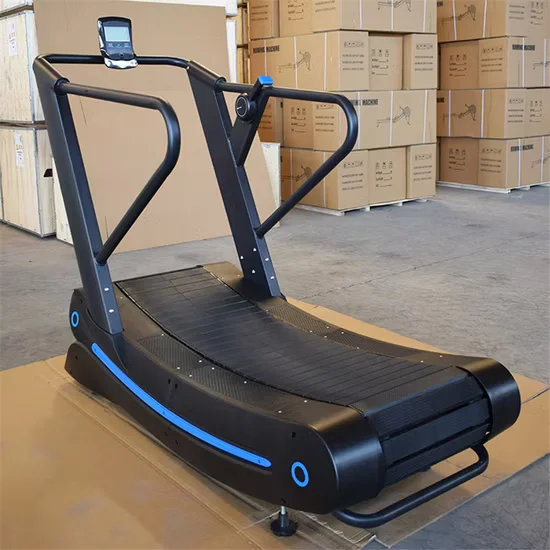
![Healthmate Household Fashion Treadmill MT80 Foldable DC Motor Design [WARN] draft identifier mismatch](https://bicksport.com/wp-content/uploads/2026/08/healthmate-household-fashion-treadmill-mt80-foldable-dc-motor-design-warn-draft-identifier-mismatch-76d7ce.webp)
Compact Footprint Deployment — foldable DC motor treadmill engineered for shared residential floors and noise-sensitive wellness spaces.
Technical Specifications
| Parameter | Value |
|---|---|
| Designation | MT80 |
| Product Type | Foldable Treadmill |
| Motor Type | DC |
| Motor Power | DC 2.5HP (peak or continuous not specified in source) |
| Speed Range | 1-20 km/h |
| Running Surface | 1320 x 480 mm |
| Console Type | LCD (Speed / Distance / Time / Calories / Pulse) |
| Programs | 12 preset programs |
| Heart Rate | Pulse sensors |
| Foldable | Yes |
| Product Dimensions | 1750 x 805 x 1380 mm (Unfolded) |
| Net Weight | 62 kg |
| Certification | CE, RoHS |
| Color Options | Multicolor (customizable) |
| Customization | Available (Logo, Packaging) |
Application Suitability
| Deployment Scenario | Typical Use |
|---|---|
| High-end residential home gym | Daily cardiovascular routines where floor space must be reclaimed after sessions |
| Corporate wellness room | Compact cardio option for employee fitness areas with limited square footage |
| Boutique fitness studio warm-up zone | Pre-class conditioning in multi-purpose training facilities |
| Serviced apartment fitness corner | Guest-accessible cardio in compact hospitality suites |
| Light commercial recovery room | Low-intensity steady-state walking or jogging in physical therapy adjacency |
Why Noise Complaints Reach the Front Desk Before Maintenance Does
DC motor operation paired with a foldable frame addresses the two most frequent deployment conflicts: acoustic bleed and spatial intrusion.
When a treadmill runs above occupied guest rooms or beside shared office spaces, low-frequency vibration transmits through floor slabs long before the motor itself fails. Facility managers often discover that a unit rated for light duty cycles generates acceptable noise when new, but bearing wear and belt friction push decibel levels higher within months [NEED_CITE: motor duty cycle classification for continuous commercial operation]. The MT80’s DC drive system operates at lower acoustic output than comparable AC-driven units at equivalent belt speeds, making it a deliberate choice for environments where structural noise transmission is the primary constraint. This foldable motorized treadmill DC motor home use configuration prioritizes deployment flexibility over raw continuous throughput.
Positioning the MT80 Within a Mixed Cardio Layout
The MT80 covers walking through moderate-intensity running at speeds up to 20 km/h, occupying the steady-state and tempo-training band of cardiovascular work. In a mixed cardio zone, it complements high-resistance equipment like rowing machines and stair climbers by offering a low-skill-entry, continuous-motion option. Its foldable frame suits perimeter walls or alcove placements where equipment must yield floor space during off-hours. The 1320 x 480 mm running surface accommodates average adult stride lengths for walking and jogging, while the LCD console delivers essential real-time metrics without requiring facility Wi-Fi integration. Users self-select from 12 preset programs, keeping the foldable motorized treadmill DC motor home use unit operationally independent from networked management systems.
Continuous Duty Expectations and Room-Level Requirements
A DC motor in this power class suits daily sessions measured in single-digit hours rather than all-day public access rotation. Deploying the unit on upper floors requires attention to subfloor rigidity and isolation pads to prevent low-frequency hum from reaching rooms below. Adequate lateral clearance supports the foldable mechanism’s swing arc and provides user safety margins during mounting and dismounting. Standard single-phase power delivery matches the DC system’s requirements, but operators should confirm plug type and voltage for the destination market before shipment [NEED_CITE: voltage and plug standard verification for fitness equipment export]. The LCD console draws minimal standby power, so dedicated circuits are unnecessary for single-unit installations, though multi-unit wellness rooms should plan load distribution across breaker panels.
Reading the Drive and Control Specifications
DC motors deliver smooth torque response at lower speeds, which suits the walking and jogging envelope this treadmill targets. The distinction between peak and continuous horsepower matters here: a DC 2.5HP rating without a stated continuous duty classification indicates the motor achieves that output under test conditions, but sustained thermal loading at maximum speed and incline may require cooldown intervals [NEED_CITE: continuous versus peak horsepower testing methodology]. The 1320 x 480 mm belt area provides adequate length for jogging gaits but restricts full-speed sprinting strides. Pulse sensors on the handlebars offer convenience for casual heart rate checks, though grip-based readings drift during high-motion intervals compared to chest-strap telemetry. The LCD console displays five core metrics simultaneously, prioritizing legibility over programmable complexity, which reduces firmware-related downtime in environments without on-site IT support.
The Hidden Cost of Specifying Below the Duty Cycle
Installing home-grade motors in lightly staffed commercial spaces produces a predictable failure arc: quiet operation in month one, bearing noise by month three, and thermal cutoff events by month six. Operators then face bulk replacement costs and guest or member complaints that accumulated during the degradation period. Similarly, undersized running surfaces generate user complaints about stride confinement, driving members toward facilities with full-commercial decks. Selecting the MT80 for its intended light commercial and residential scope prevents this mismatch, but specifying it for high-frequency gym floor rotation invites the same premature failure pattern. Honest deployment matching protects both equipment lifespan and facility reputation.
Why This Product Line Holds Up Under Scrutiny
The MT80 benefits from the same engineering discipline applied across a full six-series cardio range, where sub-35dB acoustic targets and 10,000-hour component testing define the baseline for commercial-tier units. For this foldable model, that translates to sealed bearings in the fold mechanism and a DC motor wound for thermal stability within its rated duty envelope. OEM customization extends to logo placement and packaging, supporting private-label residential fitness brands. Facility operators receive 3D layout planning that accounts for the foldable unit’s clearance arc and adjacent equipment sightlines. Documentation packages include noise test records and motor specification sheets, giving procurement teams verifiable data rather than marketing claims. Technical support responds on a 24/7 cycle, covering commissioning questions across time zones.
Documentation & Test Records
- CE declaration of conformity covering electrical safety and electromagnetic compatibility
- EN 957 test report validating structural and mechanical requirements for stationary training equipment
- RoHS compliance documentation confirming restricted substance limits in components
- Motor specification sheet detailing winding type, thermal class, and rated duty parameters
- Noise level test record measured at defined belt speeds and load conditions
- Console technical documentation with wiring diagrams and LCD segment definitions
Installation, Commissioning & Maintenance
- Unfold the MT80 and verify 1750 x 805 x 1380 mm clearance with additional rear safety margin for user dismount
- Place vibration isolation pads beneath the frame to decouple DC motor harmonics from the subfloor structure
- Confirm single-phase power outlet matches destination market voltage and plug type before initial energization
- Run the belt at low speed for initial tracking alignment, then tension according to the installation guide specifications
- Inspect the foldable hinge mechanism and locking pins at quarterly intervals for wear and secure engagement
- Wipe the LCD console face and pulse sensor grips with non-solvent cleaner to prevent sweat corrosion on contacts
Specifying the Right Configuration for Your Deployment
Provide the planned cardio zone dimensions and intended unit count to receive a 3D layout addressing fold clearance, member flow, and HVAC sightlines. State expected daily operating hours so the DC motor’s duty envelope can be matched to your usage pattern. Confirm the deployment floor level and adjacent occupied spaces to validate acoustic suitability. Specify destination market voltage and plug standards to eliminate post-arrival electrical mismatches. Indicate whether console data export is required or if standalone LCD operation meets your facility management protocol.
Frequently Asked Questions
Q: How does a DC motor compare to an AC motor for treadmill deployment in residential buildings?
A: DC motors generally produce lower acoustic output at equivalent belt speeds, which suits environments where structural noise transmission is the primary concern. They deliver smooth torque in the walking and jogging speed range. AC motors sustain higher continuous loads for all-day commercial rotation but generate more low-frequency vibration that transmits through floor slabs in multi-story residential structures.
Q: Does the foldable frame remain stable during higher-speed running sessions?
A: The foldable hinge mechanism and locking pins are engineered to secure the deck in the deployed position during use at speeds up to 20 km/h. Stability depends on proper engagement of all lock points before each session and periodic inspection of hinge wear. Users should mount and dismount at low speed to minimize lateral load on the fold joints.
Q: Can the LCD console export workout data to third-party fitness applications?
A: The MT80 LCD console displays real-time speed, distance, time, calories, and pulse data for direct user reading. It does not include wireless connectivity modules for automated data export. Facilities requiring member usage tracking should plan for external logging methods or consider models with IoT-enabled consoles from the broader product range.
Q: What running surface cushioning does the MT80 provide for joint protection?
A: The deck incorporates a cushioned belt system designed to absorb impact forces during footstrike compared to rigid surfaces. This reduces perceived joint stress during walking and jogging sessions. The cushioning layer is integrated into the deck structure and does not require user adjustment or periodic replacement under normal operating conditions.
Q: What maintenance does the foldable hinge mechanism require over time?
A: The fold hinge pins and locking latches should be inspected quarterly for secure engagement and signs of metal fatigue or plastic deformation. Lubrication of pivot points with manufacturer-specified grease maintains smooth operation. Any detectable play in the hinge when the deck is locked in the deployed position warrants immediate component inspection before further use.
![Mt026m Efficient Fold Motorized Treadmill for Fat Burning [WARN] draft identifier mismatch](https://bicksport.com/wp-content/uploads/2026/08/mt026m-efficient-fold-motorized-treadmill-for-fat-burning-warn-draft-identifier-mismatch-093aed.webp)
![Motorized Treadmill with Comfort Armrest for Commercial Gym Use [WARN] draft identifier mismatch](https://bicksport.com/wp-content/uploads/2026/08/motorized-treadmill-with-comfort-armrest-for-commercial-gym-use-warn-draft-identifier-mismatch-07bb84.webp)