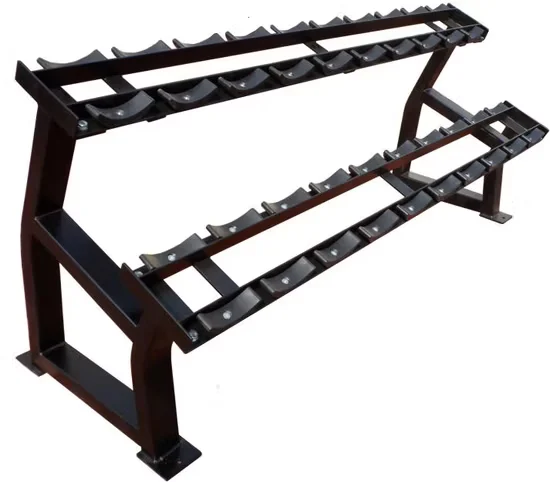
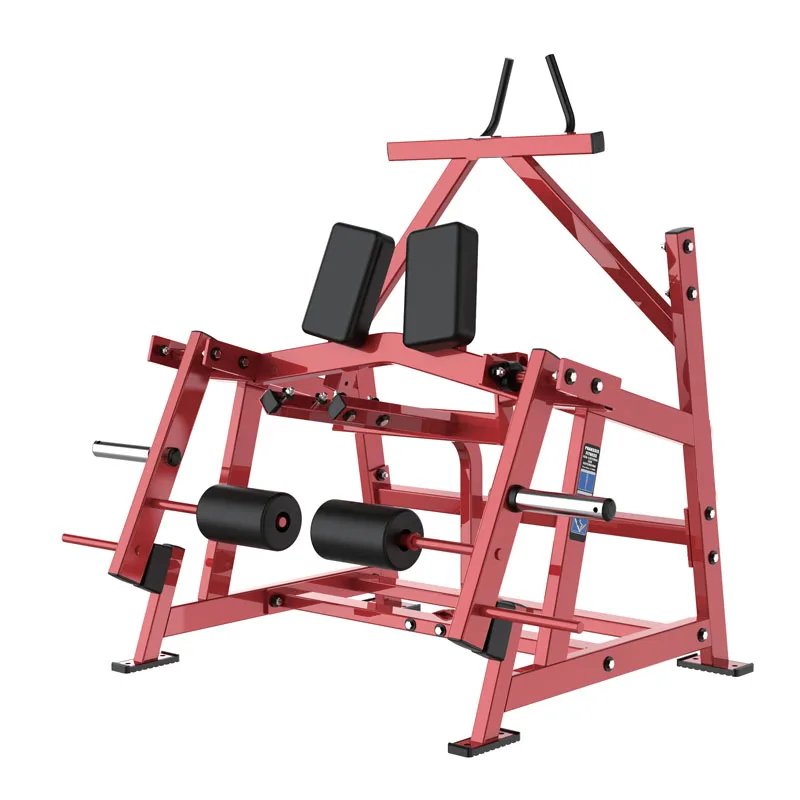
Structural Rigor — A full-steel frame rated for 180kg anchors every decline repetition in high-traffic gym environments without rack wobble or weld fatigue.
Technical Specifications
| Parameter | Value |
|---|---|
| Product Type | Decline Abdominal Bench |
| Material | Steel |
| Power Source | Manual |
| Product Dimensions | 1650 x 650 x 800 mm |
| Net Weight | 36 kg |
| Max User Weight | 180 kg |
| Folded | Unfolded |
| Exercise Part | Abdominal |
| Age Group | Adult |
| Gender | Unisex |
| Certification | ISO 9001, CE |
| Customization | Available |
| Production Capacity | 500 pieces per month |
Application Suitability
| Deployment Scenario | Typical Use |
|---|---|
| Chain gym strength zone | Core circuit station between cable machines and free-weight racks |
| Hotel fitness center on guest room floors | Compact abdominal training without motorized noise or vibration transfer |
| Corporate wellness room | Mid-day core sessions for employees in limited-square-footage layouts |
| High-end residential home gym | Dedicated decline abdominal work alongside a multi-station rig |
| Sports performance training center | Athlete core conditioning integrated into periodized strength blocks |
Why Frame Wobble Reaches the Manager Before the Maintenance Team Does
A rigid steel frame eliminates the lateral sway that makes users abandon abdominal benches mid-set.
In commercial strength zones, members test equipment within the first three repetitions. If the bench shifts under load or the back pad compresses unevenly, they move on and the unit becomes dead floor space. Over months, the micro-movements at weld joints accelerate fatigue cracking, turning a minor annoyance into a structural liability. Facility operators then face the choice of pulling the unit for welding repair or replacing it outright — both pulling revenue from the floor [NEED_CITE: weld fatigue patterns in commercial strength benches under cyclic loading].
A commercial decline abdominal bench gym equipment selection must therefore begin with frame construction, not pad aesthetics.
Positioning Within the Strength and Conditioning Floor Plan
This decline abdominal bench occupies the core-isolation segment of the strength zone, complementing cable crossover stations and rotary torso machines by providing a gravity-based, zero-footprint abdominal movement. It suits facilities running moderate-to-high member throughput where bodyweight core work fills gaps between heavy compound lifts. The 1650 x 650 mm footprint fits between rack bays without blocking traffic lanes, and the 180 kg max user weight accommodates the full adult membership spectrum. The fixed decline angle targets the rectus abdominis through a controlled range of motion, and the steel frame remains stationary under dynamic loading. This commercial decline abdominal bench gym equipment unit is designed to sit in dedicated core alcoves or paired directly with free-weight platforms.
Continuous Use Demands and Floor-Level Deployment Considerations
Unlike motorized cardio units, a manual decline bench has no duty-cycle rating, but its structural components still face continuous cyclic loading in 24/7 facilities. The steel tube sections and welded joints must absorb thousands of repetition cycles per week without deflection or cracking. Deployment on upper hotel floors is straightforward because there is no motor vibration to transmit through the slab — only the pad contacting the user and the foot hooks engaging the frame. Floor leveling matters: an uneven surface causes the bench feet to rock, concentrating load on two contact points instead of four and accelerating frame stress. [NEED_CITE: EN 957 requirements for static load testing on commercial benches] Ventilation is irrelevant to the equipment itself, but the surrounding zone should allow enough clearance for members to mount and dismount without obstructing adjacent equipment sightlines. Power circuits are not required, which simplifies placement in retrofit spaces where electrical runs are already committed to cardio consoles.
Decoding the Steel Frame and Pad Construction
The 36 kg net weight of this unit signals a heavy-gauge steel tube construction rather than the thin-wall square tubing found in light-commercial benches. Heavier frames resist the torsional forces generated when a user twists slightly during decline crunches or weighted sit-ups. The 180 kg maximum user weight rating requires that welds at the decline-angle junction and foot-hook attachment points pass cyclic fatigue testing at loads well beyond static capacity. The unfolded, fixed-angle design eliminates the hinge mechanisms that introduce play and wear over time — a deliberate trade-off favoring structural permanence over storage convenience. Pad density and vinyl covering directly affect user comfort and long-term hygiene: high-density foam resists compression set, and commercial-grade vinyl withstands sweat and cleaning chemicals without cracking. The manual power source means zero electronic components to fail, zero firmware to update, and zero console to replace.
The Hidden Cost of Specifying Below Commercial Grade
Purchasing a light-duty abdominal bench for a busy gym floor seems economical until the frame begins to rock within six months. Members notice the instability immediately and stop using the unit, leaving it as an obstacle rather than an asset. The vinyl on lower-grade pads cracks under repeated sweat exposure and chemical cleaning, exposing foam that absorbs moisture and becomes a hygiene complaint. Foot hooks mounted with light-gauge hardware bend under heavier users, creating a safety concern that triggers liability review. Replacing these units one at a time across a multi-site chain deployment costs more in procurement cycles and shipping than specifying commercial-grade construction from the outset [NEED_CITE: total cost of ownership comparisons for commercial vs light-commercial strength equipment]. Voltage mismatches do not apply here, but the equivalent error is ordering benches whose weight ratings fall below the actual membership profile.
Why This Product Line Addresses the Gaps
Biketon Sport engineers every unit in its strength and cardio range around a 10,000-hour continuous-use testing standard, meaning welds and structural joints on this bench are validated for the same operational rigor as the motorized fleet. The sub-35dB design philosophy applied to cardio units translates here as a zero-vibration, zero-noise footprint — critical when the bench sits on a hotel floor above occupied guest rooms. OEM and ODM customization extends to frame color, pad vinyl, and logo placement, allowing chain operators to maintain brand consistency across deployments. The free 3D layout and airflow planning service accounts for the 1650 x 650 mm footprint, specifying clearance distances that keep the core zone accessible without wasting square footage. Full vertical integration from CNC machining through final assembly means replacement parts — pad assemblies, foot hooks, frame sections — remain available throughout the equipment lifecycle. The 24/7 technical support line covers structural warranty claims with the same response commitment applied to console troubleshooting on the cardio range.
Documentation & Test Records
- CE declaration of conformity covering structural safety requirements
- EN 957 test report validating static and cyclic load performance
- ISO 9001 certificate for manufacturing quality management systems
- Weld inspection and frame fatigue test documentation
- Pad material specification and chemical resistance data sheet
- Spare parts list with part numbers for pads, hooks, and frame sections
Installation, Commissioning & Maintenance
- Position on level flooring with minimum 600 mm clearance on all sides for safe mounting and dismounting
- Verify all four feet contact the floor evenly; use shims if necessary to eliminate rocking on uneven surfaces
- Inspect weld joints and foot-hook bolts at installation and re-torque fasteners after the first 30 days of use
- Clean vinyl pads with pH-neutral cleaner after each operating shift to prevent sweat-induced degradation
- Inspect pad foam compression and vinyl integrity quarterly; replace pads showing visible compression set or cracking
- Maintain a record of frame inspections aligned with the facility’s overall structural equipment audit schedule
Requesting a Deployment Recommendation
Provide the total strength-zone square footage and planned equipment list to receive a 3D layout showing optimal placement of the decline bench within member traffic flow. Specify the expected daily throughput and membership profile so that structural loading assumptions match actual use conditions. Identify the deployment floor and adjacent occupied spaces to confirm that the zero-vibration manual design meets acoustic requirements. State whether OEM branding or pad-color customization is needed for consistency with existing facility aesthetics. Indicate the target market so that documentation packages align with local regulatory expectations.
Frequently Asked Questions
Q: What structural differences separate a commercial abdominal bench from a home-use model?
A: Commercial benches use heavy-gauge steel tubing with full-perimeter welding at stress junctions, rated for cyclic loading far beyond a single user’s daily repetitions. Home models often rely on thin-wall tubing and bolted connections that develop play under repeated use. Commercial pads use high-density foam and chemical-resistant vinyl to withstand constant cleaning and sweat exposure without cracking or compression set.
Q: How do I evaluate frame rigidity before committing to a bulk order?
A: Request the EN 957 test report, which documents static and cyclic load results on the frame and weld points. Ask for a weld inspection record showing penetration depth and joint integrity at the decline-angle junction. Physical inspection of a sample unit — applying lateral force to the frame and checking for any deflection or audible movement at joints — confirms what the paperwork states.
Q: Does the fixed decline angle limit exercise variety compared to adjustable benches?
A: A fixed decline angle provides one optimized position for abdominal targeting, eliminating the adjustment mechanisms that introduce wobble and wear over time. Adjustable benches offer angle range but add hinge points that require maintenance and can develop play. For facilities prioritizing structural longevity and consistent user experience, a fixed-angle design removes an entire category of mechanical failure.
Q: What clearance and layout factors matter when placing this bench in a strength zone?
A: The 1650 x 650 mm footprint requires minimum clearance on all sides for safe mounting, dismounting, and full range of motion during decline movements. Placement should avoid blocking sightlines between major equipment stations and should align with the natural traffic flow of the core-training area. A 3D layout plan accounts for these distances alongside adjacent rack and cable machine positions.
Q: What OEM customization options are available for this bench?
A: Frame color, pad vinyl color, and logo placement can all be customized to match facility branding. Specification adjustments are possible at flexible minimum order quantities. Console UI customization applies to the motorized cardio range rather than this manual unit, but the overall OEM/ODM framework covers all equipment categories in the product line.