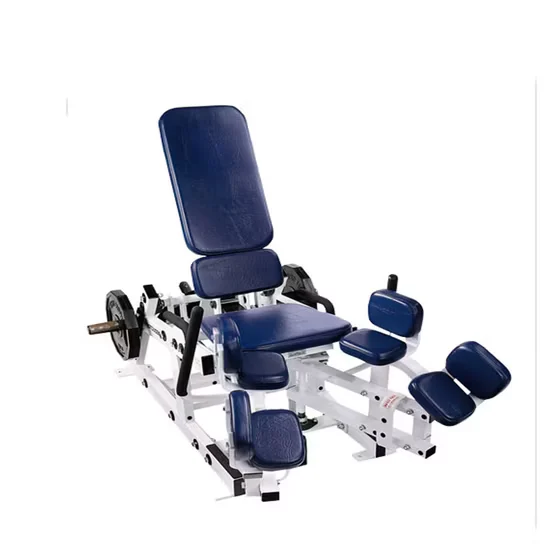
Whisper-Quiet Operation — a manually driven steel-frame design eliminates motors entirely, producing zero operational noise for noise-sensitive deployment floors.
Technical Specifications
| Parameter | Value |
|---|---|
| Product Type | Decline Abdominal Bench |
| Model NO. | 5062 |
| Power Source | Manual |
| Resistance Type | Bodyweight / Manual |
| Frame Material | Steel |
| Product Dimensions | 1650 × 650 × 800 mm |
| Net Weight | 36 kg |
| Max User Weight | 180 kg |
| Foldable | No |
| Frame Color | Customizable per order |
| Cushion Color | Customizable per order |
| Age Group | Adult |
| Gender | Unisex |
| Certification | ISO 9001, CE |
| Production Capacity | 500 units/month |
Application Suitability
| Deployment Scenario | Typical Use |
|---|---|
| Chain gym strength and functional training zone | High-frequency core conditioning circuits between peak hours |
| Hotel fitness center on guest room floors | Silent bodyweight training with no motor noise transfer to adjacent rooms |
| Corporate wellness room | Midday core sessions integrated into employee wellness programs |
| High-end residential home gym | Space-efficient core and decline work without electrical dependency |
| Community fitness center | Durable shared-use bench rated for continuous daily member traffic |
Why Zero Noise Matters When the Bench Sits Above Occupied Rooms
A fully manual frame removes every electrical noise source from the equation.
In hotel and residential deployments, cardio equipment on upper floors generates low-frequency vibration that travels through structural slabs. A decline abdominal bench operates without motors, flywheels, or belt drives, producing no vibration transfer to the floor below. Facility operators who have dealt with midnight noise complaints from guest rooms understand that eliminating powered components is the most reliable path to silent operation [NEED_CITE: acoustic transmission standards for fitness equipment on suspended floors].
The commercial decline abdominal bench gym deployment also removes voltage compatibility concerns entirely. No plug standard mismatch can delay installation when the equipment simply sits on the floor and accepts bodyweight resistance.
Core Training Positioning Within the Strength Zone
This decline abdominal bench targets the rectus abdominis, obliques, and hip flexors through adjustable-angle decline movements. In a commercial strength layout, it pairs with flat benches, cable stations, and free weight racks to complete a full core conditioning pathway. The 1650 × 650 mm footprint occupies minimal floor area, allowing placement along walls or between larger machines. Users up to 180 kg can perform decline sit-ups, leg raises, and weighted core work on this commercial decline abdominal bench gym unit without frame flex or instability.
Continuous Use and Environmental Requirements
Rated for professional gym and club environments, this bench supports continuous daily member rotation without cooldown periods or duty cycle limits. The steel frame requires no ventilation clearance and generates no heat output, so it can be positioned in enclosed corners or basement-level fitness rooms without airflow concerns [NEED_CITE: commercial fitness equipment spacing standards for non-powered units]. Floor leveling is critical — the four contact points must sit flat on a rigid surface to prevent wobble during dynamic decline movements. Rubber vibration pads beneath the feet protect finished floors and add stability on polished concrete or tile. Because no electrical connection is required, deployment teams skip dedicated circuit planning and focus on structural floor load verification instead.
Reading the Frame and Cushion Specifications
The welded steel frame provides the structural rigidity needed for repeated decline loading cycles. At 36 kg net weight, the bench resists tipping during aggressive leg-raise movements without requiring floor bolting. The cushion color and frame color are both customizable, allowing facility operators to match existing brand palettes across a multi-unit rollout [NEED_CITE: OEM customization standards for commercial fitness upholstery]. High-density foam filling resists compression deformation under continuous bodyweight loading — a critical factor because soft residential-grade padding collapses within months of commercial use, generating member discomfort and replacement costs. The 180 kg maximum user weight rating reflects commercial-grade structural margins, ensuring the frame handles heavy users performing weighted decline work without deflection.
The Hidden Cost of Underspecified Benches in Shared Facilities
Residential-grade abdominal benches deployed in commercial settings develop structural play at adjustment joints within the first year of continuous use. Cushion covers split under sweat exposure and UV light, while low-density foam compresses until the user feels the steel frame beneath. Facility operators then face batch replacement orders that cost more in downtime and member dissatisfaction than specifying commercial-grade materials upfront. Noise from loose joints and rattling adjustment pins adds to the complaint volume, particularly when the bench sits near quiet zones like hotel corridors or residential living spaces [NEED_CITE: commercial vs residential fitness equipment lifecycle comparison].
Why This Product Line Addresses Deployment Gaps
Every unit undergoes structural testing aligned with the 10,000-hour continuous-use durability standard applied across the cardio and strength range. The sub-35dB operational environment is maintained naturally — zero powered components means zero measurable noise output. OEM customization extends to frame color, cushion color, and branding, so a chain operator can standardize visual identity across dozens of locations from a single production run. The 1650 × 650 mm footprint is factored into the free 3D strength-zone layout service, which accounts for safe clearance on all sides for decline and leg-raise movements. Documentation includes EN 957 test reports and ISO 9001 certificates, and the 24/7 technical support channel covers structural or cushion warranty inquiries.
Documentation & Test Records
- CE declaration of conformity covering structural safety of the decline bench
- EN 957 test report verifying frame load rating and stability under dynamic use
- ISO 9001 certificate for manufacturing quality management
- Noise level test record confirming zero operational sound output
- Durability test record documenting frame and cushion compression performance
- Spare parts list covering cushion replacement and adjustment hardware
Installation, Commissioning & Maintenance
- Position the 1650 × 650 mm frame with minimum clearance on all sides for safe decline movement range
- Level all four contact points on rigid flooring and fit rubber pads to prevent sliding on polished surfaces
- No electrical circuit or dedicated power line required — verify structural floor load capacity instead
- Inspect adjustment mechanism locking pins at initial commissioning and after every 500 usage cycles
- Clean cushion surfaces daily with pH-neutral disinfectant to prevent foam degradation from sweat salts
- Check welded joints visually during quarterly preventive maintenance rounds for stress indicators
Requesting the Right Configuration for Your Facility
Provide the strength-zone square footage and planned unit count so the 3D layout service can calculate safe clearance zones around each bench. Specify whether the deployment floor sits above occupied rooms to confirm that manual-only operation meets the acoustic requirements. Indicate target market region so frame color and cushion color options align with brand standards. State whether OEM branding or custom packaging is needed for multi-location rollout coordination.
Frequently Asked Questions
Q: What structural differences separate this commercial bench from residential models?
A: The welded steel frame uses thicker gauge tubing rated for 180 kg continuous loading, while residential benches typically use thinner bolt-together assemblies. High-density cushion foam resists compression deformation under daily member traffic, and the adjustment mechanism uses hardened locking pins rather than plastic detents that wear loose over repeated angle changes.
Q: How does cushion material selection affect long-term comfort and durability?
A: High-density foam maintains its shape under continuous bodyweight loading, preventing the user from feeling the steel frame through compressed padding. Commercial-grade vinyl covers resist splitting from sweat exposure and cleaning chemicals, whereas residential covers degrade quickly under daily disinfectant wipe-downs required in shared facilities.
Q: What safety features does the angle adjustment mechanism include?
A: Hardened steel locking pins secure the decline angle at each position, preventing unintended movement during exercises. The mechanism requires deliberate manual release to change angles, so dynamic movements like weighted decline sit-ups cannot accidentally shift the bench position mid-set.
Q: What OEM customization options are available and what is the minimum order?
A: Frame color and cushion color are fully customizable to match brand palettes across multi-location deployments. Logo placement, custom packaging, and branded documentation are available. Contact the sales team with your unit count and target market to confirm applicable minimum order quantities and lead times.

![2019 Hammer Strength Gripper 22 Commercial Back Extension Machine [WARN] draft identifier mismatch](https://bicksport.com/wp-content/uploads/2026/08/2019-hammer-strength-gripper-22-commercial-back-extension-machine-warn-draft-identifier-mismatch-e47d74.webp)
![Plate Loaded Hammer Strength Lateral Low Row Gym Equipment [WARN] draft identifier mismatch](https://bicksport.com/wp-content/uploads/2026/08/plate-loaded-hammer-strength-lateral-low-row-gym-equipment-warn-draft-identifier-mismatch-927a88.webp)