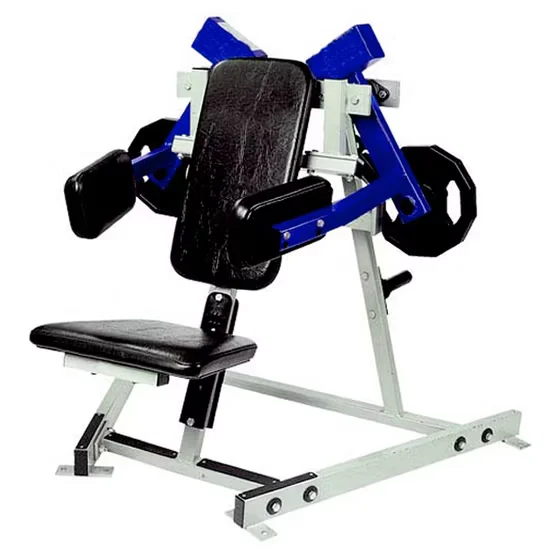
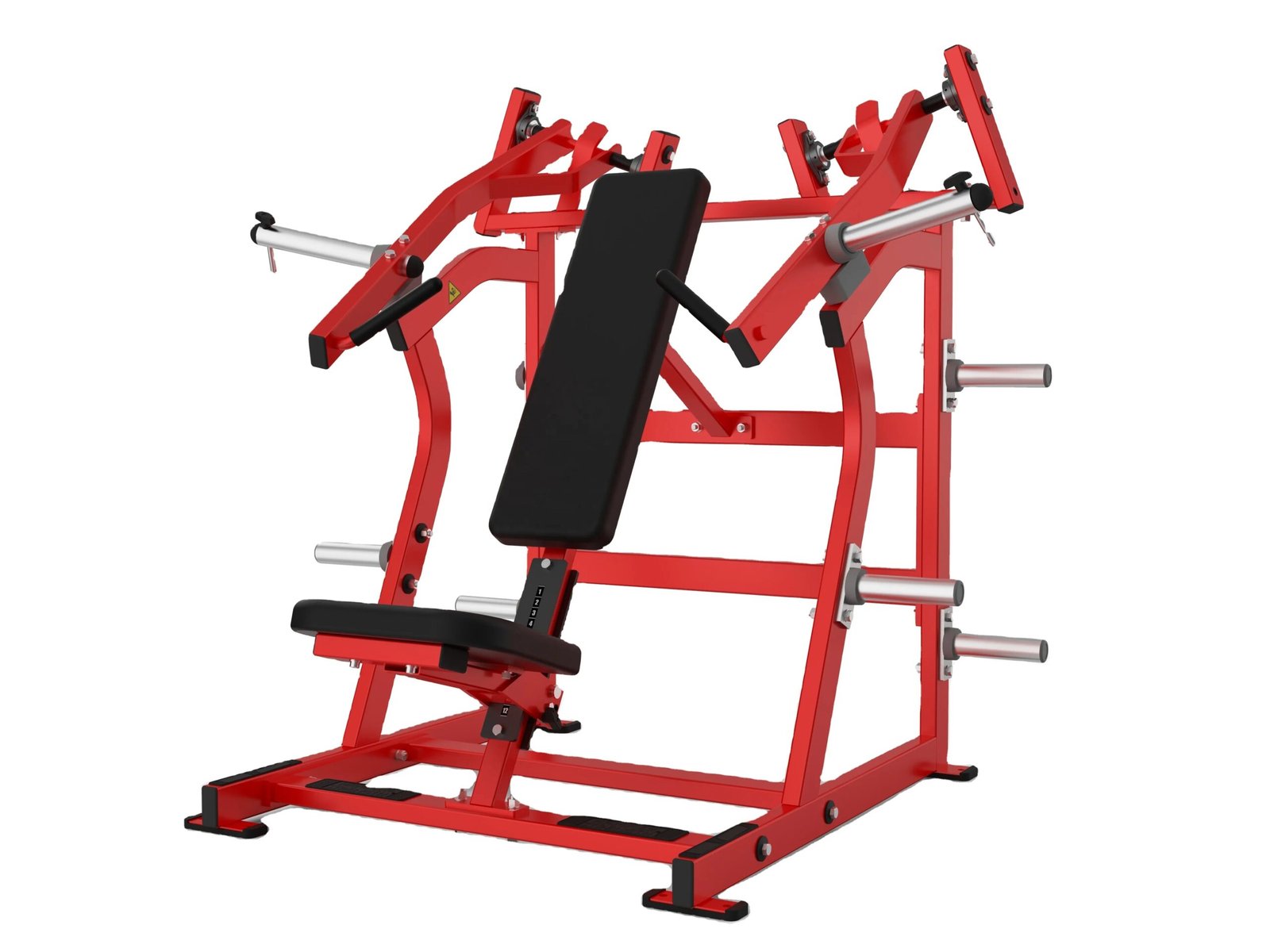
Combo Decline Fitness Machine for Commercial Gyms
Engineered for Heavy Cycles — Steel frame construction and reinforced weld points tested for continuous high-frequency operation in professional training environments.
Technical Specifications
| Parameter | Value |
|---|---|
| Product Type | Combo Decline Strength Machine |
| Material | Reinforced Steel |
| Exercise Focus | Multifunctional Decline Movements |
| Target Demographics | Adult, Unisex |
| Net Weight | 163 kg |
| Product Dimensions | 1650 × 1300 × 2440 mm |
| Max User Weight | 180 kg |
| Customization (OEM/ODM) | Available: Logo, Frame Color, Upholstery |
| Fit Area | Professional Gym, Club, Community Fitness Center |
| Certification | ISO 9001, CE |
Application Suitability
| Deployment Scenario | Typical Use |
|---|---|
| Professional Gym & Club Strength Zones | High-frequency compound movement training for diverse member bases |
| Community Fitness Center Multi-Station Areas | Space-efficient, multi-user durability for public access facilities |
| Hotel and Resort Fitness Facilities | Low-maintenance, heavy-duty strength training for transient guests |
| Sports Performance Training Centers | Biomechanically stable platforms for athlete-level load progression |
Why Frame Resonance Undermines Member Retention
Structural stability is the primary indicator of commercial longevity.
When equipment is subjected to heavy compound movements, any structural flex or joint play creates noticeable vibration. This instability not only distracts the user but also signals poor build quality. Many facilities discover too late that light-commercial frames cannot withstand the repetitive stress of a public gym environment, leading to premature wear on pivot points and upholstery mounts [NEED_CITE: EN 957 requirements for structural load testing in commercial environments].
Spatial Efficiency and Training Density
This commercial combo decline fitness machine consolidates multiple exercise patterns into a single, reinforced footprint. In high-traffic strength zones, it serves as a cornerstone for core and upper-body integration, complementing free-weight stations and cable systems. Its 163 kg mass provides a grounded, non-slip foundation that accommodates users up to 180 kg without requiring additional floor anchoring in most standard deployments.
Deployment Requirements for Continuous Uptime
Deploying strength equipment in a commercial environment requires attention to floor leveling and spatial clearance. The 1650 × 1300 mm footprint demands specific safety margins to ensure safe loading and unloading during peak hours. Facilities must also consider the equipment’s interaction with flooring systems; while the unit is self-stable, high-impact use cases benefit from industrial-grade rubber matting to dampen acoustic transfer to adjacent spaces [NEED_CITE: acoustic transfer and vibration management in multi-story fitness facilities].
Steel Kinematics and Load Mechanics
The engineering focus here is on the pivot-to-weight ratio. A 163 kg frame constructed from reinforced steel ensures that the center of gravity remains stable even during off-axis movements. Unlike consumer-grade units that use thinner gauge tubing, this system utilizes commercial-grade welding at high-stress junctions to eliminate the "rattle" often found in older multi-station units. The upholstery is designed for high-frequency contact, resisting degradation from sweat and friction over thousands of cycles.
The Operational Risk of Under-Specifying
Choosing equipment based on initial cost rather than duty cycle often results in "down-time debt." Light-commercial frames frequently develop structural play within the first year of public use, leading to member complaints regarding safety and noise. In a chain gym environment, the cost of replacing a fleet of under-specified machines far outweighs the initial investment in commercial-grade steel construction [NEED_CITE: total cost of ownership in commercial strength equipment fleets].
The Biketon Engineering Standard
Our approach to the commercial combo decline fitness machine is rooted in a 10,000-hour durability philosophy. Every unit is part of a broader facility ecosystem; our 3D layout planning ensures that the unit’s clearance requirements match your member flow patterns. We provide full OEM/ODM capabilities, allowing the frame color and upholstery to match your brand identity. From our ISO-certified production lines to 24/7 technical support, we treat every deployment as a long-term partnership.
Documentation & Test Records
- CE Declaration of Conformity for commercial strength deployment.
- EN 957 Test Report validating structural load and pivot safety.
- ISO 9001 Certificate for quality management systems.
- Material specification sheets for reinforced steel tubing.
- Upholstery and finish durability testing records.
Installation, Commissioning & Maintenance
- Verify floor leveling across the 1650 × 1300 mm footprint before securing.
- Maintain 1000 mm safety clearance on all sides for safe user access.
- Inspect pivot-point hardware and torque settings every 90 days.
- Use commercial-grade vinyl protectant on upholstery to prevent sweat damage.
- Check frame welds and joint stability during annual professional audits.
Strategic Equipment Selection
Provide your floor plan and occupancy targets to receive a 3D layout plan that optimizes the placement of this combo decline unit within your strength zone. Specify your expected daily user volume to ensure the upholstery and pivot systems are matched to your facility’s intensity. Confirm your target market’s specific safety and labeling requirements for a compliant delivery.
Frequently Asked Questions
Q: What level of customization is available for this strength machine?
A: We provide full OEM and ODM services for the commercial combo decline fitness machine. This includes custom frame powder-coating to match your gym’s color palette, branded upholstery embroidery, and specification adjustments to fit specific ceiling heights or floor plans. Minimum order quantities are flexible to accommodate both single-facility upgrades and international chain rollouts.
Q: How does the 163kg frame weight benefit a commercial gym environment?
A: The substantial mass of the reinforced steel frame provides inherent stability during heavy compound movements, eliminating the need for permanent floor anchoring in most cases. This weight ensures the machine remains grounded and rattle-free, even under high-frequency use by athletes and heavy-load training programs common in professional gym environments.
Q: What maintenance is required for the pivot and joint systems?
A: While the unit is designed for low-maintenance commercial use, we recommend a quarterly inspection of all pivot-point hardware and moving joints. This involves checking torque settings on bolts and lubricating any bushings or bearings as specified in the technical manual. This routine ensures the machine remains whisper-quiet and structurally sound over its operational lifespan.
Q: How does this machine integrate into a complete strength zone layout?
A: Our engineering team provides 3D cardio and strength zone layouts that consider sightlines, airflow, and member flow. The combo decline machine is typically positioned as a high-traffic multi-station hub. We help you determine the optimal safety spacing and floor matting requirements to ensure the unit functions seamlessly within your broader equipment ecosystem.
Q: What certifications does this equipment carry for international export?
A: This equipment is manufactured under ISO 9001 protocols and carries CE certification for entry into European and most international markets. We provide all necessary documentation, including EN 957 test reports and material safety declarations, to ensure your facility meets local commercial safety and liability standards for public use environments.