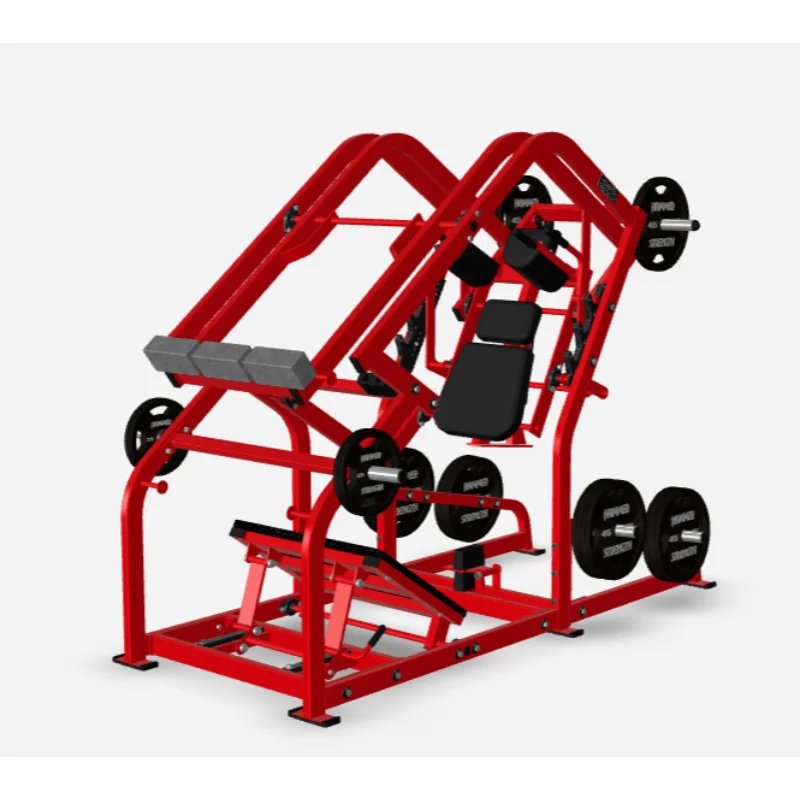
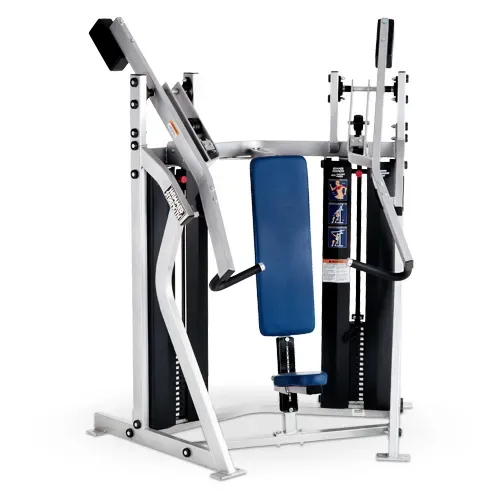
Steel Frame Durability — Reinforced welding at high-stress joints verified through continuous high-frequency load testing for commercial environments.
Technical Specifications
| Parameter | Value |
|---|---|
| Product Type | Utility Bench |
| Model NO. | 5065 |
| Material | Steel |
| Exercise Part | Chest |
| Product Dimensions | 1120×640×1145mm |
| Net Weight | 28kg |
| Max User Weight | 180kg |
| Incline Angle | 75 Degree |
| Age Group | Adult |
| Gender | Unisex |
| Certification | ISO 9001, CE |
| OEM/ODM | Available |
Application Suitability
| Deployment Scenario | Typical Use |
|---|---|
| Commercial gym free weight zones | High-frequency chest press and incline dumbbell training |
| Community fitness centers | Versatile bench for multiple user levels and exercise variations |
| Hotel fitness rooms | Compact footprint for space-constrained layouts |
| Professional sports training centers | Heavy-load upper chest isolation for athlete programming |
| Chain gym strength floors | Durable bench complementing plate-loaded and selectorized machines |
Why Commercial Bench Frames Fail Before the Warranty Expires
Weld integrity at seat-to-base and backrest joints determines whether a bench survives its first year in a 24/7 gym.
I have seen benches with thin-gauge tubing and spot-welded joints develop hairline cracks within months when deployed in high-traffic free weight zones. Members start avoiding the equipment, complaints reach the front desk, and the operator faces an unplanned replacement cycle. [NEED_CITE: structural fatigue patterns in commercial utility bench frames under dynamic loading]. A commercial utility bench 75 degree chest press unit must withstand repeated loading and unloading, sweat corrosion, and occasional drops — conditions that expose inadequate frame engineering quickly.
Where This Bench Fits in the Strength Training Floor
This 75-degree utility bench targets upper chest and shoulder pressing movements, occupying the incline training niche between flat benches and adjustable FID units. In a commercial free weight zone, it pairs with flat and decline benches to give members a complete pressing angle spectrum without requiring adjustable mechanisms that add maintenance points. The 180kg max user weight accommodates heavy dumbbell and barbell work across diverse body types. The compact 1120×640mm footprint fits tight rack bays and dumbbell aisles where floor space commands premium placement decisions. A commercial utility bench 75 degree chest press unit at this angle is the most requested fixed incline in strength floor layouts.
Deployment Conditions That Determine Equipment Longevity
Daily throughput in a busy commercial gym subjects bench frames to hundreds of sit-down and stand-up cycles, each introducing lateral shear at the base joints. [NEED_CITE: duty cycle expectations for commercial strength equipment in 24/7 facilities]. Floor leveling becomes critical — uneven surfaces concentrate load on two feet instead of distributing across four, accelerating fatigue at weld points. Rubber feet and adjustable levelers must contact the floor firmly to prevent rocking during heavy presses. Placement away from direct HVAC vents reduces vinyl degradation from repeated thermal cycling. Sweat exposure in high-humidity zones demands that padding covers resist chemical cleaning agents used in commercial sanitation protocols.
Frame Gauge, Padding Density, and What the Spec Sheet Leaves Out
The steel frame construction uses reinforced welding at high-stress joints — specifically where the backrest meets the base upright and where the seat rail connects to the rear stabilizer. These junctions bear the highest bending moments when a loaded user shifts position. High-density padding wrapped in commercial-grade vinyl resists compression set, meaning the bench does not develop permanent body impressions after months of continuous use. The vinyl formulation tolerates frequent wiping with quaternary ammonium disinfectants without cracking or delaminating. Non-slip rubber feet combined with thread-adjustable levelers handle gym flooring that is rarely perfectly flat, keeping the bench planted during heavy incline dumbbell presses.
The Hidden Cost of Spec-Down Bench Procurement
Operators who source benches based solely on unit price discover the gap within six months. Padding that compresses flat under commercial traffic generates member complaints about hip and lower back discomfort, driving users toward adjustable benches that isolate the problem joint. [NEED_CITE: member retention correlation with strength equipment comfort in commercial facilities]. Frame tubes that lack internal gussets at junction points develop visible flex under load, signaling structural compromise before outright failure. Vinyl covers that crack along seam lines expose foam padding to sweat infiltration, creating odor and hygiene issues that no amount of surface cleaning resolves. Replacing an entire bench fleet costs multiples of the original unit-price savings.
Why This Product Line for Commercial Strength Floors
Every bench in this range undergoes frame load testing at maximum user weight with dynamic cycling to validate weld integrity before shipment. The 75-degree angle is held to tight tolerance so that bilateral pressing movements remain symmetrical under load — a detail that matters when members are training with heavy dumbbells. The 180kg capacity covers the full commercial user spectrum without requiring operators to stock separate heavy-duty variants. OEM options extend to frame color, vinyl texture, and logo embroidery on padding, allowing gym chains to maintain brand consistency across locations. The compact footprint and 28kg net weight make repositioning feasible during floor layout adjustments without specialized equipment.
Documentation & Test Records
- CE declaration of conformity for commercial strength equipment
- EN 957 test report covering structural integrity and stability
- ISO 9001 certificate for manufacturing quality management
- Frame durability test record under cyclic loading
- Padding density and vinyl tear-resistance test documentation
- Installation guide with floor leveling and spacing requirements
Installation, Commissioning & Maintenance
- Maintain 600mm clearance on all sides for safe dumbbell loading and member passage around the 1120×640mm footprint
- Use adjustable foot levelers to eliminate rocking on uneven gym flooring before first use
- Inspect seat-to-base and backrest weld joints quarterly for any visible stress marks
- Wipe vinyl padding daily with commercial-grade disinfectant compatible with heavy-duty vinyl surfaces
- Check rubber foot condition semi-annually and replace if compression set causes instability
- Verify all threaded fasteners at frame junctions every 90 days under high-frequency deployment
Planning Your Strength Floor Equipment Specification
Provide your free weight zone dimensions and target bench count to receive a layout plan addressing member flow and dumbbell rack proximity. Specify your expected daily user volume so we can confirm the frame duty cycle matches your operational demands. Indicate your target market for any applicable import standards alignment. Note whether OEM customization is needed for frame color, vinyl selection, or branded padding.
Frequently Asked Questions
Q: What steel grade and welding standards ensure long-term bench durability?
A: The frame uses structural steel with reinforced welding at all high-stress junctions, particularly the seat-to-base and backrest-to-upright connections. Each weld point is inspected for penetration depth and consistency. This construction approach ensures the frame resists the lateral shear and bending moments generated during heavy incline pressing without developing flex or fatigue cracks over extended commercial use.
Q: How does padding density affect comfort during extended chest press sessions?
A: High-density foam resists compression set, maintaining consistent support across the seat and backrest even after months of continuous use. Low-density padding collapses under repeated loading, creating pressure points at the hips and upper back that cause member discomfort. The commercial-grade vinyl cover adds a tear-resistant barrier that withstands frequent cleaning without degrading.
Q: Can this bench handle continuous use in 24/7 commercial gym environments?
A: The steel frame and reinforced welding are engineered for high-frequency deployment. The 180kg max user weight rating and commercial-grade padding materials are selected specifically for environments where equipment sees back-to-back usage throughout operating hours. Non-slip rubber feet and adjustable levelers maintain stability regardless of shift changes and cleaning cycles.
Q: What maintenance is required for bench frames and upholstery?
A: Quarterly inspection of weld joints and threaded fasteners catches potential issues before they affect structural integrity. Daily vinyl wiping with compatible disinfectant prevents sweat accumulation and chemical degradation. Semi-annual rubber foot checks ensure continued stability. These maintenance intervals align with standard commercial gym equipment service schedules without requiring specialized tools.
Q: How does the 75-degree angle compare to standard 45-degree incline benches for chest activation?
A: The 75-degree incline places greater emphasis on the upper pectoral fibers and anterior deltoids compared to a 45-degree bench. This angle fills a specific training niche in the free weight zone, complementing flat and moderate-incline benches to give members a complete pressing spectrum. The fixed angle eliminates adjustment mechanisms that would otherwise add maintenance requirements in commercial settings.