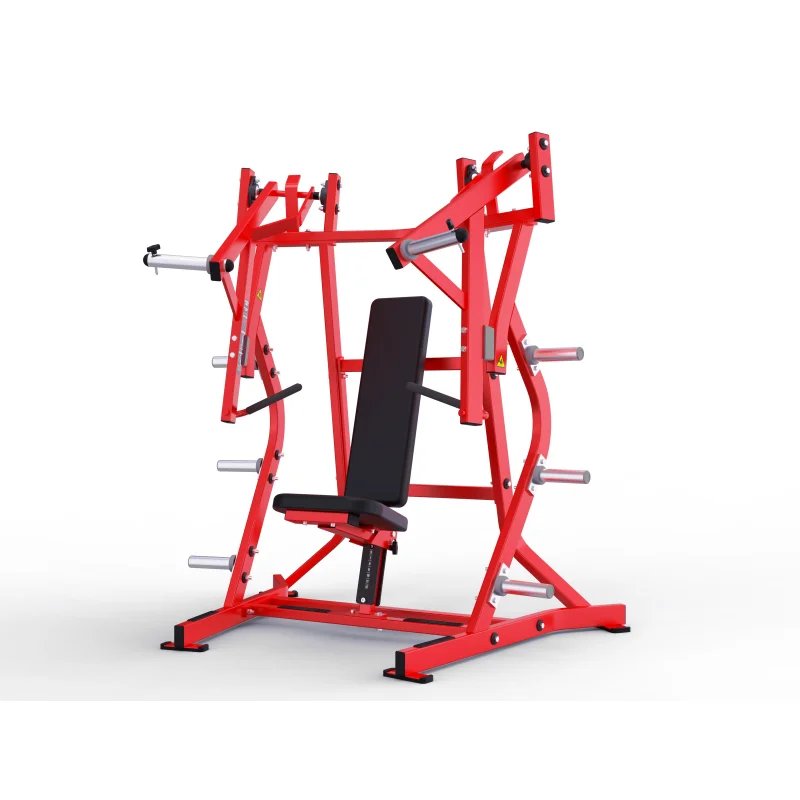
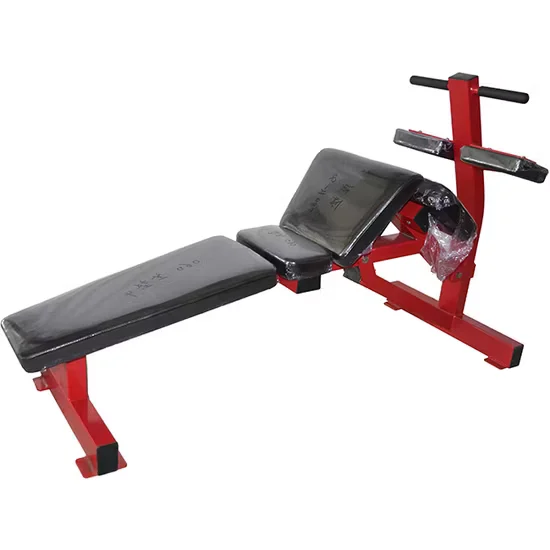
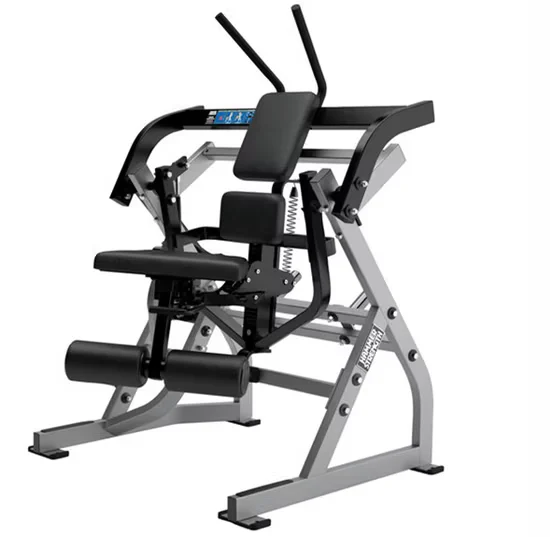
Reinforced Pivot Architecture — Sealed bearing joints and a heavy-gauge steel frame tested to withstand continuous high-frequency use without structural flex or maintenance drift.
Technical Specifications
| Parameter | Value |
|---|---|
| Product Type | Seated Dip Machine |
| Exercise Part | Tricep DIP |
| Material | Steel |
| Product Dimensions | 1833 × 1492 × 1110 mm |
| Net Weight | 163 kg |
| Max User Weight | 180 kg |
| Age Group | Adult |
| Gender | Unisex |
| Certification | ISO 9001, CE |
| OEM/ODM | Available |
Application Suitability
| Deployment Scenario | Typical Use |
|---|---|
| Chain gym strength zone | High-frequency tricep isolation training across diverse member populations |
| Hotel fitness center on guest room floors | Compact footprint deployment where quiet operation and durability are mandatory |
| Corporate wellness room | Employee strength training with commercial-grade uptime requirements |
| Community fitness center | Public-access environments demanding low maintenance and high structural endurance |
| Sports performance training center | Athlete upper-body conditioning requiring biomechanically aligned movement paths |
Why Pivot Wear Drives Maintenance Calls Before Frame Flex Does
Sealed bearings at every pivot point eliminate the friction drift that bushings produce under daily commercial loads.
In shared gym environments, the seated dip station sees constant loading cycles from users of varying strength and technique. Open bushing designs gradually develop play, creating clicking sounds and uneven resistance that members notice before facility staff does. A commercial seated dip machine tricep station with sealed bearings maintains consistent motion throughout the rotation arc, keeping maintenance intervals measured in years rather than months. The frame itself must resist torsional stress during heavy eccentric phases — reinforced steel construction with full-perimeter welding prevents the micro-flex that eventually compromises pad alignment. [NEED_CITE: pivot bearing lifecycle comparison in commercial strength equipment]
Positioning Within a Commercial Strength Floor Layout
This machine fills the tricep isolation role in a strength zone, complementing compound pressing stations and cable systems. Users move through controlled concentric and eccentric phases targeting the triceps brachii, with the seated configuration removing the balance demands of bodyweight dip bars. The 1833 × 1492 mm footprint fits standard equipment spacing grids while leaving clearance for loading and unloading. It accommodates users across a wide anthropometric range, with handle and seat geometry aligned to reduce shoulder joint stress during isolation work. The commercial seated dip machine tricep unit serves high-traffic zones where free-weight dip stations would create congestion.
Deployment Density and Environmental Load Considerations
Facilities running sixteen or more operating hours daily subject every pivot and weld to thousands of cycles per week. The 163 kg net weight anchors the frame against lateral movement during heavy repetitions without requiring floor bolts in most installations. Ground-level concrete slabs provide the most stable base, while upper-floor deployments benefit from rubber isolation pads to prevent vibration transmission to adjacent rooms. Adequate clearance on all sides ensures users can approach and exit safely during peak traffic periods. [NEED_CITE: floor load requirements for commercial strength equipment on suspended slabs]
Decoding the Frame and Bearing Specifications
The 180 kg max user weight rating reflects structural capacity verified through static and dynamic load testing on the reinforced steel frame. Steel construction at this weight class requires sufficient wall thickness in the tubing to resist deformation under offset loading — when a user shifts weight unevenly during the final repetitions of a set. Sealed bearing pivots outperform bushing alternatives because they maintain precise rotational alignment without periodic lubrication. Bushings compress and develop radial play over time, introducing wobble that transfers to the handle grips. The 163 kg net weight indicates substantial material mass throughout the frame, contributing to stability during aggressive loading patterns.
The Cost of Underspecifying Commercial Strength Stations
Facilities that select light-duty frames for cost savings encounter premature pad wear as the seat and backrest shift under repeated loading. Bushing-type pivots develop slack within the first year of commercial operation, generating noise complaints and requiring service calls that accumulate rapidly across a multi-unit deployment. Frames built with thinner-gauge steel flex under heavier users, creating a perception of instability that drives members toward competing facilities. Procurement teams reviewing warranty claims often discover that the initial savings on the commercial seated dip machine tricep purchase are offset by replacement costs and member dissatisfaction. [NEED_CITE: warranty claim frequency for light-commercial versus full-commercial strength equipment]
Why This Product Line Meets Continuous-Use Demands
Every unit in this cardio and strength family undergoes 10,000-hour durability testing on moving components, ensuring pivot bearings and frame welds perform under sustained commercial loads. Sub-35dB operation verified across the product range means this seated dip station deploys on hotel guest-room floors without generating noise complaints. Full OEM and ODM capability covers frame color, pad upholstery, and branding to match facility design standards. The six-series product family allows a facility to source every cardio and strength discipline from one production line with consistent build quality. Free 3D layout planning addresses equipment spacing, sightlines, and member flow for the complete strength zone. Round-the-clock technical support ensures replacement parts and troubleshooting guidance are available regardless of time zone.
Documentation & Test Records
- CE declaration of conformity covering structural and safety requirements
- EN 957 test report validating commercial strength equipment standards
- ISO 9001 certificate confirming quality management across manufacturing
- Noise level test report verifying operational sound output
- Durability test record documenting pivot and frame lifecycle performance
- Motor and mechanical specification sheet with material grade details
Installation, Commissioning & Maintenance
- Verify floor levelness across the 1833 × 1492 mm footprint before positioning the 163 kg frame
- Maintain minimum clearance on all sides for safe user approach and exit paths
- Inspect all pivot bearing seals and fastener torque during initial commissioning
- Schedule bearing seal inspection at intervals matching facility traffic volume
- Clean upholstery with non-corrosive solutions to prevent pad foam degradation
- Confirm OEM branding and color specifications match deployment environment standards
Equipment Selection and Deployment Inquiry
Provide your strength zone square footage and equipment list to receive a detailed 3D layout covering spacing and member flow. Specify daily operating hours and expected user volume so we can confirm pivot bearing and frame durability alignment. Identify deployment floor level and adjacent room usage to determine whether vibration isolation measures are necessary. Confirm target market voltage and plug standards if any powered accessories are included in your configuration.
Frequently Asked Questions
Q: What frame material and thickness is used for commercial-grade durability?
A: The frame uses reinforced steel construction engineered for continuous high-frequency commercial environments. Material thickness and welding specifications are documented in the mechanical specification sheet provided with each unit. The 163 kg net weight reflects substantial structural mass designed to resist deformation under repeated loading cycles across the full 180 kg user capacity range.
Q: How do sealed bearings compare to bushings in high-frequency use environments?
A: Sealed bearings maintain precise rotational alignment without periodic lubrication, while bushings gradually compress and develop radial play under daily commercial loads. This play introduces handle wobble and noise that members notice before maintenance staff does. Sealed bearing pivots extend service intervals and preserve the smooth motion quality expected in professional gym environments.
Q: Can the seat and handle positions accommodate different user body types?
A: The biomechanically aligned seat and handle geometry is engineered to minimize shoulder joint stress across a wide range of user anthropometrics. The fixed configuration provides consistent movement paths that reduce injury risk compared to adjustable mechanisms that develop play over time. Pad positioning supports proper tricep isolation for adult users within the 180 kg capacity rating.
Q: What OEM customization options are available for facility branding?
A: Customization covers frame color, pad upholstery material and color, and facility branding elements applied during production. Lead time and minimum order quantity depend on the scope of customization requested. All OEM modifications maintain the structural and safety specifications documented in the CE and ISO 9001 certifications.