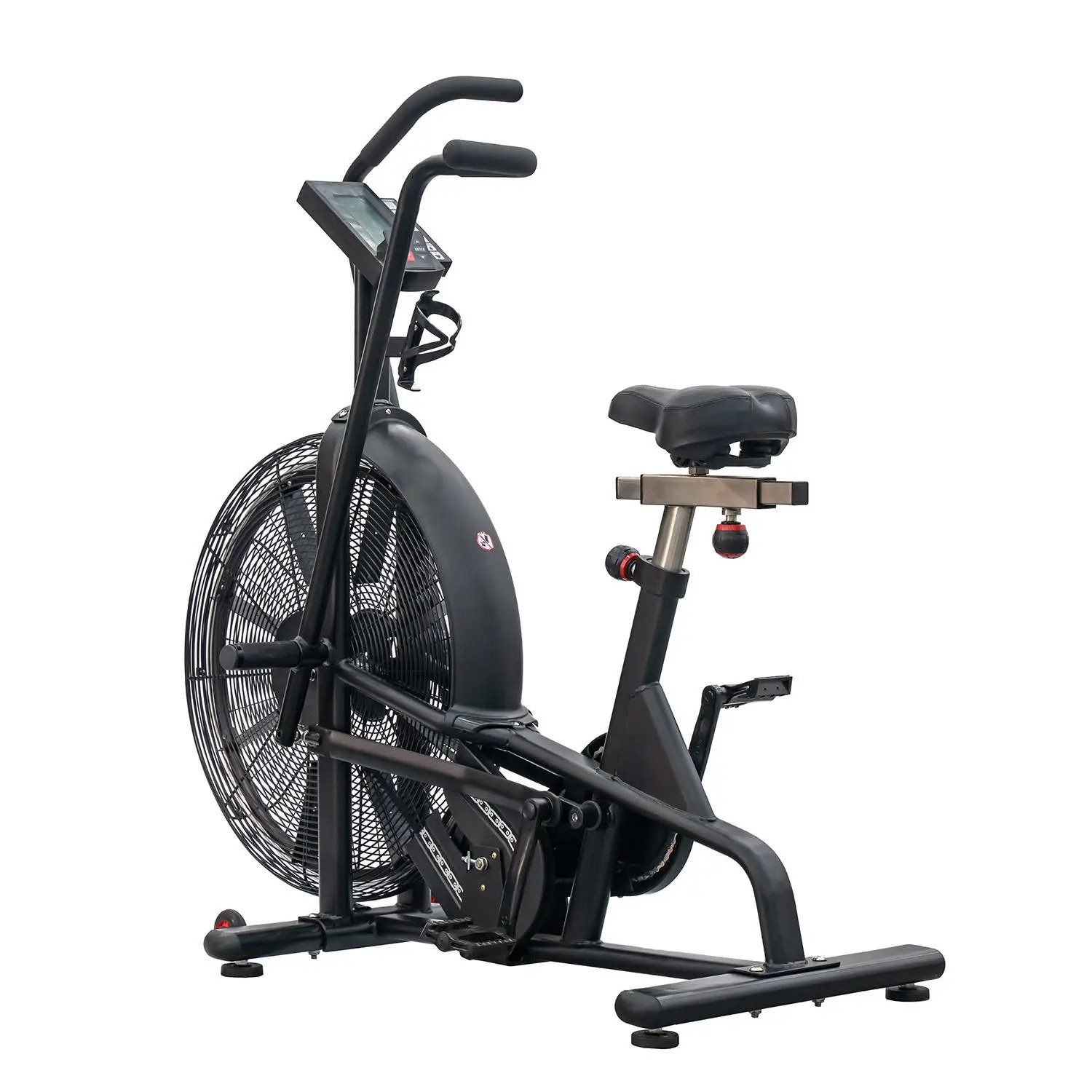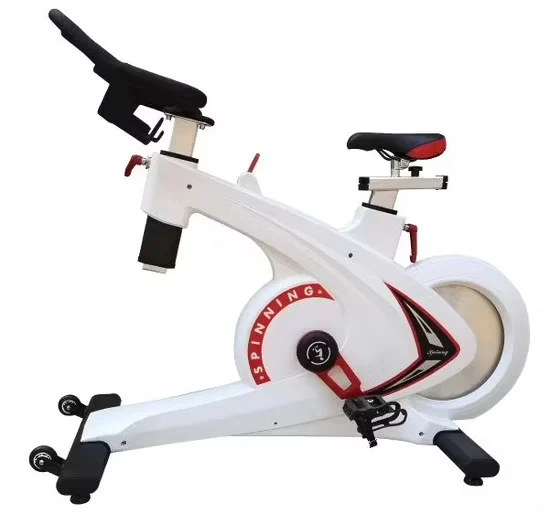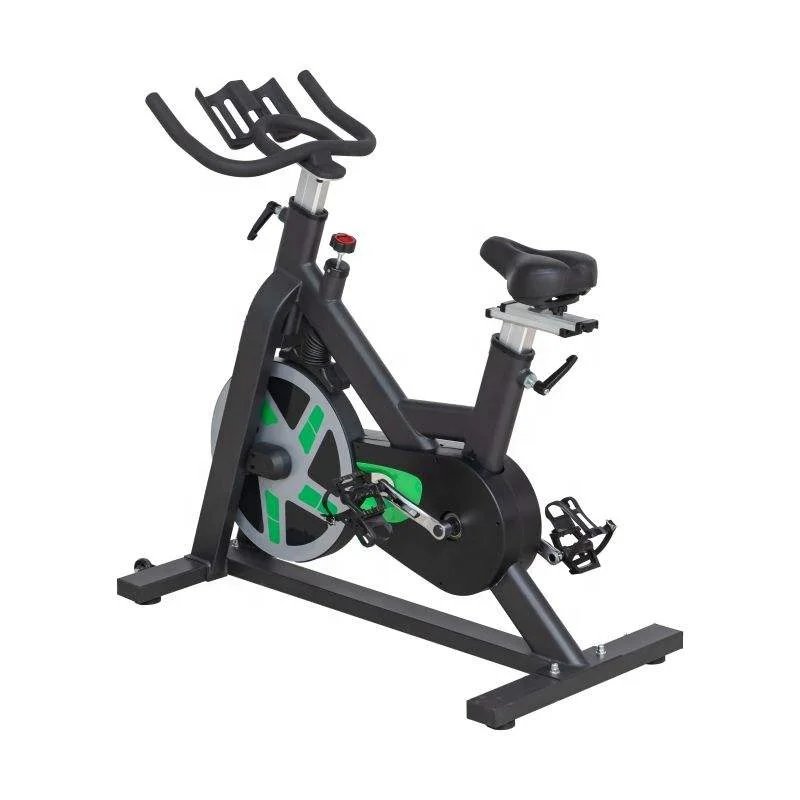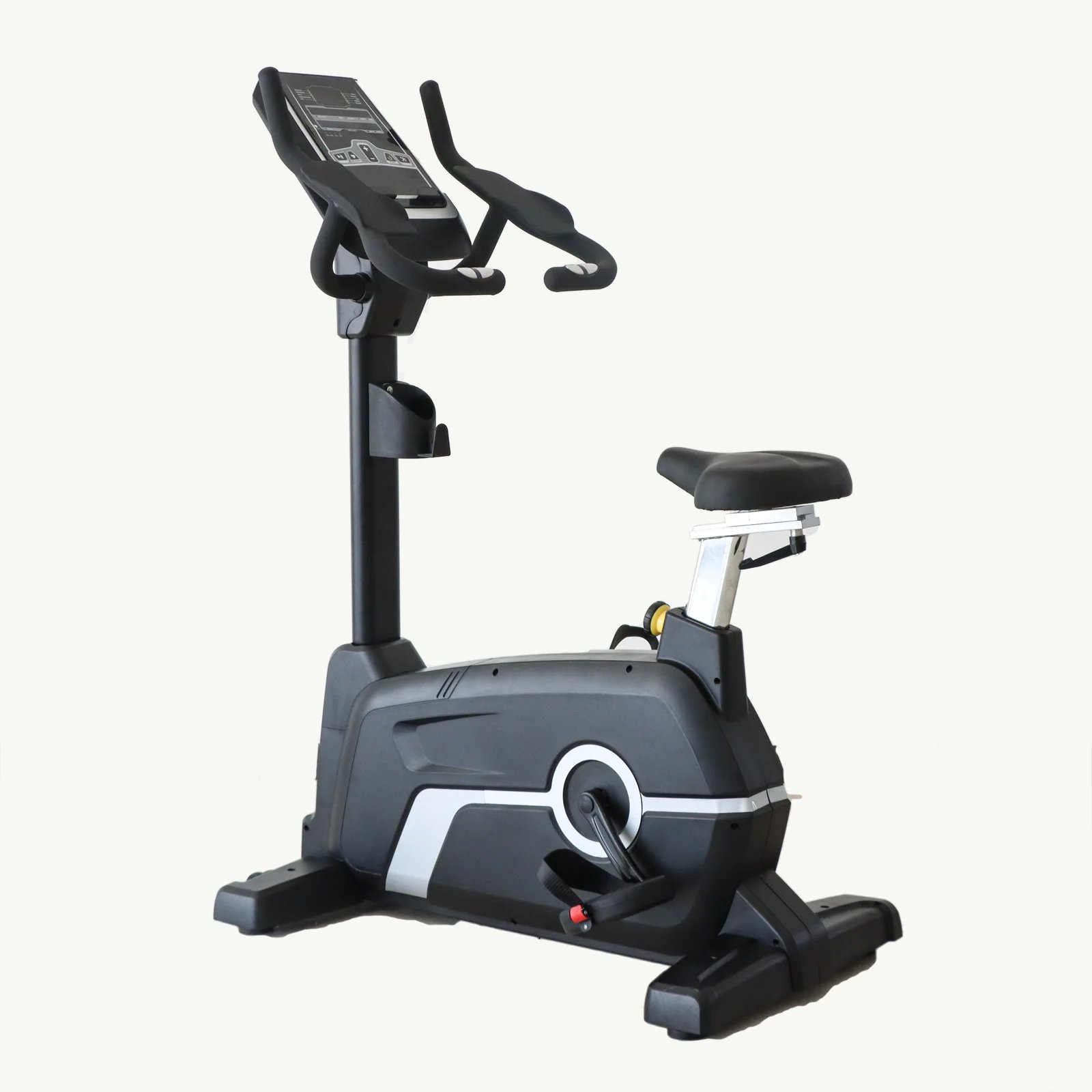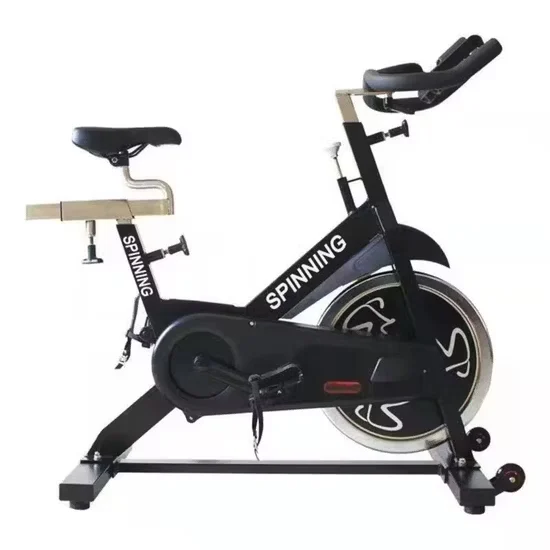
Power-Style Resistance Stability — Engineered for consistent tension output across thousands of high-intensity cycling sessions in demanding commercial environments.
Technical Specifications
| Parameter | Value |
|---|---|
| Designation | Savo-008(Spinning Bike other) |
| Product Type | Spin Bike |
| Resistance Mechanism | Power-Style Resistance Adjustment |
| Max User Weight | 158.8 kg |
| Net Weight | 58 kg |
| Dimensions (L×W×H) | 1250 × 520 × 1200 mm |
| Folded Configuration | Unfolded |
| Certification | CE, GS, RoHS, FCC |
| Target User | Adult |
| Condition | New |
| Origin | Shandong, China |
Application Suitability
| Deployment Scenario | Typical Use |
|---|---|
| Hotel fitness center on guest room floors | 24/7 guest access with minimal noise transfer to adjacent rooms |
| Chain gym cardio zone | High-frequency group cycling classes and open-floor individual sessions |
| Corporate wellness room | Employee fitness breaks with quick-mount adjustment between users |
| High-end residential home gym | Daily personal training with commercial-grade durability expectations |
| Sports performance training center | Athlete conditioning with repeatable resistance curves for interval protocols |
Why Power-Style Resistance Outlasts Friction Pads in Commercial Spin Bike Deployments
Consistent tension delivery without the wear cycle that forces quarterly pad replacements.
Friction-based resistance systems on commercial spin bikes degrade predictably — the felt or leather pad compresses, the adjustment knob develops play, and members start requesting bikes that "feel right." In hotel fitness centers and chain gym cardio zones, this drift shows up as usage imbalance: a few bikes get all the traffic while others sit idle. The power-style resistance adjustment on the Savo-008(Spinning Bike other) eliminates the consumable friction interface entirely [NEED_CITE: resistance mechanism durability comparison in commercial cycling equipment].
When a spin bike sits on a hotel floor above occupied guest rooms, noise transmission becomes a procurement-level concern, not just a maintenance one. Power-style resistance avoids the pad-on-flywheel contact noise that intensifies as friction surfaces wear unevenly.
Where This Spin Bike Fits in a Mixed Cardio Zone
The Savo-008(Spinning Bike other) covers high-cadence cycling and sustained climbing resistance, filling the intensity range between recumbent bikes and stair climbers in a mixed cardio layout. Its 58 kg net weight and unfolded footprint anchor it on open training floors without requiring floor bolt-down. The 158.8 kg max user weight accommodates the broad user profile expected in hotel fitness centers and commercial gym environments. This commercial spin bike with power resistance complements treadmill and elliptical stations by offering a zero-impact, high-output alternative that members can mount and adjust within seconds.
Deployment Considerations for Continuous Daily Operation
A hotel fitness center running 24/7 demands equipment that tolerates near-continuous occupancy with minimal thermal buildup. The Savo-008(Spinning Bike other) requires standard indoor climate conditions and level flooring to maintain frame alignment under repeated high-torque pedal strokes. Power-style resistance generates negligible heat compared to friction-based systems, reducing ventilation demands in enclosed cardio rooms [NEED_CITE: thermal output comparison between resistance mechanisms in indoor cycling equipment]. Ground-level placement or upper-floor deployment both work, though upper floors benefit from vibration-dampening mats beneath the 1250 × 520 mm footprint. Electrical requirements follow standard regional voltage for any electronic console additions. No dedicated circuit is needed for the resistance mechanism itself.
Reading the Power-Style Resistance Specification
Power-style resistance adjustment uses a mechanical leverage system that applies progressive load to the drivetrain without direct surface contact on the flywheel. This differs fundamentally from friction systems where pad compression determines resistance feel and from magnetic systems where field gap controls eddy current braking. The trade-off is a resistance curve that feels mechanical and direct — preferred by experienced cyclists who want predictable feedback through the pedal stroke. The 58 kg frame mass absorbs vibration that lighter bikes transmit through the floor, while the 1250 × 520 × 1200 mm envelope provides adequate handlebar reach and saddle adjustment range for most adult riders. The welded steel construction and 158.8 kg load rating reflect commercial duty-cycle expectations rather than light-commercial compromises.
What Spec-Down Decisions Cost Over Two Years
Procurement teams comparing spin bikes often focus on unit price and overlook what friction pad replacement schedules cost in labor and member dissatisfaction. Bikes with lighter frames — 40 kg or below — develop headset and bottom bracket play under commercial cycling loads, creating maintenance cycles that pull units off the floor repeatedly [NEED_CITE: maintenance interval comparison for commercial spin bikes by frame weight class]. Voltage mismatches discovered after container arrival delay deployment by weeks. Noise from worn friction pads escalates guest complaints in hotel environments where the fitness center shares walls with occupied rooms. The Savo-008(Spinning Bike other) avoids these failure modes through its power-style resistance mechanism and commercial-grade frame construction.
Why This Product Line Addresses the Full Cardio Brief
The Savo-008(Spinning Bike other) is part of a six-series commercial cardio family covering treadmills, bikes, ellipticals, rowers, stair climbers, and spinning bikes — allowing a single source for an entire cardio zone. Every unit undergoes 10,000-hour durability testing on core mechanical components before release. The OEM program covers console UI customization, color, and branding, with flexible minimums. When planning cardio zones, the 1250 × 520 mm footprint of this spin bike feeds directly into 3D layout and airflow planning that accounts for member flow, sightlines, and HVAC load. Sub-35 dB operation verified across the cardio range means deployment above guest rooms or beside quiet zones does not trigger acoustic complaints [NEED_CITE: acoustic requirements for fitness equipment on occupied hotel floors]. 24/7 technical support backs every deployment.
Documentation & Test Records
- CE declaration of conformity for the Savo-008(Spinning Bike other) frame and components
- EN 957 test report covering structural integrity and load cycle performance
- ISO 9001 certificate for manufacturing quality management system
- RoHS compliance documentation for all electronic and coated components
- Noise level test record from independent acoustic measurement
- Durability test log documenting continuous load cycle verification
Installation, Commissioning & Maintenance
- Position the Savo-008(Spinning Bike other) with minimum 500 mm clearance on all sides for user mounting
- Place on level floor with vibration-dampening mat under the 1250 × 520 mm base footprint
- Verify regional voltage matches any optional console before first power connection
- Calibrate power-style resistance lever through full range during initial commissioning
- Inspect drivetrain tension and bottom bracket torque at scheduled maintenance intervals
- Wipe frame and handlebars after each use to prevent sweat corrosion on welded joints
Getting the Equipment Selection Right
Share your cardio zone floor area and target unit count to receive a 3D layout with airflow planning that accounts for the 1250 × 520 mm footprint and member circulation patterns. Specify expected daily usage hours to confirm the power-style resistance mechanism matches your duty-cycle requirements. Identify deployment floor level and adjacent room types to validate acoustic compatibility. Confirm your target market voltage standard and whether console data integration with your facility management system is required.
Frequently Asked Questions
Q: What is the difference between power-style resistance and magnetic or friction resistance?
A: Power-style resistance uses a mechanical leverage mechanism to apply progressive load without direct flywheel surface contact. Friction systems rely on pad compression that wears over time, requiring periodic replacement. Magnetic systems use electromagnetic field gaps for resistance. Power-style delivers a direct mechanical feel preferred in group cycling environments and eliminates the consumable pad replacement cycle that friction systems require.
Q: How does the 158.8 kg max load compare to other commercial spin bikes?
A: This rating places the Savo-008(Spinning Bike other) firmly in the commercial duty class, accommodating the full adult user spectrum expected in hotel fitness centers and chain gym environments. Light-commercial models often rate at 120–130 kg, which excludes a significant portion of users and accelerates frame fatigue under high-frequency deployment.
Q: Is this spin bike suitable for 24/7 hotel fitness center use?
A: Yes. The power-style resistance mechanism generates minimal heat and has no friction consumables, reducing maintenance interventions during continuous operation. The 58 kg frame mass and commercial-grade construction tolerate the usage density of always-access hotel fitness environments without the premature wear patterns seen in light-commercial equipment.
Q: What maintenance does the power-style resistance system require?
A: The mechanism requires periodic inspection of the leverage linkage and pivot points for wear and lubrication. Unlike friction pad systems that need scheduled pad replacement, power-style resistance has no consumable contact surface. Drivetrain tension and bottom bracket torque should be checked at standard commercial maintenance intervals to maintain consistent pedal feel.
Q: Can this equipment integrate with gym management software for usage tracking?
A: Integration depends on the console configuration selected. The base Savo-008(Spinning Bike other) operates without electronic console dependency for resistance control. For deployments requiring usage analytics or member app synchronization, specify the console option with data connectivity during the equipment selection phase so compatibility can be confirmed against your facility management platform.