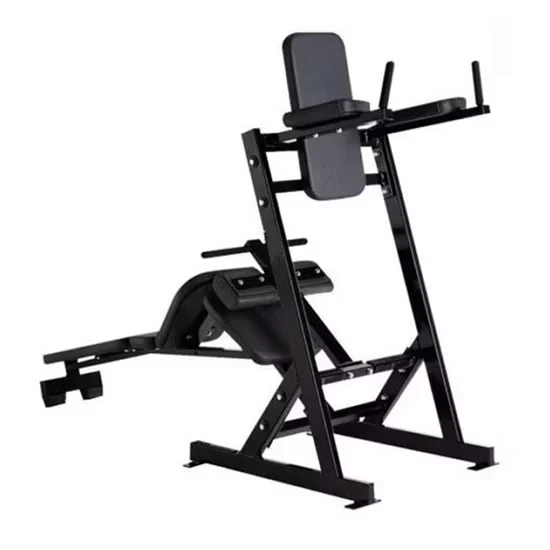
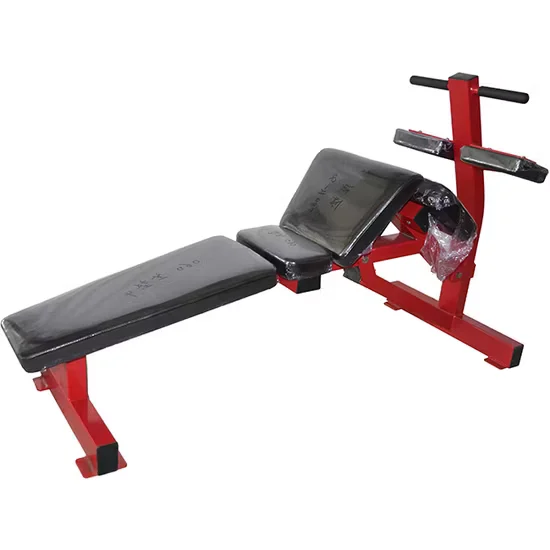
Continuous Load Endurance — Steel frame construction validated for high-frequency loading cycles across commercial strength zones.
Technical Specifications
| Parameter | Value |
|---|---|
| Product Type | Adjustable Bench |
| Model NO. | OS-H5067 |
| Frame Material | Steel |
| Backrest Positions | Incline / Flat / Decline |
| Product Dimensions | 1673 × 706 × 1390 mm |
| Net Weight | 38 kg |
| Target User Group | Adult |
| Application | Fitness Center, Gymnasium |
| Function | Body Building |
| Exercise Focus | Arm, Chest, Shoulder |
| Color | Optional |
| OEM | Available |
| Certification | ISO 9001, CE |
| Production Capacity | 500 Units Per Month |
Application Suitability
| Deployment Scenario | Typical Use |
|---|---|
| Chain gym free weight zone | High-frequency bench pressing and dumbbell routines |
| Corporate wellness room | Multi-angle strength sessions during employee breaks |
| Hotel fitness center | Versatile benching for varied guest training preferences |
| Sports performance training center | Incline and decline loading for athlete conditioning |
| Community fitness center | Shared-use benching for group classes and open sessions |
Why Structural Loosening Forces Gyms to Retire Benches Early
A rigid frame and secure locking mechanism define the difference between years of service and months of downtime.
In commercial strength zones, adjustable benches endure hundreds of loading cycles daily. Members swap plates, drag units across rubber flooring, and adjust backrests mid-set. When weld seams or pivot joints cannot sustain that tempo, wobble develops and members move to the next station — or the next gym. I have seen facility managers pull entire bench rows from the floor because angle pins no longer seated flush, creating a liability no operator wants to explain [NEED_CITE: structural fatigue failure modes in commercial adjustable benches].
Positioning Within the Free Weight Training Zone
The OS-H5067 serves as the primary benching platform in a commercial adjustable bench incline flat decline configuration, covering pressing, fly, and row movements across incline, flat, and decline angles. It pairs alongside squat racks and cable towers where members transition between compound and isolation work. Deployed in high-traffic free weight zones, it accommodates adult users of varying builds up to the rated frame capacity. The steel frame footprint fits standard spacing intervals without encroaching on adjacent lifting platforms.
Deployment Environment and Floor Load Considerations
At 38 kg, this adjustable bench sits firmly without anchoring, yet facility operators should plan for cumulative floor loading in multi-unit rows. Rubber matting beneath each unit dampens vibration transfer and protects flooring from plate impact. Adequate spacing between benches — typically matching the 1673 mm length plus lateral clearance — ensures members can load and spot safely. Ventilation in the free weight zone matters as well; members performing heavy sets generate heat, and cross-ventilation keeps the area usable during peak hours [NEED_CITE: floor loading and clearance standards for commercial strength equipment].
Steel Frame Engineering and Locking Mechanism Details
The steel construction provides rigidity under repetitive barbell and dumbbell loads. A heavier net weight at 38 kg lowers the center of gravity, reducing bench walk during dynamic movements. The multi-position adjustment mechanism uses a positive-lock pin system that engages at each incline, flat, and decline setting — members feel the pin seat before they load the bar. Weld quality at the pivot joint and base junction directly determines fatigue life; continuous weld beads outperform intermittent spot welds when frames endure thousands of angle changes per month. Padding density on the backrest and seat must resist compression set over repeated use, preventing the foam from bottoming out and exposing the steel plate beneath [NEED_CITE: foam density and compression set testing for commercial bench padding].
The Hidden Cost of Specification Compromises
Benches built with lighter gauge tubing save on shipping weight but develop frame flex under heavy dumbbell loads, and members notice the instability immediately. Adjustment pins that lack positive locking allow the backrest to shift mid-set — a serious safety concern during decline pressing. Padding that compresses within months forces reupholstering or full replacement, turning a capital purchase into a recurring consumable expense. When procurement decisions prioritize unit cost over weld inspection and foam density, the total cost of ownership climbs as facilities cycle through replacements [NEED_CITE: total cost of ownership analysis for commercial strength benches].
Why Operators Source This Bench Line
Each OS-H5067 unit ships from a vertically integrated production line covering CNC machining, frame welding, assembly, and QC testing under one roof. The steel frame undergoes load-cycle validation before leaving the facility, and the locking mechanism is tested through repeated position changes to confirm pin engagement consistency. OEM customization extends to frame color, padding material, and branding — operators matching a specific interior design palette can spec those details at order. When planning a free weight zone, the 3D layout service accounts for bench footprint, adjacent rack clearance, and member traffic flow so that each unit sits where usage patterns justify its placement. Documentation accompanies every shipment, and technical support remains available around the clock for commissioning and service questions.
Documentation & Test Records
- CE declaration of conformity covering structural and safety requirements
- EN 957 test report validating bench stability and load-bearing performance
- ISO 9001 certificate for manufacturing quality management
- Frame welding inspection and load-cycle durability test records
- Padding compression set and material density test documentation
- Assembly guide, spare parts list, and OEM specification sheet
Installation, Commissioning & Maintenance
- Position on level rubber flooring with clearance on all sides matching the 1673 mm length for safe loading access
- Verify all locking pins engage positively at each incline, flat, and decline position before releasing to members
- Inspect weld seams at pivot joints and base connections during initial commissioning and quarterly thereafter
- Clean padding surfaces daily with non-solvent cleaners to prevent sweat-induced material degradation
- Check frame bolts and fasteners monthly and retorque to specification to maintain structural rigidity
- Rotate bench placement within the free weight zone periodically to distribute wear across all units
Planning Your Free Weight Zone Procurement
Share your facility floor plan and unit count to receive a 3D free weight layout covering bench spacing, sightlines, and member traffic flow. Specify whether the deployment floor sits above occupied spaces so that vibration and impact transfer can be assessed. Confirm color and branding requirements early so that OEM customization integrates with your interior specifications. Indicate whether benches will operate alongside specific rack or tower models to ensure compatible spacing.
Frequently Asked Questions
Q: What separates a commercial adjustable bench from a residential model?
A: Commercial benches use thicker steel tubing, higher-density padding, and positive-lock adjustment mechanisms rated for continuous loading cycles. Residential models prioritize light weight and foldability, sacrificing the frame rigidity and weld durability that commercial environments demand. The difference becomes apparent within months when high-frequency use exposes material fatigue.
Q: How does the multi-position mechanism ensure safety under heavy loads?
A: The adjustment system uses a pin that positively locks into each backrest position — incline, flat, or decline. Members can confirm the pin is fully seated before loading weight. This mechanical engagement prevents backrest drift during pressing movements, which is critical for decline angles where gravity pulls the load toward the head.
Q: Why does frame welding quality affect bench service life?
A: Continuous weld beads at stress junctions distribute load more evenly than intermittent spot welds. In a commercial setting where benches undergo thousands of angle adjustments and heavy loading cycles, weak welds develop cracks that compromise structural integrity. Inspecting weld quality at procurement prevents premature frame failures on the gym floor.
Q: What customization options are available through OEM?
A: OEM customization covers frame color, padding material and density, upholstery stitching, and branding elements such as embroidered logos. Operators can align bench aesthetics with facility design standards. Minimum order quantities apply, and specification sheets confirm all custom parameters before production begins.
Q: What maintenance keeps adjustable benches reliable in daily commercial use?
A: Key maintenance tasks include monthly bolt retorquing, daily padding cleaning with non-solvent solutions, and quarterly inspection of locking pins and weld seams. Rotating bench positions within the zone distributes wear evenly. Replacing worn padding before foam compression exposes the steel plate prevents member discomfort and extends frame contact life.

![Plate Loaded Hammer Strength PRO Tackler Machine for Commercial Gym [WARN] draft identifier mismatch](https://bicksport.com/wp-content/uploads/2026/08/plate-loaded-hammer-strength-pro-tackler-machine-for-commercial-gym-warn-draft-identifier-mismatch-36dfe6.webp)