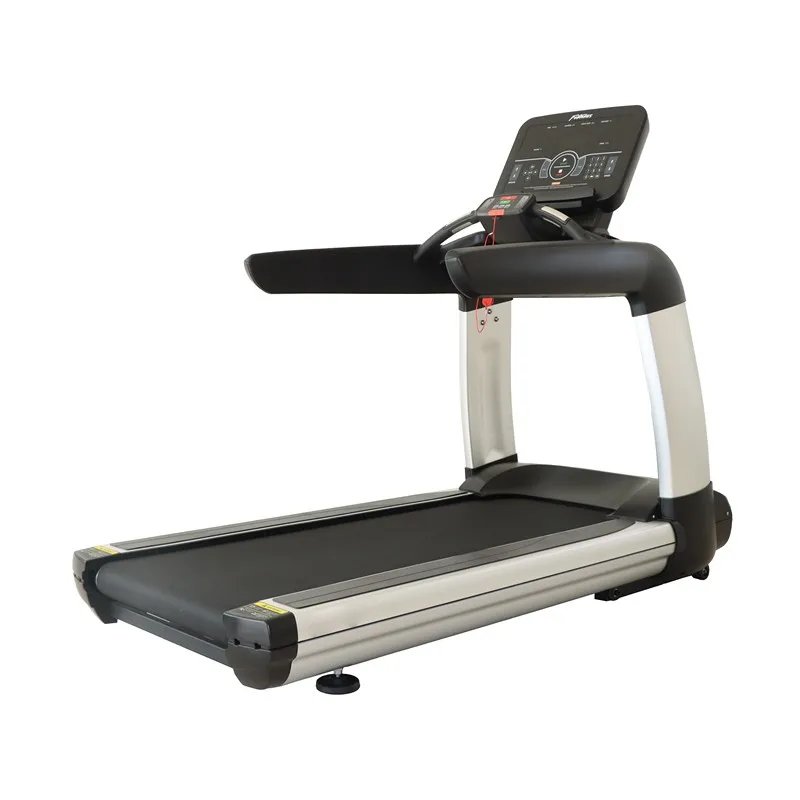
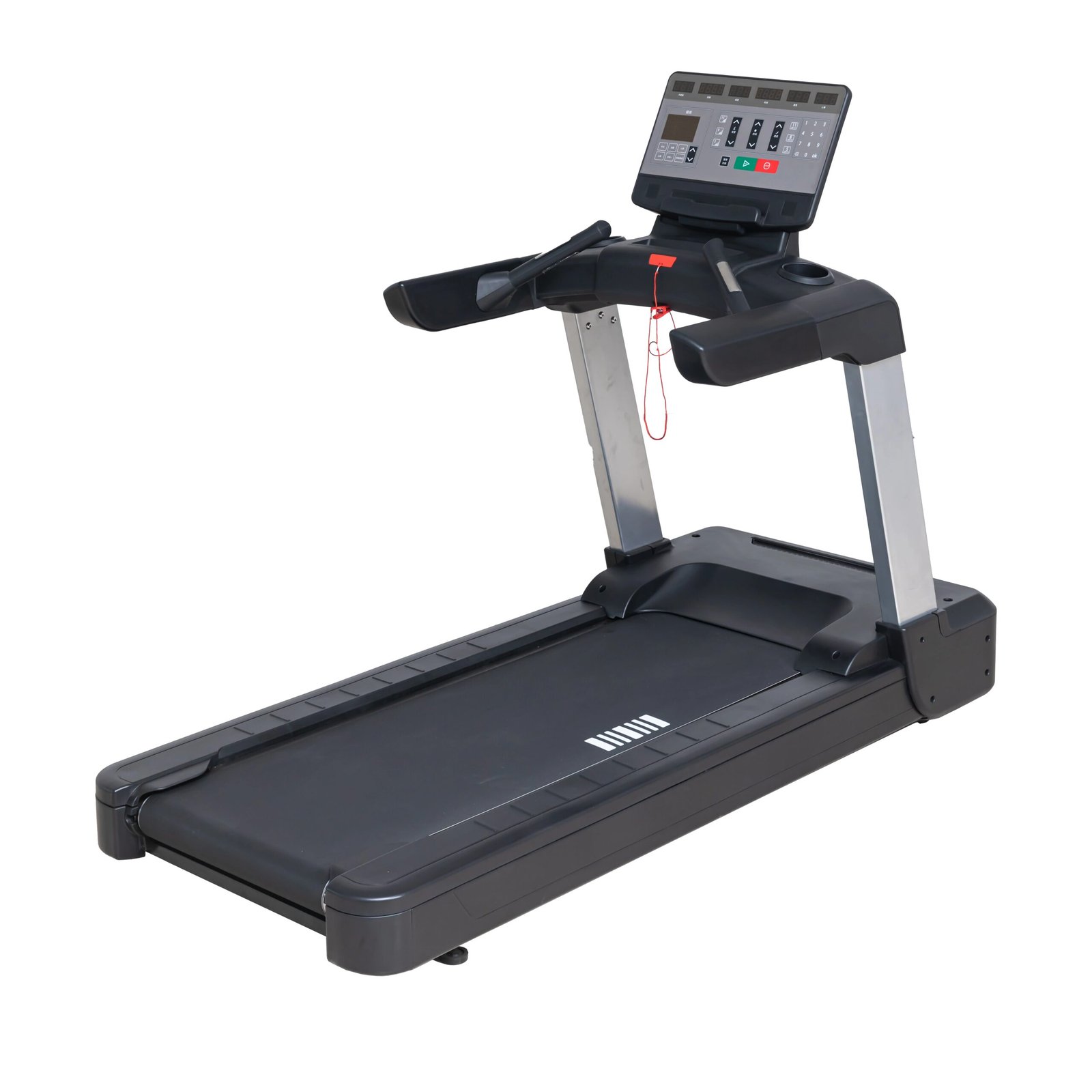
![W08 Folding Electric Treadmill for Home Use Cardiopulmonary Training [WARN] draft identifier mismatch](https://bicksport.com/wp-content/uploads/2026/08/w08-folding-electric-treadmill-for-home-use-cardiopulmonary-training-warn-draft-identifier-mismatch-e53750.webp)
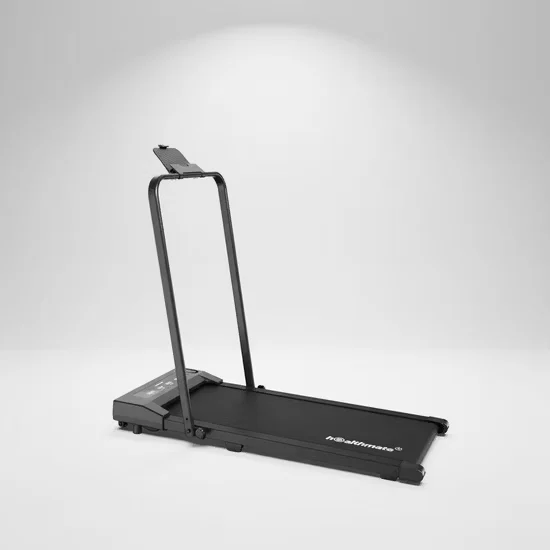
Compact Foldable Architecture — DC motor platform and foldable frame engineered for low-noise operation in shared residential spaces.
Technical Specifications
| Parameter | Value |
|---|---|
| Designation | W08 |
| Product Type | Foldable Treadmill |
| Motor Type | DC |
| Motor Power | 1.5HP (peak or continuous not specified) |
| Speed Range | 1-16 km/h |
| Running Surface | 1200 x 450 mm |
| Console Type | LCD (Speed / Distance / Time / Calories) |
| Programs | 16 preset programs |
| Product Unfold Size | 1500 x 740 x 1150 mm |
| Product Folded Size | 1810 x 740 x 220 mm |
| Net Weight | 42.0 kg |
| Material | ABS |
| Foldable | Yes |
| Color Options | Multicolor |
| Certification | CE, RoHS |
| OEM/ODM | Available |
Application Suitability
| Deployment Scenario | Typical Use |
|---|---|
| High-end residential home gym | Personal cardio sessions in apartments where storage between workouts is essential |
| Corporate wellness room | Light-duty employee fitness during break periods with foldable storage to reclaim floor space |
| Hotel guest room floors | Quiet individual cardio for guests in rooms where equipment must remain acoustically discreet |
| Community fitness center | Introductory cardiovascular training for residents in shared recreational facilities |
What Peak Horsepower Hides About Continuous Duty in Home Cardio
Understanding motor duty cycle prevents premature burnout and noise-related complaints.
When a foldable home treadmill DC motor is rated at a specific horsepower, buyers often overlook whether that figure represents peak or continuous output. Peak ratings describe momentary bursts under maximum load, while continuous ratings reflect what the motor can sustain during extended sessions. For residential deployments on upper floors or beside occupied rooms, a motor running near its thermal ceiling generates excess vibration and audible hum — the kind of low-frequency noise that travels through floor joists and triggers complaints. I have seen entire batches of light-duty treadmills replaced in apartment buildings after residents reported sleep disturbance from units operating one floor below [NEED_CITE: motor duty cycle classification for continuous residential operation].
Cardio Zone Placement for Space-Constrained Environments
The W08 occupies a specific role in compact fitness environments where full-size commercial treadmills cannot fit. Its 1200 x 450 mm running surface accommodates walking through moderate-pace running, making it suitable for steady-state cardiovascular work rather than high-speed interval training. In a residential or corporate wellness layout, this foldable treadmill DC motor unit pairs well with a compact elliptical or stationary bike to cover both impact and low-impact training modalities. The foldable frame allows the equipment to be stored vertically between sessions, which matters when the room serves multiple purposes throughout the day. Users within a moderate weight range will find the belt width and length adequate for sustained sessions without feeling constrained.
Continuous Operation Limits and Deployment Considerations
A DC motor at this power class is designed for individual home sessions rather than the continuous rotation demands of a busy gym floor. Operators should plan for daily usage measured in hours rather than continuous all-day operation, allowing the motor adequate cool-down between users [NEED_CITE: EN 957 requirements for light-use cardio equipment]. Deployment on upper floors requires attention to vibration transmission — a quality rubber mat beneath the frame reduces structure-borne noise that travels through concrete slabs. The unit should be placed on a level surface with clearance on all sides for safe mounting and dismounting. Since the console operates on a closed LCD platform without external app sync, facilities requiring centralized usage tracking should plan for manual data collection or consider IoT-enabled models from the broader product line. Voltage and plug configuration must match the target market before the unit is deployed.
DC Motor Characteristics and Drive Engineering Explained
DC motors in foldable treadmills operate differently from the AC motors found in full-size commercial units. A DC platform delivers smooth acceleration at lower speeds and generates less audible noise at idle, which suits environments where acoustic discretion matters. The trade-off is thermal capacity: DC motors have smaller stators and less mass to absorb heat, meaning they reach thermal limits faster under continuous load. The 1.5HP rating on the W08 — whether peak or continuous — places this unit in the personal training category rather than the commercial duty cycle bracket. The 16 preset programs provide structured variety without requiring external connectivity, and the LCD console displays speed, distance, time, and calorie estimates for basic session tracking. ABS material in the shroud and housing contributes to weight reduction, supporting the 42 kg net weight that makes the foldable frame manageable for a single person to raise and lower.
The Hidden Cost of Underspecified Drive Components
Deploying a motor rated for light personal use in a setting with multiple daily users leads to predictable outcomes. The insulation on motor windings degrades faster when thermal cycles exceed design parameters, eventually causing the unit to shut down mid-session or fail entirely. Low-frequency vibration from an overtaxed drive system migrates through the frame into the floor structure, creating complaints from adjacent rooms that are difficult to trace and expensive to resolve. I worked on a hotel project where treadmills with inadequate duty ratings were installed on guest room floors; within months, the property faced repeated noise complaints and had to replace the entire batch with units engineered for quieter operation [NEED_CITE: acoustic performance standards for cardio equipment on upper floors]. Belt tension also relaxes faster under heavy cumulative use, generating slippage that users interpret as a safety concern.
Why This Product Line Addresses Deployment Gaps
The W08 sits within a complete six-series cardio family, meaning a facility sourcing foldable treadmills can also specify ellipticals, bikes, and rowers from the same engineering platform and maintain visual consistency. The DC motor platform on this unit has been developed with attention to sub-35dB acoustic targets verified across our hotel deployments, though final noise figures depend on installation surface and load. OEM and ODM customization extends to console branding, color options, and UI adjustments at flexible order quantities. Our 3D layout service covers this foldable treadmill’s specific footprint — both deployed and stored — along with recommended clearance and airflow planning to ensure the room remains comfortable during use. Components across the product range undergo testing protocols designed for extended operational life, and 24/7 technical support covers installation questions through ongoing maintenance.
Documentation & Test Records
- CE declaration of conformity for European market compliance
- RoHS compliance certificate for restricted substance verification
- EN 957 test report covering safety and performance requirements
- ISO 9001 certificate for quality management system verification
- Motor specification sheet detailing drive characteristics
- Console technical documentation with operating instructions
Installation, Commissioning & Maintenance
- Allow full unfolded footprint of 1500 x 740 mm plus rear clearance for safe dismounting
- Place on level surface with anti-vibration mat to reduce structure-borne noise transmission
- Confirm local voltage and plug standard match unit specification before first power-on
- Run initial calibration cycle at low speed to verify belt tracking and tension
- Inspect belt tension and apply deck lubrication at intervals recommended in the maintenance guide
- Clean LCD console surface and ABS shroud with non-abrasive cloth after each session
Inquiry and Specification Matching
Provide the intended room dimensions and planned equipment count so our team can generate a 3D layout showing how this foldable unit fits alongside other cardio stations with proper airflow clearance. Specify expected daily usage duration per unit to confirm the DC motor duty cycle matches your operational profile. Indicate the deployment floor level and what occupies the rooms directly adjacent and below so we can advise on vibration isolation measures. Confirm the target market voltage and plug standard to ensure electrical compatibility upon arrival, and let us know whether console data export is required for your facility management workflow.
Frequently Asked Questions
Q: What is the difference between continuous and peak motor power on a foldable treadmill?
A: Peak power describes the maximum output a motor can produce for brief moments, such as during startup or sudden load increase. Continuous power reflects what the motor can sustain over extended sessions without overheating. For a foldable home treadmill DC motor, understanding this distinction matters because a unit operating consistently near its peak limit will run hotter and louder. Buyers should match expected session length and frequency against continuous ratings rather than peak figures.
Q: How does a DC motor compare to an AC motor for residential treadmill use?
A: DC motors tend to operate more quietly at lower speeds and allow compact housing designs, which suits foldable treadmills deployed in apartments and shared residential spaces. AC motors offer greater thermal mass and sustain continuous operation longer, making them standard in full-size commercial units. For individual home sessions measured in minutes to an hour, a DC platform provides adequate performance with lower acoustic output. Maintenance expectations also differ between the two architectures.
Q: What deployment environments suit a foldable treadmill with a 1.5HP motor?
A: This power class fits personal home gyms, apartment fitness rooms, and corporate wellness spaces where usage is measured in individual sessions rather than continuous rotation. The foldable frame benefits rooms that serve multiple functions throughout the day. Environments with multiple users per day or commercial-grade usage patterns should consider higher-capacity AC motor units designed for extended duty cycles. Upper-floor installations benefit from the lower vibration profile of a DC platform.
Q: What maintenance intervals apply to a DC-driven foldable treadmill?
A: Belt tension should be checked periodically and adjusted if slippage is detected during use. Deck lubrication reduces friction between the belt and running surface, extending component life. Motor air intakes need occasional inspection to prevent dust accumulation that restricts cooling. The foldable hinge mechanism should be examined for secure operation each time the unit is raised or lowered. Specific intervals depend on usage frequency and are detailed in the provided maintenance guide.