
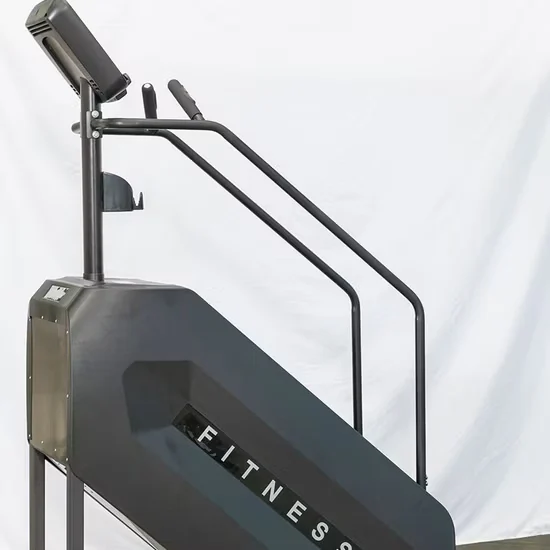
10,000-Hour Endurance Verified — SQ1017 motor drive and sealed bearings are tested for continuous high-frequency stair climbing cycles in commercial facilities.
Technical Specifications
| Parameter | Value |
|---|---|
| Designation | SQ1017 |
| Product Type | Stair Climber |
| Function | Electric |
| Type of Drive | Motor Drive |
| Running Velocity | 15–164 steps/min |
| Step Area | 560 × 235 × 220 mm |
| Mains Input | AC220V±10% / AC110V±10% |
| Material | Steel Pipe + PP Plastic |
| Console OSD | Time, Climb, Calories, Steps, Heart Rate |
| Folded | Unfolded |
| Product Dimensions | 1450 × 820 × 2080 mm |
| Net Weight | 148 kg |
| Age Group | Adult |
| Color | Black |
| Customized | Customized |
| Certification | CE |
Application Suitability
| Deployment Scenario | Typical Use |
|---|---|
| Chain gym cardio zone | High-frequency climbing stations in dedicated cardio areas with extended daily run-times |
| Hotel fitness center on guest room floors | 24-hour self-service access for guests requiring low-noise motor-driven climbing |
| Corporate wellness room | Mid-day and after-work climbing sessions for employee fitness programs |
| Sports performance training center | Steady-state and interval climbing for athletic conditioning and biometric tracking |
| High-end residential home gym | Personal climbing equipment in dedicated home fitness spaces with stable power supply |
Why Motor Burnout Hits Commercial Cardio Zones Before Warranty Claims Do
SQ1017 is built around a motor drive system rated for continuous public facility duty cycles, not intermittent home use.
Every month, facility operators replace stair climbers that were never designed for back-to-back users running 164 steps per minute across twelve-hour operating windows. The drive components degrade, the motor overheats under sustained load, and the unit is pulled from the floor [NEED_CITE: motor duty cycle classification for continuous commercial operation]. This commercial stair climber motor drive gymnasium unit addresses that failure pattern with reinforced steel framing and sealed drive components tested through 10,000 hours of continuous operation.
Where the SQ1017 Fits in a Mixed Cardio Floor
This commercial stair climber motor drive gymnasium unit occupies the high-intensity vertical climbing segment of a cardio zone. It pairs with treadmills and ellipticals to offer members an alternative low-impact modality that still drives heart rate into threshold and interval ranges. The 1450 × 820 mm footprint allows placement along perimeter walls or between equipment rows without blocking sightlines. The console tracks time, climb distance, calories, steps, and heart rate, giving members real-time feedback without requiring external wearables. The step area accommodates a wide range of user stances, and the velocity range from 15 to 164 steps per minute covers warm-up through maximal effort.
Continuous Operation and Deployment Environment Requirements
Facilities running cardio equipment for sixteen or more hours daily need a motor drive system that maintains steady torque without thermal shutdown. The SQ1017 dual-voltage input at AC220V±10% or AC110V±10% supports international deployment without transformer adapters [NEED_CITE: voltage compatibility standards for international fitness equipment deployment]. Noise transmission matters when the unit is installed on upper hotel floors or above occupied commercial spaces, and the motor drive system is engineered to keep acoustic output within acceptable limits for noise-sensitive environments. Proper floor leveling and vibration isolation pads prevent resonance transfer through the building structure. Operators planning console data integration should confirm output format compatibility with their facility management platform before production.
Motor Drive and Step Velocity Engineering Explained
A motor drive system in a stair climber provides consistent torque delivery across the full velocity range, meaning the step cadence does not drop when a heavier user applies full body weight to the pedals. The SQ1017 maintains its 15 to 164 steps per minute range regardless of load, unlike friction-based or manual resistance systems that slow under pressure. The steel pipe and PP plastic construction keeps the frame rigid during aggressive climbing intervals where lateral forces peak. The console OSD displays time, climb distance, calories, steps, and heart rate in a single screen layout, reducing the need for members to navigate menus mid-workout. Heart rate monitoring via the console provides adequate accuracy for general fitness tracking, though users requiring clinical-grade biometric precision should pair with chest strap monitors [NEED_CITE: heart rate measurement accuracy standards for commercial fitness consoles].
The Hidden Cost of Specifying Below Commercial Grade
Facilities that install consumer-grade climbers in public cardio zones face a predictable failure sequence. Motors rated for thirty minutes of daily use overheat and fail within months when subjected to continuous member rotation. Noise levels that are acceptable in a home garage generate complaints when the same unit operates on a hotel guest floor. Consoles that cannot export usage data leave operators blind to equipment utilization patterns, making it impossible to justify replacement cycles or negotiate service contracts [NEED_CITE: facility management data integration requirements for commercial cardio equipment]. Voltage mismatches discovered after container arrival force costly rewiring or complete unit returns.
Why This Product Line Earns Repeat Deployment Orders
The SQ1017 motor drive is validated through 10,000-hour continuous operation testing, giving operators confidence in uptime across high-traffic cardio zones. Sub-35dB operation levels have been verified in hotel deployments where units sit directly above or beside occupied guest rooms. The console data output is designed for integration with facility management systems, preventing the usage data isolation that plagues closed-platform equipment. This stair climber fits within a complete six-series cardio family, allowing operators to source treadmills, bikes, ellipticals, rowers, and climbers from a single product line with consistent console interfaces. The 1450 × 820 mm footprint is factored into free 3D cardio zone layouts that account for equipment spacing, airflow, and member traffic patterns. OEM customization extends to console UI branding, color matching, and logo placement at flexible minimum order quantities.
Documentation & Test Records
- CE declaration of conformity for SQ1017 stair climber
- EN 957 test report covering structural and safety requirements
- ISO 9001 quality management system certificate
- Noise level test report for motor drive operation
- Motor specification sheet with duty-cycle ratings
- Console technical documentation with data output format details
Installation, Commissioning & Maintenance
- Allow clearance around the 1450 × 820 mm footprint for safe mounting and dismounting on all sides
- Install vibration isolation pads beneath the 148 kg unit to prevent resonance transfer through flooring
- Confirm AC220V or AC110V supply matches the dual-voltage input setting before initial power-on
- Calibrate step counter and heart rate sensor during first commissioning cycle
- Schedule periodic inspection of motor drive belt tension and sealed bearing condition
- Clean console OSD screen and handrails daily to prevent sweat corrosion on steel and plastic surfaces
Equipment Selection and Quotation Process
Provide your cardio zone square footage and target unit count to receive a 3D layout with airflow and member flow planning for the SQ1017 placement. Specify average daily operating hours so the motor drive duty cycle can be confirmed against your facility’s usage intensity. Identify the deployment floor and adjacent occupied spaces to validate acoustic requirements for the installation environment. Confirm the target market voltage standard and plug type to ensure correct mains input configuration before production begins.
Frequently Asked Questions
Q: What is the difference between motor drive and manual resistance in stair climbers for commercial use?
A: Motor drive systems like the one in the SQ1017 maintain consistent step cadence under variable user loads, which is essential when multiple members of different body weights use the unit consecutively throughout the day. Manual resistance systems rely on user effort alone and tend to slow or stall under heavy continuous use, making them unsuitable for commercial cardio zones with sustained traffic.
Q: How does step velocity range affect workout intensity and member experience?
A: The SQ1017 offers 15 to 164 steps per minute, covering slow warm-up cadences through high-intensity interval efforts. A wider velocity range means members at different fitness levels can use the same unit productively, from rehabilitation-paced stepping to athletic conditioning, reducing the need for facilities to stock multiple specialized climbers.
Q: Can the console data sync with gym management platforms or member fitness apps?
A: The console OSD tracks time, climb, calories, steps, and heart rate. Operators should request console technical documentation to verify data output format compatibility with their specific facility management software before placing orders, as integration requirements vary across platforms.
Q: What maintenance is required for motor-driven stair climbers in high-traffic facilities?
A: Motor-driven units require periodic inspection of drive belt tension, sealed bearing condition, and step mechanism alignment. Daily cleaning of handrails, step surfaces, and the console screen prevents sweat corrosion. Facilities should follow the maintenance intervals outlined in the commissioning guide to maintain consistent performance under continuous operation.
Q: How do I verify the equipment meets noise requirements for hotel or residential deployments?
A: Request the noise level test report specific to the SQ1017 motor drive system before finalizing your order. This document provides measured acoustic output under load conditions, allowing you to confirm compatibility with the noise restrictions of your deployment floor and adjacent occupied spaces.
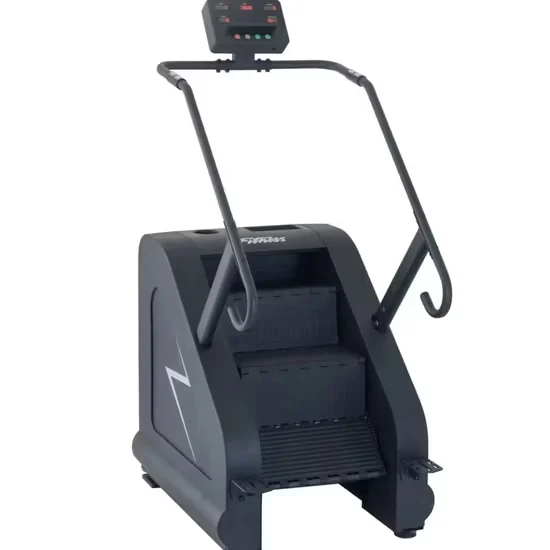
![Commercial Stair Machine for Fitness Clubs SQ1017 [WARN] draft identifier mismatch](https://bicksport.com/wp-content/uploads/2026/08/commercial-stair-machine-for-fitness-clubs-sq1017-warn-draft-identifier-mismatch-351157.webp)
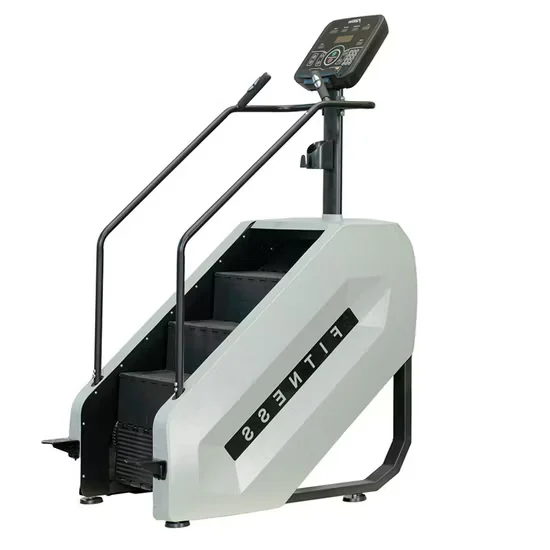
![SQ1017 High Performance Motor Drive Commercial Stair Machine [WARN] draft identifier mismatch](https://bicksport.com/wp-content/uploads/2026/08/sq1017-high-performance-motor-drive-commercial-stair-machine-warn-draft-identifier-mismatch-c50b40.webp)