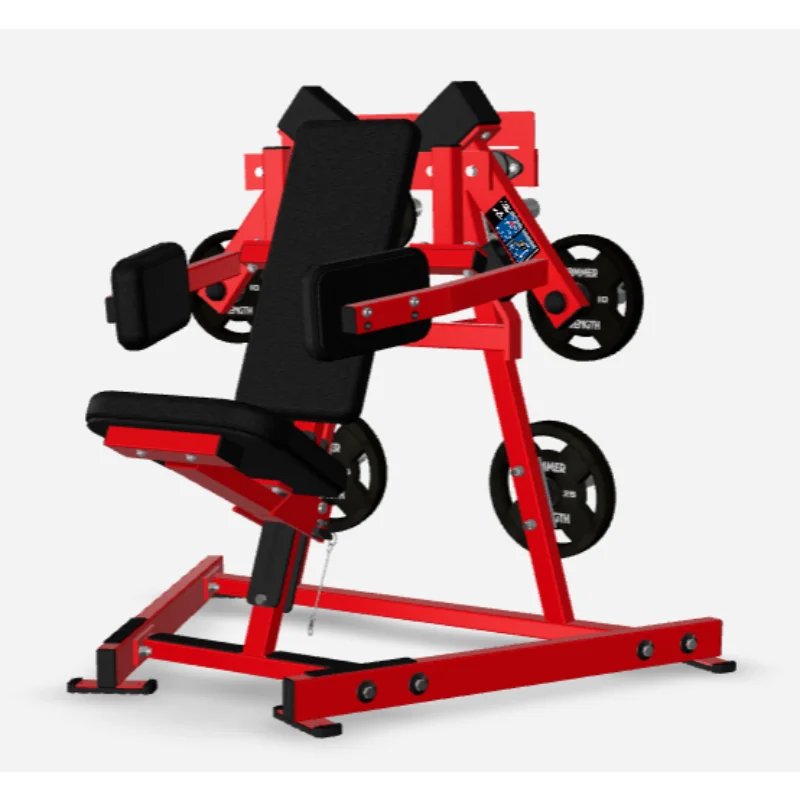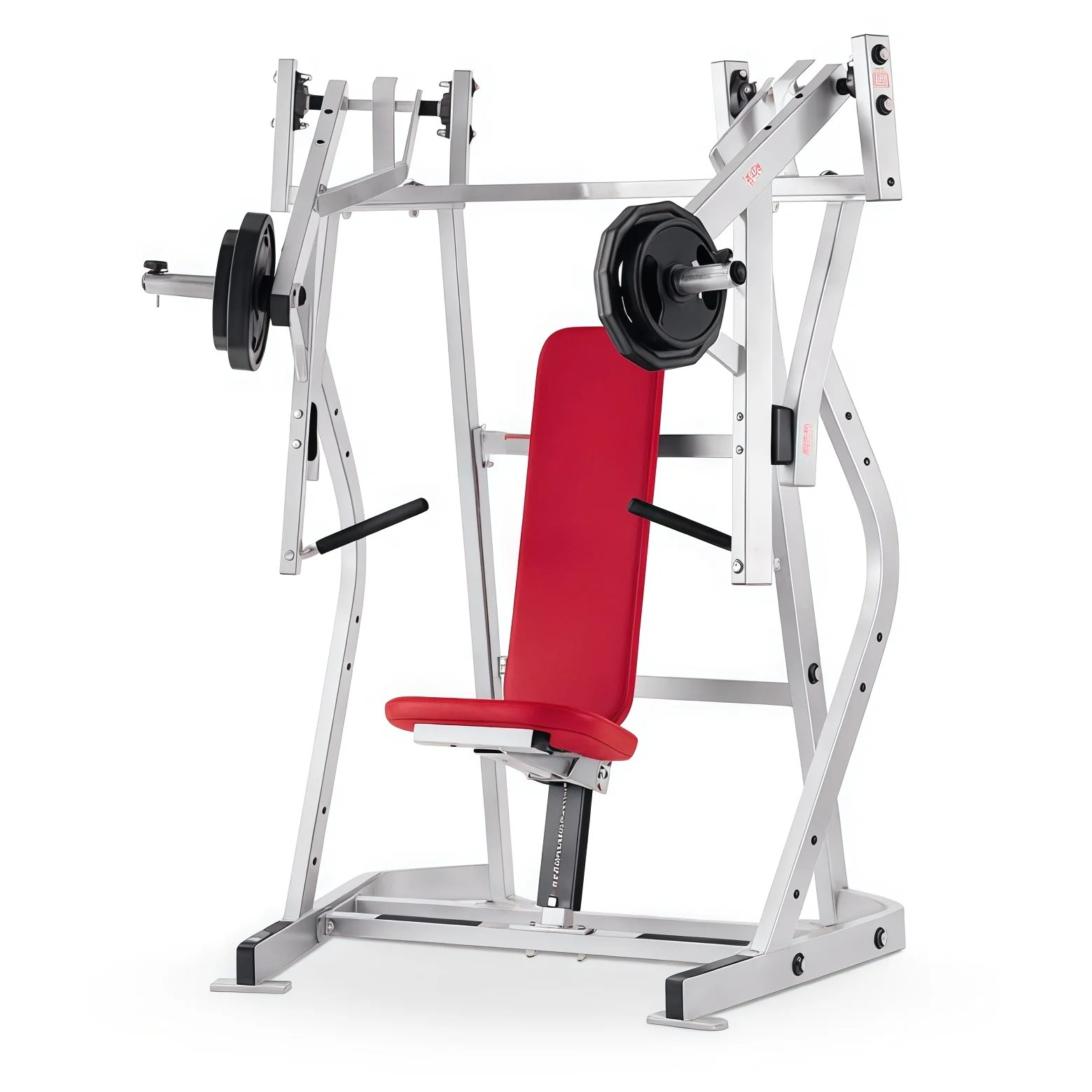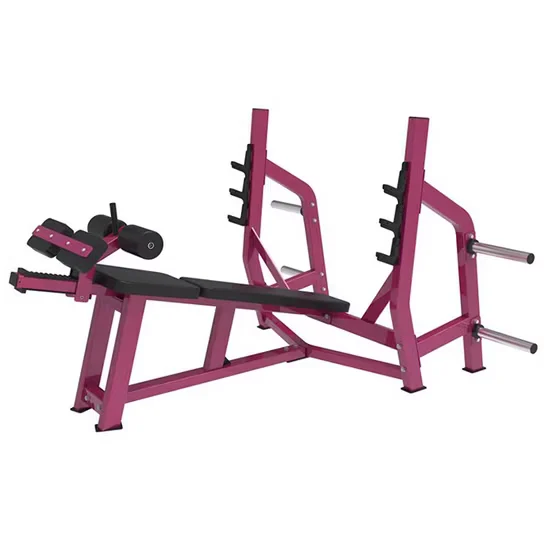
Structural Rigidity Verified — The commercial decline bench press machine features a steel frame engineered for high-frequency chest training in 24/7 gym environments, eliminating motor dependencies and electrical noise entirely.
Technical Specifications
| Parameter | Value |
|---|---|
| Product Type | Strength Training Equipment (Decline Bench) |
| Exercise Part | Chest |
| Power Source | Manual |
| Resistance Type | Plate-loaded |
| Frame Material | Steel |
| Product Dimensions | 1500 × 1150 × 1280 mm |
| Net Weight | 65 kg |
| Foldable | No |
| Main Frame Color | Customizable |
| Cushion Color | Customizable |
| Fit Area | Professional gym and club |
| Certification | ISO 9001, CE |
Application Suitability
| Deployment Scenario | Typical Use |
|---|---|
| Chain gym strength training zone | High-frequency chest isolation and decline pressing movements |
| Hotel fitness center on guest room floors | Low-noise manual operation suitable for shared-wall environments |
| Community fitness center | Durable plate-loaded design for mixed-ability membership |
| Corporate wellness room | Compact footprint for dedicated free-weight areas |
| High-end residential home gym | Commercial-grade steel frame for serious personal training setups |
Why Plate-Loaded Decline Benches Generate Less Maintenance Noise Than Selectorized Alternatives
Manual operation eliminates motor failures and electrical noise entirely.
When a selectorized decline bench sits on a hotel floor above occupied rooms, the motor and solenoid clicks during weight stack adjustment become a recurring complaint [NEED_CITE: acoustic performance standards for fitness equipment in hospitality environments]. Plate-loaded designs like this commercial decline bench press machine bypass that problem by removing all electrical components from the equation. The trade-off is manual plate handling, but the maintenance burden drops significantly. Over years of deployment, the pivot bearings and frame welds become the only wear points worth monitoring.
Chest Isolation Role in a Commercial Free-Weight Zone
This decline bench fills the lower-chest pressing slot in a complete strength training layout. It pairs naturally with flat and incline bench stations to cover the full pectoral range, and its manual plate-loaded design keeps it compatible with the bumper plates and barbells already stocked in the free-weight area. The fixed decline angle targets the sternal head of the pectoralis major with a movement pattern that accommodates users across a wide body-weight range. The commercial decline bench press machine occupies a compact footprint, leaving adequate clearance for spotters and plate storage racks in high-traffic gym environments.
Deployment Considerations for Continuous Daily Use
The 65 kg steel frame requires a level, reinforced floor surface capable of supporting repeated heavy loading cycles without settlement. In facilities where strength equipment shares walls with quiet zones, the absence of motors and electronic actuators removes a primary noise transmission path [NEED_CITE: vibration and noise isolation requirements for multi-use fitness facilities]. Adequate ceiling height must accommodate the full upright dimensions plus overhead plate loading clearance. Ground-level or basement placement avoids structural vibration concerns entirely. Ambient temperature and humidity specifications align with standard commercial HVAC settings, and no dedicated electrical circuit is required for operation.
Steel Frame Construction and Bearing Specifications That Matter
The frame thickness and welding quality at stress junctions determine how the structure responds to repeated eccentric loading over thousands of sessions. Commercial-grade steel tubing resists deflection under heavy barbell loads where lighter residential frames would develop flex and eventual fatigue cracking. Pivot bearings at the adjustment points affect how smoothly the seat and back pad lock into position, and sealed bearings prevent grit intrusion that accelerates wear. The cushion foam density and vinyl upholstery tear resistance directly impact how long the bench maintains comfort and appearance under heavy commercial traffic. Customizable frame and cushion colors allow facility operators to maintain visual consistency across an entire strength training zone.
The Hidden Cost of Specifying Residential-Grade Benches in Commercial Facilities
A decline bench rated for light residential use typically develops frame flex and weld fatigue within the first year of commercial deployment [NEED_CITE: fatigue failure patterns in residential vs commercial strength equipment]. The cushion foam compresses permanently, forcing members to adjust their pressing mechanics and generating comfort complaints. Pivot bearings without proper sealing begin to grind and seize, requiring frequent lubrication or replacement. When a facility discovers these issues across an entire fleet of benches, the cumulative replacement cost and member dissatisfaction far exceed the initial savings from choosing lower-spec equipment.
Why This Product Line Addresses Those Failure Points
The steel frame construction undergoes testing protocols aligned with 10,000-hour continuous use standards applied across our cardio range, adapted here for cyclic loading patterns specific to plate-loaded strength work. The sealed bearing specification at pivot points mirrors the same durability approach used in treadmill rollers and elliptical cranks. OEM customization covers frame color and cushion upholstery, enabling a single-source equipment order across all six cardio and strength series for a complete facility build-out. The 3D layout planning service accounts for the footprint and safety spacing of each decline bench alongside adjacent squat racks and cable stations, ensuring proper member flow. Technical support covers installation commissioning and long-term spare parts availability for the entire deployed fleet.
Documentation & Test Records
- CE declaration of conformity covering strength training equipment
- EN 957 test report for stationary training equipment safety
- ISO 9001 certificate for manufacturing quality management
- Noise level verification confirming zero electrical noise operation
- Steel frame load testing and weld inspection records
- Spare parts list with bearing and cushion replacement specifications
Installation, Commissioning & Maintenance
- Verify floor leveling across the 1500 × 1150 mm footprint before anchoring
- Maintain clearance on all sides for spotter access and plate loading
- Inspect pivot bearing smoothness and locking mechanism engagement at commissioning
- Establish quarterly inspection cycle for weld integrity and cushion foam compression
- Clean vinyl upholstery with pH-neutral solution to prevent sweat degradation
- Replace worn pivot bearings using standard sealed bearing specifications from parts list
Equipment Selection and Facility Planning Inquiry
Provide the total strength training zone area and equipment list to receive a 3D layout plan with proper safety spacing around each decline bench. Specify the deployment floor and adjacent occupied spaces to confirm that manual plate-loaded operation meets acoustic requirements. Indicate target market voltage standards if integrating any electronic accessories or lighting. Clarify whether OEM color matching is needed to align with existing facility branding across the complete equipment order.
Frequently Asked Questions
Q: What frame specifications ensure long-term durability in commercial environments?
A: Commercial-grade steel tubing thickness and continuous weld quality at stress junctions determine how the frame resists deflection under repeated heavy loading. The sealed bearing specification at pivot points prevents grit intrusion that accelerates wear. Frame load testing records verify performance under cyclic loading patterns typical of high-traffic gym environments, distinguishing commercial units from residential-grade alternatives that develop flex and fatigue within months.
Q: How does plate-loaded design compare to selectorized machines for noise and maintenance?
A: Plate-loaded benches eliminate motors, solenoids, and electronic actuators entirely, removing the primary noise sources and electrical failure points found in selectorized equipment. Maintenance reduces to periodic bearing inspection and cushion replacement rather than circuit board diagnostics or motor rewinding. The trade-off is manual plate handling, but facilities prioritizing acoustic performance and minimal downtime find the simplified mechanical design significantly more reliable over years of continuous deployment.
Q: What bearing types minimize operational noise at pivot points?
A: Sealed bearings at adjustment pivots prevent dust and chalk intrusion while maintaining smooth movement over thousands of articulation cycles. The bearing specification should match commercial-grade standards used in high-cycle fitness equipment applications. Properly sealed units eliminate the need for frequent lubrication and prevent the grinding noises that develop when open bearings accumulate debris in busy gym environments.
Q: How to customize equipment colors to match facility branding?
A: OEM customization covers both the main steel frame color and cushion upholstery color, allowing facility operators to maintain visual consistency across an entire equipment order. The color specification process aligns frame powder coating and vinyl cushion selection with existing branding guidelines. This approach enables single-source procurement where all strength and cardio equipment arrives with coordinated aesthetics rather than mismatched factory-default finishes.
Q: What certifications verify commercial-grade quality for international markets?
A: CE marking and EN 957 test reports confirm compliance with European safety standards for stationary training equipment. ISO 9001 certification verifies manufacturing quality management systems covering material sourcing, welding procedures, and final inspection. These documents, combined with load testing records and bearing specification sheets, provide procurement teams with verifiable evidence of commercial-grade construction suitable for deployment across regulated international markets.