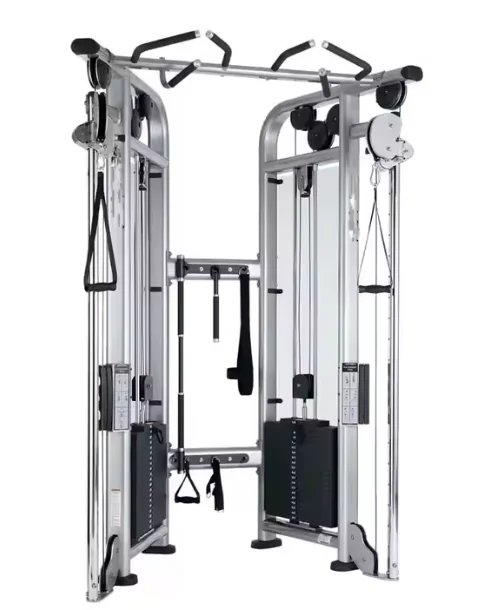
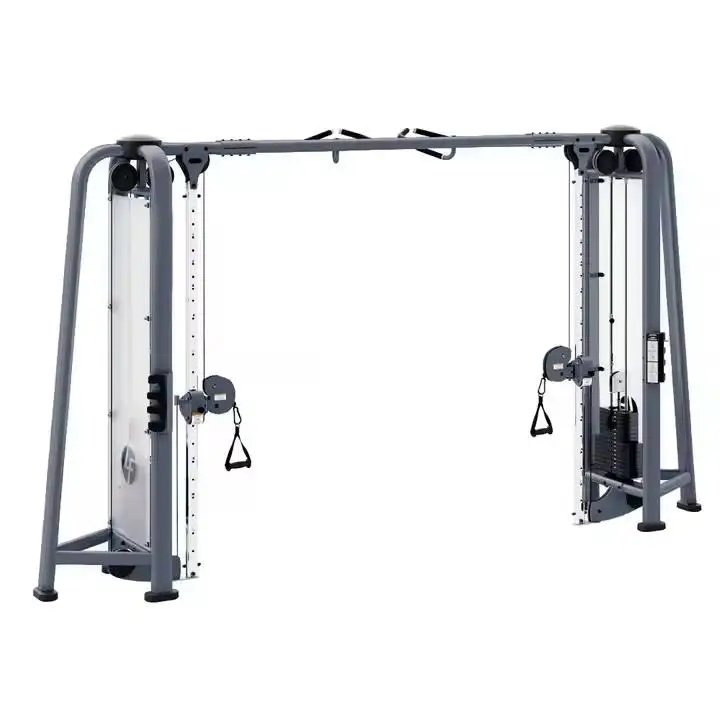
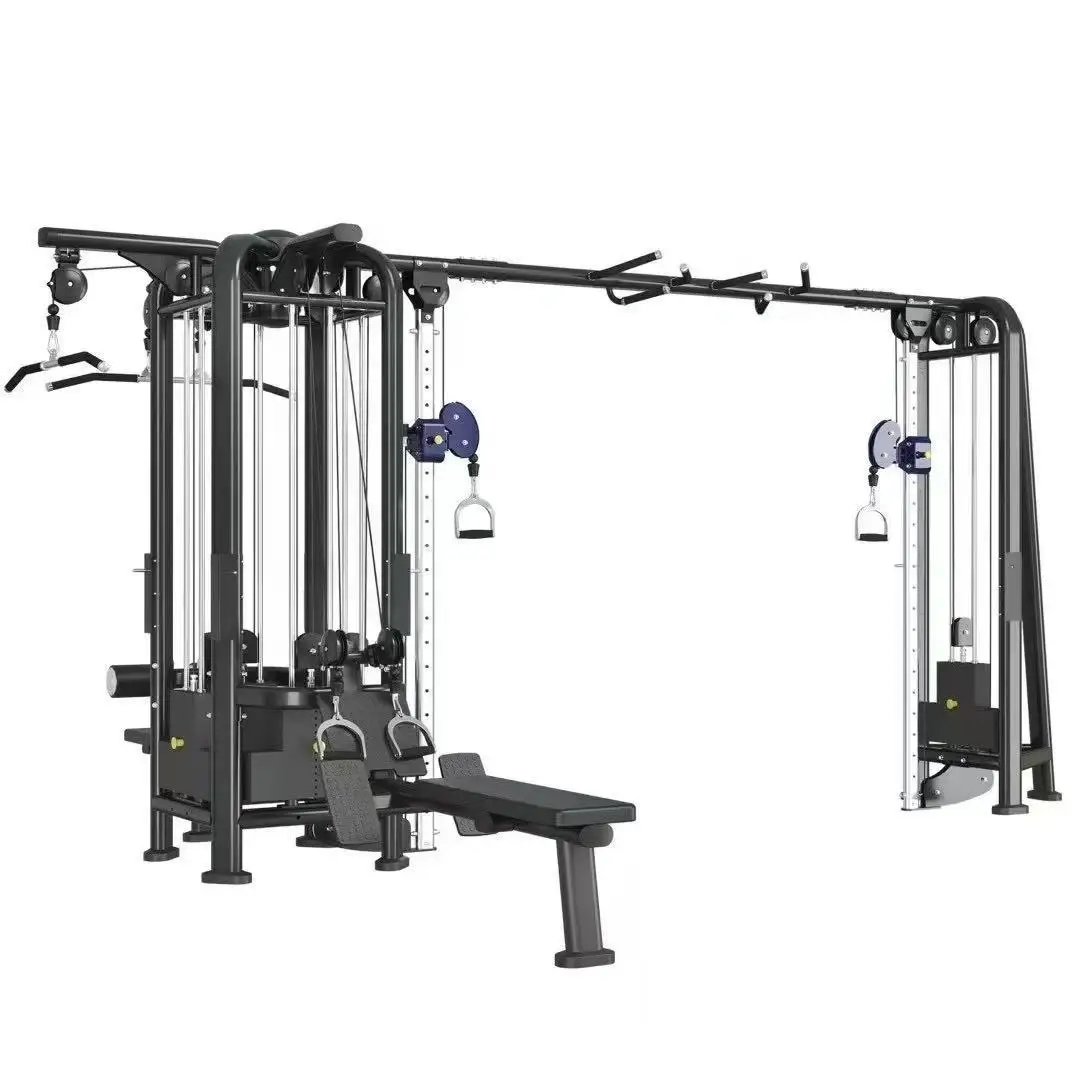
![Shandong Dezhou Factory Commercial Multi Functional Power Rack Smith Machine [WARN] draft identifier mismatch](https://bicksport.com/wp-content/uploads/2026/08/shandong-dezhou-factory-commercial-multi-functional-power-rack-smith-machine-warn-draft-identifier-mismatch-2fea45.webp)
Heavy-Duty Structural Rigidity — 3mm thick steel tubing frame tested for long-term fatigue resistance under continuous commercial loading.
Technical Specifications
| Parameter | Value |
|---|---|
| Product Type | Multi-Functional Power Rack / Smith Machine |
| Designation | SR-3006 |
| Frame Material | Iron |
| Tube Thickness | 3mm |
| Product Dimensions | 1350 × 2200 × 2200 mm |
| Max User Weight | 180 kg |
| Exercise Focus | Full-body strength with Smith machine linear guidance |
| Color | Customized |
| Age Group | Adult |
| Gender | Unisex |
| Production Capacity | 100 Pieces/Month |
| Certification | CE, ISO 9001, RoHS |
Application Suitability
| Deployment Scenario | Typical Use |
|---|---|
| International chain gym strength zone | High-frequency barbell training across peak hours with Smith machine safety catches |
| Corporate wellness room | Space-efficient multi-station setup combining free-weight and guided barbell exercises |
| Community fitness center | Durable shared-access rack accommodating varied user sizes and training styles |
| High-end residential home gym | Compact footprint delivering both power rack and Smith machine functionality |
| Sports performance training center | Controlled eccentric loading and spotter-independent barbell work |
Why Frame Thickness Decides Whether This Station Survives a Year in a Commercial Gym
Thin-gauge steel flexes under dynamic barbell loads, accelerating guide rod wear and compromising bar path safety.
Walk into any mid-market gym that opened two years ago and check the Smith machines along the wall. The guide rods will show scoring, the linear bearings will feel gritty, and the frame will visibly deflect when a 100 kg barbell reaches the bottom of a squat. Most of that deformation traces back to 2mm or thinner tubing that was never designed for [NEED_CITE: commercial strength equipment structural fatigue under repetitive eccentric loading]. The frame absorbs and redistributes force thousands of cycles per day, and once plastic deformation begins, no amount of maintenance recovers rigidity. That is why tube thickness is the first number I check before approving any station for a high-traffic floor.
Where This Station Fits in a Commercial Strength Floor Layout
The SR-3006 combines a full power rack cage with an integrated Smith machine, covering barbell squats, bench press, rack pulls, and guided linear presses in a single footprint. It pairs with a cable crossover station for accessory isolation work and complements free-weight platform zones by handling the controlled-rep movements where spotters are unavailable. Designed for deployment in high-traffic areas where floor space per member is limited, it accommodates users up to 180 kg across a wide range of barbell training intensities. The commercial multi-functional power rack Smith machine fills the gap between dedicated Smith machines and standalone racks that consume twice the square footage.
Continuous Use, Ventilation, and Floor Loading Requirements
In a chain gym running 16-hour days, this station will see barbell cycles every few minutes during peak windows. The 3mm iron frame dissipates vibrational energy into the floor rather than flexing internally, but that demands a level concrete substrate with rubber matting to prevent transmitted resonance to adjacent spaces [NEED_CITE: floor vibration transmission standards for commercial gym strength equipment]. Overhead clearance must account for the 2200 mm frame height plus pull-up bar clearance. Unlike motorized cardio stations, there are no voltage or cooling requirements, but anchor bolting into the slab is mandatory to prevent any lateral shift under asymmetric loading.
What the Specs Actually Mean for Daily Abuse
The 3mm tube thickness delivers structural rigidity that prevents frame deflection during heavy barbell cycles — a 2mm frame will show measurable flex above 80 kg loads, which translates to bar path deviation in the Smith machine carriage. The integrated guide rod system constrains the barbell to a fixed vertical plane, which matters most during solo training sessions where no spotter is present. Multi-grip pull-up bar positioning and adjustable J-cup placement let operators configure the station for diverse user anthropometry without adding a separate functional trainer. The 180 kg max user weight rating across the commercial range ensures the frame, welds, and Smith carriage all share a common load ceiling. Custom color and finish options let facilities match existing brand palettes without aftermarket powder coating.
What Happens When Spec Sheets Hide Compromises
A facility that buys 2mm tubing stations to save on upfront cost typically replaces guide rod assemblies within the first year. The carriage binding creates uneven bar travel, members avoid the station, and maintenance logs fill with bearing replacement tickets. Worse, the frame deflection under load creates unsafe bar paths that expose the gym to liability if a barbell slips the J-cups during a solo set [NEED_CITE: strength equipment bar path deviation and injury liability in commercial facilities]. That is why procurement decisions must weigh total cost of ownership against the purchase price on the invoice.
Why This Product Line Earns Floor Space
Every SR-3006 that leaves the Shandong facility has its frame welds and guide rod travel verified before crating. The 10,000-hour durability testing protocol extends to the Smith machine carriage cycle count, not just static load holds. The complete six-series cardio family means a facility can source treadmills, bikes, ellipticals, and this strength station from one engineering team and one QC standard. Free 3D floor layout planning accounts for the 1350 × 2200 mm footprint, barbell clearance arcs, and member flow between adjacent racks. OEM customization covers color, logo placement, and finish to align with facility branding. 24/7 technical support covers guide rod maintenance intervals and J-cup replacement sourcing.
Documentation & Test Records
- CE declaration of conformity covering structural load ratings
- EN 957 test report for commercial strength station safety
- ISO 9001 manufacturing quality certificate
- RoHS compliance documentation for material composition
- Frame load testing record with 3mm tube thickness verification
- Smith machine guide rod cycle and load capacity report
Installation, Commissioning & Maintenance
- Anchor the 1350 × 2200 mm base plate into level concrete with rated expansion bolts and rubber isolation pads
- Verify 2200 mm overhead clearance plus pull-up bar arc before final bolt torque
- Calibrate Smith machine carriage travel across full vertical range and confirm J-cup alignment
- Inspect guide rod lubrication and linear bearing preload quarterly under commercial loading
- Check frame weld joints and safety catch engagement points every six months
- Apply anti-corrosion coating to exposed iron surfaces in high-humidity environments
Getting the Right Configuration for Your Facility
Share your strength zone square footage and planned station count to receive a 3D layout with member flow and barbell clearance arcs mapped. Specify whether the station deploys on a mezzanine or slab level so we can confirm anchor and vibration requirements. Confirm your target market finish and branding preferences for OEM color matching. State whether the commercial multi-functional power rack Smith machine will operate alongside cable stations or as a standalone unit.
Frequently Asked Questions
Q: How does 3mm tube thickness affect long-term durability compared to thinner frames?
A: Thicker steel tubing resists plastic deformation under repetitive barbell loading, which means the frame maintains its geometry over years of commercial use. A 2mm frame will show measurable deflection under heavy loads, causing Smith machine carriage binding and guide rod scoring. The 3mm wall thickness ensures the SR-3006 retains structural rigidity through thousands of daily training cycles without weld fatigue.
Q: What determines Smith machine bar travel smoothness?
A: The guide rod system and linear bearing quality define how smoothly the barbell carriage moves through its full range. Precision-machined rods paired with sealed linear bearings deliver consistent travel without binding, even under heavy eccentric loads. Bushing-based systems cost less initially but require more frequent replacement in high-traffic commercial environments.
Q: How much floor space does this multi-functional station save compared to separate units?
A: Combining a power rack and Smith machine into one 1350 × 2200 mm footprint eliminates the redundant space two separate stations would consume. This matters for corporate wellness rooms and residential gyms where every square meter carries a cost. Operators gain guided and free-weight barbell training without doubling the strength zone allocation.
Q: What customization options are available for commercial deployments?
A: Frame color, finish, and logo placement are all configurable to match facility branding requirements. MOQ and lead time depend on the customization scope, so operators should confirm these details during the quotation phase. This ensures the commercial multi-functional power rack Smith machine arrives ready for the floor without aftermarket refinishing work.
Q: How does commercial duty cycle differ from home-grade expectations?
A: Commercial stations endure continuous loading from diverse users throughout extended operating hours, while home equipment sees intermittent use from a small number of people. Frame thickness, weld quality, and guide rod specifications must account for this difference. The SR-3006 is engineered and tested for the repetitive, high-frequency demands of public facility deployment.