![Mt296 ABS Electric Running Treadmill for Cardiopulmonary Training [WARN] draft identifier mismatch](https://bicksport.com/wp-content/uploads/2026/08/mt296-abs-electric-running-treadmill-for-cardiopulmonary-training-warn-draft-identifier-mismatch-bb8146.webp)
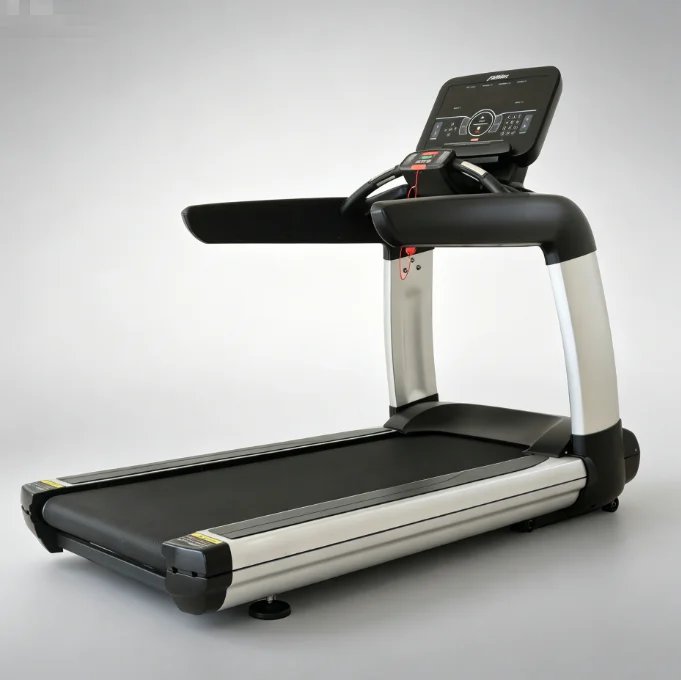
Whisper-Quiet Frame Engineering — Magnetic drive and reinforced steel structure deliver low-vibration operation suitable for shared residential floors and noise-sensitive deployment zones.
Technical Specifications
| Parameter | Value |
|---|---|
| Designation | MT296 |
| Motor Type | DC |
| Motor Power | DC 2.0 HP* |
| Speed Range | 1–20 km/h |
| Running Surface | 1200 x 520 mm |
| Console Type | LCD (Speed / Distance / Time / Calories / Pulse) |
| Programs | 16 preset programs |
| Product Unfold Size | 1580 x 865 x 1300 mm |
| Product Folded Size | 910 x 865 x 1345 mm |
| Net Weight | 64.0 kg |
| Foldable | Yes |
| Material | ABS |
| Certification | CE, RoHS |
| OEM / ODM Custom | Available |
* Peak or continuous duty rating not specified in source documentation. Confirm continuous horsepower requirement before specifying for multi-hour daily operation.
Application Suitability
| Deployment Scenario | Typical Use |
|---|---|
| High-end residential home gym | Daily personal cardio with foldable storage between sessions |
| Apartment and shared living space | Low-profile footprint and quiet DC motor operation for multi-unit buildings |
| Corporate wellness room | Light-duty station for employee interval breaks and structured programs |
What Peak Horsepower Hides About Continuous Duty
A motor rated only by peak output can overheat during sustained residential sessions.
When sourcing a foldable motorized treadmill DC motor home use, buyers often see a single horsepower figure without knowing whether it reflects peak or continuous duty. In shared residential buildings, a motor that peaks at 2.0 HP but cannot sustain load above a fraction of that rating will run hotter, generate more low-frequency vibration, and ultimately fail faster under daily use [NEED_CITE: motor duty cycle classification for continuous residential operation]. The MT296 uses a DC motor architecture paired with a 1200 x 520 mm running surface — a combination that favors intermittent home sessions over all-day commercial rotation, and spec sheets should reflect that distinction clearly.
Cardio Zone Positioning for Residential Environments
The MT296 covers steady-state walking through moderate running at speeds up to 20 km/h, fitting the intensity range most residential users maintain for structured daily cardio. In a home gym layout, this foldable motorized treadmill DC motor home use unit pairs well with a stationary bike or elliptical to provide impact variation across sessions. Its 1200 x 520 mm deck accommodates most adult stride lengths while maintaining a compact footprint when folded to 910 x 865 x 1345 mm. The LCD console displays pulse via grip sensors, supporting heart-rate-aware pacing without requiring external chest straps.
Deployment Environment and Operational Limits
DC motors in this class suit intermittent duty cycles — typically one to two hours per session with cool-down intervals — rather than continuous multi-user rotation. The foldable frame design reduces static footprint for apartment deployments, but the 64 kg net weight still requires a level surface with adequate clearance for the unfolded 1580 x 865 x 1300 mm envelope. Ventilation around the motor housing prevents heat buildup during extended sessions [NEED_CITE: thermal management for residential DC motor treadmills]. Voltage and plug standards must be confirmed before shipment, as mismatched power specifications remain a frequent cause of deployment delays.
DC Motor Drive and LCD Console Specifications
DC motors deliver quieter start-up and smoother low-speed operation compared to AC alternatives, making them appropriate for bedroom-adjacent or upstairs residential placements. The MT296 speed range of 1–20 km/h covers walking rehabilitation through tempo running intervals across 16 preset programs. The LCD console tracks speed, distance, time, calories, and pulse — providing core biometric feedback without the connectivity layer of touchscreen commercial units. Grip-based pulse sensors offer convenient spot-checks, though users requiring continuous heart rate accuracy during high-intensity intervals should pair the session with an external monitor. The ABS frame material and foldable hinge mechanism reduce overall unit weight while maintaining structural rigidity during moderate-pace running.
The Hidden Cost of Underspecified Drive Components
Residential deployments that treat peak horsepower as equivalent to continuous rating frequently see motor thermal shutdowns within the first year of daily use. Low-frequency vibration transmitted through inadequately dampened frames generates noise complaints from adjacent units, sometimes triggering full fleet replacement across multi-building residential projects [NEED_CITE: structural vibration transmission in multi-unit residential cardio deployments]. Grip pulse sensors that drift during high-sweat sessions leave users without reliable intensity feedback, undermining structured training programs. Voltage mismatches discovered after container arrival force unplanned transformer procurement and commissioning delays.
Why This Product Line Addresses Residential Deployment Gaps
The MT296 benefits from engineering protocols developed across 500+ venue deployments, including noise-sensitive hotel floors where sub-35dB operational targets are mandatory. The DC motor architecture and foldable frame are validated through component testing for high-frequency use cycles, ensuring the hinge mechanism and drive system withstand repeated fold-unfold sequences. OEM and ODM customization extends to console UI, color, and logo — allowing residential integrators to match interior design specifications. The six-series cardio family means a home gym can source treadmill, bike, elliptical, and rower from one manufacturing line, simplifying maintenance documentation and spare parts logistics. Free 3D cardio-zone layout covers the MT296 unfolded footprint and required clearance for safe ingress and egress in compact rooms.
Documentation & Test Records
- CE declaration of conformity for the MT296 DC treadmill platform
- RoHS compliance verification for electronic console and motor components
- EN 957 test report covering structural load and safety requirements
- Motor specification sheet detailing electrical characteristics and duty rating
- LCD console technical documentation with program list and pulse sensor calibration
- Spare parts list covering drive belt, console PCB, and foldable hinge assembly
Installation, Commissioning & Maintenance
- Maintain minimum clearance around the 1580 x 865 mm unfolded footprint for user safety
- Level the floor surface before placement to prevent foldable hinge binding and uneven belt wear
- Verify local voltage and plug type match the DC motor input specification before first power-on
- Calibrate LCD console speed and pulse readings during initial commissioning against a reference device
- Inspect running belt tension and alignment on the 1200 x 520 mm deck at scheduled intervals
- Wipe ABS frame and console after each session to prevent sweat corrosion on grip pulse sensors
Equipment Selection and Configuration Inquiry
Provide the planned cardio area dimensions and target unit count to receive a 3D layout with clearance mapping for the MT296 folded and unfolded positions. Specify expected daily session duration to confirm DC motor duty cycle alignment. Confirm deployment floor level and adjacent occupied spaces to verify noise and vibration requirements. State target market voltage and plug standard. Indicate whether console UI customization or OEM branding is required for the project.
Frequently Asked Questions
Q: How does a DC motor differ from an AC motor for home treadmill use?
A: DC motors deliver smoother low-speed acceleration and generally produce less audible noise during start-up, making them suitable for residential spaces near sleeping areas. AC motors handle continuous multi-user loads more effectively, which is why commercial gym floors specify them. For one to two hours of daily personal use, a DC motor provides adequate performance without the weight and cost of an AC drive system.
Q: What does peak horsepower actually mean versus continuous duty?
A: Peak horsepower indicates the maximum output a motor can deliver for short bursts, not what it sustains over a full session. Continuous duty rating reflects the power level the motor maintains under steady load without thermal degradation. When the specification sheet lists only a peak figure, request the continuous duty rating to determine whether the motor suits your expected session length and user weight.
Q: Does the foldable frame affect deck cushioning over time?
A: Foldable mechanisms introduce hinge points that can shift slightly after repeated cycles, potentially altering belt alignment and deck contact patterns. Regular inspection of hinge bolts and belt centering helps maintain consistent cushioning performance. The MT296 running surface dimensions remain fixed when unfolded, but the foldable design prioritizes storage convenience over the heavy-duty deck isolation found in non-folding commercial units.
Q: What data can the LCD console track, and does it connect to external devices?
A: The MT296 LCD console displays speed, distance, time, calories, and pulse from grip sensors across 16 preset programs. It does not include Bluetooth or app connectivity. Users requiring continuous heart rate logging or third-party training app integration should pair the session with an external wearable device that records independently.
Q: Where can this treadmill be deployed without causing noise complaints?
A: The DC motor and 64 kg frame suit upper-floor apartments and shared residential buildings where low-frequency vibration is a concern. Confirming the structural floor rating and placing the unit on a vibration-dampening mat further reduces transmission to adjacent units. Request a noise level test report to verify suitability for specific multi-unit residential or hotel guest floor deployments.

![Hsm MT80 Home Use Motorized Foldable Treadmill with Hydraulic Cylinder [WARN] draft identifier mismatch](https://bicksport.com/wp-content/uploads/2026/08/hsm-mt80-home-use-motorized-foldable-treadmill-with-hydraulic-cylinder-warn-draft-identifier-mismatch-4a63a7.webp)