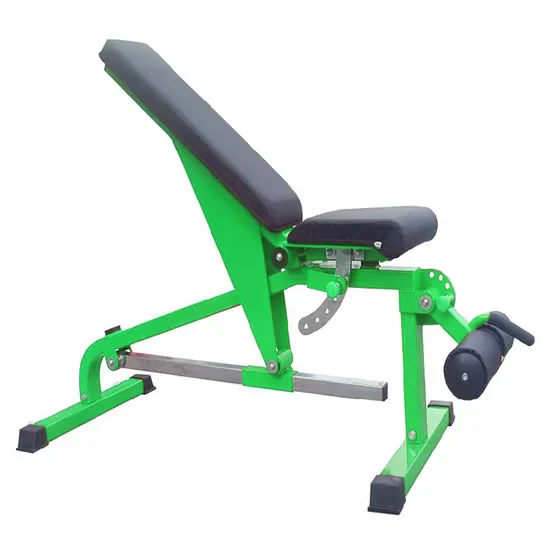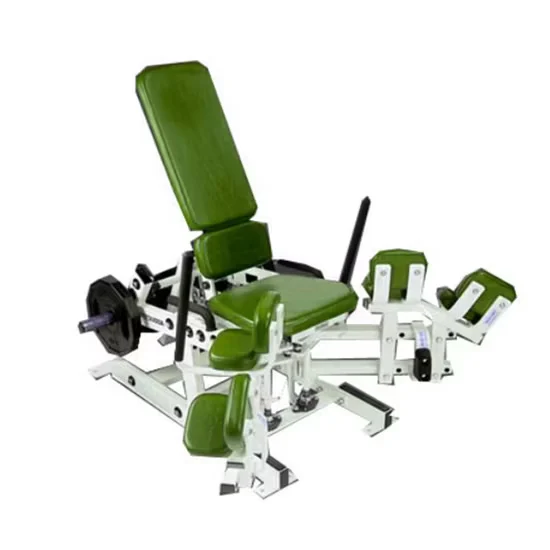

Steel Frame Stability — Welded steel construction and reinforced pivot points tested for continuous high-frequency use in commercial strength zones.
Technical Specifications
| Parameter | Value |
|---|---|
| Designation | OSH-5010 |
| Product Type | Lateral Raise Machine |
| Exercise Part | Arm |
| Material | Steel |
| Product Dimensions | 105015061300mm |
| Net Weight | 102kg |
| Color Options | Optional |
| OEM | Available |
| Certification | ISO 9001, CE |
| Production Capacity | 500 Units Per Month |
Application Suitability
| Deployment Scenario | Typical Use |
|---|---|
| Chain gym strength zone | High-frequency shoulder isolation training between compound lift stations |
| Sports performance training center | Controlled deltoid activation for overhead athletes |
| Corporate wellness room | Space-efficient arm training in compact fitness layouts |
| High-end residential home gym | Dedicated shoulder work in private training environments |
Why Frame Rigidity Matters More Than Padding on a Commercial Lateral Raise Machine Strength Equipment
A shaking frame destroys exercise isolation before the user finishes the first set.
When lateral raise stations flex under load, the shoulder joint compensates for frame movement instead of targeting the medial deltoid. I have watched maintenance logs fill up with reports of loose pivot bolts and cracked weld seams on machines that were only months old [NEED_CITE: structural fatigue patterns in commercial strength equipment frames]. The problem is not cosmetic — it changes the biomechanics of the lift and drives users away from the station. A commercial lateral raise machine strength equipment must hold its geometry through thousands of repetitions per week without the frame absorbing energy that should reach the target muscle.
Shoulder Isolation Within the Strength Zone Layout
The OSH-5010 fills a specific gap in the free weight and selectorized line: controlled lateral deltoid work without requiring dumbbells or cable crossover space. It pairs with overhead press and chest stations to give members a complete shoulder training circuit. The seated format suits users across a wide height range, and the fixed movement path keeps the commercial lateral raise machine strength equipment effective even during unsupervised open-gym hours.
Daily Cycle Demands and Floor Placement
This unit sees repeat loading in short burst patterns — sets of ten to fifteen reps followed by rest — rather than the continuous duty cycle of cardio equipment. What matters here is structural fatigue at the weld points and pivot bearings over months of cyclic loading [NEED_CITE: cyclic load testing standards for commercial strength machines]. The 105015061300mm footprint requires clearance on three sides for safe entry and exit. Place it against a wall or in a dedicated isolation row where foot traffic does not cross behind the swing arc. Floor leveling is critical: an uneven base introduces lateral wobble that accelerates pivot wear.
Weld Quality and Load Path Engineering
The steel frame transfers user-applied force through welded joints to the base plate. On a lateral raise machine, the moment arm created by the extended lever puts significant torque on the central pivot and base welds. A 102kg net weight indicates substantial steel mass distributed through the load path, which helps resist deflection under maximum resistance settings. The pivot mechanism must maintain consistent friction characteristics across thousands of articulation cycles — loose tolerances here cause the wobble that users feel as instability during slow, controlled repetitions. Color and pad options allow facilities to match existing equipment lines without altering the structural specification.
What Spec Sheet Shortcuts Cost Down the Line
Facilities that source strength stations based solely on price per unit often discover the real cost through maintenance frequency. Lightweight frames develop play at the pivot within months, requiring technician visits and member complaints about wobbling mid-set [NEED_CITE: maintenance cost comparison between light-commercial and full-commercial strength frames]. When weld quality is inconsistent, cracks propagate along stress points and the entire unit requires replacement rather than repair. A station that goes offline disrupts the training circuit layout and pushes members toward competing facilities with reliable equipment.
Why This Product Line Covers the Strength Zone
Every unit from this range undergoes the same structural verification process — I personally check pivot smoothness and frame rigidity before any machine leaves the assembly area. The 10,000-hour durability testing protocol applies to pivot bearings and weld joints, not just motors. OEM customization covers frame color, pad material, and logo placement so the OSH-5010 matches whatever visual standard the facility requires. The 3D layout planning service accounts for the 105015061300mm footprint alongside adjacent stations, ensuring safe clearance and logical member flow through the shoulder training zone. Technical support covers pivot bearing replacement and structural inspection schedules for the full service life.
Documentation & Test Records
- CE declaration of conformity for OSH-5010 structural and safety compliance
- EN 957 test report covering static and dynamic load verification
- ISO 9001 certificate documenting production quality management system
- Durability test record for pivot bearings and frame weld joints
- Steel material specification and welding inspection report
- Installation guide with floor leveling and anchoring instructions
Installation, Commissioning & Maintenance
- Allow full 105015061300mm footprint plus clearance on three sides for safe user access
- Level the base plate on flat flooring using adjustable feet to eliminate lateral wobble at the pivot
- Inspect pivot bearings and bolt torque after the first 500 use cycles, then quarterly
- Wipe down steel frame and pads after each use to prevent sweat corrosion at weld seams
- Verify seat and arm pad adjustment mechanisms move freely without binding monthly
Equipment Selection and Layout Inquiry
Provide your strength zone square footage and existing equipment list to receive a 3D layout plan covering station spacing and member flow around the OSH-5010. Specify expected daily usage volume so pivot bearing specifications match the facility’s duty cycle. Confirm target market voltage requirements if the station includes any electronic resistance components. Indicate whether OEM color and pad customization is needed to match an existing brand standard.
Frequently Asked Questions
Q: What frame thickness and welding standards apply to commercial lateral raise machines?
A: Commercial strength equipment frames use structural steel tubing with continuous welds at all load-bearing joints. The OSH-5010 frame is verified through static load testing and cyclic fatigue testing per EN 957 requirements. Inspect weld seams for uniform penetration and consistent bead width — these indicate controlled heat input during fabrication and predict long-term joint reliability under repeated loading.
Q: How do you verify structural stability before purchasing strength equipment in bulk?
A: Request the EN 957 test report showing static and dynamic load results, plus the welding inspection record documenting joint integrity at pivot points and base connections. On-site, apply lateral force to the arm lever at full extension and check for any frame deflection or pivot play. Consistent resistance through the full range of motion indicates proper bearing tolerances.
Q: What OEM customization options are available and what is the minimum order?
A: The OSH-5010 supports OEM customization of frame color, seat pad material and color, brand logo placement, and resistance plate labeling. Contact the sales team with your brand specifications and target order quantity to discuss MOQ flexibility. Custom color matching and pad stitching patterns are confirmed through sample approval before production begins.
Q: How should strength zone layout account for lateral raise machine placement?
A: Position the lateral raise station in an isolation training row with at least one meter clearance behind and beside the swing arc. The 105015061300mm footprint fits between cable stations and free weight racks without disrupting primary traffic lanes. Include this station in a 3D layout plan that maps member flow from compound lifts to isolation work, ensuring adequate ventilation between densely packed machines.