

Quiet Drive Footprint — DC motor with manual incline keeps acoustic output low for shared residential spaces
Technical Specifications
| Parameter | Value |
|---|---|
| Product Type | Foldable Treadmill |
| Designation | MT23B |
| Motor Type | DC |
| Motor Power | 1.5/DC2.0HP * |
| Speed Range | 1-12 km/h |
| Incline Type | Manual |
| Running Surface | 1200 x 420 mm |
| Programs | 12 |
| Console Type | LCD (Speed / Distance / Time / Calories / Pulse) |
| Heart Rate | Pulse sensors |
| Foldable | Yes |
| Product Dimensions | 1490 x 720 x 1100 mm (unfolded) |
| Net Weight | 37 kg |
| Certification | CE, RoHS |
| Color Options | Multicolor / Customized |
| Logo | Customized |
| Production Capacity | 3000 units / Month |
* Peak or continuous rating not specified in source documentation; confirm intended duty cycle before deployment.
Application Suitability
| Deployment Scenario | Typical Use |
|---|---|
| Apartment fitness corner | Daily walking and light jogging where floor space is limited and neighbor noise is a concern |
| High-end residential home gym | Personal cardio sessions with manual incline variation and fold-away storage between uses |
| Light-use wellness room | Low-traffic shared spaces in residential buildings with intermittent operation throughout the day |
| Home office workout nook | Compact cardio option for professionals needing quick sessions without dedicated room allocation |
What Peak Horsepower Hides About Continuous Duty in a Foldable Motorized Treadmill
DC motors rated only by peak output leave daily usage limits undefined until the coil overheats.
Most foldable motorized treadmill manual incline home use units on the market advertise horsepower figures without distinguishing peak from continuous output. A motor labeled 2.0HP peak may deliver far less under sustained load, and when placed in a shared residential corridor or apartment fitness corner running several hours daily, the thermal ceiling arrives sooner than expected. We have seen batches of light-commercial treadmills returned within months because the motor specification sheet never stated the continuous duty rating, and facility operators assumed the peak number applied to all-day use [NEED_CITE: motor duty cycle classification for continuous residential operation]. Confirming whether a DC motor rating refers to peak burst or sustained output before purchase prevents coil burnout and premature warranty claims.
Where MT23B Fits in a Compact Cardio Layout
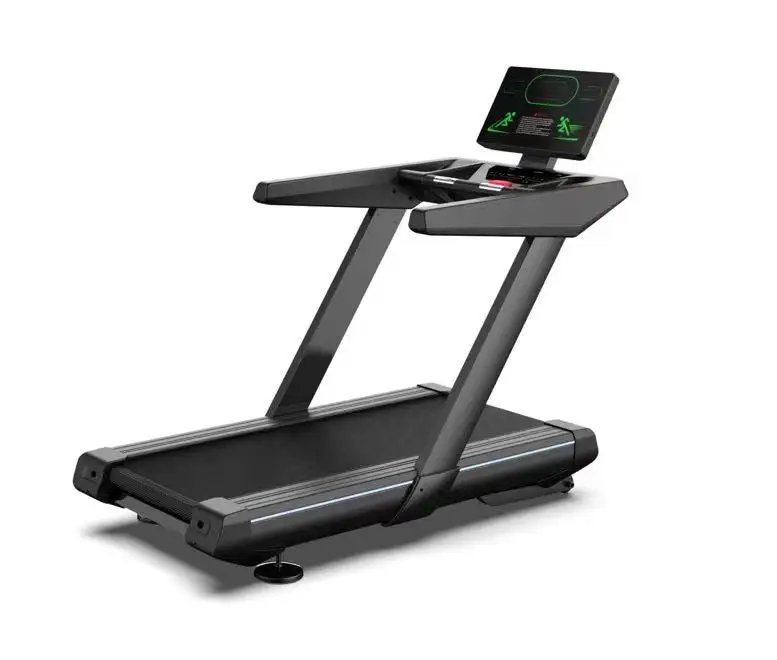
This foldable motorized treadmill fills the moderate-intensity zone for walking and jogging up to 12 km/h, pairing well with a stationary bike or elliptical in small residential fitness corners where floor area restricts equipment count. The 1200 x 420 mm running surface accommodates walking and light jogging gaits for most adult users, though taller runners may notice stride limitation at higher speeds. Manual incline adds resistance variation without the acoustic cost of a second motor. When folded, the unit clears floor space for multi-use rooms. It suits deployment positions near walls or in alcoves where equipment depth is the primary spatial constraint.
Acoustic Profile and Floor-Level Deployment Considerations
DC motors at this power class generate less electromagnetic noise than AC equivalents, making the MT23B suited to upper-floor apartments and guest-adjacent wellness rooms where vibration transfer through floor slabs triggers complaints. Manual incline eliminates a second motor entirely, removing one noise source and one failure point. The 37 kg net weight means the frame transmits less low-frequency vibration into floor structures compared to heavier commercial units. Still, a rubber isolation mat beneath the unit is advisable on suspended timber floors. No data port or wireless module is present, so facility management systems will not receive usage telemetry from this console [NEED_CITE: vibration transmission standards for cardio equipment on suspended floors].
Reading the DC Drive and Manual Incline Specification
The 1.5/DC2.0HP motor designation requires clarification: DC motors in foldable treadmills typically deliver peak output for short bursts and sustain a lower continuous rating. For users running 30–45 minute sessions at moderate speeds, the thermal mass of a DC motor at this class is generally adequate, but back-to-back users in shared spaces may push the coil temperature beyond safe thresholds. The manual incline mechanism uses a physical pin or lever adjustment rather than a motorized actuator, which means resistance changes happen between sessions rather than during them. The LCD console displays speed, distance, time, calories, and pulse via grip sensors — grip-based pulse readings can drift during high-cadence intervals, so users targeting heart-rate-zone training should pair an external chest strap if the console supports one. Twelve preset programs provide structured variety without requiring console connectivity.
The Hidden Cost of Underspecified Motor Ratings
Deploying a treadmill with an ambiguous peak-only horsepower rating into a shared residential fitness room often produces a predictable failure arc. The motor survives the first weeks of intermittent use, then as multiple users begin scheduling back-to-back sessions, coil temperature climbs past the thermal cutoff repeatedly. The controller board degrades from repeated thermal cycling, and the unit begins tripping mid-session. Residents file complaints, building management pulls the entire batch, and the replacement cycle starts. We have watched this pattern repeat across apartment gym deployments where the procurement specification listed only peak horsepower without a continuous duty clause [NEED_CITE: thermal failure patterns in underspecified residential cardio motors]. Equally, grip-only heart rate sensors that drift during interval work lead users to abandon structured programs, reducing long-term engagement with the equipment.
Why This Product Line Addresses Residential Cardio Gaps
The sub-35dB whisper-quiet operation verified across our commercial cardio range informs how we approach DC motor selection even in foldable home units — acoustic performance is not an afterthought. The MT23B benefits from the same 10,000-hour durability testing protocol applied to our full cardio family, meaning bearings and frame joints are validated for extended use. Our six-series cardio coverage lets a residential operator source a foldable treadmill, an exercise bike, and an elliptical from one product ecosystem with consistent visual language. OEM customization extends to console color and logo, so the unit can match interior finishes. The free 3D cardio-zone layout service covers square footage and sightline planning even for compact spaces, ensuring foldable units are positioned with adequate clearance for safe mounting and dismounting.
Documentation & Test Records
- CE declaration of conformity covering electrical safety and electromagnetic compatibility
- RoHS compliance certificate for restricted substance limits
- EN 957 test report validating structural and mechanical safety requirements
- Motor specification sheet listing thermal class and insulation rating
- Noise level test record under representative load conditions
- Installation guide with folded and unfolded clearance dimensions
Installation, Commissioning & Maintenance
- Confirm 1490 x 720 mm unfolded footprint plus 500 mm rear clearance before positioning
- Place on a level surface with a rubber isolation mat to dampen vibration transfer
- Verify household voltage matches the motor rating before first power-on
- Check running belt alignment and tension after the first 10 hours of operation
- Wipe LCD console and grip pulse sensors after each use to prevent sweat corrosion
- Inspect manual incline pin and locking mechanism monthly for secure engagement
Planning Your Cardio Equipment Inquiry
Share the room dimensions and intended user count so we can provide a 3D layout showing folded and unfolded clearances for each unit. Specify expected daily usage hours per machine so we can confirm whether the DC motor duty cycle matches the deployment scenario. Indicate the floor level and adjacent room types to verify that acoustic output suits the environment. Confirm the target market voltage and plug standard to avoid adapter issues on arrival. State whether console data output to facility software is required, since this model operates as a standalone LCD unit.
Frequently Asked Questions
Q: What is the difference between peak and continuous motor power on a home treadmill?
A: Peak horsepower is the maximum output a DC motor can deliver for a brief burst, such as during acceleration or incline surges. Continuous horsepower is what the motor sustains under steady load without overheating. A treadmill rated only by peak output may not support long sessions or back-to-back users in shared spaces. Always request the continuous rating before finalizing a purchase decision.
Q: How does manual incline compare to motorized incline in noise and maintenance?
A: Manual incline uses a physical pin or lever to set the deck angle before a session begins, eliminating a second motor and its associated controller board. This reduces noise sources and removes one component that can fail under repeated use. The trade-off is that incline adjustments cannot happen mid-session, which suits walking and steady-state jogging but not interval programming.
Q: Is a 1200 x 420 mm running surface adequate for all user heights?
A: A 1200 mm belt length accommodates walking and light jogging comfortably for most adults up to approximately 180 cm. Taller users running at higher speeds may find their natural stride exceeds the belt length, causing them to shorten their gait. For dedicated running programs, a longer surface is preferable, but for space-constrained home environments this size balances usability with footprint.
Q: Can the LCD console sync with external fitness apps?
A: The MT23B LCD console tracks speed, distance, time, calories, and pulse locally and does not include wireless connectivity modules. Users who need app integration or facility management telemetry should consider models with IoT-enabled consoles. For standalone home use where personal tracking on a phone or wearable is sufficient, the LCD display provides all essential workout feedback.


![Healthmate MT80 Motorized Foldable Treadmill with Comfort Armrest [WARN] draft identifier mismatch](https://bicksport.com/wp-content/uploads/2026/08/healthmate-mt80-motorized-foldable-treadmill-with-comfort-armrest-warn-draft-identifier-mismatch-280371.webp)