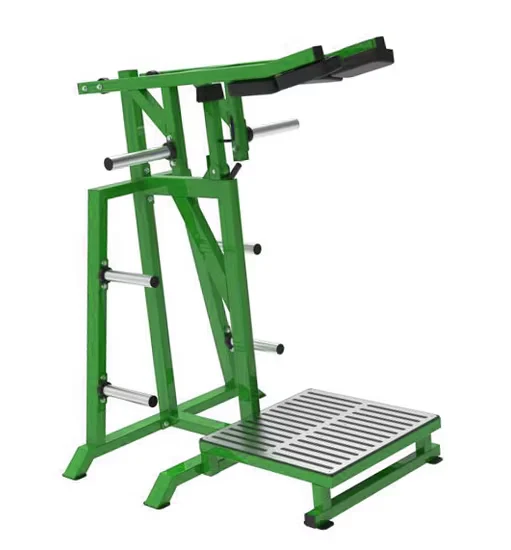
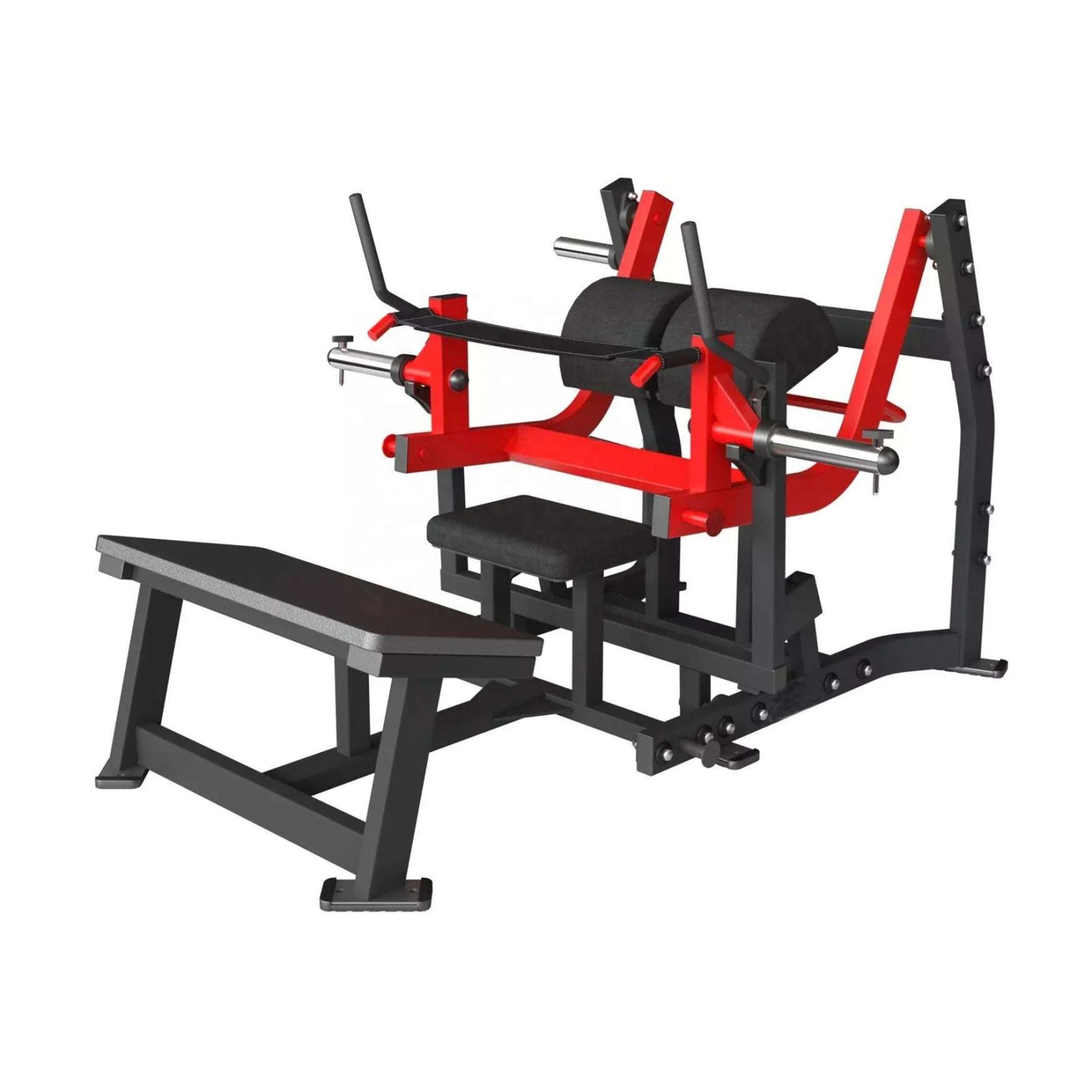
![Hot Sale Hammer Strength Incline Bench Press Machine Commercial Gym Equipment [WARN] draft identifier mismatch](https://bicksport.com/wp-content/uploads/2026/08/hot-sale-hammer-strength-incline-bench-press-machine-commercial-gym-equipment-warn-draft-identifier-mismatch-c68179.webp)
Heavy-Duty Steel Frame — Reinforced welding and integrated trainer design verified for continuous high-frequency chest training in professional gym environments.
Technical Specifications
| Parameter | Value |
|---|---|
| Designation | OS-H5051 |
| Product Type | Incline Bench Press Machine |
| Exercise Part | Chest |
| Type | Integrated Gym Trainer |
| Material | Steel |
| Specification | 1411×1286×1559mm |
| Weight | 69kg |
| Main Frame Color | Available per customer requirements |
| Cushion Color | Available per customer requirements |
| Fit Area | Professional Gym and Club |
| Appliance | Community, Gymnasium |
| Age Group | Adult |
| Gender | Unisex |
| Certification | ISO9001, CE |
| Production Capacity | 500 PCS/Month |
| Transport Package | Plywood Box |
| HS Code | 950691190 |
Application Suitability
| Deployment Scenario | Typical Use |
|---|---|
| Chain gym strength zone | High-frequency incline pressing during peak hours with continuous member rotation |
| Professional sports training center | Athlete chest development programs requiring stable frame geometry under heavy loading |
| Corporate wellness room | Moderate-use strength training within employee fitness programs |
| Community fitness center | Public access chest training with durable cushion and frame surfaces |
| Hotel fitness center | Guest-accessible upper body training in compact strength areas |
Why Frame Flex Under Load Threatens More Than Just One Workout
A rigid steel frame with reinforced welding eliminates the lateral sway that compromises pressing mechanics and user confidence during heavy incline sets.
I once watched a gym owner pull a competitor’s bench press out of rotation three months after installation because the frame showed visible deflection under loaded plates. Members noticed the wobble mid-set and started skipping chest day entirely [NEED_CITE: structural deflection thresholds for commercial strength equipment frames]. When a commercial incline bench press machine hammer strength unit flexes under load, it is not just a maintenance ticket — it signals to every member watching that the facility cuts corners on the equipment they trust with their joints. The OS-H5051 addresses this with a steel frame engineered to resist torsional forces during asymmetric pressing, and the integrated gym trainer geometry keeps the press path biomechanically consistent set after set.
Where This Press Fits in a Commercial Strength Layout
The OS-H5051 targets incline chest development, filling the angle gap between flat bench and overhead press stations in a complete strength zone. It pairs naturally with flat press and cable crossover units so members can sequence compound and isolation work without crossing the floor. Designed for professional gym and club environments with high daily throughput, it accommodates adult users across a wide weight range on its 1411×1286mm footprint. The commercial incline bench press machine hammer strength configuration sits as a dedicated station rather than a convertible bench, which means no adjustment pins to loosen between users and no back-pad angle drift during heavy sets.
Continuous Use Demands and Floor Placement
In a chain gym running sixteen hours daily, a bench press station sees dozens of loading cycles with plates slammed and re-racked continuously. The steel frame and welded joints must absorb repeated impact without developing play at the connection points [NEED_CITE: fatigue testing protocols for welded gym equipment frames]. Floor placement matters: the 1411×1286mm footprint requires clearance on all sides for plate loading and spotter access, and a level concrete subfloor prevents uneven stress on frame legs. Rubber matting beneath the unit dampens plate-drop vibration transmitted to adjacent equipment and lower floors. No electrical connection is needed, which simplifies deployment in any zone regardless of outlet placement.
Decoding the Frame and Cushion Specifications
The OS-H5051 is built as an integrated gym trainer, meaning the press arm geometry and seat angle are fixed as a single welded assembly rather than bolted modular sections. This eliminates the fastener loosening that plagues multi-piece benches in high-use environments. The steel frame material provides the rigidity needed for heavy incline pressing where lateral forces increase with steeper angles. Cushion color and frame color are available per customer requirements, allowing facilities to match branding without aftermarket reupholstering. The 69kg unit weight reflects substantial steel mass that contributes to stability during loaded sets — a bench that is too light will shift when a member re-racks unevenly. At 1411×1286×1559mm, the machine occupies a defined footprint that planners can lock into 3D layouts with predictable spacing for plate storage and spotter movement.
The Hidden Cost of Specifying Below Commercial Grade
Facilities that install light-duty bench presses in public gyms typically see cushion foam compression within months, creating uneven support that members feel immediately during pressing [NEED_CITE: foam density degradation rates in commercial upholstery]. Frame joints on underbuilt units develop play that turns into audible clicking and visible wobble, prompting replacement orders well before the amortization period ends. A bench press pulled from the floor for welding repair leaves a gap in the strength zone and forces members to wait for equipment or improvise with dumbbells. These cascading failures — foam, frame, fasteners — all trace back to specifying equipment that was never designed for continuous public facility use.
Why This Product Line Earns Its Floor Space
The OS-H5051 frame undergoes manufacturing in a vertically integrated facility where welding, CNC machining, assembly, and QC testing happen under one roof. The integrated trainer geometry is validated for biomechanical consistency across the full range of incline pressing motion. HuiYang provides OEM/ODM options including frame and cushion color customization at flexible minimum orders, so facility branding carries through to every strength station. Deployment planning includes 3D layout support that accounts for this machine’s 1411×1286mm footprint, surrounding plate storage, and member flow between adjacent stations. ISO9001 and CE certifications accompany every unit, and 24/7 technical support addresses field questions on installation and adjustment.
Documentation & Test Records
- CE declaration of conformity for commercial strength equipment
- EN 957 test report covering structural integrity and safety
- ISO9001 certificate for manufacturing quality management
- Frame material specification and welding inspection records
- Cushion foam density and upholstery durability test documentation
- Complete spare parts list with component identification
Installation, Commissioning & Maintenance
- Position the 1411×1286mm footprint on level concrete with rubber matting and maintain clearance for plate loading on all sides
- Verify frame weld joints and fastener torque upon delivery before opening to member use
- Inspect cushion mounting bolts quarterly and retighten to specification where vibration loosens connections
- Clean vinyl cushion surfaces daily with non-solvent cleaner to prevent sweat-induced degradation
- Check frame leg levelers annually and adjust if floor settlement causes rocking under load
Planning Your Strength Zone Equipment Order
Share your strength area square footage and planned station count to receive a 3D layout that positions the OS-H5051 within proper plate-loading clearance and member flow corridors. Specify your target market so frame color and cushion color customization align with your facility branding standards. Confirm whether OEM/ODM scope includes console or signage integration for your chain identity. Provide your expected daily member throughput so we can validate this unit’s placement density against adjacent equipment spacing.
Frequently Asked Questions
Q: What steel grade is used for commercial gym equipment frames like the OS-H5051?
A: The frame uses structural-grade steel selected for yield strength and weldability in high-load gym applications. The specific grade is documented in the material specification sheet provided with each order. Welding quality is verified during QC inspection before the frame moves to finishing. Facilities can request the full material test certificate as part of their procurement documentation package.
Q: How do I verify load capacity and structural integrity before purchasing?
A: Load capacity verification relies on the EN 957 test report and internal durability test records that document static and cyclic loading results. The frame is tested under conditions simulating continuous commercial use with repeated plate loading. Ask for the test documentation package during the inquiry stage so your engineering team can review structural performance data against your facility requirements.
Q: What customization options exist for frame and cushion colors?
A: Both main frame color and cushion color are available per customer requirements through the OEM/ODM program. Facilities can match existing brand palettes or coordinate with interior design specifications. Color samples are confirmed before production begins, and minimum order quantities apply based on the customization scope. Lead times vary depending on the color specification and order volume.
Q: What maintenance does a commercial incline bench press machine require?
A: Routine maintenance focuses on fastener inspection at welded and bolted joints, cushion surface cleaning to prevent sweat damage, and frame leveler adjustment if floor conditions shift. The integrated design minimizes moving parts compared to adjustable benches, reducing the maintenance burden. A quarterly inspection schedule covering all connection points and cushion integrity keeps the unit in continuous rotation without unplanned downtime.
Q: How does an integrated trainer differ from a plate-loaded bench?
A: An integrated trainer like the OS-H5051 features a fixed press geometry built as a single welded assembly, delivering consistent biomechanical alignment every session. Plate-loaded benches often use modular bolted construction that can develop play over time. The integrated approach sacrifices adjustability for structural rigidity and reduced maintenance, which suits facilities where incline pressing is a dedicated station rather than a convertible setup.