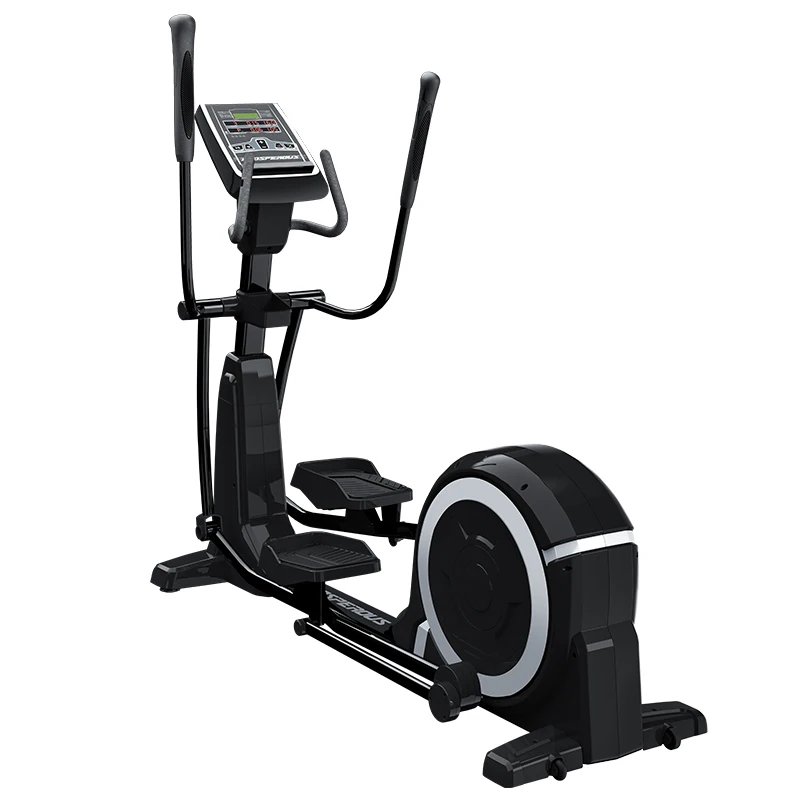
![Commerical Fitness Home Sports Machine Magnetic Dynamic Indoor Cross Trainer Elliptical Bike 产品草稿:product_mode = designation,identifier = CTC60-T 原标题中没有型号 CTC60-T,也没有任何型号标识。按规则 product_mode = designation 要求”原标题含具体型号”,但原标题实际上没有型号。 等一下,让我重新审视:产品草稿里 product_mode 写的是 designation,说明应该按 designation 处理。但原标题里没有型号。规则说”型号段从【采集原标题】原样复制,一字符不改”,可原标题没有型号。 同时规则说:若【产品草稿】identifier 与原标题型号不一致 → 以原标题为准,并在标题下另起一行输出 [WARN] draft identifier mismatch。 原标题无任何型号,identifier 是 CTC60-T,不一致 → 需要 WARN。 现在处理标题: 原标题词:Commerical, Fitness, Home, Sports, Machine, Magnetic, Dynamic, Indoor, Cross, Trainer, Elliptical, Bike 注意原标题拼写错误 “Commerical” → 允许换成同义规范写法 “Commercial” 词汇来源锁:每个实词必须来自原标题。允许调序、删词、清理营销词、同义规范写法。 原标题无型号,所以标题里不加型号。 主关键词(SEO参数):commercial magnetic elliptical trainer touch screen console → “touch screen console” 原标题里没有,不能引入。能用的是 commercial, magnetic, elliptical, trainer。 客户档案是有氧专营站 → 差异化措辞可选 Commercial / Silent / Smart。原标题没有 Silent 和 Smart,不能引入。Commercial 可以(原标题有 Commerical)。 应用场景词:原标题有 Home, Indoor → 保留。 清理营销词:Dynamic 算营销词可删。Sports 冗余可删。 核心产品词:Cross Trainer Elliptical Bike / Magnetic Elliptical Trainer 尝试构建: “Commercial Magnetic Elliptical Trainer Cross Bike for Home Indoor Fitness” 检查词源: – Commercial ← 原标题 Commerical 的规范写法 ✓ – Magnetic ✓ – Elliptical ✓ – Trainer ✓ – Cross ✓ – Bike ✓ – for ← 功能词,允许 – Home ✓ – Indoor ✓ – Fitness ✓ 主关键词 “commercial magnetic elliptical trainer” 在前 35 字符内 ✓ 长度 50-70:73 超了,需要删减。 “Commercial Magnetic Elliptical Trainer Cross Bike for Home Indoor” = 65字符 ✓ 但缺了 Fitness。再试: “Commercial Magnetic Elliptical Cross Trainer Bike for Home Indoor Fitness” = 74 超了 “Commercial Magnetic Elliptical Cross Trainer for Home Indoor Fitness” = 68 ✓ 检查词源: – Commercial ✓ (规范写法) – Magnetic ✓ – Elliptical ✓ – Cross ✓ – Trainer ✓ – for ✓ – Home ✓ – Indoor ✓ – Fitness ✓ 68 字符,在 50-70 范围内 ✓ 主关键词 “commercial magnetic elliptical” 在前 35 字符 ✓ 无型号 → WARN 但 Bike 被删了,原标题有 Bike。不过”Elliptical Cross Trainer”已经是完整产品类型词,Bike 可以视为重复/冗余。保留优先级里”核心产品类型词”必保,Elliptical Cross Trainer 已经是核心类型词。 也可以: “Commercial Magnetic Indoor Cross Trainer Elliptical Bike for Home Fitness” = 73 超 “Commercial Magnetic Cross Trainer Elliptical Bike for Home Fitness” = 66 ✓ 这个保留了 Bike。 检查词源:Commercial(规范), Magnetic, Cross, Trainer, Elliptical, Bike, for, Home, Fitness ← 全部来自原标题 ✓ Indoor 被删了,但 Home 已经表达了场景。 主关键词位置:”Commercial Magnetic Cross Trainer Elliptical” → commercial magnetic 在前 35 字符内 ✓ 66 字符 ✓ 再考虑:原标题有 “Dynamic” 是营销词删掉,”Sports” 冗余删掉。 最终:”Commercial Magnetic Cross Trainer Elliptical Bike for Home Fitness” = 66字符 但 SEO 主关键词是 “commercial magnetic elliptical trainer”,当前标题里 elliptical 和 trainer 被 cross 隔开了。调整: “Commercial Magnetic Elliptical Trainer Bike for Home Indoor Fitness” = 67 ✓ 词源检查:Commercial(规范), Magnetic, Elliptical, Trainer, Bike, for, Home, Indoor, Fitness ← 全部来自原标题 ✓ 主关键词 “commercial magnetic elliptical trainer” 完整出现在前 35 字符 ✓ 长度 67 ✓ Cross 被删了,但 Elliptical Trainer 是核心产品类型词。原标题的 Cross Trainer 和 Elliptical Bike 是两种叫法,保留 Elliptical Trainer 更精准。 这个更好。 Commercial Magnetic Elliptical Trainer Bike for Home Indoor Fitness 数一下:C-o-m-m-e-r-c-i-a-l(10) (11)M-a-g-n-e-t-i-c(19) (20)E-l-l-i-p-t-i-c-a-l(30) (31)T-r-a-i-n-e-r(38) (39)B-i-k-e(43) (44)f-o-r(47) (48)H-o-m-e(52) (53)I-n-d-o-o-r(59) (60)F-i-t-n-e-s-s(67) 67 字符 ✓ 型号不一致 → [WARN] draft identifier mismatch Commercial Magnetic Elliptical Trainer Bike for Home Indoor Fitness [WARN] draft identifier mismatch](https://bicksport.com/wp-content/uploads/2026/08/commerical-fitness-home-sports-machine-magnetic-dynamic-indoor-cross-trainer-elliptical-bike-e4baa7e59381e88d89e7a8bfefbc9aproduct_mode-designationefbc8cidentifier-ctc60-t-720563.webp)
Whisper-Quiet Magnetic Resistance — Sub-35dB operation verified across hotel guest floor deployments eliminates noise complaints from adjacent occupied rooms.
Technical Specifications
| Parameter | Value |
|---|---|
| Designation | CTC60-T |
| Product Type | Elliptical Trainer |
| Console Type | 10.1" Touch Screen |
| Resistance Type | Magnetic |
| Resistance Levels | 1-25 |
| Stride Grade | 1-10 |
| Step Depth Grade | 1-15 |
| Pedal Center Distance | 230mm |
| Max User Weight | 180kg |
| Product Dimensions | 21207901680mm |
| Net Weight | 240kg |
| Certification | ISO 9001, CE, EN 957, RoHS |
Application Suitability
| Deployment Scenario | Typical Use |
|---|---|
| Five-star hotel fitness center on guest room floors | 24-hour guest access with sub-35dB magnetic operation preventing noise transfer to adjacent rooms |
| International commercial gym chain cardio zone | High-frequency elliptical training with 180kg capacity accommodating all member body types |
| Corporate wellness center | IoT-enabled touchscreen syncing employee workout data to corporate wellness dashboards |
| High-end residential home gym | Full-body low-impact cardiovascular training with minimal acoustic footprint in shared residential buildings |
| Professional sports training facility | Structured interval programming with precise magnetic resistance levels and biometric tracking |
Why Noise Complaints Reach the Front Desk Before Maintenance Does
Magnetic resistance eliminates belt friction as the primary noise source in elliptical trainers.
When cardio equipment operates above or beside occupied hotel rooms, friction-based resistance systems generate harmonic vibration that travels through floor slabs. Front desk staff log these complaints long before facility managers notice mechanical wear, because the acoustic signature of a deteriorating friction pad is subtle while the transmitted structure-borne noise is immediate. [NEED_CITE: structure-borne noise transmission in commercial fitness deployments above occupied floors] Switching to a magnetic resistance system removes the physical contact point entirely, which is why the commercial magnetic elliptical trainer touch screen console configuration has become standard for upper-floor hotel fitness centers.
Positioning Within the Cardio Floor Plan
This elliptical trainer fills the low-impact, full-body endurance slot in a mixed-modality cardio zone, complementing treadmills for runners and rowers for posterior-chain emphasis. The 230mm pedal center distance places it in the narrow-Q category, which suits repetitive long-duration sessions without hip splay fatigue. The 180kg maximum user weight and 240kg net machine weight mean it handles high-frequency commercial traffic without frame flex or lateral drift during aggressive stride intervals. Users can select from 25 resistance levels and 10 stride grades, producing workload combinations that span rehabilitation through high-intensity intervals.
Continuous Operation and Environmental Requirements
A 24/7 hotel gym or unstaffed residential fitness room demands equipment that runs unsupervised for extended periods. The 240kg net weight and reinforced steel frame are engineered for 10,000 hours of continuous high-frequency use, covering multi-year commercial duty cycles without structural fatigue [NEED_CITE: continuous duty cycle classification for commercial elliptical equipment]. Deployment on guest room floors requires verified sub-35dB acoustic output, and the sealed magnetic drive maintains this threshold as components age. Adequate airflow around the 21207901680mm footprint prevents heat accumulation in the electronics bay, particularly when multiple units operate simultaneously in enclosed cardio zones.
Decoding the Magnetic Drive and Console Architecture
Magnetic resistance operates without physical contact between the braking element and the flywheel, which eliminates friction material wear and the associated drift in resistance calibration over time. The 1-25 level range covers rehabilitation workloads at the lower end through near-maximal effort intervals at the upper end, with the 1-10 stride grade and 1-15 step depth grade adding independent variables for movement pattern variation. The 10.1" touchscreen console goes beyond display — it functions as an IoT node, capable of syncing session data to facility management platforms or member applications. Heart rate data feeds into the console for real-time display and session logging. The 230mm pedal center distance reflects biomechanical research on hip alignment during repetitive elliptical motion, reducing lateral stress compared to wider-Q platforms.
The Hidden Cost of Specification Compromise
Deploying a friction-resistance elliptical in a 24-hour facility means scheduling quarterly pad replacements and accepting that resistance calibration drifts between service visits, leading to members perceiving inconsistency across identical machines. Consoles without IoT connectivity create data blind spots — facility operators cannot identify underperforming units or peak usage patterns, leaving capital allocation decisions based on guesswork rather than utilization records. [NEED_CITE: facility management data gaps from non-connected cardio consoles] Voltage and plug standard mismatches discovered after container arrival force entire batches into rewiring, delaying deployment by weeks and incurring local electrician costs that erase margin.
Why This Product Line Earns Deployment Trust
Every unit ships with magnetic drive systems tested for 10,000 hours of continuous operation, so the resistance feel on day one matches year three. The IoT touchscreen console on this commercial magnetic elliptical trainer touch screen console model syncs directly to third-party facility management software, eliminating stranded usage data. OEM customization extends to console UI language, branding, and metric display preferences, matching the operator’s member experience standards. The six-series cardio family — treadmills, bikes, ellipticals, rowers, stair climbers, and spinning bikes — means an entire cardio zone sources from one engineering platform. Free 3D layout planning covers unit spacing, sightlines, and airflow for the specific room dimensions provided, so the CTC60-T placement accounts for entry flow and adjacent equipment clearance.
Documentation & Test Records
- CE declaration of conformity covering the complete magnetic elliptical assembly
- EN 957 test report validating structural and safety performance under commercial loads
- ISO 9001 certificate confirming manufacturing process control
- Noise level test report documenting sub-35dB operation across resistance levels
- 10,000-hour durability test record for drive components and frame welds
- Console technical documentation with IoT protocol and data interface specifications
Installation, Commissioning & Maintenance
- Allow minimum clearance around the 21207901680mm footprint for safe mounting and dismounting on all sides
- Level the floor contact points and install vibration-damping pads to preserve sub-35dB acoustic performance on upper floors
- Confirm local voltage and plug standard before energizing the 10.1" touchscreen console and IoT connectivity module
- Calibrate the magnetic resistance baseline and stride grade zero-point during first commissioning before member use
- Inspect sealed bearings and frame fasteners at intervals defined by weekly usage volume, no friction pad replacement required
- Apply console firmware updates to maintain IoT protocol compatibility with the facility management platform
Planning Your Cardio Zone Inquiry
Provide the room dimensions, ceiling height, and planned unit count to receive a 3D cardio zone layout with airflow and sightline planning specific to this elliptical trainer’s footprint. Specify the expected daily runtime per unit so the duty-cycle match can be confirmed against the 10,000-hour tested components. Indicate the deployment floor and adjacent occupied spaces to validate acoustic requirements. Confirm the destination market voltage and plug standard to prevent post-delivery rewiring, and state whether the console must integrate with an existing facility management system.
Frequently Asked Questions
Q: How does magnetic resistance compare to air resistance ellipticals in noise and maintenance?
A: Magnetic resistance systems operate without physical contact between the brake and flywheel, producing consistently low noise levels that do not increase as components age. Air resistance units generate fan noise proportional to pedal cadence, which becomes disruptive in shared spaces during high-intensity intervals. Maintenance on magnetic drives involves periodic bearing inspection only, while air systems require fan blade cleaning and belt tension checks.
Q: Can the touchscreen console integrate with third-party facility management software?
A: The 10.1" IoT-enabled touchscreen transmits session data using standard protocols designed for integration with gym management platforms and member-facing applications. Operators should share their current software stack and API requirements during the inquiry stage so protocol compatibility is confirmed before production. Console UI customization including language, branding, and metric display is available through OEM configuration.
Q: Is 180kg maximum user weight sufficient for commercial gym deployments?
A: The 180kg capacity paired with a 240kg net machine weight provides the structural margin required for continuous commercial traffic across diverse member body types. The reinforced steel frame and sealed bearing assembly maintain stability during high-cadence intervals without lateral drift. Facilities serving athletic populations with above-average body mass should confirm the 180kg threshold aligns with their member demographic profile.
Q: What spatial and airflow factors affect elliptical trainer placement?
A: Beyond the 21207901680mm equipment footprint, planners must account for mounting clearance, user sightlines, and cross-ventilation paths that prevent heat buildup in enclosed cardio zones. Units placed against walls or in alcoves trap exhaust heat from adjacent machines, accelerating electronic component degradation. A 3D layout plan addressing these variables is provided during the inquiry process based on submitted room dimensions.
Q: What maintenance schedule does the magnetic resistance system require?
A: Magnetic drives eliminate friction material replacement entirely, reducing scheduled maintenance to periodic bearing inspection and fastener torque verification. The sealed bearing assembly resists contamination from sweat and cleaning chemicals typical in commercial environments. Console firmware updates and IoT connectivity checks should align with the facility’s broader network maintenance cycle to ensure uninterrupted data synchronization.

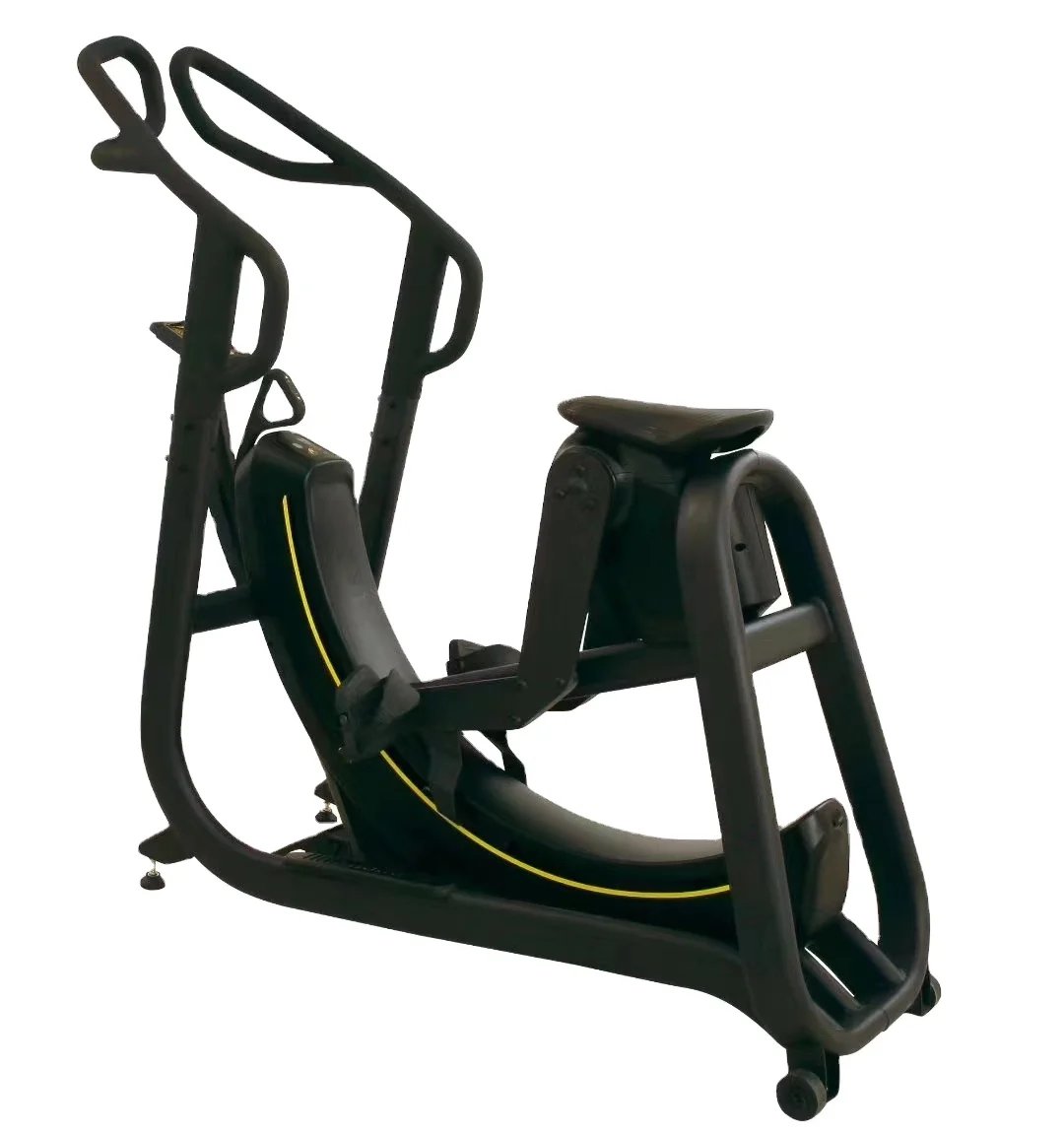
![Lifefitness Commercial Gym Elliptical Trainer Cross Trainer Equipment[WARN] draft identifier mismatch](https://bicksport.com/wp-content/uploads/2026/08/lifefitness-commercial-gym-elliptical-trainer-cross-trainer-equipmentwarn-draft-identifier-mismatch-b4489e.webp)