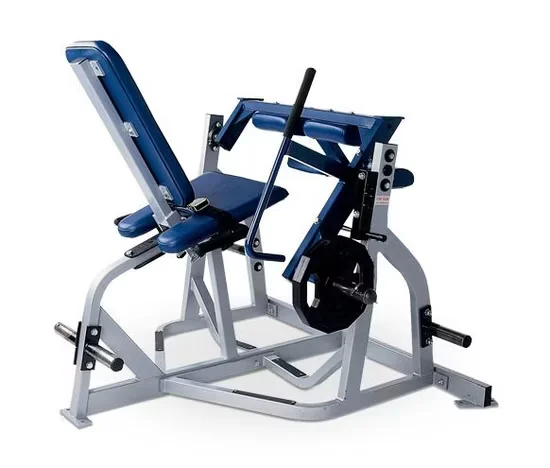
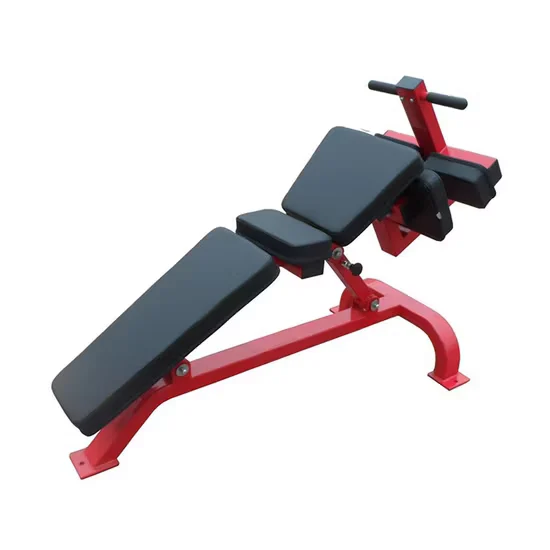
Steel-Frame Rigidity — reinforced welding and commercial-grade components keep frame resonance low during repetitive high-load hip and glute movements in shared facilities.
Technical Specifications
| Parameter | Value |
|---|---|
| Product Type | Hip and Glute Machine (Strength Equipment) |
| Exercise Part | Hip and Glute |
| Type | Integrated Gym Trainer |
| Material | Steel |
| Main Frame Color | Available according to customer requirements |
| Cushion Color | Available according to customer requirements |
| Product Dimensions | 1250×1750×1090mm |
| Net Weight | 65kg |
| OEM/ODM | Acceptable |
| Certification | ISO 9001, CE |
| Age Group | Adult |
| Gender | Unisex |
| Fit Area | Professional Gym and Club |
| Appliance | Community, Gymnasium |
| Transport Package | Plywood Box |
| HS Code | 950691190 |
| Production Capacity | 500 PCS/Month |
Application Suitability
| Deployment Scenario | Typical Use |
|---|---|
| Professional gym and club strength zones | Dedicated hip and glute training station within the free-weight and selectorized area |
| Community fitness center | Mixed-use lower-body station accommodating high member turnover throughout the day |
| Boutique studio focused on lower-body programming | Primary glute and hip development machine in a compact strength circuit |
| Hotel fitness center | Space-consolidated trainer serving guests who want targeted lower-body work without multiple machines |
| Corporate wellness room | Single integrated unit covering several movement patterns for employees with limited training time |
Why Strength Equipment Noise Reaches the Front Desk Before Maintenance Does
A rigid steel frame and reinforced welds stop vibration before it travels through the floor.
In my years testing cardio and strength equipment for hotel deployments, the pattern is always the same: members feel something off, they complain, and by the time maintenance gets a ticket the machine has been grinding metal-on-metal for weeks. Hip and glute machines see repetitive heavy loading in one plane of motion, which concentrates stress on specific weld points and pivot joints. When frame flex accumulates, resonance amplifies through concrete slabs and into occupied rooms below. A commercial hip and glute machine strength equipment unit built on a reinforced steel chassis with integrated pivot assemblies handles that load path differently — the vibration stays in the frame instead of traveling through the structure [NEED_CITE: structural vibration transmission in commercial fitness equipment deployed on elevated floors].
Positioning Within the Strength Zone Layout
This hip and glute machine serves as a targeted lower-body station that complements squat racks, leg press units, and cable crossover systems. It covers hip extension, hip thrust, and glute activation patterns in one footprint, which matters when facility operators need to maximize training density without adding floor space. The integrated trainer design fits between selectorized machines and free-weight zones, giving members a dedicated movement station that does not compete with compound lift areas. Users across a wide range of body sizes can load the machine comfortably thanks to the fixed movement path and adjustable contact points. As a commercial hip and glute machine strength equipment option, it consolidates several isolation exercises so that the surrounding strength zone can allocate square footage to other disciplines.
Continuous Use and Environmental Deployment Factors
Facilities running strength equipment for ten or more hours daily need machines that tolerate constant loading and unloading without pivot wear or cushion breakdown. This unit is designed around the same durability philosophy as the bicksport commercial range — components selected for continuous high-frequency operation in environments where equipment never truly rests. Noise transmission through floors remains a concern when hip and glute machines sit above occupied spaces, so ground-level placement or deployment on reinforced slabs with vibration-damping pads helps contain sound [NEED_CITE: noise transmission standards for fitness equipment in multi-story commercial buildings]. Adequate clearance around the unit ensures members can load and unload safely while allowing airflow to prevent heat buildup near adjacent machines. Voltage and plug standards must match the deployment market before the shipment leaves the factory, since even a strength machine with electronic components can face compatibility issues at the destination.
Inside the Steel and Weld Specifications
The steel frame on this machine addresses the core failure point in commercial strength equipment: fatigue cracking at high-stress weld joints. Hip and glute movements generate significant lateral and vertical loading at the pivot assembly, which is why the frame uses reinforced welding rather than spot-tack connections at critical junctions. The 65kg net weight reflects a structure built to resist flex under repetitive loading — lighter frames tend to oscillate during heavy hip thrusts, and that oscillation accelerates bearing wear and loosens fasteners over time. The 1250×1750×1090mm footprint provides a stable base geometry that keeps the center of gravity low during loaded movements. Cushion material composition affects both user comfort and long-term maintenance intervals; degraded cushions shift loading patterns and increase metal contact noise. The integrated design eliminates the transfer path between separate machines, reducing the total number of pivot points and bearings that require scheduled maintenance.
The Hidden Cost of Underspecified Strength Stations
When facility operators select strength machines based on price rather than duty-cycle rating, the consequences show up within months. Cushion materials compress and harden under continuous public use, leading to member complaints about discomfort and eventually attrition from lower-body programming. Frame flex that seems minor during a showroom test compounds under hundreds of daily repetitions, loosening hardware and creating noise that draws complaints from adjacent spaces. A commercial hip and glute machine strength equipment unit that lacks proper structural specification ends up requiring bearing replacements, cushion swaps, and weld touch-ups far earlier than the depreciation schedule anticipated [NEED_CITE: maintenance cost escalation in commercial strength equipment under continuous duty cycles]. Data from facility management logs consistently shows that the machines replaced first are the ones where structural shortcuts were not visible during procurement.
Why This Product Line Covers the Strength Zone Differently
The bicksport approach to strength equipment mirrors its cardio engineering discipline — every component is evaluated against a 10,000-hour continuous operation standard before it reaches the assembly line. For this hip and glute machine, that means frame welds are stress-tested under repetitive high-load cycles and pivot bearings are rated for commercial frequency rather than light-duty intervals. The OEM/ODM capability extends to frame color and cushion color, so facility operators can match the unit to existing equipment branding without aftermarket refinishing. The integrated design reduces the total footprint of the lower-body zone, which feeds directly into the 3D layout planning service that covers sightlines, member flow, and equipment spacing across the entire floor. Sub-35dB operational standards from the cardio line inform how the strength range addresses vibration and noise — the same acoustic concerns that matter in hotel fitness centers apply when heavy hip and glute work happens above guest rooms. Full documentation accompanies every unit, and 24/7 technical support covers commissioning and ongoing maintenance questions.
Documentation & Test Records
- CE declaration of conformity for the integrated hip and glute trainer
- EN 957 test report covering structural load and stability requirements
- ISO 9001 certificate for manufacturing quality management systems
- Noise level test record verifying operational sound under load
- Durability test documentation for frame welds and pivot bearings
- Spare parts list with component specifications and replacement intervals
Installation, Commissioning & Maintenance
- Confirm the 1250×1750mm footprint plus clearance on all sides before marking floor positions
- Level the steel frame on vibration-damping pads to reduce resonance transmission to adjacent areas
- Verify that any electronic components match the local voltage and plug standard before first power-on
- Inspect all pivot bolts and fasteners after the initial 500-use break-in period
- Schedule cushion inspection at regular intervals to catch compression before members notice discomfort
- Maintain a cleaning protocol for contact surfaces to prevent sweat corrosion on the steel frame
Planning Your Strength Zone Procurement
Provide your strength zone area and equipment list to receive a 3D layout plan that accounts for member flow, sightlines, and ventilation around each station. Specify daily operating hours so component durability can be matched to your facility’s actual duty cycle. Note the deployment floor and what occupies the rooms below to determine whether additional vibration isolation is necessary. Confirm the target market voltage and plug standard to prevent compatibility issues at delivery.
Frequently Asked Questions
Q: What is the difference between integrated and plate-loaded hip and glute machines?
A: Integrated trainers consolidate multiple movement patterns into one frame with a fixed movement path, reducing floor footprint and simplifying member use. Plate-loaded machines typically focus on a single exercise and require weight plate storage nearby. Integrated units suit high-turnover commercial environments where space efficiency and ease of use take priority over raw loading capacity.
Q: How does frame construction affect noise and durability in commercial environments?
A: Reinforced steel frames with properly executed welds resist flex under repetitive loading, which prevents metal-on-metal contact noise from developing over time. Frame rigidity also keeps pivot bearings aligned, reducing wear rates. In multi-story buildings, a stiff frame transmits less vibration through floor slabs compared to lighter structures that oscillate during heavy use.
Q: Can frame and cushion colors be customized to match existing facility branding?
A: Yes, both the main frame color and cushion color are available according to customer requirements through the OEM/ODM program. This allows facility operators to maintain visual consistency across the equipment floor without relying on aftermarket painting or reupholstery. Color matching is coordinated during the quotation stage before production begins.
Q: What maintenance is required for commercial hip and glute equipment?
A: Primary maintenance focuses on pivot bearing inspection, fastener torque checks, and cushion condition assessment. After the initial break-in period, hardware should be re-torqued and then checked at scheduled intervals based on daily usage volume. Cushion compression should be monitored to prevent member complaints before comfort degradation becomes noticeable.
Q: How to plan strength zone layout for optimal member flow and equipment utilization?
A: Position dedicated machines like hip and glute trainers between free-weight areas and selectorized stations to create natural movement circuits. Allow adequate clearance for loading and unloading on all sides. Consider sightlines from the entrance so members can locate available equipment quickly, and ensure ventilation coverage reaches every station in the zone.