![Ai5 Cardio Training Commercial Use Fitness Equipment Elliptical Walker for Hotel Gym [WARN] draft identifier mismatch](https://bicksport.com/wp-content/uploads/2026/08/ai5-cardio-training-commercial-use-fitness-equipment-elliptical-walker-for-hotel-gym-warn-draft-identifier-mismatch-3e31b3.webp)
Acoustic Precision Verified — Every unit ships only after magnetic resistance tuning confirms sub-35dB output across all load steps, eliminating the noise complaints that reach hotel front desks.
Technical Specifications
| Parameter | Value |
|---|---|
| Designation | CTC60-T AI5 |
| Product Type | Elliptical Trainer |
| Console Type | 10.1" Touch Screen |
| Resistance Type | Magnetic |
| Resistance Levels | 1-25 |
| Stride Grade | 1-10 |
| Step Depth Grade | 1-15 |
| Pedal Center Distance | 230mm |
| Max User Weight | 180kg |
| Connectivity | IoT-enabled |
| Noise Level | Sub-35dB |
| Durability Rating | 10,000+ hours continuous use |
| Net Weight | 240kg |
| Product Dimensions | 2120 × 790 × 1680mm |
| Certification | ISO 9001, CE, EN 957, RoHS |
Application Suitability
| Deployment Scenario | Typical Use |
|---|---|
| Hotel fitness center on guest room floors | 24-hour access cardio for guests requiring sub-35dB operation beside occupied rooms |
| Chain gym cardio zone | High-frequency member use with IoT console data synced to facility management |
| Corporate wellness room | Mid-day employee sessions in shared office environments where noise travels |
| High-end residential home gym | Private installations demanding commercial durability in compact living spaces |
| Sports performance training center | Athlete conditioning with biometric data capture through the connected console |
Why Noise Complaints Reach the Front Desk Before Maintenance Does
Magnetic resistance eliminates the friction points that generate audible complaints in guest-facing environments.
When cardio equipment sits directly above or beside occupied hotel rooms, every decibel above acceptable thresholds becomes a front-desk escalation. Friction and belt-driven systems produce mechanical noise that compounds under continuous use, and by the time maintenance receives the work order, the guest has already left a negative review. I have seen entire batches pulled back from hotel floors because magnetic gap calibration drifted between units, causing resistance levels to jump audibly mid-stride. The CTC60-T AI5 commercial elliptical trainer 10.1 inch touch screen magnetic resistance system addresses this at the assembly stage — each unit is run through all 25 resistance levels on the test floor before clearance. [NEED_CITE: acoustic thresholds for cardio equipment deployment in occupied hotel zones]
Positioning Within the Cardio Floor Layout
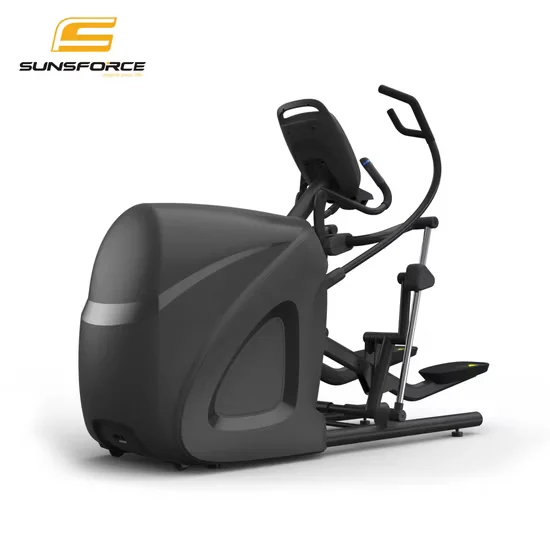
This elliptical trainer fills the low-impact, full-body conditioning slot in a commercial cardio zone, complementing treadmills and steppers that target lower-body dominance. The adjustable stride grade and step depth grade accommodate users ranging from casual hotel guests to athletes in structured training blocks. Its 230mm pedal center distance supports natural hip alignment across different body types, reducing the lateral sway that narrower platforms create. In a mixed-equipment layout, this unit typically occupies positions adjacent to windows or interior walls where its sub-35dB profile allows placement without acoustic buffer zones. The IoT-enabled console captures session duration, resistance curves, and heart rate data, feeding facility operators the usage metrics needed to adjust equipment ratios over time. One commercial elliptical trainer 10.1 inch touch screen magnetic resistance unit covers steady-state and interval work without requiring members to switch machines.
Continuous Operation and Environmental Constraints
Facilities running 16 to 24 hours daily need equipment rated for sustained duty cycles, not peak performance in short bursts. The sealed bearing assembly and reinforced steel frame on this unit are tested for 10,000+ hours of continuous operation, which translates to years of service in high-traffic gym cardio zones before major component attention. [NEED_CITE: duty cycle standards for commercial cardio equipment in 24-hour facilities] Noise transmission through floor structures requires attention to deployment floor — units on upper hotel levels benefit from vibration-dampening pads beneath the 240kg frame. Adequate clearance around the 2120 × 790mm footprint ensures airflow reaches the drive housing during extended run times. Voltage specifications must match the target market before production to avoid transformer losses or plug adapter failures after container arrival. Console firmware should be configured for local network protocols before commissioning to ensure IoT data flows to the facility management system from day one.
Interpreting the Drive and Control Specifications
The magnetic resistance system on this elliptical trainer provides 25 discrete load levels without physical contact between braking surfaces, which is the fundamental reason it maintains sub-35dB operation. Unlike friction pads that wear and generate particulate debris, magnetic resistance holds consistent output across the full range and requires no periodic replacement. The 10.1" touchscreen console supports IoT connectivity, enabling session data export to third-party facility management platforms — a capability that matters when operators need to track equipment utilization across dozens of units. Pedal center distance of 230mm sits in the range that biomechanics research associates with comfortable hip tracking for most adult users, and the adjustable stride and step depth allow fine-tuning for individual motion paths. The 180kg maximum user weight rating, supported by the 240kg net weight frame, indicates structural capacity well above light-commercial units that typically cap at 130-150kg. [NEED_CITE: EN 957 structural load requirements for commercial elliptical trainers]
The Hidden Cost of Specification Compromises
Specifying light-commercial elliptical trainers for a 24-hour gym floor leads to premature motor burnout and unplanned replacement cycles that disrupt member experience. Units rated below the actual usage intensity develop bearing noise within months, generating the exact guest complaints that hotel operators cannot resolve without pulling equipment offline. Consoles lacking IoT integration leave facility operators blind to usage patterns, preventing data-driven decisions about equipment rotation and cardio zone expansion. Voltage mismatches discovered after shipment force entire batches through transformer retrofitting, adding weeks of downtime before the equipment reaches the floor. I watched a batch return to our workshop after magnetic gap inconsistency across units caused audible resistance stepping — the cost of rework far exceeded what proper calibration at assembly would have required. [NEED_CITE: failure rate comparison between light-commercial and commercial-rated cardio equipment]
Why This Product Line Earns Its Place
Every unit leaving the assembly line has its magnetic resistance verified across all 25 levels on the noise test floor — I have personally rejected units that showed audible stepping between resistance grades. The 10,000+ hour durability protocol covers motor, frame, and bearing components under continuous load conditions that mirror actual commercial deployment. The IoT console platform supports OEM customization including UI layout and branding, allowing gym chains to integrate their visual identity directly into the member-facing interface. This elliptical trainer is part of a six-series cardio family covering treadmills, bikes, rowers, steppers, and spin cycles, so a facility can source every discipline from matched engineering standards. The 2120 × 790mm footprint fits into standard 3D cardio zone layouts with documented front and side clearance for safe member circulation and maintenance access. Technical support coverage runs 24/7 for commissioning questions and spare parts coordination across export markets.
Documentation & Test Records
- CE declaration of conformity covering this elliptical trainer model
- EN 957 test report validating structural and safety performance
- ISO 9001 certificate for manufacturing quality management
- Noise level test report confirming sub-35dB output at specified resistance levels
- 10,000-hour durability test record for motor, frame, and bearing assemblies
- Console technical documentation with IoT protocol and data interface specifications
Installation, Commissioning & Maintenance
- Maintain front and side clearance around the 2120 × 790mm footprint for safe member access
- Level the 240kg frame on vibration-dampening pads to prevent resonance transfer to floor structure
- Confirm voltage and plug standard match before connecting the IoT-enabled console to local power
- Calibrate magnetic resistance across all 25 levels during first startup to verify sub-35dB operation
- Configure console network settings and facility management API endpoints during commissioning
- Schedule periodic bearing inspection and bolt torque verification per the included maintenance guide
Equipment Selection and Inquiry
Provide your cardio zone square footage and planned equipment count to receive a 3D layout with airflow and member circulation planning. Specify daily operating hours so we can confirm the duty cycle rating matches your facility’s actual demand. Identify the deployment floor and adjacent occupied spaces so we can verify noise transmission requirements before production. Confirm your target market voltage standard and whether the IoT console needs integration with a specific facility management platform.
Frequently Asked Questions
Q: How does magnetic resistance compare to friction systems in noise output and maintenance?
A: Magnetic resistance operates without physical contact between braking surfaces, eliminating the wear, particulate debris, and audible friction that pad-based systems generate over time. This contactless design is what enables sub-35dB operation across all 25 resistance levels. Maintenance intervals are significantly extended because there are no friction pads to replace, and resistance calibration remains stable throughout the equipment’s service life in commercial environments.
Q: What IoT connectivity does the 10.1" console support for facility management integration?
A: The IoT-enabled touchscreen supports data export for session metrics including duration, resistance levels used, and heart rate readings. Facility operators can connect the console to their management software for utilization tracking across multiple units. Detailed protocol documentation including API endpoints and data payload formats is provided with each order to ensure compatibility with existing infrastructure before deployment begins.
Q: How does the 230mm pedal center distance affect users of different body types?
A: A 230mm pedal center distance positions the feet at a width that supports natural hip alignment for most adult users, reducing the lateral sway and discomfort associated with narrower platforms. Combined with adjustable stride and step depth grades, the CTC60-T AI5 accommodates diverse biomechanics without forcing users into a fixed motion path that can create joint stress during longer sessions.
Q: What documentation verifies sub-35dB noise performance for hotel deployments?
A: Each unit ships with a noise level test report that documents acoustic output at specified resistance levels, measured under controlled conditions. This report provides hotel engineering teams with the verified data needed to approve deployment on guest room floors or beside occupied spaces. Combined with the EN 957 test report, operators have the compliance documentation required for commercial installation audits.
Q: How does the 180kg user weight capacity compare to light-commercial ellipticals?
A: Light-commercial elliptical trainers typically rate between 130kg and 150kg maximum user weight, which limits their suitability for diverse public gym populations. The 180kg rating on this unit is achieved through a 240kg net weight reinforced steel frame and sealed bearing assemblies tested for 10,000+ hours of continuous operation, providing the structural margin required for high-frequency commercial environments.