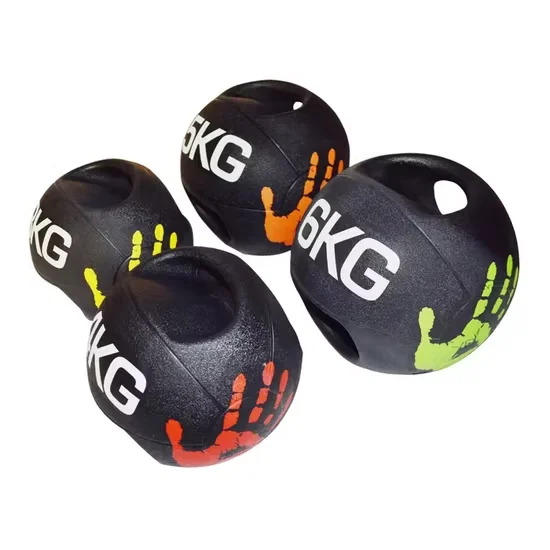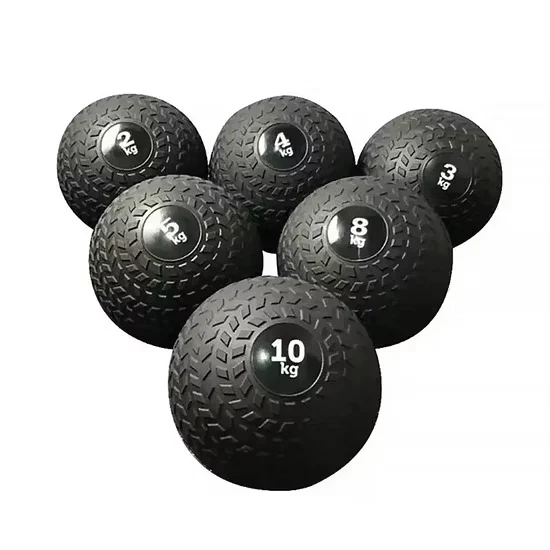
Impact-Resistant Shell — Designed to endure repeated high-force slams in commercial functional training zones without cracking, leaking, or deforming.
Technical Specifications
| Parameter | Value |
|---|---|
| Product Type | Slam Ball |
| Model NO. | SM-3000 |
| Color | Black |
| Logo | Customized Logo Available |
| Specification (Diameter) | 22-38cm |
| MOQ | 500kg |
| Production Capacity | 5000/Years |
| Applications | Commercial gym, Bodybuilding gym, Fitness center, Sports training facility |
| Transport Package | Carton |
Application Suitability
| Deployment Scenario | Typical Use |
|---|---|
| CrossFit and HIIT studio environments | Explosive overhead slams, rotational throws, and partner drills during high-intensity group sessions |
| Commercial gym functional training zones | Full-body power development stations integrated with rigs, turf, and plyometric platforms |
| Professional sports training centers | Athlete-specific conditioning requiring predictable bounce behavior and consistent weight distribution |
| Bodybuilding gym conditioning areas | Metabolic finishers and core stabilization work between traditional resistance training sets |
Why Functional Training Zones Lose Equipment Faster Than Any Other Area of the Gym
Repeated impact exposes material weaknesses that light-commercial specifications simply cannot survive.
Facilities outfitting functional training zones quickly discover that equipment subjected to explosive, high-force movements operates under a different failure model than traditional cardio or selectorized strength machines. A commercial gym slam ball custom logo order that arrives with thin rubber shells or poorly balanced fill material generates immediate complaints from both coaches and members. Sand leaks across expensive rubber flooring, shells crack along seam lines within weeks, and uneven weight distribution makes rotational movements feel unpredictable and unsafe [NEED_CITE: material fatigue testing standards for high-impact fitness accessories].
When the equipment fails prematurely, replacement costs compound while the training zone sits partially unusable.
Where This Equipment Fits in a Complete Functional Training Layout
Slam balls occupy a specific niche in explosive power development, complementing medicine balls designed for partner throws and wall balls calibrated for rebound work. This commercial gym slam ball custom logo option serves athletes performing overhead slams, rotational releases, and loaded carry variations where non-bouncing or controlled-bounce behavior is required. The 22-38cm diameter range accommodates different hand sizes and grip strengths, making the equipment accessible across mixed-ability group training environments. Positioning slam ball stations adjacent to turf lanes or plyometric platforms creates natural flow between explosive movement patterns.
Daily Use Intensity and Surface Protection Requirements
Functional training zones operating six to twelve hours daily subject slam balls to hundreds of impacts per unit, demanding fill material and shell construction rated for continuous high-frequency abuse [NEED_CITE: commercial fitness equipment duty cycle classifications]. Facilities deploying slam balls on hardwood, tile, or inadequately protected concrete surfaces face secondary damage costs beyond equipment replacement. Proper flooring assessment—typically dense rubber tiles or specialized impact-absorbing turf—must precede equipment procurement to prevent subfloor cracking and noise transmission to adjacent spaces. Ventilation considerations matter less here than in cardio zones, but ceiling height clearance and overhead obstacle mapping remain essential safety checkpoints before opening a slam ball station to members.
Material Composition and Fill Behavior Under Load
Sand-filled slam balls deliver consistent weight distribution and predictable bounce characteristics that distinguish them from air-filled or gel-filled alternatives. The sand fill shifts minimally during explosive movements, preventing the off-balance sensation that compromises rotational throws and overhead slams. Rubber shell thickness and vulcanization quality determine whether the ball withstands repeated concrete impacts or develops stress fractures along mold seams. Diameter specifications between 22-38cm allow facilities to stock graduated sizes matching different training intensities and user anthropometrics. Custom logo application methods must preserve shell integrity—heat-transfer or molded-in branding maintains structural continuity where adhesive decals peel and create weak points.
The Hidden Cost of Underspecifying High-Impact Accessories
Facilities sourcing slam balls from general sporting goods suppliers rather than commercial-grade manufacturers encounter predictable failure sequences. Thin shells rupture within the first training cycle, leaking sand across flooring and creating slip hazards. Poorly centered fill chambers cause erratic bounce patterns that compromise movement quality during coached sessions. Light-commercial inventory planning that assumes slam ball replacement intervals matching foam rollers or resistance bands generates chronic underordering and training zone downtime [NEED_CITE: commercial gym equipment replacement frequency benchmarks]. The cumulative cost of repeated small-batch reorders exceeds the initial investment in properly specified commercial inventory.
Why Facilities Standardize Across a Single Equipment Family
Sourcing slam balls, medicine balls, wall balls, and plyometric platforms from coordinated product families simplifies inventory management and ensures consistent quality thresholds across functional training zones. This commercial gym slam ball custom logo program supports bulk ordering with flexible MOQ structures that align with facility expansion timelines rather than forcing premature capital deployment. Custom branding maintains visual cohesion across equipment types, reinforcing facility identity without compromising structural specifications. Documentation packages including material test reports and impact durability records provide procurement teams with verification data required for institutional purchasing approvals. Facilities receive deployment guidance covering safe clearance distances, flooring compatibility, and storage solutions that extend equipment service life.
Documentation & Test Records
- Material composition and shell thickness specifications
- Impact durability test records for repeated high-force slamming
- Fill material weight distribution and balance verification
- Custom logo placement options and application methods
- Commercial duty cycle classification documentation
Installation, Commissioning & Maintenance
- Verify ceiling height clearance and overhead obstacle mapping before station deployment
- Install dense rubber flooring or impact-absorbing turf beneath slam ball training areas
- Inspect shell seams and fill balance upon delivery before releasing to member use
- Rotate inventory across training zones to distribute wear evenly across units
- Clean shells with non-abrasive disinfectants to preserve rubber compound integrity
Equipment Selection and Deployment Planning
Provide functional training zone square footage and equipment density requirements to receive layout recommendations covering safe clearance distances and traffic flow patterns. Specify daily member throughput and coached session frequency to determine appropriate inventory quantities and diameter distribution. Confirm flooring type and subfloor composition to verify impact protection adequacy before equipment arrives. Detail custom logo specifications including placement location, color requirements, and application method preferences to ensure branding integration preserves shell structural integrity.
Frequently Asked Questions
Q: What diameter options are available and how do I choose the right sizes for my facility?
A: The 22-38cm range covers most training applications, with smaller diameters suited to rotational work and explosive releases where grip security matters, while larger diameters serve overhead slams and loaded carries. Mixed-ability group training environments typically stock multiple sizes to accommodate different hand strengths and movement patterns across member populations.
Q: How does sand-filled construction compare to other fill materials for commercial use?
A: Sand delivers consistent weight distribution and predictable bounce behavior that air-filled or gel-filled alternatives cannot match under repeated high-force impacts. The fill shifts minimally during explosive movements, preventing the off-balance sensation that compromises movement quality during coached sessions and partner drills in functional training environments.
Q: Can custom logos be applied without affecting the ball’s structural integrity?
A: Heat-transfer and molded-in branding methods preserve shell continuity where adhesive decals would create weak points and peel under repeated impact. Facilities maintain visual cohesion across equipment families while ensuring logo application does not compromise rubber compound thickness or create stress concentration points along seam lines.
Q: What floor protection is recommended for slam ball training areas?
A: Dense rubber tiles or specialized impact-absorbing turf prevent subfloor damage and reduce noise transmission to adjacent spaces. Facilities must assess flooring compatibility before deployment, as concrete, hardwood, and tile surfaces require different protection strategies to prevent cracking and contain sand leakage if shell failure occurs during intensive training sessions.
Q: How does this product integrate into a complete functional training zone layout?
A: Slam ball stations position adjacent to turf lanes, plyometric platforms, and rig systems to create natural flow between explosive movement patterns. Proper layout planning accounts for ceiling height clearance, overhead obstacles, and safe distances between users performing overhead slams to prevent equipment interference during high-intensity group sessions.