
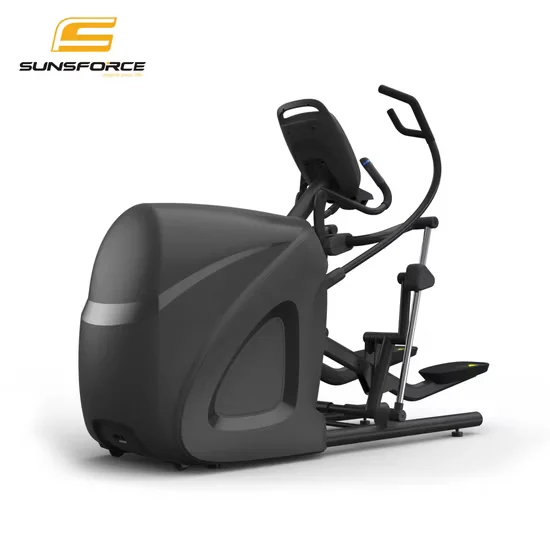
Whisper-Quiet Magnetic Resistance — The CTC60-T elliptical trainer delivers sub-35dB operation through non-contact magnetic resistance, verified across multi-story hotel deployments where mechanical noise triggers guest complaints.
Technical Specifications
| Parameter | Value |
|---|---|
| Designation | CTC60-T |
| Product Type | Elliptical Trainer / Cross Trainer |
| Resistance Type | Magnetic |
| Resistance Levels | 25 (1-25) |
| Stride Grade | 1-10 |
| Step Depth Grade | 1-15 |
| Pedal Center Distance | 230mm |
| Console Type | 10.1" Touch Screen |
| Max User Weight | 180kg |
| Net Weight | 240kg |
| Product Dimensions | 2120×790×1680mm |
| Foldable | Unfolded |
| Certification | ISO, RoHS, CE, EN 957 |
| Customization | Available (OEM/ODM) |
Application Suitability
| Deployment Scenario | Typical Use |
|---|---|
| Hotel fitness center on guest room floors | 24-hour cardio access with sub-35dB magnetic resistance preventing noise complaints from occupied rooms below |
| Chain gym cardio zone | High-frequency cross-training stations handling continuous member rotation throughout peak hours |
| Corporate wellness room | Low-impact cardiovascular equipment accommodating diverse employee fitness levels during shift breaks |
| High-end residential home gym | Full-body elliptical training with IoT console integration for personal workout tracking |
| Sports performance training center | Adjustable stride and step depth configurations for athlete-specific conditioning protocols |
Why Noise Complaints Reach the Front Desk Before Maintenance Does
Magnetic resistance eliminates the mechanical friction that generates audible noise in friction-based elliptical systems.
When a hotel fitness center sits directly above occupied guest rooms, every mechanical click and whir travels through the floor slab. Friction-braked resistance systems produce audible scraping that intensifies as the brake pad wears unevenly, and the complaints arrive long before the maintenance ticket does. The CTC60-T commercial elliptical trainer magnetic resistance touch screen console system uses permanent magnets positioned near the flywheel with zero physical contact, so the resistance adjustment generates no friction noise at any level. [NEED_CITE: acoustic transmission through concrete floor slabs in hospitality construction]
The 240kg net weight and reinforced steel frame suppress vibration-induced resonance that lighter machines transmit into the floor structure. This matters when the cardio zone shares a ceiling with a conference room or guest corridor.
Where This Cross Trainer Fits in the Cardio Zone Layout
This elliptical trainer covers low-impact, full-body cardiovascular training across moderate to high intensity intervals. In a mixed cardio zone, it complements treadmills by offering a zero-impact alternative for members managing joint stress or recovering from lower-body training sessions. The 230mm pedal center distance accommodates a broad range of user stances, and the adjustable stride and step depth settings allow the same unit to serve users of varying heights without requiring a separate machine variant. The 10.1-inch touchscreen console captures session duration, resistance level, stride count, and heart rate data, feeding operational analytics back to the facility management layer. Deploy this unit in the mid-traffic zone of the cardio floor where sightlines encourage spontaneous use, with at least 500mm lateral clearance for safe mounting.
Continuous Operation and Deployment Environment Requirements
Facilities running 18-hour or 24-hour access schedules demand equipment that sustains repeated loading without thermal degradation. The magnetic resistance system on this commercial elliptical trainer magnetic resistance touch screen console unit avoids the heat buildup inherent in friction brakes during extended sessions. [NEED_CITE: continuous duty cycle standards for commercial cardio deployment] Floor-mounted deployment requires a level surface with anti-vibration pads beneath each leveling foot to decouple structural resonance from the building slab. The touchscreen console requires a stable power supply matching the destination market voltage standard — confirm plug type and voltage before shipment. For facilities integrating usage data into member management platforms, the console supports IoT connectivity, and the data interface documentation should be reviewed by the facility IT team during the commissioning phase.
Reading the Magnetic Resistance and Drive Specifications
Magnetic resistance operates by varying the proximity of permanent magnets to a rotating metal flywheel. Unlike friction systems where a brake pad presses against the flywheel surface, magnetic braking involves no contact — meaning no pad wear, no dust accumulation, and no degradation of resistance consistency over time. The 25 resistance levels on the CTC60-T provide a graduated load curve from rehabilitation-grade to high-intensity interval work. The 10.1-inch touchscreen console translates resistance adjustments into digital commands rather than mechanical cable tension, so the setting remains precise regardless of how many users cycle through the machine daily. The 180kg maximum user weight reflects the structural rating of the reinforced steel frame and sealed bearing assemblies, which are tested for 10,000 hours of continuous high-frequency operation. The 230mm pedal center distance falls within the range that biomechanical studies associate with natural gait width, reducing lateral hip stress during extended sessions.
The Hidden Cost of Specifying Below Commercial Grade
Purchasing light-commercial or heavy-duty residential elliptical machines for a public-facing facility creates a cascade of downstream costs. Motors rated for two hours of daily use burn out within months when subjected to sixteen-hour gym schedules, and the replacement cycle disrupts member experience. Friction-based resistance systems that seem adequate during the showroom test generate noise levels that escalate with wear, eventually triggering complaints in noise-sensitive environments like hotels and residential towers. Consoles lacking data connectivity create operational blind spots — managers cannot identify which units are overused, underused, or due for preventive service. Voltage mismatches discovered after delivery force entire shipments into costly rework. [NEED_CITE: premature motor failure rates in commercial cardio equipment]
Why This Product Line Addresses Those Gaps
The sub-35dB operation of this elliptical trainer has been verified in hotel floor deployments where acoustic sensitivity is non-negotiable. Every unit undergoes 10,000-hour durability testing on motors, frames, and bearings before leaving the Shandong manufacturing facility. The IoT-enabled touchscreen console syncs training data to facility management systems, eliminating the usage blind spots that plague disconnected equipment. The full six-series cardio range — treadmills, bikes, ellipticals, rowers, stair climbers, and spin bikes — lets a facility source every discipline from one production line with matched aesthetics and console interfaces. OEM customization extends to the console UI, so branded member portals and facility-specific workflows are built in before shipment. The free 3D cardio-zone layout service covers this unit’s footprint, sightline positioning, and airflow requirements so the equipment arrives into a space already planned for its dimensions.
Documentation & Test Records
- CE declaration of conformity for CTC60-T elliptical trainer
- EN 957 test report covering safety and performance requirements
- ISO 9001 quality management system certificate
- Noise level test report verifying sub-35dB magnetic resistance operation
- 10,000-hour durability test record for motor and bearing assemblies
- Console technical documentation with IoT data interface specifications
Installation, Commissioning & Maintenance
- Position with minimum 500mm lateral clearance around the 2120×790mm footprint for safe user mounting
- Install anti-vibration pads beneath leveling feet to isolate the 240kg frame from floor-borne resonance
- Confirm destination voltage and plug standard before connecting to a dedicated circuit
- Calibrate magnetic resistance levels and verify touchscreen console IoT connectivity during first power-on
- Inspect sealed bearing assemblies and pedal arm fasteners at intervals defined by daily usage volume
- Wipe console screen and frame with non-corrosive cleaner to prevent sweat-induced corrosion
Equipment Selection and Layout Inquiry
Provide your cardio zone square footage and target unit count to receive a 3D layout incorporating the CTC60-T footprint and airflow clearance requirements. Specify daily operating hours so the duty-cycle rating matches your facility schedule. Identify the deployment floor and adjacent occupied spaces to confirm acoustic compliance. State your destination market voltage and plug standard to prevent post-delivery rework. Indicate whether console data must integrate with an existing facility management platform.
Frequently Asked Questions
Q: How does magnetic resistance differ from friction-based systems in noise and maintenance?
A: Magnetic resistance uses permanent magnets positioned near the flywheel without physical contact, eliminating the scraping sound and pad wear that friction systems produce. This results in consistently quiet operation throughout the machine’s service life. Maintenance requirements drop significantly because there is no brake pad to replace and no friction dust to clean from internal components.
Q: Can the touchscreen console sync with our existing member management system?
A: The 10.1-inch touchscreen console supports IoT connectivity and can transmit usage data including session duration, resistance level, and heart rate readings. Compatibility with your specific facility management platform depends on the API protocol. Request the console technical documentation and data interface specifications during the inquiry stage so your IT team can evaluate integration requirements before ordering.
Q: What distinguishes a commercial elliptical trainer from a residential model structurally?
A: Commercial units like the CTC60-T feature reinforced steel frames rated for 180kg user weight, sealed bearings tested for 10,000 continuous hours, and motors designed for extended daily duty cycles. Residential machines use lighter frames and motors rated for shorter run times, leading to premature failure when deployed in high-traffic gym or hotel environments with back-to-back users.
Q: Why does the 230mm pedal center distance matter for users of different heights?
A: The pedal center distance determines how closely the foot path mirrors natural walking gait. A 230mm spacing accommodates a wide range of hip widths and leg alignments, reducing lateral stress on the knees and hips. Combined with adjustable stride grade and step depth, this allows the same machine to serve users from shorter to taller statures comfortably.
Q: What maintenance intervals apply to this elliptical trainer in high-frequency use?
A: In continuous commercial deployment, inspect pedal arm fasteners, sealed bearing assemblies, and frame joints at regular intervals based on daily usage volume. The magnetic resistance system requires no pad replacement or adjustment. Console firmware updates and IoT connection checks should follow the facility’s IT maintenance schedule. Refer to the commissioning guide for the complete inspection checklist.
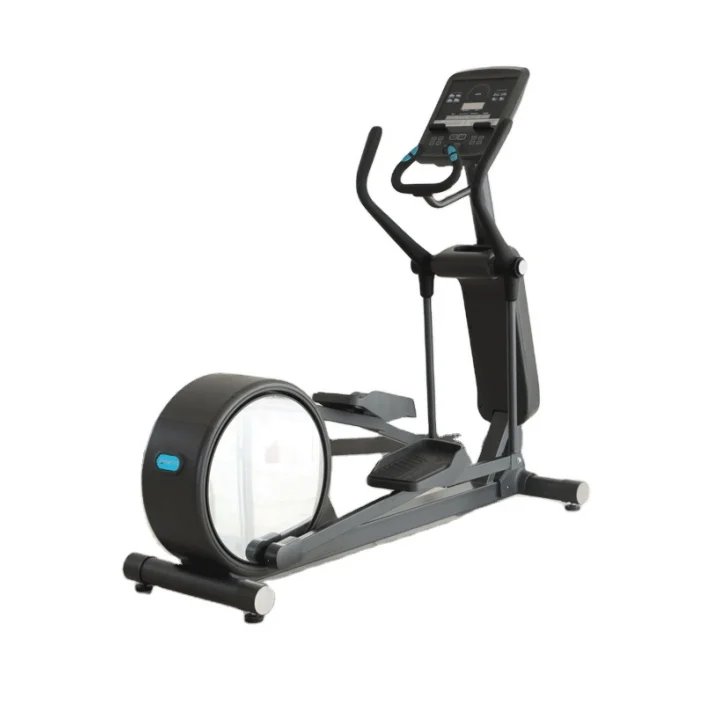
![Commercial Elliptical Machine 10.1 Inch Touch Screen Cross Trainer [WARN] draft identifier mismatch](https://bicksport.com/wp-content/uploads/2026/08/commercial-elliptical-machine-10-1-inch-touch-screen-cross-trainer-warn-draft-identifier-mismatch-f37a20.webp)
![Commercial Cross Trainer Elliptical Trainer Exercise Gym Equipment CTC60-T [WARN] draft identifier mismatch](https://bicksport.com/wp-content/uploads/2026/08/commercial-cross-trainer-elliptical-trainer-exercise-gym-equipment-ctc60-t-warn-draft-identifier-mismatch-db8f96.webp)