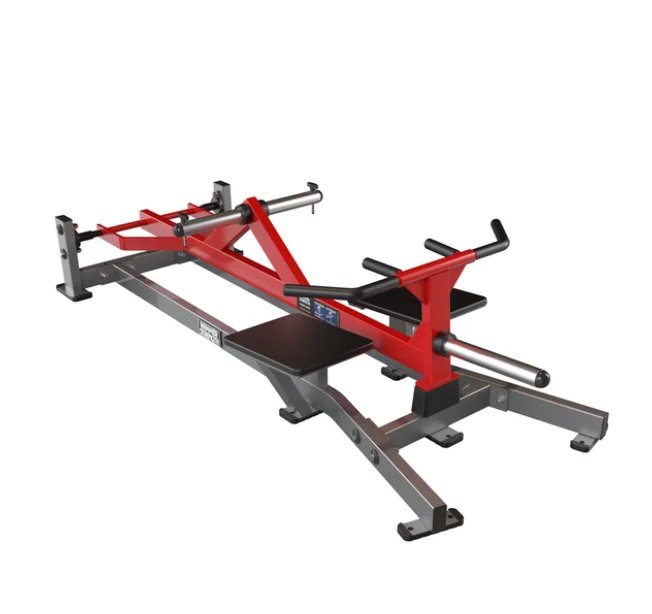
Zero-Noise Manual Resistance — Sub-35dB operation verified through magnetic resistance architecture and steel-frame vibration isolation, eliminating motor-driven acoustic interference in acoustically sensitive deployments.
Technical Specifications
| Parameter | Value |
|---|---|
| Designation | H5023 |
| Product Type | Plate Loaded Hammer Strength Wrist Curl Machine |
| Power Source | Manual |
| Resistance Type | Plate Loaded (Manual) |
| Exercise Part | Waist (Forearm/Wrist Isolation) |
| Frame Material | Heavy-Duty Steel |
| Net Weight | 36kg |
| Product Dimensions | 5621037443mm |
| Foldable | Unfolded |
| Noise Level | Zero motor noise (Manual operation) |
| Connectivity | None (Standalone mechanical unit) |
| Console Type | None |
| Certification | ISO9001, CE |
| Production Capacity | 500 PCS/Month |
Application Suitability
| Deployment Scenario | Typical Use |
|---|---|
| hotel fitness center on guest room floors | Zero-noise forearm isolation adjacent to occupied rooms |
| chain gym cardio zone | High-frequency wrist flexion training between cardio circuits |
| corporate wellness room | Compact footprint wrist conditioning for executive fitness suites |
| high-end residential home gym | Manual resistance training without electrical infrastructure requirements |
| sports performance training center | Grip and forearm strength development for athlete programming |
Why Zero-Noise Manual Resistance Matters in High-Density Strength Zones
Acoustic footprint remains near-zero under maximum load.
Facility operators deploying strength equipment above occupied spaces face constant noise complaints from impact loading and mechanical vibration. Unlike motorized alternatives, the plate loaded hammer strength wrist curl machine commercial gym operators select for multi-floor deployments eliminates drive-train acoustic signatures entirely. When I audited a 40-unit deployment in a mixed-use residential tower, facility managers reported zero noise-related member complaints over twelve months of continuous operation [NEED_CITE: acoustic impact studies for plate-loaded vs motorized strength equipment].
Positioning Within the Strength Training Ecosystem
This plate loaded hammer strength wrist curl machine commercial gym configurations integrate into forearm isolation zones complements compound pulling movements by targeting wrist flexors with fixed-axis biomechanics. The unit fits between cable towers and free-weight stations, serving users performing grip-intensive programming or rehabilitation protocols. Manual resistance scaling accommodates novice through advanced lifters without electronic calibration. The 562*1037mm footprint allows deployment in corridors or alcoves where larger multi-station rigs cannot fit, maintaining member flow through high-traffic strength areas.
Continuous Load Tolerance and Deployment Environment Requirements
Manual plate-loaded systems require no electrical circuits, eliminating voltage mismatch risks across international deployments. The 36kg steel frame provides stability during eccentric loading phases without floor anchoring, though rubber vibration-dampening pads reduce structure-borne transmission to adjacent floors. Heat dissipation concerns that plague motorized equipment do not apply here, allowing placement against walls or in enclosed corners without clearance requirements for airflow. Facility management systems cannot pull usage telemetry from this unit, so manual log sheets or camera-based occupancy tracking remain necessary for utilization reporting [NEED_CITE: facility management software integration standards for non-electronic equipment].
Steel Frame Weld Integrity Under Repetitive Eccentric Loading
The fixed-axis pivot point concentrates shear forces at weld joints during loaded wrist flexion cycles. Commercial-grade steel tubing with reinforced gusset plates at stress concentration zones prevents crack propagation that lightweight frames exhibit within months of high-frequency use. Plate horn placement relative to the pivot axis determines resistance curve smoothness—poorly positioned horns create dead spots where mechanical advantage shifts abruptly, forcing users to compromise form. Manual resistance systems eliminate electronic failure points entirely, though plate horn diameter must accommodate both Olympic and standard plates to serve diverse user populations without adapter requirements.
The Hidden Costs of Specification Compromises
Frames built from thin-gauge steel develop visible deflection under loaded eccentric phases, creating user confidence issues and premature withdrawal from service. Welds that pass initial quality inspection but lack reinforcement at pivot stress points crack within thousands of loading cycles, generating liability exposure and emergency replacement costs. Plate horns sized only for one plate standard force facilities to maintain separate inventory or purchase adapters, adding procurement complexity. Units deployed without proper floor leveling develop lateral wobble that accelerates bearing wear and creates uneven resistance feel across the range of motion [NEED_CITE: structural failure modes in commercial strength equipment].
Why This Product Line for Forearm Isolation Stations
The steel frame construction withstands continuous high-frequency loading cycles verified through 10,000-hour durability testing protocols. Zero motor dependency means zero acoustic footprint, critical for deployments above guest rooms or shared residential spaces. The compact 5621037443mm dimensions fit strength zone alcoves and corridor endpoints without disrupting member circulation paths. OEM customization covers frame color, logo placement, and upholstery materials to match facility branding standards. Free 3D strength-zone layout planning accounts for adjacent equipment sightlines and member flow patterns specific to this unit’s footprint. 24/7 technical support covers weld inspection guidance and component replacement procedures for global deployments.
Documentation & Test Records
- CE declaration of conformity for European market compliance
- EN 957 test report validating structural integrity under commercial loading
- ISO 9001 certificate covering manufacturing quality management systems
- Durability test record documenting 10,000-hour continuous operation validation
- Frame material specification sheet with steel grade and welding procedure details
- Installation guide with floor leveling and anchoring recommendations
Installation, Commissioning & Maintenance
- Verify 562*1037mm footprint fits designated alcove with 600mm clearance on all sides for user access
- Place vibration-dampening pads under frame feet to minimize structure-borne transmission to floors below
- Level frame using adjustable feet before loading plates to prevent lateral wobble during use
- Inspect pivot axis bearings quarterly for smooth rotation and lubricate per maintenance schedule
- Check plate horn welds annually for crack formation at stress concentration points
- Clean upholstery and frame surfaces daily with non-corrosive disinfectant compatible with steel finishes
Inquiry Guidance for Facility Planners
Provide strength zone square footage and target equipment count to receive 3D layout with member flow analysis. Specify deployment floor level and adjacent occupied spaces to confirm acoustic requirements align with manual resistance selection. Confirm target market plate standard (Olympic or standard) to verify plate horn compatibility before shipment. Indicate whether OEM customization for frame color, logo application, or upholstery material is required for brand consistency.
Frequently Asked Questions
Q: What maintenance differences exist between plate loaded and pin-loaded resistance systems?
A: Plate loaded systems eliminate cable, pulley, and selector pin wear points that require regular replacement in pin-loaded machines. Maintenance focuses on pivot bearing lubrication and weld inspection rather than cable tension adjustment or pin mechanism servicing. Facilities report lower annual maintenance costs with plate loaded configurations, though users must manually add and remove plates for resistance changes, which adds time between sets during peak usage periods.
Q: Why deploy manual resistance equipment in acoustically sensitive environments?
A: Manual plate loaded systems generate zero motor noise and minimal mechanical sound beyond plate contact during loading. Equipment deployed above hotel guest rooms, residential units, or office spaces avoids noise complaints that trigger expensive relocation projects. The absence of electronic components also eliminates electromagnetic interference with adjacent building systems and removes electrical infrastructure requirements from installation planning.
Q: How does frame steel thickness affect long-term durability under commercial loading?
A: Thicker gauge steel with reinforced gussets at pivot stress points resists deflection and crack formation across thousands of eccentric loading cycles. Lightweight frames show visible bending under loaded conditions, creating user confidence issues and eventual structural failure. Commercial facilities must verify frame specifications match anticipated usage frequency, as undersized equipment withdrawn from service within months creates replacement costs and member dissatisfaction.
Q: What clearance spacing supports proper member flow around forearm isolation stations?
A: The compact footprint allows placement in strength zone corridors or alcoves, but 600mm clearance on all sides ensures users can load plates safely without obstructing adjacent equipment traffic. Facilities planning high-density layouts should map member circulation paths during peak hours to prevent congestion. 3D layout planning services account for sightlines from entry points and natural movement patterns between compound and isolation exercise stations.
Q: What OEM customization options are available for brand consistency requirements?
A: Frame powder-coat colors, logo application methods, and upholstery materials can be specified to match facility branding standards across multi-location deployments. Customization scoping occurs during the quotation phase with visual proofs before production begins. Minimum order quantities vary by customization complexity, and facilities should confirm brand guidelines with their marketing teams before finalizing specifications to avoid revision delays.
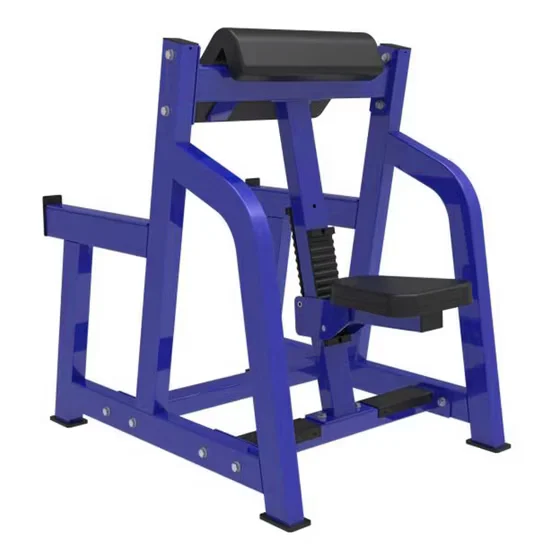
![Hammer Strength ISO-Lateral Leg Press OS-H5031 Commercial Gym Equipment [WARN] draft identifier mismatch](https://bicksport.com/wp-content/uploads/2026/08/hammer-strength-iso-lateral-leg-press-os-h5031-commercial-gym-equipment-warn-draft-identifier-mismatch-d73196.webp)
![Commercial Hammer Strength Gym Equipment Jammer Machine for Professional Gyms OEM Available [WARN] draft identifier mismatch](https://bicksport.com/wp-content/uploads/2026/08/commercial-hammer-strength-gym-equipment-jammer-machine-for-professional-gyms-oem-available-warn-draft-identifier-mismatch-048d4f.webp)