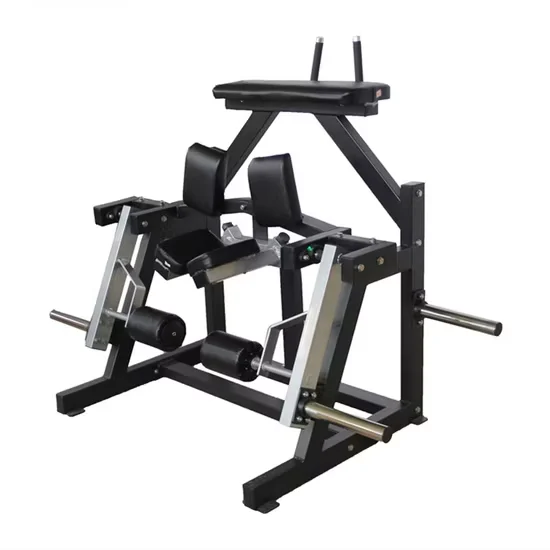
Structural Rigor for High-Frequency Training Zones — full steel frame engineered for continuous heavy-load compound movements in 24/7 professional gym deployments.
Technical Specifications
| Parameter | Value |
|---|---|
| Product Type | Multi-Function Weight Bench / Integrated Gym Trainer |
| Model NO. | HY-C003A |
| Frame Material | Steel |
| Product Dimensions | 1460 × 1050 × 1330 mm |
| Net Weight | 25 kg |
| Foldable | No (Unfolded fixed configuration) |
| Power Source | Manual |
| Adjustable Positions | Multiple (backrest and seat angle adjustment) |
| Target Muscle Groups | Chest, Leg, Arm, Abdominal |
| User Profile | Adult, Unisex |
| Customization | Available (frame color, cushion color, OEM/ODM) |
| Certification | ISO 9001, CE |
Application Suitability
| Deployment Scenario | Typical Use |
|---|---|
| Professional gym and club free-weight zone | Flat, incline and decline pressing, dumbbell and barbell compound lifts |
| Corporate wellness room | Multi-user circuit training targeting chest, leg, arm and abdominal groups |
| Community fitness center | Supervised group strength sessions with shared bench rotation |
| High-end residential home gym | Dedicated pressing and isolation station for daily personal training |
| Sports performance training center | Athlete-periodized pressing and accessory work at varied bench angles |
Why Frame Deflection Under Load Drives Member Attrition Faster Than Any Other Strength Equipment Failure
A weight bench that sways during a heavy set destroys trust instantly and permanently.
I have watched chain gyms replace entire rows of benches within a single season because the frames flexed noticeably under loaded bars. Members do not file complaints — they simply stop booking that station and tell their training partners to avoid it. The multifunction weight bench press commercial gym equipment segment is filled with products that look solid on a showroom floor but reveal their structural compromises the first time someone loads three plates per side. Commercial venues need benches that maintain zero lateral play through thousands of loaded cycles, not units that pass a static load test once and then degrade [NEED_CITE: structural fatigue testing standards for commercial weight benches].
Where This Bench Sits in a Commercial Free-Weight Layout
This unit covers flat, incline and decline pressing along with seated and supine isolation work, filling the primary adjustable-bench role in any free-weight zone. It pairs directly with squat racks, cable crossovers and dumbbell racks to complete a full pressing and accessory training circuit. The multifunction weight bench press commercial gym equipment is dimensioned for high-density placement where multiple benches share a single platform area. Its fixed unfolded configuration prioritizes structural rigidity over storage convenience, making it suited for dedicated strength floors rather than multipurpose rooms that require daily equipment breakdown.
Continuous Load Cycles and Deployment Environment Demands
A commercial bench endures repeated load-unload cycles throughout operating hours with no motor or electronics to fail — the stress falls entirely on welded joints, pivot pins and cushion fasteners. Facilities running sixteen-hour days should expect this unit to see dozens of position changes and hundreds of loaded sets daily. Floor-level deployment requires attention to surface flatness; even minor unevenness introduces rocking that accelerates frame joint wear over months of use. Adequate spacing between adjacent benches and nearby racks is essential to allow full barbell travel and spotter movement without collision risk [NEED_CITE: free-weight zone spacing requirements for commercial gym layouts].
Steel Gauge, Weld Integrity and Adjustment Mechanism Durability
The all-steel frame determines how the bench behaves under eccentric and concentric loading across every pressing angle. Heavier gauge tubing resists the lateral torsion that occurs during unilateral dumbbell work, where off-center forces test the weld seams at every joint intersection. The multi-position adjustment mechanism — the pins, latches and detent plates that lock the backrest and seat — must cycle through thousands of engagements without developing slop. A worn detent plate allows the backrest to shift mid-set, which is a safety incident waiting to happen. Cushion density and surface abrasion resistance dictate whether the upholstery holds its shape after months of sweat exposure, chalk contact and repeated body-weight compression.
What Spec Compromise Costs in a Strength Zone
Benches built with thinner-gauge tubing save weight and shipping cost but flex under loads that commercial members routinely handle. That flex transfers cyclic stress to the welds, which eventually develop hairline fractures invisible to routine inspection. Position-adjustment hardware made from stamped mild steel rather than hardened alloy develops play within months of high-frequency use, forcing maintenance crews to pull benches from the floor for pin and latch replacement. Undersized cushion foam compresses permanently, creating hard spots that generate member complaints about discomfort during extended sets. Every one of these failures pulls equipment out of service and generates replacement costs that exceed the original savings [NEED_CITE: commercial strength equipment lifecycle cost comparison].
Why This Product Line Holds Up in Daily Commercial Rotation
Every unit in this cardio and strength range undergoes continuous-cycle durability verification before leaving the production floor. The ISO 9001 manufacturing process ensures frame welding and surface treatment follow controlled procedures rather than operator habit. OEM and ODM customization covers frame color, cushion upholstery and branding — allowing a facility to maintain visual consistency across an entire equipment order. The 3D layout and airflow planning service extends to strength zones, accounting for this bench’s footprint, spotter clearance and member traffic flow. Technical support is available around the clock to address adjustment mechanism questions, fastener torque specifications or cushion replacement logistics.
Documentation & Test Records
- CE declaration of conformity covering structural and safety requirements
- EN 957 test report for stationary training equipment strength classification
- ISO 9001 certificate for manufacturing quality management system
- Frame load and fatigue test record with cycle count documentation
- Cushion density and surface abrasion test data
- Adjustment mechanism engagement cycle test report
Installation, Commissioning & Maintenance
- Verify floor flatness across the 1460 × 1050 mm footprint before positioning to prevent frame rocking
- Maintain minimum clearance on all sides for full barbell travel and spotter access
- Inspect adjustment pins and detent plates monthly for wear and replace at first sign of play
- Wipe cushion surfaces daily with approved cleaner to prevent sweat-driven foam degradation
- Torque-check all frame fasteners quarterly against manufacturer specification sheet
- Re-tighten cushion mounting bolts as part of scheduled preventive maintenance cycle
Equipment Selection and Inquiry Guidance
Provide your free-weight zone square footage and equipment count to receive a 3D layout that positions this bench within proper spotter-clearance and traffic-flow parameters. Specify your expected daily member throughput so the frame gauge and cushion density can be matched to your usage intensity. Indicate your target market so that documentation, labeling and packaging meet local regulatory requirements. Confirm whether frame color, cushion upholstery and branding customization are needed to align with your facility’s visual standards.
Frequently Asked Questions
Q: What separates a commercial weight bench from a home-use model in structural terms?
A: Commercial benches use heavier-gauge steel tubing, reinforced weld seams at every joint intersection, and hardened detent mechanisms rated for thousands of position-change cycles. Home-use benches optimize for light weight and foldability, which compromises the rigidity needed when multiple users load heavy barbells throughout long operating days in a gym environment.
Q: How does the multi-position adjustment mechanism affect training coverage?
A: The adjustable backrest and seat angles allow flat, incline and decline pressing along with seated shoulder and isolation work. A wider adjustment range covers more movement patterns on a single bench, reducing the total number of dedicated stations a facility needs. Precise detent positions ensure the backrest locks securely at each angle without shifting under load.
Q: What is the relationship between steel frame gauge and load-bearing capacity?
A: Thicker-gauge tubing resists bending and torsional flex under heavy off-center loads, which is critical during unilateral dumbbell pressing. Adequate gauge combined with proper weld penetration prevents the frame from developing permanent deformation or fatigue cracking over months of continuous commercial use.
Q: What dimensions does OEM and ODM customization cover for this bench?
A: Customization includes main frame color, cushion upholstery color and material, logo placement, and packaging specifications. Minimum order quantities and sampling timelines vary by scope. This allows facility operators to match the bench visually to existing equipment lines or brand identity standards.
Q: What spacing and layout factors matter when placing adjustable benches in a free-weight zone?
A: Each bench requires lateral clearance for full barbell travel and spotter positioning on both sides. Overhead clearance must accommodate seated shoulder pressing with fully extended arms. Traffic lanes between bench rows should allow members to move through the zone without crossing active lifting areas or disrupting ongoing sets.
![Hammer Strength Plate Loaded Leg Press Machine for Commercial Gym Equipment[WARN] draft identifier mismatch](https://bicksport.com/wp-content/uploads/2026/08/hammer-strength-plate-loaded-leg-press-machine-for-commercial-gym-equipmentwarn-draft-identifier-mismatch-7084b0.webp)