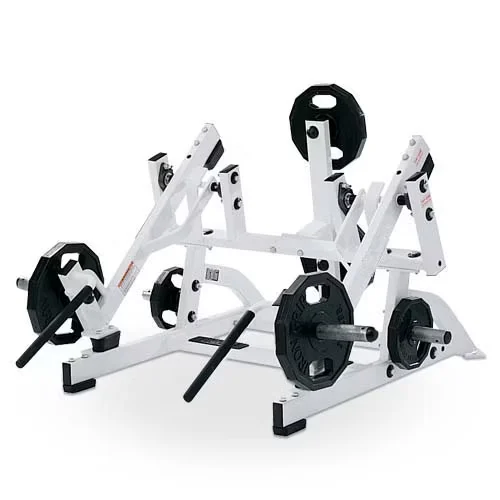
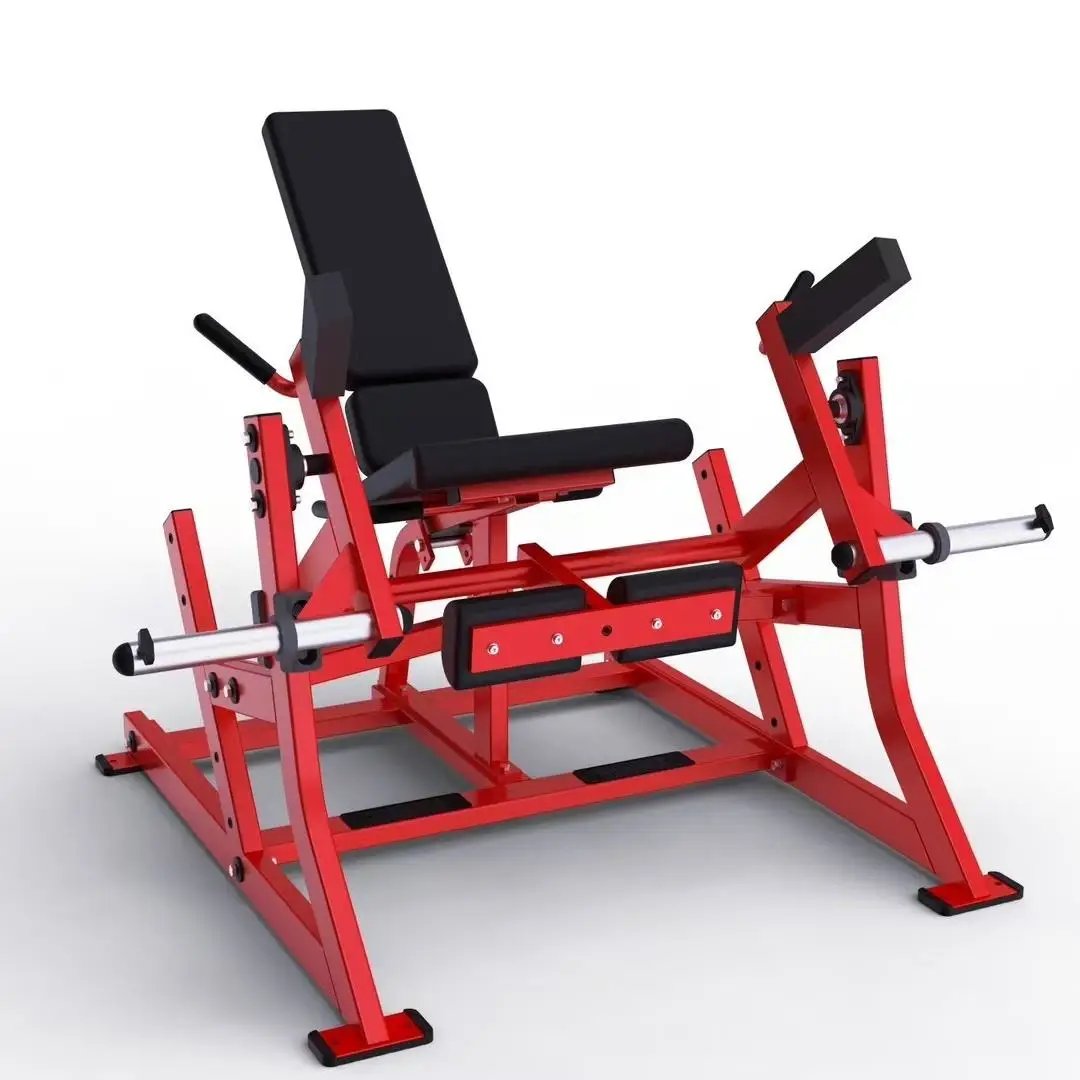
![2019 Hammer Strength ISO-Lateral Wide Chest 19 Commercial Gym Equipment [WARN] draft identifier mismatch](https://bicksport.com/wp-content/uploads/2026/08/2019-hammer-strength-iso-lateral-wide-chest-19-commercial-gym-equipment-warn-draft-identifier-mismatch-c85a21.webp)
Heavy-Duty Steel Rigidity — The ISO-Lateral Wide Chest frame is engineered for continuous high-frequency plate-loaded use, minimizing pivot play and structural flex across extended commercial deployment cycles.
Technical Specifications
| Parameter | Value |
|---|---|
| Designation | 2019 Hammer Strength ISO-Lateral Wide Chest 19 |
| Product Type | Integrated Gym Trainer (Strength Equipment) |
| Model NO. | OS — H5019 |
| Product Name | ISO-Lateral Wide Chest |
| Exercise Part | Chest (Independent Arm Mechanism) |
| Power Source | Manual (Plate-Loaded) |
| Main Frame Material | Steel |
| Main Frame Color | According to Customer Requirements (Customizable) |
| Cushion Color | According to Customer Requirements (Customizable) |
| Product Dimensions | 1343 1981 1761 mm |
| Net Weight | 141 kg |
| Appliance / Fit Area | Professional Gym and Club, Community, Gymnasium |
| Age Group / Gender | Adult / Unisex |
| OEM/ODM | Acceptable (Customization Available) |
| Certification | ISO 9001, CE |
| HS Code | 950691190 |
Application Suitability
| Deployment Scenario | Typical Use |
|---|---|
| Professional Gym and Club | High-frequency chest hypertrophy training in dedicated plate-loaded strength zones. |
| International Gym Chain Networks | Standardized independent-arm pressing movement across multiple facility locations. |
| Corporate Wellness Room | Durable, low-maintenance upper body conditioning for employee fitness programs. |
| Community Fitness Center | Heavy-duty public access equipment built to withstand unguided, high-volume usage. |
| Sports Performance Training Center | Balanced bilateral loading for athletic upper-body power development. |
Why Plate-Loaded Pivots Dictate the Equipment Lifecycle in Commercial Strength Zones
Sealed pivot points and reinforced steel joints prevent the mechanical degradation that forces early replacement cycles.
Light-commercial strength frames often develop pivot play and joint flex within months of continuous public facility use. When the bearings and bushings degrade, the machine begins to rattle under heavy plate loads, generating noise complaints from adjacent workout areas and creating uneven resistance paths. This structural drift compromises the ISO-Lateral mechanism, forcing operators to pull equipment off the floor for costly downtime [NEED_CITE: structural fatigue cycles in commercial plate-loaded equipment]. The ISO-Lateral Wide Chest commercial strength equipment addresses these failure points through reinforced welding at high-stress nodes and sealed pivot assemblies designed to maintain smooth independent arm articulation over extended duty cycles.
The Role of Independent Arm Pressing in High-Traffic Strength Layouts
The 2019 Hammer Strength ISO-Lateral Wide Chest 19 targets the pectoral musculature through a diverging pressing path, allowing each arm to move independently. In a commercial strength zone, this unit complements converging chest presses and flat/incline bench stations by providing a fixed-path alternative to free weights. It accommodates users across a wide anthropometric range, with the ISO-Lateral design naturally compensating for bilateral strength imbalances. Operators typically deploy this commercial strength equipment in dedicated plate-loaded aisles where floor loading can support the 141kg frame plus user and plate mass.
Load-Bearing Footprints and Structural Floor Requirements
Deploying a 141kg steel frame loaded with heavy plate mass requires a reinforced concrete subfloor capable of absorbing repeated impact and static point loads. The 1343 1981 1761 mm footprint demands adequate clearance on all sides for safe plate loading and user ingress/egress. Facility planners must account for the acoustic transmission of plates clanking against the frame and the structural resonance generated during heavy eccentric phases [NEED_CITE: acoustic impact mitigation for plate-loaded strength zones]. Proper leveling feet and rubber isolation pads are critical to prevent the frame from migrating or transmitting low-frequency vibrations through the floor slab to occupied spaces below.
Engineering the Pivot and Frame for Continuous Commercial Loading
The core of this unit’s durability lies in its steel frame construction and the precision of its pivot and bearing design. The ISO-Lateral independent arm mechanism relies on heavy-duty pivot shafts and sealed bushings to ensure that the diverging press path remains smooth, even when subjected to asymmetric loading by users with unilateral strength discrepancies. The structural rigidity of the mainframe prevents the torsional flex that plagues lighter-gauge commercial equipment under maximal loads. Furthermore, the high-density cushion and upholstery materials are selected for tear resistance and hygiene durability, withstanding the abrasive wear and sweat exposure inherent in high-traffic professional gym environments [NEED_CITE: upholstery material degradation rates in commercial fitness facilities].
The Hidden Costs of Specifying Undersized Strength Frames
Procuring light-commercial strength frames for public facilities inevitably leads to premature structural failure. Undersized pivot shafts develop play, causing the pressing movement to become jerky and noisy, which degrades the member experience and accelerates bearing wear. Frames lacking sufficient steel gauge thickness can flex torsionally under heavy loads, leading to weld fractures at high-stress junctions. This mechanical degradation forces operators into expensive replacement cycles and generates safety liabilities. Additionally, low-grade upholstery degrades rapidly, requiring frequent pad replacements and creating an unsightly training environment that drives member attrition [NEED_CITE: lifecycle cost analysis of commercial vs light-commercial strength frames].
Aligning Equipment Selection with Facility Uptime Requirements
Choosing the 2019 Hammer Strength ISO-Lateral Wide Chest 19 ensures that the structural and mechanical components are validated for the rigors of 24/7 commercial operation. The 10,000-hour durability testing protocols applied to pivot assemblies and frame welds minimize the risk of unexpected downtime. The full OEM/ODM capability, encompassing frame color, cushion color, and branding, allows facility operators to seamlessly integrate the equipment into their existing aesthetic or private-label programs. Supported by comprehensive structural test records and 24/7 technical support, this platform provides the mechanical consistency required by international gym chains and professional club environments.
Documentation & Test Records
- CE declaration of conformity for commercial strength equipment deployment.
- EN 957 test report validating structural integrity and safety under continuous load.
- ISO 9001 certificate ensuring quality management in manufacturing processes.
- Frame structural test records confirming steel gauge and weld integrity.
- Pivot and bearing durability testing records for high-frequency cycle validation.
- OEM/ODM customization scope and lead time documentation.
Installation, Commissioning & Maintenance
- Verify floor leveling and install rubber isolation pads beneath the 1343 * 1981 mm footprint.
- Ensure adequate clearance around the 141kg frame for safe plate loading and user access.
- Inspect pivot points and sealed bearings during initial commissioning for smooth independent arm articulation.
- Establish a routine maintenance schedule to check frame bolts and pivot tension under commercial loads.
- Clean high-density cushions daily with non-abrasive solutions to maintain hygiene and upholstery longevity.
- Review OEM customization documentation for specific touch-up procedures on custom frame colors.
Facility Integration and Technical Scoping
To integrate the ISO-Lateral Wide Chest commercial strength equipment into your facility, provide your strength zone floor plan to receive a customized equipment spacing and member flow analysis. Specify the anticipated daily usage volume and user demographic to confirm the appropriateness of the 141kg heavy-duty frame and pivot specifications. Detail any aesthetic requirements, including custom frame and cushion colors, to align with your facility branding. Confirm the need for private-label branding or specific OEM/ODM modifications to match existing procurement standards.
Frequently Asked Questions
Q: What are the maintenance differences between ISO-Lateral plate-loaded machines and selectorized equipment?
A: Plate-loaded machines like the ISO-Lateral Wide Chest rely on manual weight plates and have fewer moving parts compared to selectorized weight stacks. Maintenance primarily focuses on inspecting pivot points, bearings, and bushings for wear, and ensuring frame bolts remain tight. Selectorized machines require additional maintenance for cables, pulleys, and guide rods, making plate-loaded units generally more durable and lower-maintenance in high-traffic commercial environments.
Q: How does steel gauge and weld quality affect long-term durability in commercial settings?
A: In commercial settings, equipment is subjected to continuous, heavy loading cycles. Thicker steel gauges and reinforced, high-quality welds prevent torsional flex and structural fatigue, which are the primary causes of frame failure. A rigid frame ensures the pressing path remains consistent and safe over years of use, protecting the operator’s investment and minimizing the risk of costly structural repairs or early replacement cycles.
Q: What is the recommended service interval for pivot points and bearings on heavy-use strength equipment?
A: For high-frequency commercial environments, pivot points and sealed bearings should be inspected visually and mechanically tested for play every three to six months. If any grinding, catching, or excessive lateral play is detected, the bushings or bearings should be replaced immediately. Regular cleaning of the pivot area to remove dust and chalk buildup also extends the service life of these critical moving components.
Q: How often should cushions and upholstery be replaced in high-traffic professional gym facilities?
A: Cushion lifespan depends on usage volume and cleaning protocols, but in high-traffic commercial facilities, upholstery typically requires replacement every two to four years. High-density, tear-resistant materials extend this interval. Operators should inspect pads regularly for vinyl cracking, seam separation, and foam compression, replacing them promptly to maintain member comfort, hygiene standards, and the professional aesthetic of the training environment.
Q: What elements can be customized through OEM/ODM programs, and what are the typical requirements?
A: OEM/ODM programs for commercial strength equipment typically allow customization of the main frame color, cushion and upholstery color, and the addition of facility logos or private-label branding. Some manufacturers also offer dimensional modifications or custom grip specifications. Minimum Order Quantities (MOQs) and lead times vary based on the extent of customization and the manufacturing facility’s production schedule.
![Commercial Gym Equipment Hammer Strength Smith Machine 5045 for Professional Gyms [WARN] draft identifier mismatch](https://bicksport.com/wp-content/uploads/2026/08/commercial-gym-equipment-hammer-strength-smith-machine-5045-for-professional-gyms-warn-draft-identifier-mismatch-db4eae.webp)