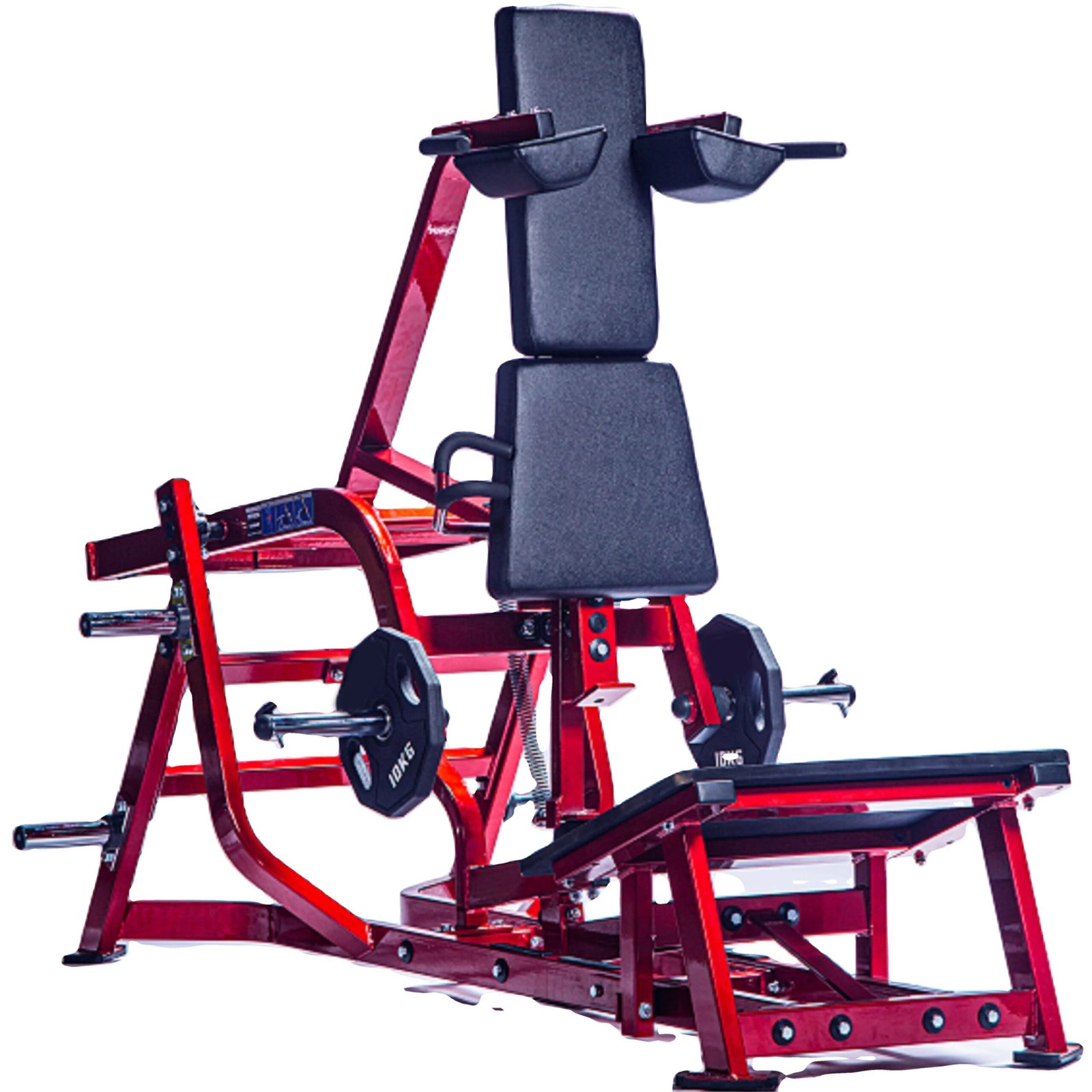
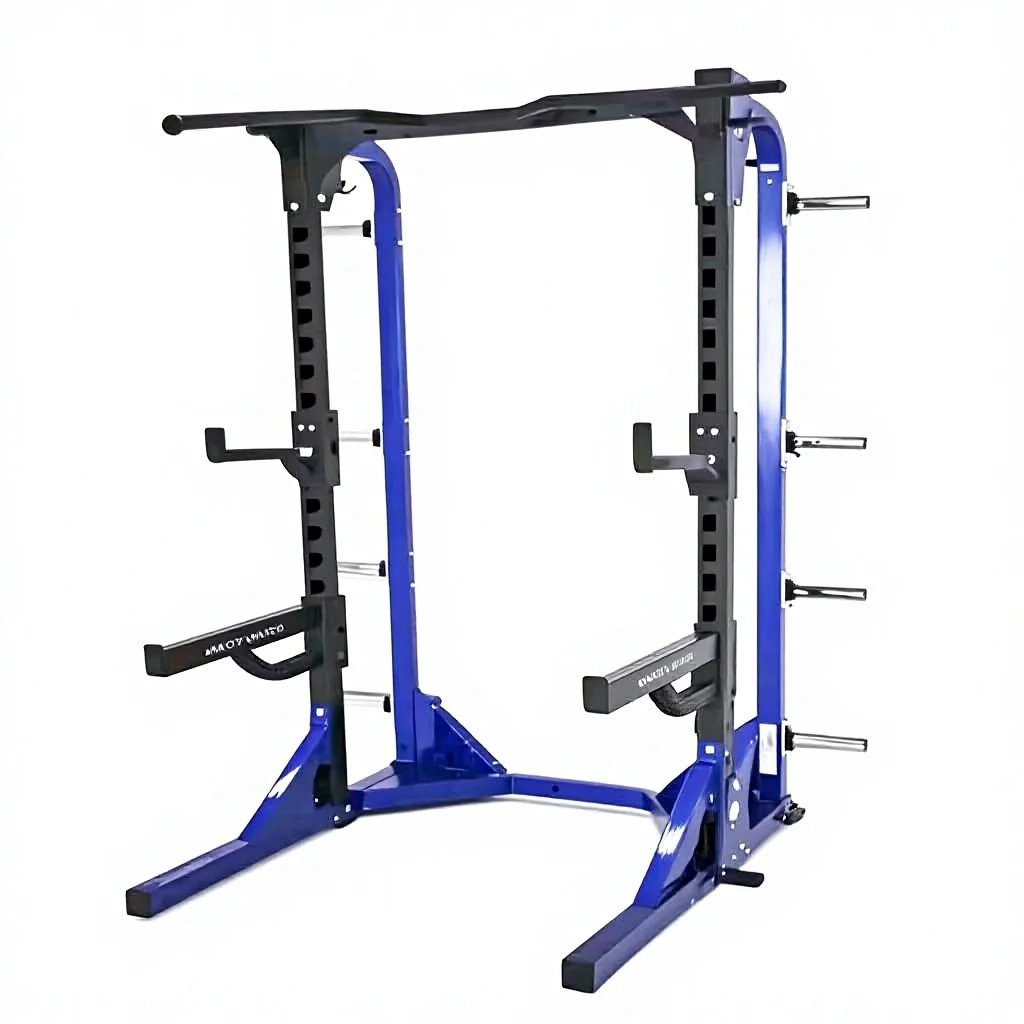
Heavy-Duty Frame Stability — 85kg net weight with 50×100×3mm iron tube eliminates structural resonance during high-load lateral raises.
Technical Specifications
| Parameter | Value |
|---|---|
| Designation | SRH-10 |
| Product Type | Lateral Raise Machine |
| Tube Size | 50×100×3mm |
| Machine Weight | 85kg |
| Product Dimensions | 2048×1002×943mm |
| Material | Iron |
| Exercise Part | Arm |
| Power Source | Manual |
| Folded | Unfolded |
| Color Options | Customized |
| Customization | Available |
| Production Capacity | 200 Pieces/Month |
| Certification | RoHS, ISO 9001, CE |
Application Suitability
| Deployment Scenario | Typical Use |
|---|---|
| Chain gym strength training zone | High-frequency deltoid isolation for general membership |
| Corporate wellness room | Compact footprint lateral raise for executive fitness areas |
| Community fitness center | Durable plate-loaded equipment for shared public use |
| Sports performance training center | Controlled shoulder isolation for athletic upper-body programming |
Why Plate-Loaded Lateral Raise Machines Outlast Motorized Alternatives in Commercial Gyms
Zero electrical components mean zero motor burnout risk under continuous member rotation.
Walk through any commercial gym after peak hours and you will hear the telltale grinding from cable machines and motorized isolation units that have logged thousands of cycles. The failure pattern is predictable: bearings wear, motors overheat, and control boards short out from sweat infiltration. A manual resistance commercial lateral raise machine strength training unit sidesteps every one of these failure modes because there is simply nothing electrical to fail. [NEED_CITE: failure rate comparison between plate-loaded and motorized strength equipment in commercial settings]
I spent years on the assembly floor watching motorized shoulder machines come back with burned-out actuators within eighteen months of deployment. The facilities that switched to plate-loaded designs stopped logging those warranty calls entirely.
Positioning Within the Strength Training Zone
This lateral raise machine targets the medial deltoid through a fixed-arc movement path, covering shoulder isolation work that free weights alone cannot sustain across high-volume gym traffic. In a commercial strength zone, it complements overhead press stations and cable crossover units by providing a dedicated movement pattern that reduces setup time between users. The 85kg footprint occupies a compact floor position, typically placed against perimeter walls or between rack stations where ceiling height accommodates the 2048mm profile. The manual plate-loaded system accommodates users across a broad strength spectrum, from rehabilitation clients loading minimal weight to advanced lifters progressing incrementally. Operators deploying this commercial lateral raise machine strength training unit typically position it in the isolation cluster alongside pec deck and rear delt equipment, creating a logical flow for members following upper-body split routines.
Deployment Environment and Continuous Operation Requirements
A plate-loaded lateral raise machine imposes different facility demands than motorized cardio or cable equipment. The 2048×1002×943mm footprint requires clearance on three sides for plate loading and user entry, typically 600mm minimum on the loading side. Floor leveling matters more here than with lighter machines; an uneven surface transfers lateral wobble into the frame during heavy sets. [NEED_CITE: floor flatness tolerance requirements for plate-loaded commercial strength equipment] Since the SRH-10 draws no electrical power, there is no dedicated circuit requirement and no voltage compatibility concern across international deployments — a detail that eliminates an entire category of post-delivery complications. The iron frame and manual drive produce negligible operational noise, meaning this unit can deploy directly adjacent to group exercise studios or hotel guest corridors without acoustic conflict. Sweat and humidity remain the primary environmental threats; positioning away from direct HVAC discharge prevents accelerated corrosion on the iron surfaces and fastener points.
Plate-Loaded Drive and Frame Engineering Explained
The 50×100×3mm rectangular iron tube forms the structural backbone of this commercial lateral raise machine strength training unit. That 3mm wall thickness resists torsional flex when users load asymmetrically or push through sticking points — a failure mode that shows up as cracked welds on machines built with thinner gauge tubing. The manual drive system means resistance comes entirely from loaded plates, producing a linear force curve that matches the natural strength curve of the lateral raise movement without the pulley friction and cable stretch found in selectorized designs. Iron construction provides inherent mass dampening; the 85kg total weight absorbs vibration rather than transmitting it into the floor structure. The unfolded configuration sacrifices foldability for permanent rigidity, which is the correct trade-off for any facility where equipment moves only during initial installation. RoHS compliance ensures the powder coat and metal treatments meet environmental standards required by European and North American venue operators.
The Hidden Cost of Underspecified Strength Equipment
Gym operators who purchase isolation machines based on price alone encounter a recurring cost pattern. Thin-gauge frames develop hairline cracks at weld junctions within the first year of heavy use, leading to equipment downtime and liability exposure. Machines with undersized bearings produce grinding noises that members interpret as equipment neglect, driving complaints to management before maintenance even notices. [NEED_CITE: member attrition correlation with perceived equipment maintenance quality] Facilities that deployed lightweight lateral raise units in high-traffic zones report replacing them entirely within two to three seasons, erasing any initial procurement savings. The compounding cost includes removal labor, floor repair, member dissatisfaction, and repeat purchasing — expenses that never appear on the original invoice.
Why This Product Line Addresses Deployment Gaps
Every cardio and strength unit from this lineup is tested for 10,000 hours of continuous operation before leaving the Shandong facility, and the SRH-10 benefits from the same durability protocols applied to motorized equipment. The 50×100×3mm frame specification is verified through static and dynamic load testing, not simply declared on a spec sheet. OEM customization extends to frame color and branding, allowing multi-site operators to maintain visual identity across locations without sourcing from separate suppliers. The six-series product family means a facility can spec an entire cardio zone and strength complement from one manufacturing partner, simplifying warranty management and spare parts logistics. Free 3D layout planning accounts for the SRH-10 placement relative to adjacent equipment, ensuring the 2048×1002mm footprint integrates with member traffic flow and sightline requirements. Technical support responds around the clock, which matters when a commercial gym discovers an assembly question at 5 AM before the morning rush.
Documentation & Test Records
- CE declaration of conformity covering structural and mechanical safety requirements
- EN 957 test report validating strength equipment load and stability standards
- ISO 9001 certificate confirming manufacturing quality management system compliance
- RoHS compliance documentation for material and coating environmental standards
- Durability test record documenting frame fatigue cycles under rated load
- Installation and commissioning guide with assembly torque specifications and spare parts list
Installation, Commissioning & Maintenance
- Allow minimum 600mm clearance on the weight-loading side of the 2048×1002×943mm frame for safe plate handling
- Level the iron base on flat flooring using adjustable feet to eliminate lateral frame wobble during sets
- No electrical circuit or dedicated power line required since the manual plate-loaded system draws zero current
- Inspect all fastener torque points after the first 500 use cycles and retighten to specification
- Apply corrosion-resistant coating to exposed iron surfaces annually in high-humidity gym environments
- Wipe down frame contact points daily to prevent sweat-induced oxidation on the iron structure
Specifying for Your Facility Requirements
Provide the available floor area and adjacent equipment list to receive a 3D layout that positions this commercial lateral raise machine strength training unit within your strength zone flow. Specify the expected daily user volume so deployment density and equipment spacing align with peak-hour traffic. Confirm the deployment floor and neighboring spaces to verify that the manual plate-loaded operation meets any acoustic requirements. State the target market for color and branding customization lead time alignment.
Frequently Asked Questions
Q: How does plate-loaded resistance compare to selectorized weight stacks for lateral raise machines?
A: Plate-loaded designs like the SRH-10 offer incremental resistance adjustment without the cable friction and pulley maintenance that selectorized stacks require. Users load standard plates directly onto the weight horn, which simplifies the mechanical path and reduces long-term service needs. The trade-off is that users must handle plates manually, which some high-turnover facilities address by stationing staff during peak hours.
Q: What role does the 3mm tube wall thickness play in frame longevity?
A: The 50×100×3mm iron tube resists torsional deformation under uneven loading, which is the primary cause of weld fatigue in commercial strength equipment. Thinner walls flex microscopically with each repetition, accumulating stress at junction points until cracks propagate. The 3mm specification provides a structural margin that extends service life under continuous high-frequency gym use without adding excessive machine weight.
Q: How should this lateral raise machine be positioned relative to cardio zones?
A: The manual plate-loaded SRH-10 produces negligible operational noise, so it can deploy adjacent to cardio areas without acoustic interference. Positioning it near the transition between strength and cardio zones allows members to incorporate shoulder isolation into circuit routines. The 2048×1002mm footprint fits comfortably along perimeter walls where ceiling height accommodates the 943mm machine profile.
Q: What is the minimum order for OEM color and branding customization?
A: OEM customization for frame color and logo application is available with flexible minimum order quantities that accommodate both single-site deployments and multi-location rollouts. Color matching to existing gym branding or corporate identity standards is confirmed through sample approval before full production runs begin. Lead time for customized units typically aligns with the standard 200 pieces per month production capacity.
Q: What maintenance schedule does the manual drive system require?
A: The plate-loaded manual drive eliminates motor servicing, belt tensioning, and electronic diagnostics from the maintenance calendar. Primary upkeep focuses on fastener torque checks, weight horn lubrication, and frame surface protection against sweat corrosion. Bearing inspection at scheduled intervals ensures smooth pivot operation, though the mechanical simplicity means most maintenance tasks can be completed by on-site facility staff without specialized tools.