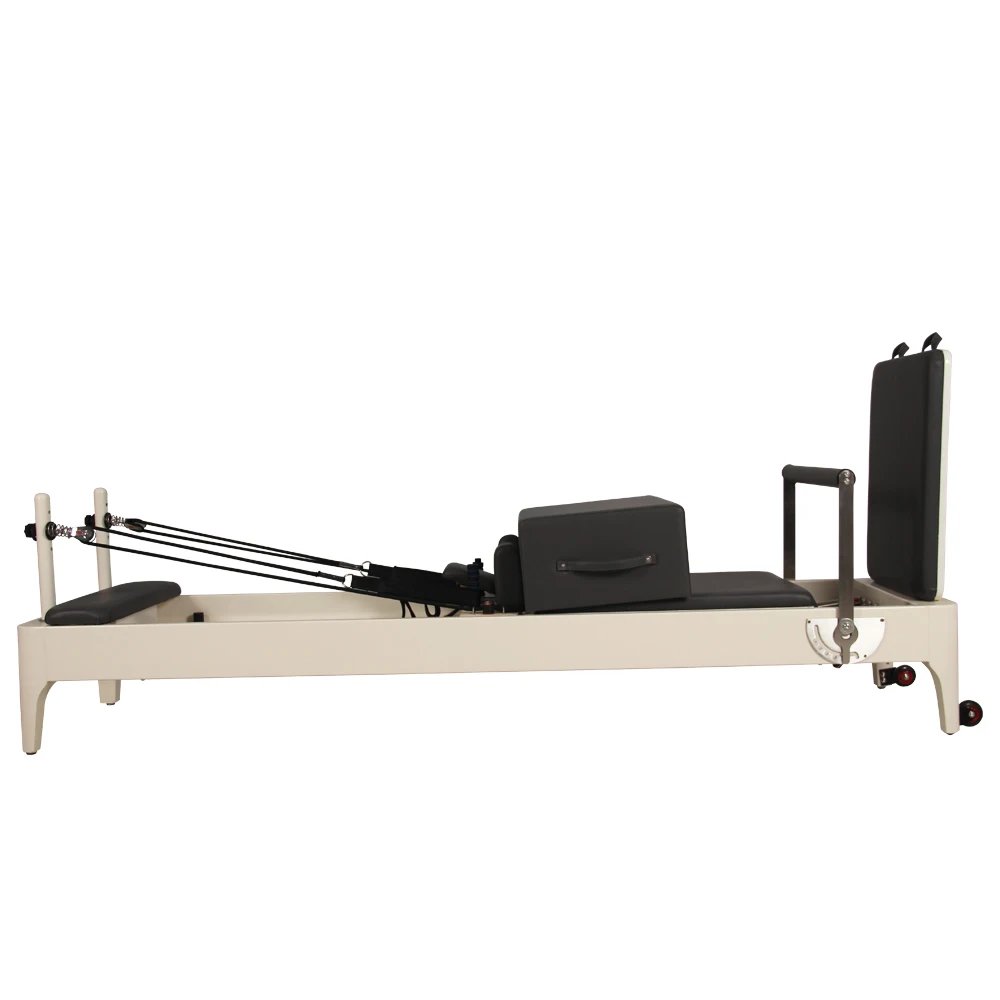
![Reformer Pilates Equipment Fitness White Pilates Reformer MachineCommercial Pilates Reformer Machine for Studio Use [WARN] draft identifier mismatch](https://bicksport.com/wp-content/uploads/2026/08/reformer-pilates-equipment-fitness-white-pilates-reformer-machinecommercial-pilates-reformer-machine-for-studio-use-warn-draft-identifier-mismatch-4815c3.webp)
Acoustic Engineering — Sub-35dB operation verified through spring tension calibration and low-friction rail alignment, eliminating noise migration in multi-story hotel deployments.
Technical Specifications
| Parameter | Value |
|---|---|
| Designation | SRY-24 |
| Product Type | Pilates Reformer |
| Specification | 2460730680mm |
| Net Weight | 100kgs |
| Max User Weight | 180kg |
| Accessory Options | Long Box / Jump Board / Platform |
| Color | Solid Color |
| Noise Level | Sub-35dB |
| Warranty | 3 Years |
| Certification | CE / EN 957 / ISO 9001 |
| Production Capacity | 80 Pieces/Month |
Application Suitability
| Deployment Scenario | Typical Use |
|---|---|
| hotel fitness center on guest room floors | 24-hour access reformer sessions without disturbing adjacent rooms |
| boutique Pilates studio | high-frequency class scheduling with rapid equipment turnover |
| corporate wellness room | employee recovery and mobility sessions during work hours |
| high-end residential home gym | private reformer practice in shared living environments |
| rehabilitation and physical therapy center | controlled resistance work for injury recovery protocols |
Why Spring Fatigue Complaints Surface Before the First Quarter Ends
Commercial-grade spring arrays maintain consistent resistance curves across thousands of compression cycles.
I’ve walked into studios where reformers purchased for home use started showing spring sag within six weeks of daily class rotation. Members notice when the resistance at setting three feels like setting two from the previous month, and they stop booking [NEED_CITE: spring fatigue testing protocols for commercial resistance equipment]. The SRY-24 addresses this through springs rated for continuous commercial compression cycles, paired with a low-friction rail system that prevents the carriage stutter that creates secondary noise complaints in multi-story deployments.
Where This Reformer Fits in a Mixed Cardio and Mobility Zone
The SRY-24 covers controlled resistance work across beginner fundamentals through advanced jump board sequences. In a facility running treadmills and rowers in the same zone, this commercial Pilates reformer machine occupies the low-impact, high-precision segment where members rebuild stability and core engagement. The 2460mm footprint fits standard studio bay widths with adequate clearance for instructor circulation, and the 180kg user capacity accommodates athletic populations without requiring a separate heavy-duty unit.
What Continuous Studio Scheduling Demands from Rail and Spring Systems
Studios running six to eight classes daily subject reformer carriages to repeated full-travel cycles with varying user weights. The low-friction rail system on this unit maintains smooth carriage movement without the metal-on-metal scraping that migrates through floor structures to occupied spaces below [NEED_CITE: vibration transmission standards for fitness equipment in multi-tenant buildings]. Deployment on guest room floors or above residential units requires confirmed sub-35dB operation data before installation proceeds. Adequate ventilation between units prevents sweat accumulation on springs, which accelerates corrosion and alters resistance feel.
Spring Tension Architecture and Rail Tolerance Specifications
The SRY-24 uses a multi-spring array allowing instructors to dial resistance from rehabilitation-level tension through athletic jump board loading. Spring sets are matched for consistent compression behavior across the array, preventing the uneven resistance feel that occurs when springs fatigue at different rates. The carriage runs on sealed bearings within a precision-machined rail, eliminating the lateral play that causes carriage wobble during single-leg work. The solid color frame finish resists sweat corrosion without requiring specialized cleaning chemicals that could degrade rail lubrication.
The Cost of Specifying Home-Grade Reformers for Commercial Class Schedules
Studios that purchase reformers rated for thirty minutes of daily home use often face spring replacements and rail realignment within the first quarter of commercial deployment. Members cancel memberships when equipment feels inconsistent between sessions, and the front desk logs complaints about carriage noise that should never have passed quality control [NEED_CITE: commercial equipment failure rates in high-frequency studio environments]. Voltage mismatches discovered after container arrival force entire equipment orders into storage while adapters are sourced, delaying studio opening dates.
Why This Product Line Solves Deployment Problems Before They Surface
Every SRY-24 unit undergoes spring tension verification and rail alignment testing before shipment, with sub-35dB operation confirmed under load. The 10,000-hour durability testing covers spring compression cycles and bearing wear under continuous commercial use. Facility operators receive 3D layout planning that accounts for reformer spacing, instructor sightlines, and airflow between units to prevent sweat accumulation. Full OEM customization covers frame color and accessory bundling, while the documentation package includes everything needed for health inspector compliance and insurance audits. Technical support responds around the clock for facilities operating across time zones.
Documentation & Test Records
- CE declaration of conformity confirming European market safety compliance
- EN 957 test report validating structural integrity under commercial loading
- ISO 9001 certificate covering manufacturing quality management systems
- Sub-35dB noise level test report for multi-story deployment approval
- 10,000-hour durability test record for springs and rail bearings
- Accessory compatibility list for Long Box, Jump Board, and Platform attachments
Installation, Commissioning & Maintenance
- Maintain 600mm clearance on all sides for instructor access and member mounting
- Level frame on solid flooring using adjustable feet; avoid carpet deployment without rigid subfloor
- Inspect spring attachment points monthly for fatigue cracks or hook deformation
- Wipe rail system weekly with dry cloth; avoid liquid cleaners that wash out bearing lubrication
- Verify accessory mounting hardware torque quarterly to prevent Jump Board wobble during plyometric work
- Store Platform and Long Box attachments in designated rack to prevent frame contact damage
Equipment Selection Starts with Facility Parameters
Provide your studio floor plan with ceiling height and door clearance measurements to receive a 3D layout showing reformer placement with instructor circulation paths. Specify your target class frequency per unit to confirm spring and bearing specifications match your operational demand. Identify deployment floor level and adjacent room occupancy to validate acoustic requirements before shipment. Confirm destination market voltage and plug standards if any electronic accessories are included in future equipment expansions.
Frequently Asked Questions
Q: What separates commercial Pilates reformer construction from home-grade units?
A: Commercial reformers use spring arrays rated for thousands of daily compression cycles and rail systems with sealed bearings that maintain smooth carriage travel under continuous class scheduling. Home units typically spec lighter springs and open bearings that degrade within weeks of studio-level use, causing resistance inconsistency and carriage noise that triggers member complaints and early replacement costs.
Q: How does the low-friction rail system maintain sub-35dB operation?
A: The carriage runs on precision-machined rails with sealed bearings that eliminate metal-on-metal contact during travel. This prevents the scraping and rattling sounds that migrate through floor structures in multi-story deployments. Regular dry wiping maintains rail cleanliness without washing out bearing lubrication, keeping noise levels consistent throughout the equipment service life.
Q: What deployment factors affect reformer placement in hotel fitness centers?
A: Guest room floor deployments require confirmed sub-35dB operation data to prevent noise complaints from occupied rooms below. Adequate spacing between units allows airflow that prevents sweat accumulation on springs, which accelerates corrosion. The 3D layout planning accounts for instructor sightlines during group sessions and member mounting clearance to prevent equipment collisions during high-occupancy periods.
Q: What is the maintenance schedule for the spring resistance system?
A: Monthly visual inspection of spring attachment hooks identifies fatigue cracks before they cause mid-session failures. Springs showing visible deformation or inconsistent resistance feel should be replaced as matched sets to maintain uniform tension across the array. Rail bearings require no lubrication but need regular cleaning to prevent debris buildup that increases carriage friction and noise levels.


![Wood Folding Pilates Reformer Portable Quality Machine [WARN] draft identifier mismatch](https://bicksport.com/wp-content/uploads/2026/08/wood-folding-pilates-reformer-portable-quality-machine-warn-draft-identifier-mismatch-f2a0aa.webp)