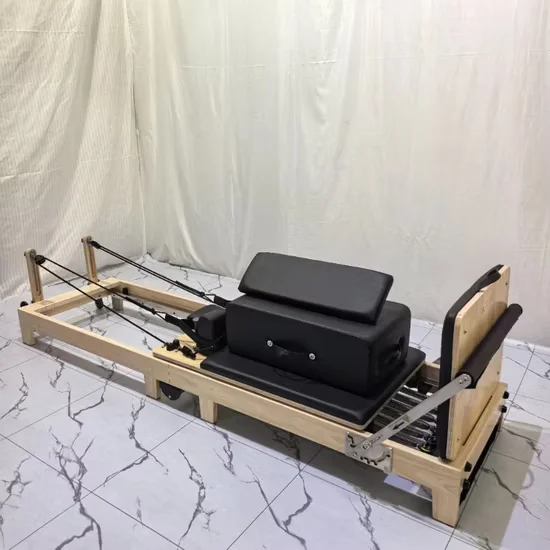
Consistent Resistance Feedback — 35cm diameter and 0.5kg mass deliver predictable rebound across thousands of studio sessions.
Technical Specifications
| Parameter | Value |
|---|---|
| Product Type | Pilates Ring / Fitness Ring |
| Diameter | 35cm |
| Weight | 0.5kgs |
| Construction | One-piece solid molded body |
| Resistance Type | Elastic compression rebound |
| Color | Solid Color |
| Logo | Customized Is Allowed |
| Target User | Adult / Women |
| Certification | Available upon request |
Application Suitability
| Deployment Scenario | Typical Use |
|---|---|
| Boutique Pilates studio group classes | Instructor-led mat reformer hybrid sessions with synchronized ring resistance drills |
| Yoga studio supplementary training | Core activation and inner thigh engagement during balance-focused sequences |
| Hotel fitness center light training area | Self-guided guest sessions and concierge-led morning stretch classes |
| Corporate wellness room | Desk-break mobility circuits and lunchtime group fitness programming |
| Physical therapy and rehabilitation center | Low-load adductor and rotator cuff strengthening under therapist supervision |
Why Studio Owners Replace Rings Before the Quarter Ends
Resistance drift in group classes creates more coaching corrections than any other small prop failure.
When a batch of rings loses rebound stiffness after a few hundred compressions, instructors spend valuable class time adjusting cue timing instead of refining form. Members notice the inconsistency between stations, and the perception of uneven equipment quality reflects on the entire studio experience. We have seen facilities cycle through multiple suppliers before finding a ring that maintains its compression profile through daily multi-session rotation [NEED_CITE: material fatigue standards for repeated compression fitness accessories].
Where This Ring Fits in a Group Fitness Equipment Matrix
The 35cm diameter positions this commercial Pilates ring balance training tool between smaller rehabilitation rings and oversized conditioning rings, matching the grip span required for standard adductor, chest press, and overhead stabilization drills. In a studio equipment hierarchy, it complements resistance bands for progressive overload and pairs with stability balls for compound core work. The 0.5kg weight keeps it portable enough for rapid class setup while providing enough mass for controlled rotational movements. It accommodates the full adult hand-size range and suits deployment in high-turnover group class environments where props are shared, sanitized, and redistributed between sessions.
What Daily Multi-Session Rotation Demands from Material Integrity
A studio running four to six group classes daily compresses each ring hundreds of times per week across varying grip strengths and angles. The one-piece solid molded construction eliminates the midline seam where layered rings typically split under repeated flex cycles. Surface texture must withstand sweat exposure, frequent disinfectant wipes, and stacking friction without developing slick patches or micro-cracks [NEED_CITE: commercial fitness accessory hygiene and material degradation standards]. Storage density matters as well — rings that deform under stacking pressure develop memory warps that alter resistance symmetry during use.
Decoding Diameter, Mass, and Rebound Behavior
The 35cm diameter aligns with the biomechanical range where most adult users can achieve full compression without compromising shoulder or wrist alignment during standard Pilates sequences. At 0.5kg, the ring carries enough inertial mass for controlled eccentric movements while remaining light enough for high-repetition endurance sets. One-piece molding ensures the rebound force distributes evenly across both grip points rather than concentrating stress at a bonded joint. This uniform resistance curve lets instructors cue consistent tempo across all participants, reducing the need to individually correct members whose rings respond differently at the same compression depth.
The Hidden Cost of Inconsistent Batch Resistance
When rings within the same shipment vary in compression stiffness, group class participants experience unequal training loads despite following identical instructor cues. This inconsistency drives member complaints about perceived favoritism in equipment assignment and increases the coaching burden of monitoring individual stations. Facilities that procure from suppliers without batch-level resistance verification often end up rotating out entire shipments within months, absorbing replacement costs and disrupting class continuity [NEED_CITE: quality control tolerance for commercial group fitness props].
Why Studios Standardize on This Ring Series
The 35cm diameter and 0.5kg specification remain consistent across production runs, so replacement orders match existing inventory without recalibration. Custom logo and color options let chain studios maintain visual identity across locations without sourcing from separate suppliers. The solid molded body passes repeated compression cycles that separate multi-piece rings at the seam. For studios planning equipment layout, these rings require no dedicated floor footprint — they stack in standard prop bins and integrate into existing sanitization workflows. Technical support covers material specification queries and bulk order consistency verification around the clock.
Documentation & Test Records
- Material composition and compliance declaration for studio safety standards
- Compression cycle durability test record confirming rebound consistency
- Surface abrasion and chemical resistance report for disinfectant compatibility
- Color fastness and logo adhesion verification for customized branding orders
- Batch-level resistance uniformity inspection report
Installation, Commissioning & Maintenance
- Inspect each ring upon delivery for molding defects and verify consistent rebound across the batch
- Establish sanitization protocol using approved disinfectants that do not degrade the solid molded surface
- Store rings flat or vertically slotted to prevent stacking deformation and maintain shape integrity
- Rotate ring assignments between classes to distribute wear evenly across the entire inventory
- Schedule quarterly resistance consistency audits and retire rings showing asymmetric compression response
Equipment Specification Guidance for Your Next Order
Share your class schedule volume and current prop rotation count so we can match order quantity to your replacement cycle. Specify deployment environment — studio, hotel, or clinical — to confirm surface finish and disinfectant compatibility requirements. Indicate whether custom logo and color matching is needed for brand consistency across multiple locations.
Frequently Asked Questions
Q: How does ring diameter affect exercise selection in group classes?
A: The 35cm diameter suits standard adductor squeezes, chest presses, and overhead holds for most adult users. Smaller diameters limit grip positioning options for broader-shouldered participants, while larger rings can feel unwieldy during rapid-transition sequences. Instructors should trial the diameter with their class format before committing to a full studio order.
Q: How do you assess ring lifespan under high-frequency studio use?
A: Track compression rebound consistency over time rather than counting usage cycles alone. Rings that develop asymmetric resistance or visible surface degradation should be retired immediately. Quarterly batch audits comparing new stock against in-use rings help identify drift before members notice the difference during class sessions.
Q: What are the customization options and lead times for branded rings?
A: Logo placement and solid color customization are available at bulk order quantities. Color matching uses standard reference codes to maintain consistency across repeat orders. Confirm your brand color specification and logo artwork format early in the inquiry process to align production scheduling with your studio opening or rebranding timeline.
Q: How do Pilates rings complement resistance bands and weighted props?
A: Rings provide directional compression resistance that bands and weights cannot replicate, targeting adductor and rotator cuff activation through squeezing mechanics. Instructors layer rings with bands for compound movements that combine compression and elongation. This combination expands exercise variety without requiring additional large equipment in the studio space.
Q: What cleaning protocols preserve ring surface integrity over time?
A: Use disinfectant solutions compatible with molded fitness equipment surfaces and avoid solvent-based cleaners that degrade the material finish. Wipe rings after each class session and allow full air drying before stacking. Proper ventilation in storage areas prevents moisture trapping that accelerates surface deterioration between uses.
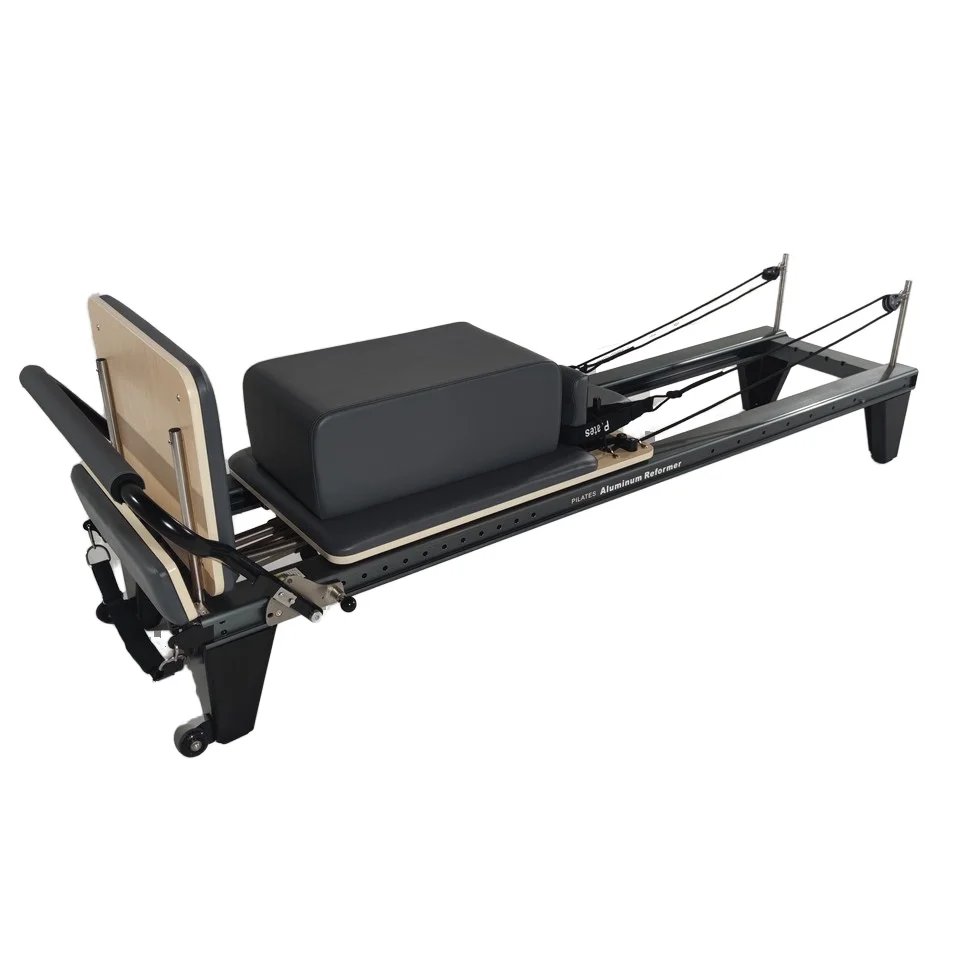
![Senrui Fitness Aluminium Alloy Half Tower Pilates Reformer Bed [WARN] draft identifier mismatch](https://bicksport.com/wp-content/uploads/2026/08/senrui-fitness-aluminium-alloy-half-tower-pilates-reformer-bed-warn-draft-identifier-mismatch-ea79df.webp)