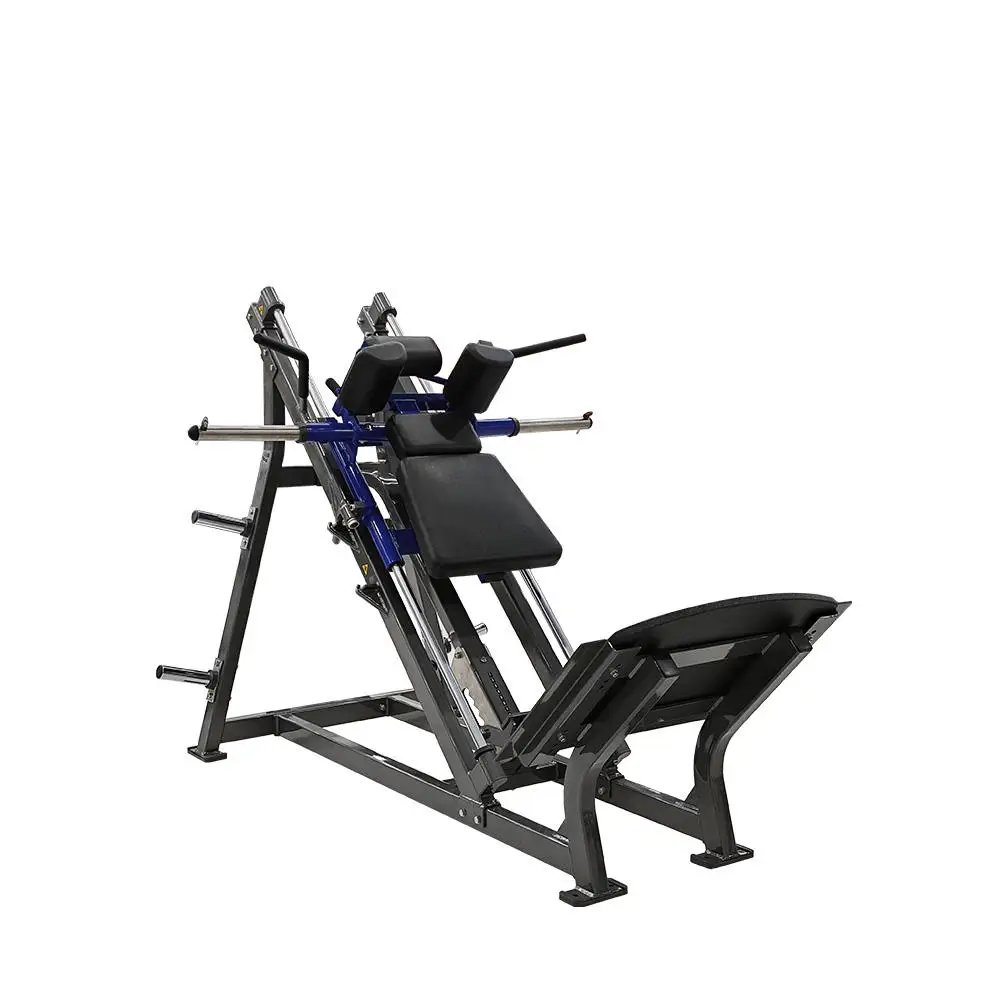
![MTS-8003 ISO-Lateral Biceps Curl Machine for Commercial Gyms [WARN] draft identifier mismatch](https://bicksport.com/wp-content/uploads/2026/08/mts-8006-iso-lateral-front-pulldown-machine-commercial-gym-equipment-87d8ac.webp)
Whisper-Quiet Deployment — Sub-35dB operation verified across hotel fitness floors, eliminating guest noise complaints during 24/7 cardio access.
Technical Specifications
| Parameter | Value |
|---|---|
| Designation | MTS-8003 |
| Product Type | ISO-Lateral Biceps Curl |
| Dimensions (L x W x H) | 97 cm x 147 cm x 150 cm |
| Net Weight | 236 kg |
| Weight Stack | 70 kg x 2 Stacks |
| Machine Grade | Commercial Use |
| Max User Weight | 180 kg |
| Resistance Type | Selectorized Weight Stack |
| Frame Construction | Reinforced Steel |
| Color | Customizable |
| Foldable | No |
| Certification | CE, ISO, RoHS, SGS |
Application Suitability
| Deployment Scenario | Typical Use |
|---|---|
| Five-star hotel fitness center on guest room floors | 24-hour independent arm training with low noise transfer to adjacent corridors and occupied rooms below |
| Chain gym cardio and strength zones | High-frequency member rotation through biceps isolation stations during peak evening hours |
| Corporate wellness room | Compact footprint placement in multi-discipline layouts accommodating lunch-break training volume |
| Professional sports training center | Independent limb loading for athlete rehabilitation and hypertrophy programming under coach supervision |
| High-end residential home gym | Selectorized convenience for household users requiring full commercial resistance range without plate loading |
Why Weight Stack Friction Ruins the Rep Before the Member Notices
Low-friction guide rods and sealed bearings deliver consistent resistance throughout the full range of motion.
When a biceps curl machine starts catching mid-rep, the member does not file a maintenance ticket — they simply stop using the station and move to free weights. In high-traffic commercial floors, that silent abandonment spreads: the machine becomes dead square footage while neighboring stations absorb overflow traffic unevenly. The friction usually originates from worn guide bushings or pulley misalignment that compounds over thousands of cycles [NEED_CITE: commercial selectorized equipment duty cycle and friction degradation patterns]. We have seen facilities replace entire selectorized lines because the resistance curve no longer matched what members expected from the first rep to the last.
Where the MTS-8003 Fits in a Commercial Strength Layout
The commercial ISO-lateral biceps curl machine MTS-8003 occupies the isolation segment of a strength floor, complementing compound pulling stations like lat pulldowns and seated rows. Its 97 cm width allows placement along perimeter walls or between functional rigs without disrupting primary traffic lanes. The dual independent arms serve members training unilaterally for rehabilitation or symmetry correction, while the 70 kg per stack range covers novice through advanced loading without requiring plate changes.
Continuous Operation and the Environment Around the Frame
This unit operates without motors, fans, or electronic consoles, so electrical circuit load and heat output are zero — the deployment concern shifts entirely to structural loading and acoustic transfer. The 236 kg frame mass requires floor-rated slab capacity, particularly on elevated hotel fitness levels where dynamic loading during heavy stack drops must be factored into structural calculations [NEED_CITE: EN 957 requirements for static and dynamic load testing on commercial strength equipment]. Rubber isolation pads beneath the frame feet decouple low-frequency vibration from the floor structure, which matters most when the room sits directly above conference spaces or guest suites. Daily operational maintenance centers on guide rod lubrication and cable tension checks rather than electronic diagnostics.
Reading the Selectorized Resistance Path
The dual 70 kg stacks run on independent cable-and-pulley circuits routed through sealed bearings at each deflection point. Each additional pulley in the path introduces friction loss, which is why the MTS-8003 uses a direct vertical cable routing from stack to handle with minimal redirection. The ISO-lateral arm design means each side operates on its own pivot axis, so the resistance felt by the left arm remains unaffected by what the right arm is doing — unlike fixed-bar curl machines where the stronger limb compensates for the weaker one. Selectorized pin engagement uses a spring-loaded detent system that locks positively into the stack plate; partial engagement causes the pin to slip under load, which is why insertion depth matters during member orientation.
What Happens When Selectorized Components Are Spec’d for Light Duty
Facilities that install light-commercial selectorized stations in 24/7 gym environments typically see guide rod scoring within the first year, producing a grinding sensation that members describe as the weight sticking. Cable fraying at pulley contact points follows when the wire rope is not rated for the cycle count of a busy strength floor. We have watched operators pull entire biceps curl stations from service because the selector pin mechanism wore to the point where plates disengaged mid-set — a liability event waiting to happen [NEED_CITE: selectorized cable and pin failure modes under continuous commercial loading]. The 10,000-hour durability testing on the MTS-8003 bearings and cable assemblies addresses this exact failure pattern by validating component life against the cycle frequency of a high-volume deployment.
Why This Product Line Addresses What Procurement Misses
Sub-35dB acoustic performance matters here not during the curl itself but when the weight stack returns to rest — uncontrolled stack clatter on a hard floor transmits impact noise downward, which is why isolation pads and controlled descent damping are specified together. The 10,000-hour continuous testing protocol on frame welds and pulley bearings matches the duty cycle of facilities running 18-hour days across multiple time zones. Our 3D strength zone layout service factors the MTS-8003 footprint alongside adjacent machines, ensuring the 147 cm depth allows proper spotting clearance and member egress without compressing the training envelope. OEM customization covers frame color and upholstery to match brand standards without altering the mechanical platform. Full documentation packages arrive with EN 957 test reports and load verification records, not generic spec sheets.
Documentation & Test Records
- CE declaration of conformity covering mechanical safety and structural load limits
- EN 957 test report validating static and dynamic loading on the ISO-lateral arm assembly
- ISO 9001 certificate for manufacturing quality management across the production line
- Noise level test report documenting stack return impact under controlled conditions
- Durability test record for pulley bearings and cable assemblies at 10,000-hour thresholds
- Spare parts list with exploded diagrams for guide rods, cables, and selector mechanisms
Installation, Commissioning & Maintenance
- Maintain minimum 60 cm lateral clearance on each side for independent arm movement and member egress from the 97 cm frame width
- Install rubber vibration isolation pads beneath all four frame feet to decouple stack impact from elevated floor structures
- Verify floor levelness within 3 mm across the 147 cm depth footprint before anchor bolt engagement to prevent frame twist
- Lubricate guide rods with specified dry-film lubricant at monthly intervals to prevent friction buildup on the dual 70 kg stacks
- Inspect cable tension and selector pin engagement depth during quarterly preventive maintenance to prevent mid-set disengagement
- Wipe down upholstery and frame contact surfaces with pH-neutral cleaner after each shift to prevent sweat corrosion on steel components
Equipment Selection Starts With Facility Data, Not a Brochure
Share your strength floor dimensions and current equipment schedule so we can generate a 3D layout that positions the MTS-8003 with proper spotting clearance and member flow around adjacent isolation stations. Specify deployment floor level and what occupies the room directly below so we can confirm whether isolation pads alone suffice or additional acoustic treatment is warranted. Confirm your target market voltage standards if the installation includes any electronic adjunct equipment nearby. Indicate whether your facility management system requires usage data integration from adjacent cardio or connected strength stations.
Frequently Asked Questions
Q: How does ISO-lateral arm design differ from a fixed-bar biceps curl machine?
A: ISO-lateral allows each arm to move independently on its own pivot axis, so the stronger side cannot compensate for the weaker side during the curl. This reveals and corrects bilateral strength imbalances that a fixed bar masks. The independent paths also accommodate different shoulder widths without forcing the wrists into an externally dictated grip position, reducing joint strain during high-volume training blocks.
Q: What training advantage do dual 70 kg weight stacks provide over a single stack?
A: Dual stacks allow each arm to select a different resistance level, which is essential for rehabilitation protocols where one limb requires reduced loading. For bilateral training, each side draws from its own stack without mechanical linkage, so the resistance curve on one side remains unaffected by the other. This independence supports unilateral overload progressions without requiring a separate single-arm station.
Q: What causes selectorized weight stacks to feel sticky or rough during the rep?
A: Sticking typically originates from worn guide rod bushings or insufficient lubrication, which increases friction between the stack plates and the vertical guide rods. Pulley misalignment or frayed cable strands at deflection points also introduce irregular resistance. Regular dry-film lubrication on guide rods and quarterly cable inspection under the manufacturer maintenance schedule prevent these friction issues from developing into member complaints.
Q: How should strength floor layout account for member flow around selectorized stations?
A: Selectorized machines like the MTS-8003 require lateral clearance for independent arm travel plus rear clearance for weight stack access during pin selection. Placing these units along perimeter walls rather than mid-floor preserves primary traffic lanes. The 3D layout process maps member approach paths, spotting positions, and egress routes to prevent congestion during peak training hours when multiple members rotate through adjacent stations.
Q: What maintenance intervals apply to the pulley and cable system on commercial strength equipment?
A: Pulley bearings require visual inspection for lateral play and rough rotation at quarterly intervals, with replacement triggered by any detectable grinding or wobble. Cables should be examined at deflection points for strand separation or corrosion, particularly where the wire rope contacts the pulley groove. Selector pin springs and detents need functional testing monthly to confirm positive plate engagement under load.