![Hammer Strength Adjustable Bench Machine for Commercial Gym Equipment [WARN] draft identifier mismatch](https://bicksport.com/wp-content/uploads/2026/08/hammer-strength-adjustable-bench-machine-for-commercial-gym-equipment-warn-draft-identifier-mismatch-de2e62.webp)
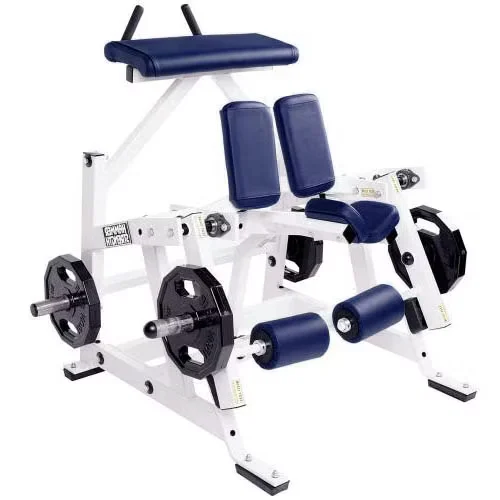
Heavy-Duty Steel Frame — 40kg net weight and 180kg maximum user capacity provide the inertial stability required for high-frequency commercial weight rooms where lighter benches shift under load.
Technical Specifications
| Parameter | Value |
|---|---|
| Product Type | Adjustable Bench |
| Material | Steel |
| Product Dimensions | 1215 × 680 × 1070 mm |
| Net Weight | 40 kg |
| Max User Weight | 180 kg |
| Folded | Unfolded |
| Power Source | Manual |
| Customization | Available |
| OEM/ODM | Available |
| Certification | ISO 9001, CE |
Application Suitability
| Deployment Scenario | Typical Use |
|---|---|
| Chain gym strength zone | High-frequency pressing and dumbbell work across peak hours |
| Corporate wellness room | Compact footprint bench stations for employee fitness programs |
| Community fitness center | Durable shared bench accessible to members of varying strength levels |
| Professional sports training center | Heavy-load pressing and accessory movements for athlete programming |
| High-end residential home gym | Dedicated adjustable station for serious training without space compromise |
Why Frame Rigidity Dictates Bench Performance in Commercial Gyms
A bench that wobbles under load is a liability, not an asset.
In commercial strength zones, an adjustable bench endures hundreds of load cycles daily — members racking dumbbells, shifting position, dropping weight onto the pad. When the frame lacks sufficient mass and weld integrity, lateral play develops within months. I have seen lightweight benches pulled from gym floors after members reported instability during incline presses, and replacement cycles that ran through two or three sets before operators switched to heavier-gauge steel. The commercial adjustable bench steel frame gym operators specify must resist torsional flex at every angle position, not just flat. [NEED_CITE: structural fatigue patterns in commercial strength equipment under continuous member use]
Positioning Within the Strength Training Zone
This adjustable bench serves as the primary pressing and dumbbell station in a commercial strength layout. It covers flat through incline angles, supporting barbell bench work, dumbbell flyes, shoulder presses, and seated row variations. In a well-configured free-weight area, it pairs with squat racks, cable columns, and plate-loaded machines to cover compound and isolation movements. The 180 kg user weight rating accommodates the full range of member body types encountered in a commercial adjustable bench steel frame gym deployment. Placement should allow clearance on three sides for dumbbell loading and spotter access, and the manual adjustment mechanism means zero electronic dependency in a zone where chalk dust and sweat are constant.
Operational Demands of a High-Traffic Free-Weight Area
Unlike cardio machines with defined duty cycles, an adjustable bench in a busy gym sees near-continuous use from open to close with no powered components to fail. The stress falls entirely on the welded joints, the adjustment pin mechanism, and the pad mounting hardware. Daily member counts in chain gyms can push a single bench through dozens of adjustment cycles, each one demanding that the locking pin seats cleanly without slop. [NEED_CITE: commercial gym equipment utilization rates during peak operating hours] Floor placement matters — benches positioned on uneven surfaces develop uneven pad wear and frame stress over time. No dedicated power circuit is needed, but the surrounding layout must account for dumbbell rack proximity and safe member traffic flow.
Reading the Steel Specifications That Matter
The 40 kg net weight reflects the mass of steel required to resist frame flex under loaded conditions. Heavier benches resist the torsional forces generated when a member shifts on an incline or when uneven dumbbell loads are applied. The manual ladder-style adjustment mechanism eliminates electronic actuators — the most common failure point on motorized adjustable benches in commercial settings. A manual pin system requires zero maintenance beyond occasional lubrication of the pivot points, and it delivers positive lock engagement at each angle without drift. The 1215 × 680 mm footprint provides a stable base that resists tipping during aggressive re-racking. Surface treatment on the steel frame resists the corrosive effects of sweat and cleaning chemicals applied multiple times daily in commercial environments. [NEED_CITE: steel gauge and weld specification standards for commercial fitness frames]
What Lightweight Frames Cost Operators Over Time
Procurement decisions driven by unit price rather than frame mass generate predictable downstream costs. Benches built with thinner-gauge tubing develop visible weld cracks within the first year of commercial use, leading to member complaints about pad instability and eventual removal from the floor. Adjustment pins on lighter frames wear their receiver holes oversized, creating the lateral play that members notice immediately during pressing movements. I have walked through facilities where entire bench inventories were swapped out before the two-year mark because the initial spec did not match the actual load environment. The commercial adjustable bench steel frame gym buyers ultimately settle on is the one that survives the first 18 months without structural intervention. [NEED_CITE: total cost of ownership comparison for commercial strength equipment replacement cycles]
What This Bench Line Brings to Your Facility
The sub-35dB design philosophy from our cardio division extends to our strength equipment philosophy: zero unnecessary noise and zero unnecessary failure points. This adjustable bench reflects that approach through its entirely manual mechanism — no motors, no circuit boards, no firmware updates. The 10,000-hour durability testing protocol applied across our product range informs the steel gauge and weld specifications used here. Full OEM and ODM customization covers frame color, pad material, logo placement, and dimension adjustments to match your facility brand identity. Our 3D layout service positions this bench within your strength zone plan, accounting for member flow, dumbbell rack spacing, and sightline considerations. ISO 9001 and CE certification documentation ships with every order. Technical support runs around the clock for specification questions and deployment guidance.
Documentation & Test Records
- CE declaration of conformity for commercial adjustable bench
- EN 957 structural load test report covering frame and pivot points
- ISO 9001 quality management system certificate
- Steel material specification and surface treatment record
- Weld inspection and frame load verification report
- OEM customization scope and color specification sheet
Installation, Commissioning & Maintenance
- Maintain minimum 600 mm clearance on three sides for dumbbell loading and spotter positioning
- Place on level flooring with rubber matting to protect surface finish and reduce shift under load
- Verify all pivot bolts and adjustment pin retention at initial assembly and monthly thereafter
- Wipe down steel frame and pad with non-corrosive cleaner after each operating day
- Inspect weld joints and pivot wear quarterly under commercial usage conditions
Request a Strength Zone Equipment Assessment
Share your strength area floor plan and target member capacity to receive a 3D layout covering bench placement, rack spacing, and traffic flow. Specify your daily operating hours and expected member volume so we can confirm the frame specification matches your usage profile. Indicate whether you require OEM branding on the frame or pad, and note your destination market for compliance documentation alignment.
Frequently Asked Questions
Q: What separates a commercial adjustable bench from a home-use model?
A: Commercial benches carry heavier-gauge steel frames, higher user weight ratings, and adjustment mechanisms rated for hundreds of daily cycles. Home benches prioritize compact storage and lighter weight, which compromises rigidity and longevity under continuous shared use in a gym environment.
Q: How do you verify the 180 kg user weight capacity?
A: The frame undergoes static and dynamic load testing per EN 957 standards, including cyclic loading at multiple angle positions. Weld joints and pivot points are inspected for deformation or cracking after the full test sequence, and results are documented in the structural test report shipped with each order.
Q: Why choose manual adjustment over electric for a commercial setting?
A: Manual adjustment eliminates motors, wiring, and control boards — the components most vulnerable to sweat ingress, chalk dust, and impact damage on a gym floor. A mechanical pin system requires minimal maintenance and delivers consistent lock engagement throughout the equipment service life.
Q: What OEM customization is available for this adjustable bench?
A: Customization covers frame powder-coat color, pad vinyl color and material, logo placement on the frame or pad, and minor dimension adjustments. MOQ and lead time vary by customization scope, and all options are confirmed during the quotation stage before production begins.