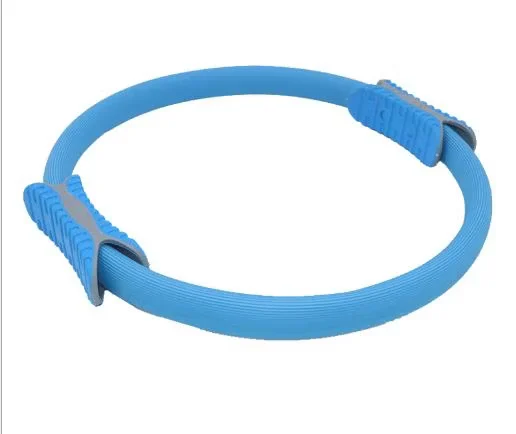
Anti-Burst Verified — PVC construction tested under sustained load conditions to maintain structural integrity across high-frequency facility deployments.
Technical Specifications
| Parameter | Value |
|---|---|
| Product Type | Exercise Ball |
| Model NO. | SFa-12 |
| Specification | 65cm |
| Weight | 3kgs |
| Material | Anti-burst PVC |
| Surface | Textured for grip stability |
| Color | Red (customizable options available) |
| Logo | Customized Is Allowed |
| Age / Gender | Adult / Women |
| Origin | China |
| HS Code | 9506911900 |
| Certification | EN 957, CE |
Application Suitability
| Deployment Scenario | Typical Use |
|---|---|
| Five-star hotel fitness center on guest room floors | Yoga sessions and recovery programming in sound-sensitive zones |
| Corporate wellness room | Guided balance training and core activation during employee breaks |
| High-end residential home gym | Daily pilates routines and flexibility work |
| Boutique pilates studio | Group classes requiring uniform diameter for instructor alignment cues |
| Chain gym functional training zone | Supine and seated exercises complementing cardio and resistance stations |
Why Consumer-Grade Balls Fail Within Months of Facility Deployment
Burst-rated material and standardized diameter prevent the two most common replacement triggers in shared fitness environments.
When consumer-grade exercise balls enter commercial spaces, facility managers typically see the first failures within weeks. Surface tears develop near the inflation valve where stress concentrates during repeated mounting and dismounting. Shape deformation follows as cheaper PVC compounds cannot sustain consistent internal pressure across hundreds of daily use cycles [NEED_CITE: PVC material fatigue under continuous load in shared fitness environments]. Members notice the instability, report it, and lose confidence in the equipment zone.
The commercial exercise ball yoga balance ball addresses this through anti-burst PVC construction that maintains surface tension and spherical geometry under continuous public use. A standardized 65cm diameter ensures predictable ergonomics across a wide user height range, reducing the guesswork that leads to improper sizing and accelerated wear.
Role Within the Functional Training and Recovery Zone
This exercise ball covers low-to-moderate intensity movement patterns: core stabilization, supine bridging, seated balance work, and guided yoga sequences. Within a cardio-heavy floor plan, it complements treadmill and elliptical stations by offering a non-impact recovery option that keeps members engaged in the same zone. The commercial exercise ball yoga balance ball deploys best in open floor areas with adequate clearance on all sides, and its 65cm diameter suits users performing both floor-based and seated exercises without requiring multiple size variants on the floor.
Sustained Pressure Retention in High-Traffic Environments
Commercial facilities demand equipment that holds its rated specifications across hundreds of daily use cycles without intervention. Anti-burst PVC maintains internal pressure and resists the micro-deformations that cause consumer-grade balls to sag or become oval over time [NEED_CITE: pressure retention standards for commercial-grade exercise balls in public facilities]. The textured surface resists degradation from repeated sanitization with commercial cleaning agents, a critical factor in shared environments where hygiene protocols are non-negotiable. Deployment in humid climates or high-sweat functional zones requires surface compounds that do not become slick or tacky after prolonged exposure to moisture and cleaning chemicals. Floor surface compatibility also matters: the ball must maintain grip on rubberized flooring and polished concrete without marking or leaving residue.
Material and Construction Specifications That Define Commercial Viability
The anti-burst PVC compound used in the SFa-12 is formulated to deform gradually under extreme load rather than rupture suddenly, which is the defining safety distinction between commercial and consumer grades. Burst resistance depends on wall thickness uniformity and the quality of the seam bonding at the inflation valve — areas where cost-cutting in consumer products produces the earliest failures. The textured surface is molded into the PVC during production rather than applied as a secondary coating, meaning grip performance does not degrade as the surface wears. The 3kg net weight reflects material density sufficient to resist deformation under sustained load without becoming too heavy for members to reposition during class transitions [NEED_CITE: material density and wall thickness correlation in commercial exercise ball safety standards]. A 65cm diameter serves the majority of adult users for seated exercises where hip and knee angles must remain near ninety degrees for proper spinal alignment.
The Compounding Cost of Specifying Below Commercial Grade
A batch of consumer-grade exercise balls deployed in a hotel fitness center often requires partial replacement within the first quarter as surface tears and pressure loss generate guest complaints. When a ball deforms unevenly, it introduces instability that members attribute to poor facility maintenance rather than equipment specification, eroding trust across the entire fitness zone [NEED_CITE: member attrition linked to visible equipment degradation in commercial fitness facilities]. The replacement cycle compounds: purchasing, receiving, inflating, and deploying new units consumes staff hours that could be directed toward member-facing services. Facilities that standardize on commercial-grade construction from the outset avoid this recurring operational drag and the inconsistent member experience that results from mixing new and degraded units on the floor.
Why This Line Meets Commercial Deployment Standards
Every unit undergoes pressure retention testing under sustained load to confirm anti-burst performance before shipment, so facility operators receive verified equipment rather than relying on manufacturer claims alone. The standardized 65cm diameter simplifies floor planning because instructors and members work with predictable dimensions across every ball in the deployment. Customization of logo and color supports facility branding without requiring separate procurement from a specialty printer. Documentation includes material composition data and EN 957 compliance records, giving procurement teams the verification they need for multi-site rollouts. The MOQ of 2 pieces allows smaller boutique studios to deploy without committing to container-scale quantities, while production capacity of 1000 units per month supports larger chain deployments on realistic timelines.
Documentation & Test Records
- CE declaration of conformity confirming European market safety compliance
- EN 957 test report covering structural integrity and load performance
- Material composition sheet detailing anti-burst PVC compound specifications
- Pressure retention test record under sustained commercial load conditions
- Surface texture durability report after repeated sanitization cycles
Installation, Commissioning & Maintenance
- Inflate to recommended pressure and allow 24-hour stabilization before first member use
- Maintain minimum clearance of 1.5 meters on all sides for safe movement during exercises
- Inspect surface texture and valve integrity weekly under commercial use frequency
- Clean with pH-neutral commercial sanitizers to preserve textured surface grip properties
- Rotate deployment position periodically to ensure even wear across facility inventory
- Recheck inflation pressure monthly as temperature fluctuations affect internal volume
Planning Your Functional Zone Deployment
Provide the square footage and intended use density of your functional training or recovery area to receive a layout plan that accounts for safe clearance distances and member flow between stations. Specify whether the balls will serve group class programming or open-access member use, as this affects recommended quantity and storage solutions. Confirm target market requirements for material certifications if deploying across multiple regions. Indicate whether facility branding with custom logo and color is needed to align with your visual identity standards.
Frequently Asked Questions
Q: What material standards ensure commercial-grade burst resistance?
A: Commercial-grade exercise balls use anti-burst PVC formulated to deform gradually under extreme load rather than rupture. The wall thickness uniformity and seam bonding quality at the inflation valve are the critical manufacturing variables. EN 957 testing verifies structural performance under sustained load conditions that simulate high-frequency facility use, distinguishing commercial products from consumer alternatives that lack this validation.
Q: How does surface texture affect grip during high-intensity sessions?
A: Textured surfaces molded directly into the PVC during production provide consistent grip that does not degrade as the ball wears. This is particularly important in humid environments or high-sweat functional zones where smooth surfaces become dangerously slick. The texture also resists degradation from repeated cleaning with commercial sanitizers, maintaining grip performance throughout the product lifecycle.
Q: Can the ball be customized with facility logos and color schemes?
A: Logo and color customization are available to support facility branding and visual cohesion across multi-zone deployments. Customization is applied during manufacturing rather than as a secondary process, ensuring durability through repeated use and cleaning cycles. This allows operators to maintain consistent brand identity across all equipment in shared fitness environments without separate procurement from specialty printers.
Q: What is the recommended maintenance schedule for high-frequency use?
A: Weekly inspection of surface texture and valve integrity is recommended under commercial use conditions. Inflation pressure should be rechecked monthly as ambient temperature fluctuations affect internal volume. Cleaning should use pH-neutral commercial sanitizers to preserve the textured surface grip properties. Rotating deployment positions across facility inventory ensures even wear and extends overall service life.
Q: How does diameter selection impact user ergonomics and exercise effectiveness?
A: A 65cm diameter serves the majority of adult users for seated exercises where hip and knee angles must remain near ninety degrees for proper spinal alignment. Standardizing on a single diameter simplifies instructor cues during group classes and eliminates the guesswork of sizing. Consistent dimensions across all units on the floor also support predictable movement patterns during dynamic balance training exercises.
![Professional Aluminum Pilates Reformer Machine Bed for Studio Fitness[WARN] draft identifier mismatch](https://bicksport.com/wp-content/uploads/2026/08/professional-aluminum-pilates-reformer-machine-bed-for-studio-fitnesswarn-draft-identifier-mismatch-f493b9.webp)