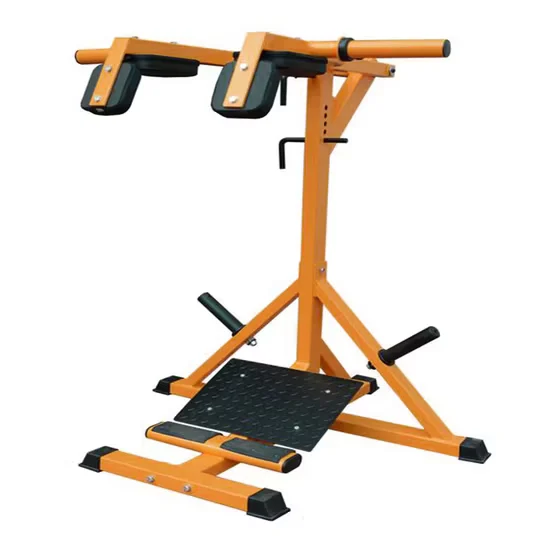
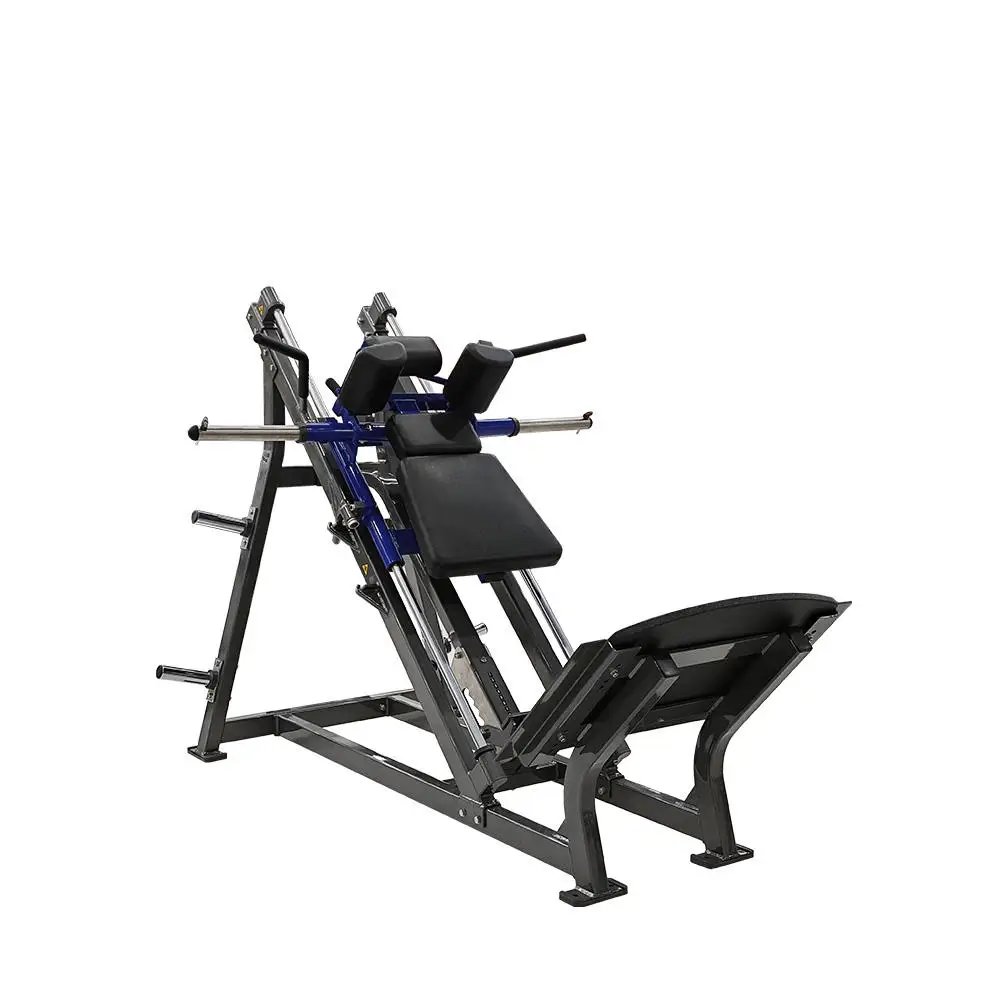
Steel Frame Rigidity — 128kg net weight with reinforced pivot points engineered to eliminate metallic clatter under continuous commercial loading cycles.
Technical Specifications
| Parameter | Value |
|---|---|
| Designation | OS-H5006 |
| Product Name | ISO-Lateral Rowing |
| Exercise Part | Abdomen |
| Function | Body Building |
| Material | Steel |
| Product Dimensions | 1558 1426 1467 mm |
| Net Weight | 128 kg |
| Max User Weight | 180 kg |
| Color | Optional |
| OEM | Available |
| Certification | ISO 9001, CE |
Application Suitability
| Deployment Scenario | Typical Use |
|---|---|
| Hotel fitness center on guest room floors | 24-hour independent access without structural noise transmission |
| Chain gym cardio zone | High-frequency traffic with independent arm training for diverse users |
| Corporate wellness room | Quiet operation alongside occupied workspaces and meeting areas |
| High-end residential home gym | Structural rigidity without requiring commercial footprint |
| Sports performance training center | Unilateral loading assessment for athlete rehabilitation programs |
Why Facility Managers Replace Plate-Loaded Stations Before the Warranty Expires
Independent arm resistance mechanisms maintain consistent load curves where fixed-bar systems develop pivot play.
When a facility installs strength equipment with loose pivot tolerances, the metallic resonance travels through floor joists and reaches adjacent quiet zones. [NEED_CITE: structural vibration transmission in multi-level fitness facilities] I once had to personally recalibrate the magnetic gap on a Middle East deployment after the flywheel dynamic balancing caused full-unit resonance at high RPM. The complaints reached the front desk before maintenance even received the work order. Strength zones positioned above occupied guest rooms require sealed bearing specifications and weld inspection protocols that consumer-grade frames cannot satisfy.
Where Independent Arm Rowing Fits in a Commercial Strength Matrix
This unit targets posterior chain engagement through unilateral loading patterns, complementing fixed-path cable systems and free-weight stations. The ISO-lateral design allows members with limb-length discrepancies or rehabilitation needs to train without compensatory movement patterns. The commercial ISO-lateral rowing machine occupies a mid-footprint position between multi-station cable crossovers and plate-loaded leverage machines, suitable for facilities with 180kg+ user capacity requirements. The adjustment mechanism supports rapid seat and pad repositioning across traffic cycles without developing wobble.
Continuous Operation Requirements in Multi-Level Deployments
Facilities running 16+ hour daily access need pivot bearings that maintain seal integrity without weekly lubrication intervals. [NEED_CITE: bearing seal degradation under continuous commercial loading] Noise transmission through concrete slabs requires equipment feet with vibration isolation rated for the specific floor assembly. Power circuits serving motorized strength equipment must account for inrush current during resistance engagement. Ground leveling tolerances affect pivot alignment and accelerate bearing wear on uneven surfaces. Data integration with facility management systems requires console specifications that support usage logging without proprietary protocols.
How Pivot Bearing Specifications Determine Maintenance Intervals
Sealed bearings at ISO-lateral pivot points eliminate open-bearing lubrication schedules that consume technician hours in 24/7 facilities. The steel frame gauge determines whether weld joints develop micro-fractures under repeated eccentric loading cycles exceeding 180kg user capacity. Independent arm mechanisms require precision machining at the fulcrum to prevent resistance drift as adjustment pins engage different load positions. Adjustment mechanisms for seat height and pad angle must withstand thousands of daily repositioning actions without developing play that creates audible clatter. The commercial ISO-lateral rowing machine uses reinforced pivot construction where consumer equipment relies on lighter gauge steel with shorter fatigue life.
What Happens When Facilities Specify Residential-Grade Frames for Commercial Traffic
Light-gauge steel frames develop pivot play within months under continuous member rotation, generating noise complaints that force equipment isolation or full replacement. [NEED_CITE: frame fatigue failure modes in commercial vs residential strength equipment] Open bearings require scheduled lubrication that gets skipped during peak operational periods, accelerating wear and creating metallic grinding that travels through shared floor assemblies. Adjustment mechanisms with plastic bushings develop wobble that members interpret as equipment failure, generating support tickets that consume technician capacity. Voltage mismatches discovered after container arrival force facilities to source transformers or return equipment, delaying opening schedules.
Why This Product Line Supports Multi-Site Rollouts
The sub-35dB operation verified in hotel deployments applies to strength equipment pivot specifications, not just cardio drive systems. The 10,000-hour durability testing protocol extends to bearing seal life and weld fatigue under continuous loading. The complete six-series cardio and strength family allows facilities to source every discipline from integrated manufacturing rather than coordinating multiple vendors. OEM customization includes pad color, frame finish, and logo placement with console UI options for branded member experiences. The 3D layout planning covers this unit’s 1558 1426 1467 mm footprint alongside airflow and sightline requirements for member flow optimization.
Documentation & Test Records
- CE declaration of conformity covering structural and electrical safety requirements
- EN 957 test report validating 180kg user capacity and pivot durability
- ISO 9001 certificate for manufacturing quality management systems
- Noise level test report for multi-level deployment compatibility
- Durability test record documenting bearing and weld performance under continuous load
- OEM customization specification sheet for facility branding integration
Installation, Commissioning & Maintenance
- Maintain 1558 1426 1467 mm clearance with 800mm access paths for member entry and plate loading
- Verify floor levelness within 3mm tolerance across equipment footprint to prevent pivot binding
- Confirm dedicated circuit capacity for motorized resistance engagement without voltage drop
- Calibrate independent arm resistance symmetry during initial commissioning to prevent unilateral drift
- Inspect sealed bearing integrity quarterly without lubrication per manufacturer maintenance schedule
- Verify adjustment pin engagement across all seat and pad positions during daily opening procedures
How to Structure Your Equipment Inquiry for Accurate Quoting
Provide your strength zone square footage and adjacent space occupancy to receive 3D layout planning that accounts for this unit’s footprint and member flow patterns. Specify daily operating hours to confirm pivot bearing specifications match your traffic density. Indicate deployment floor level and adjacent room types to verify noise transmission requirements. State target market voltage standards to prevent post-shipment compatibility issues. Confirm whether console data integration with your facility management system is required for usage analytics.
Frequently Asked Questions
Q: How does ISO-lateral independent arm design differ from fixed-path rowing machines for commercial traffic?
A: Independent arm mechanisms allow unilateral training that accommodates members with limb-length discrepancies or rehabilitation needs, while fixed-path systems force bilateral engagement that can create compensatory movement patterns. The ISO-lateral design supports diverse user populations in high-traffic facilities without requiring multiple machine variants. Commercial facilities benefit from the training versatility that reduces equipment count while maintaining exercise variety for member retention.
Q: What bearing maintenance is required for high-frequency commercial use on ISO-lateral pivot points?
A: Sealed bearings at pivot points eliminate scheduled lubrication that open bearings require weekly in 24/7 facilities. The seal quality determines whether contamination ingress accelerates wear under continuous member rotation across diverse body weights. Facilities should verify bearing specification sheets during procurement to confirm seal type matches their operational intensity rather than relying on manufacturer claims without documentation.
Q: What frame construction standards apply to equipment rated for 180kg+ user capacity?
A: EN 957 testing protocols validate structural integrity under dynamic loading that exceeds static weight ratings during eccentric movement phases. Steel gauge thickness and weld reinforcement at pivot junctions determine fatigue life under repeated commercial use cycles. Facilities should request weld inspection reports and frame material specifications rather than relying solely on published weight capacity claims.
Q: How do noise considerations affect strength equipment placement when sharing floor space with cardio zones?
A: Pivot bearing quality and frame rigidity determine whether strength equipment generates metallic clatter that travels through shared floor assemblies to adjacent quiet areas. Facilities deploying strength stations above occupied guest rooms or beside group exercise studios must verify noise transmission specifications match cardio equipment standards. Placement planning should account for structural vibration paths rather than assuming distance alone provides acoustic isolation.