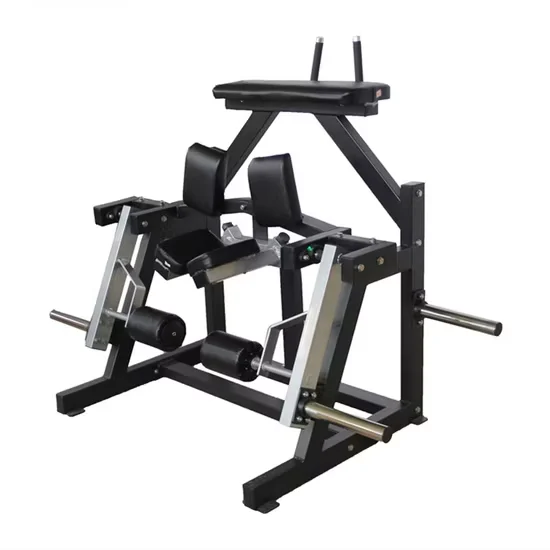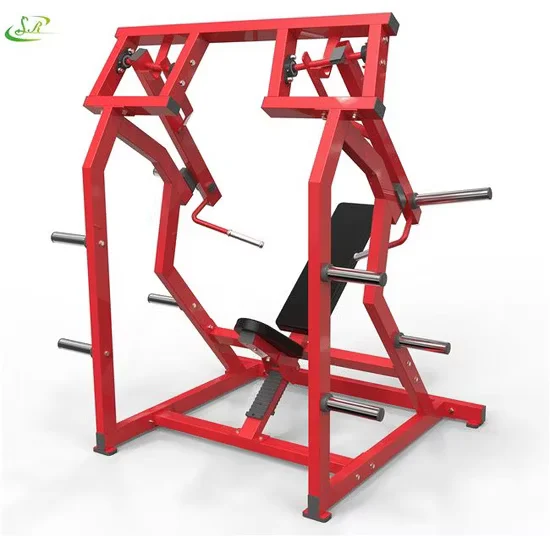
Engineered for Endurance — SRH-12 shoulder press frames withstand continuous heavy loading in commercial gyms without deflection or weld fatigue.
Technical Specifications
| Parameter | Value |
|---|---|
| Designation | SRH-12 |
| Product Type | Shoulder Press Machine |
| Frame Material | Iron |
| Main Tube Size | 50×100×3 mm |
| Machine Weight | 135 kgs |
| Product Dimensions | 1330×1900×1900 mm |
| Age Group | Adult |
| Gender | Unisex |
| Exercise Part | Arm |
| Color | Customized (OEM options available) |
| Production Capacity | 200 Pieces/Month |
| Certification | RoHS, ISO 9001, CE |
Application Suitability
| Deployment Scenario | Typical Use |
|---|---|
| Chain gym strength training zone | High-frequency overhead pressing circuits during peak member hours |
| Community fitness center | Mixed-level users performing controlled shoulder development work |
| Hotel fitness room paired with cardio zone | Compact strength option matching unified facility design language |
| Corporate wellness facility | Functional upper-body conditioning for time-limited employee sessions |
| High-end residential home gym | Durable pressing station for dedicated strength enthusiasts |
Why Frame Gauge Decides Whether a Shoulder Press Survives Its First Year in a Commercial Gym
Light-gauge frames flex under repeated loading, leading to weld cracks and premature replacement.
When a community or chain gym runs a lateral shoulder press machine through hundreds of daily cycles, residential-grade 40×80×2 mm tubing begins to deflect noticeably within months. Members feel the wobble, trainers pull the unit for safety inspection, and the facility ends up replacing the entire frame. [NEED_CITE: fatigue failure patterns in light-gauge commercial strength equipment] The SRH-12 commercial lateral shoulder press machine ISO certified to ISO 9001 standards addresses this with a 50×100×3 mm main tube that maintains rigidity cycle after cycle. In hotel fitness centers where equipment sits adjacent to guest corridors, a flexing frame also transmits vibration into the floor structure — creating the kind of low-frequency disturbance that reaches the front desk long before maintenance does.
Positioning the SRH-12 Within a Commercial Strength Training Zone
This shoulder press targets overhead pressing movements for deltoid and triceps development across a broad resistance range, complementing chest press, lat pulldown, and leg press stations in a balanced circuit. It suits deployment in high-traffic areas where users rotate through upper-body stations in sequences lasting several minutes each. The 1330×1900×1900 mm footprint fits standard commercial spacing guidelines, allowing safe clearance for loading and unloading plates. Unisex design and adjustable seat positions accommodate users across a wide range of body sizes, making the commercial lateral shoulder press machine ISO certified for diverse membership bases.
Continuous Operation and Deployment Environment Requirements
In a 24/7 community fitness center, shoulder press stations may see use across sixteen or more active hours daily, demanding a frame and pivot system rated for sustained loading without loosening. The 135 kg machine weight provides sufficient mass to resist lateral shift during heavy pressing sets, though floor anchoring is advisable on polished concrete surfaces. Deployment on upper floors — particularly in hotels with occupied rooms directly below — benefits from rubber isolation pads beneath the feet to dampen plate-loading vibration transmission. [NEED_CITE: vibration isolation standards for strength equipment on suspended floors] Adequate ventilation around the unit prevents humidity buildup that accelerates corrosion on iron components, and the powder-coat finish provides a first line of defense against sweat and cleaning chemicals.
Reading the Structural and Mechanical Specifications
The 50×100×3 mm rectangular steel tube forms the primary load path, and the 3 mm wall thickness is the critical figure — it determines how much bending stress the frame absorbs before any deflection reaches the user. Machine weight of 135 kgs reflects the total iron mass in the frame, guide rods, and weight stack housing, and heavier units generally resist tipping and walking during aggressive sets. Powder-coated iron construction balances cost with corrosion protection, though facilities in coastal or high-humidity environments should verify coating thickness meets their sanitation cycle requirements. The production capacity of 200 pieces per month indicates a dedicated manufacturing line rather than batch outsourcing, which supports consistent weld quality across orders. Color customization through OEM/ODM processes allows facility operators to match the commercial lateral shoulder press machine ISO certified frame to existing equipment palettes without aftermarket repainting.
The Hidden Costs of Compromising on Frame Specification
Procurement decisions driven by upfront price often specify thinner tubing that performs acceptably during initial testing but develops visible flex within six months of high-frequency use. Weld joints on undersized frames concentrate stress at connection points, and cracking typically appears first at the seat carriage interface where cyclic loading is most severe. [NEED_CITE: weld fatigue analysis in commercial strength equipment frames] Facilities that replace failed units face not only equipment cost but also member dissatisfaction when familiar stations disappear from the floor without notice. Inconsistent color matching across replacement orders further fragments the visual cohesion of the strength zone.
Why This Product Line Addresses Facility-Level Concerns
The 50×100×3 mm frame specification reflects lessons learned from deploying cardio equipment in noise-sensitive hotel environments — structural rigidity matters just as much for strength stations transmitting vibration into floor slabs. Testing protocols validated over 10,000 hours of continuous operation on our cardio range extend to pivot and bearing inspection cycles on this shoulder press. Full OEM/ODM capability covers frame color, logo application, and finish selection, so the unit integrates visually with existing floor equipment without third-party refinishing. [NEED_CITE: OEM customization standards for commercial fitness equipment] The 1330×1900×1900 mm footprint is factored into our 3D layout planning, ensuring adequate member flow and sightline clearance when positioning the press within a mixed cardio-and-strength zone. Technical support coverage extends to pivot lubrication schedules and bearing inspection intervals matched to your facility’s daily usage patterns.
Documentation & Test Records
- CE declaration of conformity for European market placement of the SRH-12
- EN 957 test report covering structural integrity and safety requirements
- ISO 9001 certificate verifying manufacturing quality management processes
- RoHS compliance documentation confirming restricted substance limits
- Durability test record documenting frame and pivot cycle validation
Installation, Commissioning & Maintenance
- Maintain minimum 600 mm clearance on all sides of the 1330×1900 mm footprint for safe plate loading
- Install rubber isolation pads beneath all four feet to reduce vibration transmission on upper-floor deployments
- Verify floor levelness within tolerance before final positioning to prevent frame twist under load
- Inspect pivot bearings and guide rod lubrication quarterly under high-frequency commercial use
- Wipe iron frame surfaces with pH-neutral cleaner after each sanitation cycle to preserve powder-coat integrity
- Confirm OEM color match sample approval against existing equipment before bulk production release
Scoping Your Deployment Requirements
Provide your strength zone square footage and existing equipment list to receive a 3D layout incorporating the SRH-12 footprint and member flow clearances. Specify average daily usage hours so we can recommend appropriate bearing inspection and lubrication intervals. Indicate deployment floor level and adjacent occupied spaces to determine whether vibration isolation pads are required. Confirm target market and any OEM color or branding requirements for production matching.
Frequently Asked Questions
Q: What does the 50×100×3 mm tube size mean for commercial durability?
A: The 50×100 mm cross-section provides a broad load-bearing profile, while the 3 mm wall thickness prevents the frame from flexing under repeated heavy pressing cycles. Residential-grade tubing at 2 mm wall thickness deflects noticeably within months in high-traffic gyms, leading to weld stress and eventual cracking at connection points.
Q: Does the 135 kg machine weight require floor anchoring?
A: The mass provides substantial stability during controlled pressing movements, but facilities with polished concrete or suspended floors should use rubber isolation pads or anchor bolts. Anchoring prevents lateral creep over time and reduces vibration transmission to rooms directly below the deployment floor.
Q: What OEM customization options are available for the SRH-12?
A: Frame color, logo placement, and powder-coat finish can all be customized to match your facility’s existing equipment palette. Color match samples are produced for approval before bulk manufacturing begins, ensuring visual consistency across your strength zone without aftermarket repainting costs.
Q: Are CE and ISO 9001 certifications valid for my import market?
A: CE marking covers European Economic Area requirements, and ISO 9001 is recognized globally for quality management system compliance. Verify any additional national import standards your market requires, and request the specific test reports and declarations needed for customs clearance documentation.
Q: What maintenance intervals apply under high-frequency commercial use?
A: Pivot bearings and guide rods should be inspected and lubricated quarterly in facilities running sixteen or more active hours daily. Frame weld points require visual inspection every six months for early crack detection, and powder-coat surfaces need regular pH-neutral cleaning to prevent corrosion from accumulated sweat and sanitizing chemicals.