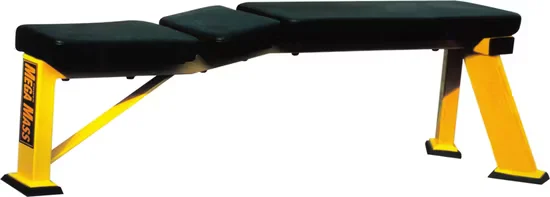
Full-Steel Frame Rigidity — Welded steel construction maintains structural stability under repeated plate-loaded cycles in high-traffic commercial environments.
Technical Specifications
| Parameter | Value |
|---|---|
| Product Type | Gripper Machine (Plate Loaded Strength Equipment) |
| Model NO. | 5022 |
| Exercise Part | Leg |
| Resistance Type | Plate Loaded |
| Frame Material | Steel |
| Product Dimensions | 1075580855mm |
| Net Weight | 53kg |
| Max User Weight | 180kg |
| Age Group | Adult |
| Gender | Unisex |
| Appliance | Community, Gymnasium |
| Production Capacity | 500 PCS/Month |
| HS Code | 9506911900 |
| Certification | ISO9001, CE |
Application Suitability
| Deployment Scenario | Typical Use |
|---|---|
| hotel fitness center strength zone | supplementary lower-body station for guests alongside cardio equipment |
| commercial gym free weight area | plate-loaded leg isolation work between compound lift stations |
| community fitness center training floor | durable multi-user leg strengthening for general membership |
| corporate wellness room | compact strength station fitting limited floor plans alongside desks |
| high-end residential home gym | dedicated grip and leg work station in private training spaces |
Why Frame Flex Under Load Creates More Problems Than Worn Plates
Steel gauge and weld integrity determine whether a plate loaded hammer strength gripper machine commercial gym deployment survives its first year.
Facilities that cut costs on light-duty strength frames discover the consequences within months — pivot bushings wallow out, welds develop hairline cracks near the gussets, and members start reporting that the motion path feels sloppy or off-center. In a high-frequency commercial environment, these small deviations compound into joint complaints and eventually liability concerns. I have seen facility managers pull entire rows of underbuilt machines after a single season, spending more on replacement than they saved on procurement [NEED_CITE: structural fatigue failure modes in light-commercial strength equipment].
Where This Gripper Machine Fits in a Mixed Cardio-Strength Floor Plan
This unit targets lower-body isolation work — specifically grip-driven leg engagement through a fixed motion arc. In a commercial layout, it complements free squat racks and hack sleds by offering a controlled, machine-guided alternative for members who need consistent tension without balance demands. Its compact 1075580855mm footprint allows placement along perimeter walls or between cardio stations where floor space is constrained. The plate loaded hammer strength gripper machine commercial gym configuration accommodates users across a wide weight range, supported by the 180kg maximum user capacity. Resistance is user-determined by plate selection, giving advanced lifters room to progress while keeping entry-level loading accessible.
Continuous Deployment Considerations for Public Fitness Facilities
A community gym or hotel strength zone sees equipment in near-constant rotation during peak hours — often six to eight hours of repetitive loading cycles with minimal rest between users. The steel frame and plate-loaded mechanism eliminate electrical dependencies, meaning no motor duty-cycle limits, no control board failures, and no scheduled downtime for electronic diagnostics. Ventilation requirements are minimal since there is no heat-generating drive system. Floor loading calculations should account for the 53kg net weight plus maximum plate load and user mass combined [NEED_CITE: floor loading standards for plate-loaded commercial strength equipment]. Leveling feet must be adjusted during installation to prevent frame rocking on uneven concrete subfloors, which accelerates pivot wear and creates audible frame contact noise.
Reading the Specs That Actually Determine Service Life
The distinction between plate-loaded and pin-loaded resistance directly affects long-term maintenance — plate systems use gravity-fed mass with no cables, pulleys, or weight stack guide rods to wear. The pivot point is the critical wear interface: bearing quality determines whether the motion arc stays true or develops lateral play over thousands of repetitions. Steel frame gauge thickness governs whether the machine absorbs loading forces silently or transmits vibration into the floor slab. The 53kg net weight reflects the material density in the primary load path — lighter frames in this category typically signal thinner tubing that flexes under maximum loading. Footprint dimensions of 1075580855mm define both the safety clearance envelope and the adjacent equipment spacing needed for safe plate loading and user egress.
What Happens When Frame Specifications Get Compromised
Machines built with undersized tubing develop frame flex that members perceive as instability during heavy loading sets. Weld failures at pivot junctions tend to occur suddenly rather than gradually, creating immediate safety concerns and forcing emergency equipment removal from the floor. Bushings installed instead of sealed bearings at pivot points generate progressively worse motion feel, leading members to avoid the station entirely. In community and hotel deployments, these quality gaps surface quickly because usage volume is relentless and maintenance windows are compressed. A plate loaded hammer strength gripper machine commercial gym installation with proper frame engineering avoids this cycle [NEED_CITE: bearing vs bushing service intervals in commercial strength pivots].
Why This Product Line Holds Up Under Continuous Public Use
Every frame in this series undergoes weld inspection before powder coating, catching porosity and incomplete penetration that would otherwise surface as field failures. The 10,000-hour durability testing protocol applies to moving assemblies including pivot bearings and plate horns, not just static load ratings. OEM customization covers powder coat color and logo application, allowing brand consistency across multi-location rollouts. When planning a full cardio and strength zone, the 3D layout service accounts for clearance requirements around this gripper machine alongside treadmill rows and cycling stations, ensuring safe plate-loading corridors and member traffic flow. Technical support covers installation calibration and pivot tension adjustment through the commissioning phase.
Documentation & Test Records
- CE declaration of conformity covering mechanical safety requirements for strength training equipment
- EN 957 test report documenting structural integrity under maximum rated loading
- ISO 9001 certificate for manufacturing quality management systems
- Frame weld inspection report and material gauge specification sheet
- Pivot bearing specification with recommended service interval documentation
- Installation guide covering floor leveling, clearance mapping, and commissioning checks
Installation, Commissioning & Maintenance
- Verify 1075580855mm footprint plus plate-loading corridor clearance before floor anchoring
- Level all contact feet on concrete subfloor to prevent pivot bearing side-loading and frame rock
- Use Olympic-standard plates matching the horn diameter specification to prevent rattle and uneven loading
- Inspect pivot bearings quarterly for lateral play and re-grease per manufacturer service interval
- Clean plate horns and frame contact surfaces weekly to prevent sweat corrosion on powder coat finish
- Re-torque frame bolt connections after the first 500 use cycles and annually thereafter
Planning Your Strength Zone Equipment Inquiry
Provide your floor plan dimensions and existing equipment list to receive a 3D layout showing this gripper machine positioned with proper safety clearances and plate-loading zones. Specify daily usage hours and peak member volume so the pivot bearing specification matches your facility’s duty cycle. Confirm your floor slab type and any adjacent noise-sensitive spaces to determine whether isolation pads are required under the contact feet. State whether the unit will operate in a mixed cardio-strength environment so spacing recommendations account for member traffic patterns around the station.
Frequently Asked Questions
Q: How does plate-loaded resistance compare to pin-loaded for high-traffic commercial deployment?
A: Plate-loaded systems eliminate cables, pulleys, and weight stack guide rods that require regular adjustment in pin-loaded machines. Users add or remove standard plates, giving unlimited loading flexibility without mechanical selectors that wear under constant public use. Maintenance focuses on pivot bearings rather than cable tension and selector pin alignment, reducing service visits and parts inventory for facility maintenance teams.
Q: What should buyers verify about frame steel gauge and weld quality before committing to a bulk order?
A: Request the material gauge specification sheet and weld inspection documentation before ordering. Look for consistent wall thickness across primary load-path tubing and evidence of full-penetration welds at pivot junctions. Samples or factory audit visits allow visual inspection of weld bead consistency and powder coat coverage at frame joints, revealing manufacturing discipline that correlates directly with field durability under continuous commercial loading.
Q: Why does the pivot bearing specification matter for round-the-clock facility operation?
A: Sealed bearings maintain consistent motion feel and require far less frequent service than plain bushings, which gradually develop lateral play and generate audible friction noise. In facilities running extended hours, bushing-equipped pivots need replacement multiple times annually while sealed bearings extend service intervals substantially. The bearing type directly affects whether members experience smooth resistance through the full arc or encounter binding and roughness that discourages continued use.
Q: How much clearance is needed around hammer strength units in a mixed cardio-strength zone?
A: Minimum clearance must accommodate plate loading from both sides plus user egress, typically requiring dedicated corridor space beyond the machine footprint. Adjacent cardio equipment sightlines should remain unobstructed, and traffic flow patterns should prevent members from walking through active loading zones. A 3D layout service maps these clearances against total available square footage before equipment commitment, preventing overcrowded floors that compromise safety and member experience.